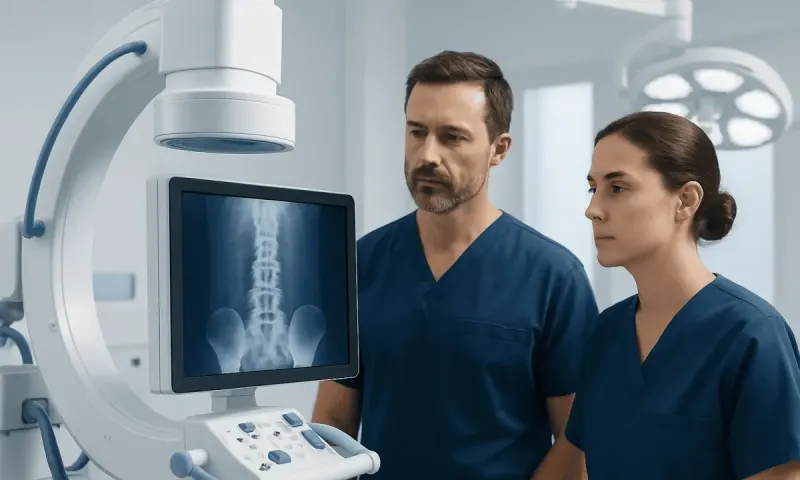
What Does a Neurosurgeon Do? Procedures, Training, and When to See One
A neurosurgeon is a doctor trained to diagnose and treat conditions affecting the brain, spine, spinal cord, and peripheral nerves. Although the name suggests surgery alone, neurosurgeons also assess symptoms, interpret imaging, guide non-surgical care, and decide when an operation may be helpful.
Overview: what a neurosurgeon does
A neurosurgeon is a medical doctor who specializes in conditions affecting the nervous system, especially the brain, spine, spinal cord, and peripheral nerves. These specialists evaluate symptoms, confirm diagnoses, and decide whether treatment should be surgical, non-surgical, or a combination of both. In many cases, a neurosurgeon works closely with neurologists, radiologists, pain specialists, oncologists, rehabilitation experts, and intensive care teams.
The term “neurosurgeon” can be misleading because these doctors do much more than perform operations. They often help manage back and neck pain, nerve compression, traumatic injuries, brain tumors, vascular problems in the brain, and congenital conditions. If surgery is not the best option, they may recommend observation, medicines, physical therapy, injections, or referral to another specialist.
Neurosurgery can involve very delicate and highly technical procedures. Modern neurosurgeons may use microscopes, surgical navigation systems, endoscopes, and image-guided techniques to improve precision. Their goal is to protect important brain and nerve function while treating the underlying problem as safely as possible.
Which conditions do neurosurgeons treat?
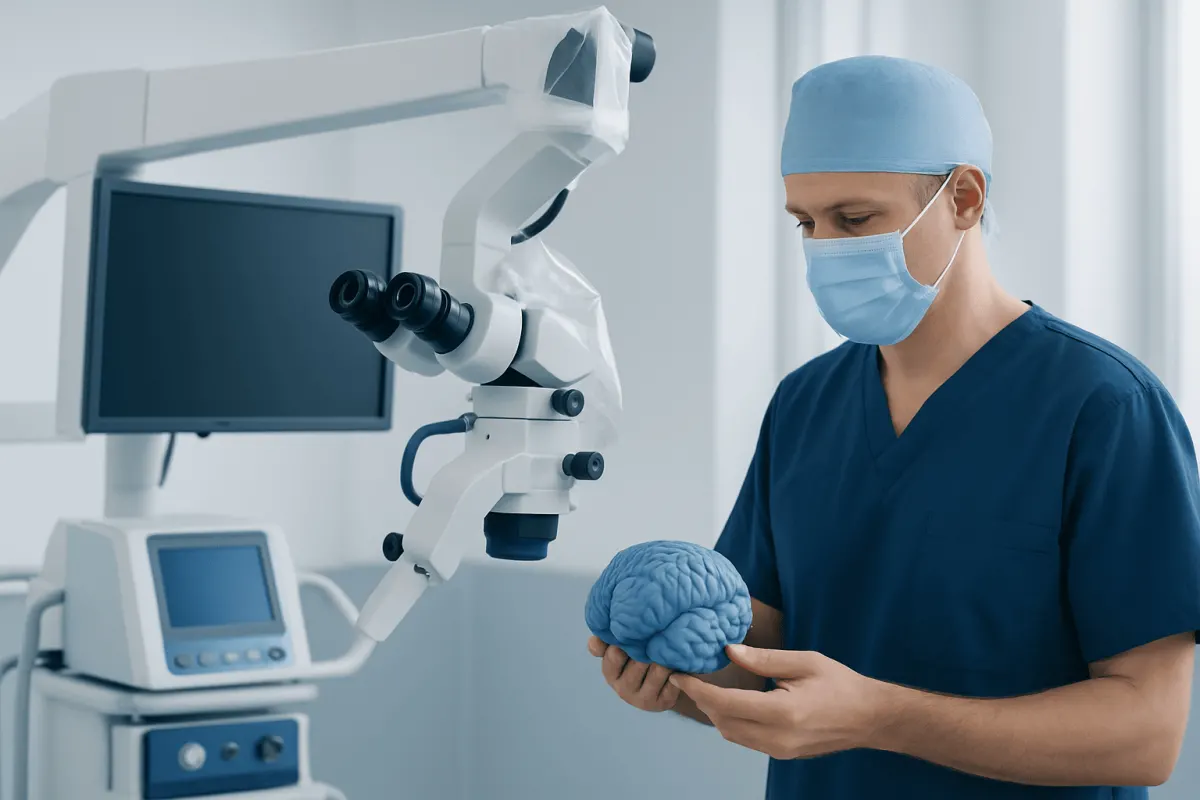
Neurosurgeons treat a wide range of conditions. Some involve the brain, such as tumors, bleeding, aneurysms, hydrocephalus, epilepsy in selected cases, and certain movement disorders. Others affect the spine and spinal cord, including herniated discs, spinal stenosis, fractures, spinal tumors, infections, and degenerative disorders that can cause pain, weakness, or numbness.
They also care for peripheral nerve problems, such as nerve entrapment, traumatic nerve injuries, and some chronic pain conditions. In children, neurosurgeons may treat congenital conditions involving the brain or spine. In emergency settings, they may manage After the Initial Recovery" class="ahp-ilk">traumatic brain injury, spinal cord compression, or bleeding inside the skull.
Examples of conditions a neurosurgeon may evaluate include brain tumors, lumbar herniated disc, and brain aneurysm. Not every patient with these conditions will need surgery, but careful specialist assessment can help determine the safest and most effective next step.
- Brain disorders: tumors, aneurysms, bleeding, hydrocephalus, some epilepsy cases
- Spine disorders: disc herniation, stenosis, fractures, deformity, tumors, infections
- Nerve disorders: compression syndromes, trauma, selected pain syndromes
- Emergency conditions: head injury, spinal cord compression, intracranial bleeding
Symptoms that may lead to a neurosurgery referral

Many people are referred to a neurosurgeon because of symptoms that suggest a structural problem in the brain, spine, or nerves. Common examples include persistent neck or back pain with pain spreading into the arm or leg, progressive numbness, muscle weakness, balance problems, or trouble walking. Some people are referred after an MRI or CT scan shows a finding that needs specialist review.
Neurological symptoms related to the brain can include headaches with warning signs, seizures, speech difficulty, changes in vision, memory problems, or weakness on one side of the body. A neurosurgeon may also assess symptoms caused by pressure on the brain or spinal cord, such as worsening coordination, hand clumsiness, or loss of fine motor control.
Not all headaches, back pain, or dizziness require neurosurgical care. In many cases, common symptoms are caused by conditions that improve with non-surgical treatment. A neurosurgery referral is usually considered when symptoms are severe, persistent, progressive, associated with abnormal imaging, or suggest compression, bleeding, a tumor, or significant nerve dysfunction.
Training and areas of specialization
Becoming a neurosurgeon requires many years of medical education and supervised training. After medical school, doctors complete a long residency focused on neurosurgery. During this period, they learn how to assess complex neurological conditions, manage critically ill patients, interpret advanced imaging, and perform increasingly specialized procedures under supervision.
Many neurosurgeons then pursue additional fellowship training in a focused area. These areas may include brain tumor surgery, cerebrovascular surgery, spinal surgery, skull base surgery, pediatric neurosurgery, functional neurosurgery, or peripheral nerve surgery. This additional training helps them develop expertise in particular conditions and techniques.
Because the nervous system controls movement, sensation, language, memory, and other essential functions, neurosurgical care requires careful planning and precision. Neurosurgeons also continue learning throughout their careers, using updated guidelines, surgical tools, and imaging technologies to support safer, more individualized treatment.
Common procedures a neurosurgeon performs
The procedures performed by a neurosurgeon depend on the condition being treated. Some operations are done urgently, such as relieving pressure after head trauma or treating bleeding in the brain. Others are planned in advance, such as removing a tumor, repairing a vascular abnormality, or decompressing a pinched nerve in the spine.
Brain procedures may include tumor removal, biopsy, clipping or endovascular planning for aneurysm-related care, shunt placement for hydrocephalus, and surgery for certain seizure or movement disorders. Spine procedures may include surgery for a herniated disc, decompression for spinal stenosis, stabilization of fractures, or fusion when needed for instability. In suitable patients, a neurosurgeon may discuss options such as microdiscectomy or spinal fusion surgery.
Some techniques are minimally invasive and may use smaller incisions, tubular retractors, microscopes, or endoscopes. In other situations, a traditional open operation offers the safest or most effective approach. Depending on the diagnosis, care may also involve advanced procedures such as brain tumor surgery or deep brain stimulation. The choice depends on the location of the problem, overall health, symptoms, imaging findings, and treatment goals.
How diagnosis and treatment planning work
A neurosurgical evaluation usually begins with a detailed medical history and neurological examination. The doctor asks about symptoms, when they started, what makes them better or worse, and whether there are warning signs such as weakness, seizures, falls, changes in bladder or bowel function, or unexplained weight loss. The examination checks strength, reflexes, sensation, coordination, gait, and sometimes language or cognitive function.
Imaging plays an important role in diagnosis. Depending on the problem, tests may include MRI, CT, angiography, X-rays, or nerve studies. These tests help show whether there is a tumor, disc problem, bleeding, narrowing, instability, vascular abnormality, or pressure on nerves or the spinal cord. Imaging results are interpreted together with symptoms and examination findings, because scans alone do not always explain pain or neurological changes.
Treatment planning is individualized. Some patients need monitoring over time, especially when a finding is small, stable, or not clearly causing symptoms. Others benefit from medications, rehabilitation, or pain procedures before surgery is considered. When surgery is recommended, the neurosurgeon explains the reason for the procedure, the expected benefits, possible risks, alternatives, and the likely recovery process so the patient can make an informed decision.
Recovery, self-care, and what patients can expect
Recovery after neurosurgical treatment varies widely depending on the condition, the type of procedure, and the patient’s general health. Some people go home within a day or two after a smaller spine operation, while others need a longer hospital stay, especially after major brain or spinal surgery. The care team provides guidance about pain control, wound care, activity limits, and follow-up visits.
Rehabilitation can be an important part of recovery. Physical therapy may help improve strength, mobility, and posture after spine surgery. Occupational therapy or speech therapy may be needed after some brain procedures. Patients are usually encouraged to gradually resume activities, avoid smoking, follow instructions about lifting and driving, and report new symptoms promptly.
Even when surgery is not needed, self-care still matters. Good posture, safe movement, regular exercise within a doctor’s advice, management of chronic conditions, and adherence to follow-up imaging or appointments can all support better outcomes. Near the end of the care pathway, some patients seek evaluation at specialized centers; Acıbadem Health Point’s multidisciplinary specialists and JCI-accredited hospitals diagnose and treat neurosurgical conditions for international patients.
When to see a neurosurgeon urgently
Some symptoms need prompt medical attention because they may suggest pressure on the brain or spinal cord, bleeding, stroke-like changes, or serious nerve injury. A person should seek urgent evaluation for sudden weakness, loss of sensation, trouble speaking, new seizures, severe head injury, loss of consciousness, rapidly worsening confusion, or a sudden severe headache unlike usual headaches.
Urgent assessment is also important for symptoms suggesting spinal cord or cauda equina compression. These can include new loss of bladder or bowel control, numbness in the groin or saddle area, severe back pain with rapidly progressing leg weakness, or difficulty walking that is getting worse. These symptoms should not be ignored.
For non-emergency concerns, a neurosurgery consultation may be helpful when symptoms persist despite conservative treatment, when imaging shows a significant abnormality, or when another doctor recommends specialist review. Early assessment can clarify whether monitoring, medical treatment, rehabilitation, or surgery is the most appropriate next step.
Frequently asked questions
01Is a neurosurgeon the same as a neurologist?
No. A neurologist diagnoses and treats nervous system disorders mainly with medicines and other non-surgical approaches, while a neurosurgeon is trained to perform operations when needed. Both specialists often work together, and some patients may see both during their care.
02Do all patients referred to a neurosurgeon need surgery?
No. Many patients seen by a neurosurgeon do not need an operation. The neurosurgeon may recommend monitoring, medication, physical therapy, injections, or referral to another specialist if surgery is not the best option.
03What is the most common reason to see a neurosurgeon?
Common reasons include back or neck problems that may involve a herniated disc, nerve compression, spinal stenosis, or weakness and numbness in the arms or legs. Brain-related referrals can happen because of tumors, aneurysms, seizures, or head injuries.
04How should a patient prepare for a neurosurgery appointment?
It helps to bring previous scan reports, a list of medications, details of past treatments, and notes about symptoms and how long they have been present. Questions about treatment options, risks, recovery time, and whether surgery is necessary can also make the visit more useful.
05Are neurosurgical procedures always high risk?
Risk varies depending on the condition, the area being treated, the patient’s health, and the complexity of the procedure. Neurosurgeons carefully assess benefits and risks, and modern imaging and surgical techniques can improve precision and planning.
06When should back pain be considered urgent?
Back pain should be assessed urgently if it comes with new leg weakness, loss of bladder or bowel control, numbness around the groin, fever, major trauma, or severe and rapidly worsening symptoms. These signs may suggest a condition that needs immediate medical attention.
This article is for general information only and is not a substitute for professional medical advice. Please consult a qualified doctor about your individual situation.
Joint and spine care in Turkey — expert assessment & treatment
JCI-accredited · board-certified surgeons · reply within 24h
Add us as a Preferred Source to see more of our trusted health content across Google Search, AI Overviews and Discover.