Orthopedic Surgeon vs Neurosurgeon: What’s the Difference?
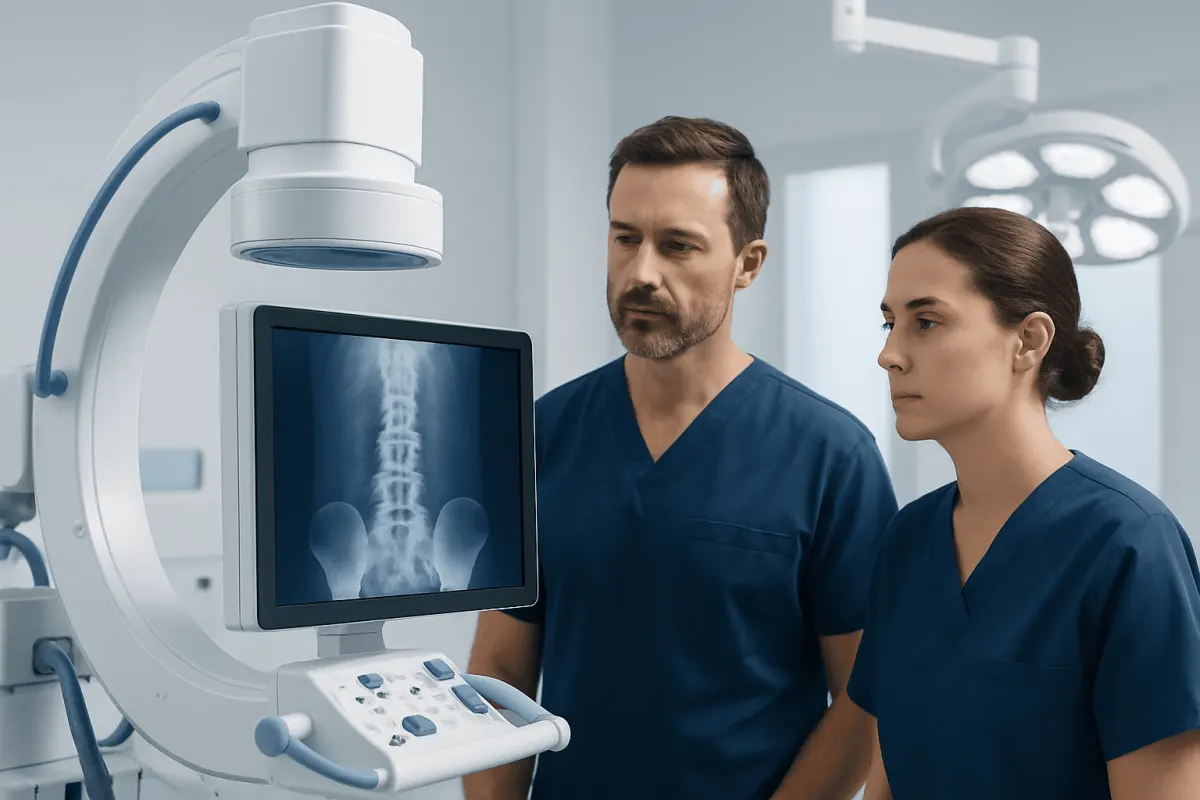
Orthopedic surgeons and neurosurgeons may both treat spine conditions, but their training and primary focus differ. Orthopedic surgeons specialize in the musculoskeletal system, while neurosurgeons specialize in the brain, spinal cord and nerves; for many spine problems, either specialist may be appropriately qualified.
Overview: a side-by-side comparison
What’s the difference between an orthopedic surgeon and a neurosurgeon? An orthopedic surgeon is trained to diagnose and treat conditions affecting the musculoskeletal system, including bones, joints, muscles, tendons and ligaments. A neurosurgeon is trained to treat disorders of the brain, spinal cord, spine and peripheral nerves, using surgery when it is the appropriate option.
There is important overlap in spine care. An orthopedic surgeon who has completed additional spine-focused training and a neurosurgeon may both treat herniated discs, spinal stenosis, spinal fractures, deformity and degenerative spine conditions. The most suitable clinician is usually the one with relevant training and experience for the individual condition rather than the title alone.
| Feature | Orthopedic surgeon | Neurosurgeon |
|---|---|---|
| Primary focus | Musculoskeletal system: bones, joints and supporting tissues | Nervous system: brain, spinal cord and peripheral nerves |
| Common conditions | Arthritis, fractures, sports injuries, joint problems and some spine disorders | Brain tumors, stroke-related surgical conditions, nerve compression and spine disorders |
| Spine treatment | Often provided by an orthopedic spine surgeon | A major part of many neurosurgeons’ practice |
| Non-surgical care | May recommend medication, rehabilitation, injections or observation before surgery | May recommend medication, rehabilitation, injections or observation before surgery |
The word “orthopedist” is another term for an orthopedic doctor or orthopedic surgeon. Therefore, what’s the difference between an orthopedist and a neurosurgeon is essentially the same question: one specializes broadly in musculoskeletal care, and the other specializes in the nervous system, with shared expertise in many spinal disorders.
How clinicians tell the specialties apart for a spine problem
When symptoms involve the neck or back, clinicians first identify which structure is likely causing them. Pain that arises from a joint, bone, ligament or muscle may point toward orthopedic assessment. Symptoms caused by pressure or injury affecting a nerve root, spinal cord or brain may particularly benefit from neurosurgical input. In practice, however, spine conditions often involve both mechanical and neurological factors.
A clinician considers the history, physical examination and imaging together. They may assess pain location, movement, posture, reflexes, sensation, strength, balance and walking. X-rays can show alignment and bone changes, while MRI or CT may reveal disc changes, narrowing around nerves, fractures or spinal cord compression.
The difference between an orthopedic spine surgeon and a neurosurgeon is therefore not simply which one “does spine surgery.” Both may be highly experienced in a particular procedure. For a patient considering an operation, useful questions include how often the surgeon treats the diagnosed problem, what non-surgical options remain, which procedure is being proposed and what recovery may involve.
Is it better to see a neurosurgeon or orthopedic surgeon?

Neither specialty is automatically better. The appropriate choice depends on the health concern and the specialist’s experience with it. For a painful knee, hip arthritis, sports injury or broken bone, an orthopedic surgeon is usually the natural choice. For a brain condition, a disorder affecting the spinal cord, or a complex peripheral nerve problem, a neurosurgeon is generally more appropriate.
For neck and back symptoms, either an orthopedic spine surgeon or a neurosurgeon may be suitable. A referral may be guided by local care pathways, imaging results and whether the main concern is spinal alignment and stability, nerve compression, spinal cord involvement or a combination of these. Some patients are evaluated by both specialties as part of a multidisciplinary spine team.
What is the difference between a neurosurgeon and an orthopedic surgeon for cervical spine surgery? Both can perform operations on the cervical spine when they have appropriate spine expertise. Conditions such as cervical disc herniation, cervical stenosis and spinal cord compression need individualized assessment, because the most appropriate procedure depends on the location and severity of compression, spinal alignment, stability and the person’s overall health.
Would a neurosurgeon do spine surgery?
Yes. Neurosurgeons commonly perform spine surgery, particularly when conditions affect the spinal cord or nerve roots. This can include surgery for disc herniation, spinal stenosis, nerve compression, spinal tumors, traumatic injury, spinal fluid disorders and certain degenerative conditions.
Examples of procedures may include decompression, discectomy, removal of a spinal tumor, stabilization or fusion when needed. Surgery is not selected on the basis of a scan alone. The decision should consider symptoms, neurological findings, how symptoms affect daily life, response to non-surgical care and the expected balance of benefits and risks.
People with neck pain radiating into an arm, back pain traveling down a leg, numbness or weakness may have a nerve-related condition, but these symptoms can have several causes. Careful assessment helps determine whether the problem is likely to improve with rehabilitation and other conservative treatments or whether specialist surgical evaluation is appropriate.
What is the most common surgery for a neurosurgeon?
There is no single operation that is the most common for every neurosurgeon, because practice varies by hospital, country and subspecialty. Many neurosurgeons perform a substantial number of spine procedures, including operations to relieve pressure on a nerve caused by a herniated disc or spinal stenosis. Others focus primarily on brain surgery, pediatric neurosurgery, vascular neurosurgery, functional neurosurgery or peripheral nerve surgery.
For spine care, commonly performed procedures may include lumbar discectomy for selected people with a disc herniation causing persistent sciatica, and decompression surgery for symptomatic spinal narrowing. Some patients need stabilization or fusion, while many do not. The operation, if any, should be tailored to the diagnosis rather than chosen because it is commonly performed.
For brain-related conditions, neurosurgical procedures can include tumor surgery, treatment for hydrocephalus, surgery after serious head trauma and procedures for certain blood vessel abnormalities. Neurosurgery is a broad specialty, and a patient can ask whether a surgeon has particular expertise in their diagnosis.
Will a neurosurgeon always recommend surgery?
No. A neurosurgeon does not always recommend surgery. Many conditions involving the spine and nerves improve with time, guided activity, physiotherapy, pain management, medication when suitable or targeted injections. A surgical opinion may simply clarify the diagnosis, explain whether an operation could help and identify symptoms that need monitoring.
Surgery may be considered when symptoms are severe, persistent or worsening despite appropriate non-surgical treatment, or when there is significant nerve or spinal cord compression. Progressive weakness, problems with coordination or walking, and certain changes in bladder or bowel function may require more urgent assessment.
Patients should feel comfortable asking about the purpose of an operation, alternatives, likely recovery, possible complications and what may happen without surgery. A second opinion can also be reasonable when surgery is elective or when there are several treatment approaches to consider.
Orthopedic surgeon, neurologist and neurosurgeon: understanding the terms
What’s the difference between an orthopedic surgeon and a neurologist? An orthopedic surgeon treats musculoskeletal conditions and may operate on bones, joints or the spine. A neurologist is a medical doctor who diagnoses and manages disorders of the brain, spinal cord, nerves and muscles, but does not perform surgery. A neurosurgeon is the surgical specialist for nervous system conditions.
Similarly, what’s the difference between an orthopedic doctor and a neurologist? The orthopedic doctor focuses on movement-related structures such as bones, joints and tendons, whereas the neurologist focuses on symptoms and diseases involving the nervous system, such as seizures, migraine, neuropathy, Neurology Evaluation" class="ahp-ilk">movement disorders or multiple sclerosis. Both may assess symptoms such as limb pain, tingling or weakness depending on the likely cause.
Collaboration is common. A person with arm numbness, for example, may need evaluation to distinguish a neck-related nerve problem from a peripheral nerve disorder, shoulder condition or another cause. Depending on findings, care may involve primary care, neurology, orthopedics, neurosurgery, rehabilitation medicine and pain specialists.
When to seek medical care
Medical assessment is appropriate for persistent or recurrent neck or back pain, pain spreading into an arm or leg, new tingling or numbness, weakness, reduced hand dexterity, balance difficulties, or symptoms that interfere with sleep, work or daily activities. A primary care clinician can often guide initial testing and referral to the appropriate specialty.
Urgent medical care is needed for sudden or rapidly worsening weakness, new loss of bladder or bowel control, numbness around the groin or inner thighs, severe symptoms after a significant injury, sudden severe headache, new confusion, difficulty speaking, facial drooping or a seizure. These symptoms do not always indicate a serious condition, but they should be assessed without delay.
For international patients needing coordinated evaluation, Acıbadem Health Point’s multidisciplinary specialists and JCI-accredited hospitals diagnose and treat orthopedic, spine and neurological conditions. The care team can help patients understand whether orthopedic, neurological or neurosurgical assessment is most relevant to their symptoms.
Frequently asked questions
01What’s the difference between an orthopedic doctor and a neurosurgeon?
An orthopedic doctor focuses on conditions of bones, joints, muscles, tendons and ligaments. A neurosurgeon focuses on conditions of the brain, spinal cord and nerves. Both may diagnose and surgically treat some spine disorders.
02Can both orthopedic surgeons and neurosurgeons perform back surgery?
Yes. Orthopedic spine surgeons and neurosurgeons can both perform many back operations, including selected procedures for disc herniation, spinal stenosis and instability. The surgeon’s experience with the specific condition and planned procedure is more important than the specialty title alone.
03Should I see a neurologist for back pain?
A neurologist may be helpful when symptoms suggest a disorder of the nerves or brain, or when the cause of numbness, weakness or pain is unclear. For routine mechanical back pain, an orthopedic clinician, spine specialist, rehabilitation physician or primary care clinician may be a more typical starting point. Referral depends on the individual symptoms and examination.
04Does seeing a neurosurgeon mean I need an operation?
No. A neurosurgical consultation is an assessment, not a commitment to surgery. The specialist may recommend observation, rehabilitation, medication, injections or further testing when these are appropriate.
05Who performs cervical spine surgery?
Cervical spine surgery may be performed by a neurosurgeon or an orthopedic surgeon with dedicated spine training. The choice should be based on the diagnosis, the required procedure and the surgeon’s relevant experience. A treating clinician can help identify an appropriate referral.
06When is weakness with back or neck pain urgent?
Weakness that is sudden, worsening or affecting walking, hand use or daily activities should be assessed promptly. Emergency assessment is especially important if weakness occurs with loss of bladder or bowel control, numbness in the groin area, major trauma, sudden severe headache, confusion or speech difficulty.
This article is for general information only and is not a substitute for professional medical advice. Please consult a qualified doctor about your individual situation.
Joint and spine care in Turkey — expert assessment & treatment
JCI-accredited · board-certified surgeons · reply within 24h
Add us as a Preferred Source to see more of our trusted health content across Google Search, AI Overviews and Discover.