What Does a Neurophysiologist Do?
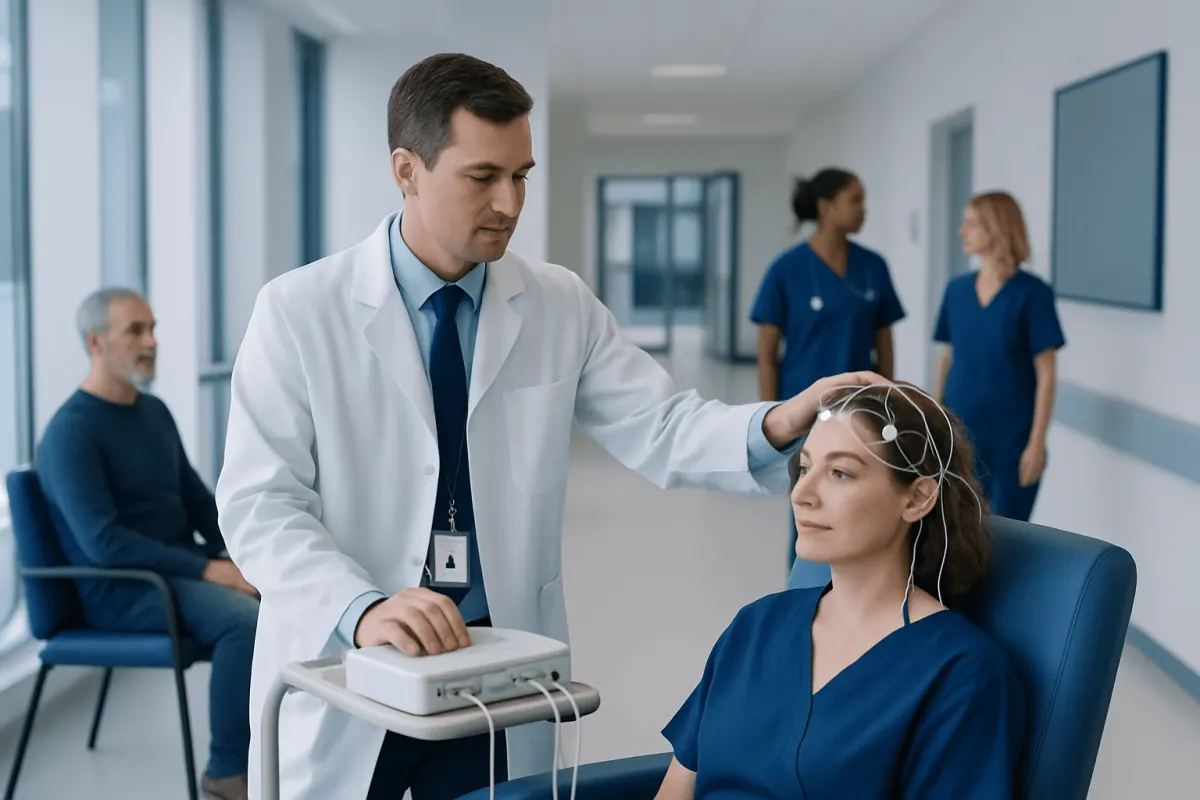
A neurophysiologist is a doctor who studies and tests how the nervous system functions. They help diagnose conditions affecting the brain, spinal cord, peripheral nerves, and muscles by using specialized electrical and physiological tests.
Overview: What a Neurophysiologist Does
A neurophysiologist is a physician with specialized training in how the nervous system functions. This includes the brain, spinal cord, peripheral nerves, muscles, and the electrical signals that allow them to communicate. While imaging tests such as MRI or CT scans show structure, neurophysiology focuses on function—how well these systems are actually working in real time.
In practice, a neurophysiologist evaluates symptoms that may come from problems with nerve signaling. They often assess people with seizures, fainting episodes, numbness, tingling, weakness, muscle twitching, sleep-related concerns, or suspected nerve injury. Their testing helps doctors confirm a diagnosis, understand the location of a problem, and guide treatment planning.
Clinical neurophysiologists usually work closely with neurologists, neurosurgeons, rehabilitation specialists, sleep specialists, and other clinicians. In some settings, the same doctor may be both a neurologist and a neurophysiologist. The aim is not only to identify disease, but also to distinguish between similar conditions that may need very different treatment approaches.
Which Conditions Can a Neurophysiologist Help Diagnose?
Neurophysiology testing is helpful in a wide range of nervous system disorders. It can support the diagnosis of epilepsy and other seizure disorders, peripheral neuropathy, carpal tunnel syndrome, nerve compression, radiculopathy, motor neuron disorders, myasthenia gravis, and various muscle diseases. It may also be used when doctors suspect problems affecting sensation, movement, balance, consciousness, or sleep.
Some symptoms can have several possible causes. For example, hand numbness may be related to a compressed nerve in the wrist, a pinched nerve in the neck, or a more generalized nerve disorder. Neurophysiology tests can help show where the problem lies and how severe it may be. This makes them an important part of accurate diagnosis and follow-up.
These evaluations may also be used during surgery to monitor nervous system function and help reduce the risk of injury to important nerve pathways. In children and adults alike, neurophysiology can provide information that complements a clinical examination and brain or spine imaging.
In many cases, the testing forms part of a broader neurological workup for conditions such as epilepsy, suspected neuropathy, or other disorders affecting the brain and nerves. The results are interpreted alongside symptoms, examination findings, and imaging or laboratory tests.
Common Tests Performed by a Neurophysiologist

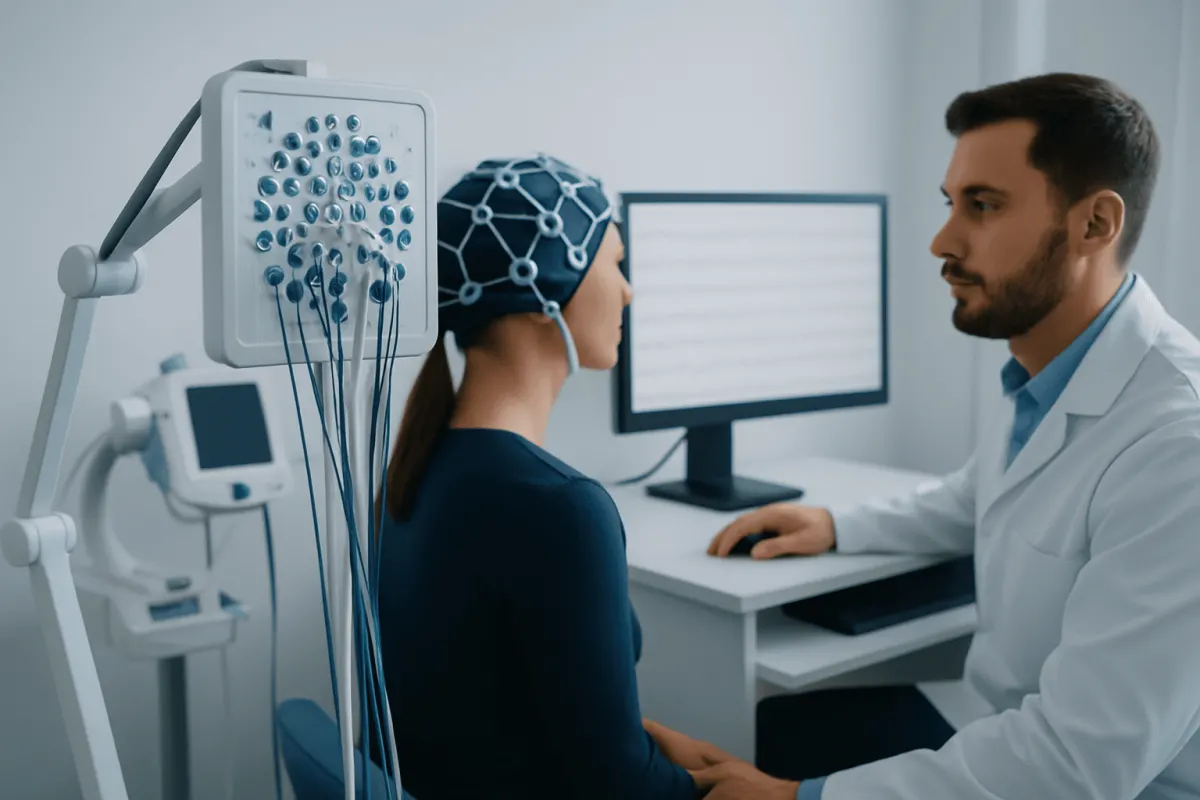
One of the most familiar neurophysiology tests is the electroencephalogram, or EEG. EEG records the brain’s electrical activity through small sensors placed on the scalp. It is commonly used when a person has seizures, staring spells, unexplained blackouts, or other events that may be related to abnormal brain activity. In some cases, longer recordings or sleep-deprived studies are needed.
Another important group of tests includes electromyography, or EMG, and nerve conduction studies. Nerve conduction studies assess how quickly and effectively electrical signals travel through peripheral nerves. EMG evaluates the electrical activity of muscles, usually using a very fine needle electrode. These tests are often requested for numbness, tingling, weakness, muscle cramps, or suspected nerve and muscle disorders.
Evoked potential tests measure how the nervous system responds to visual, auditory, or sensory stimulation. These tests can help assess pathways between the eyes, ears, skin, spinal cord, and brain. Depending on the situation, neurophysiologists may also perform sleep studies, autonomic testing, prolonged video EEG monitoring, or intraoperative monitoring during neurosurgery or spine surgery.
When appropriate, care may involve procedures and advanced neurological assessment linked to services such as electroencephalography (EEG), electromyography (EMG), or nerve conduction studies. The exact combination of tests depends on the person’s symptoms and the clinical question that needs answering.
What Happens During a Neurophysiology Appointment?
A neurophysiology appointment usually begins with a detailed review of symptoms, medical history, medications, and previous test results. The doctor may ask when symptoms started, whether they come and go, what makes them worse, and whether there is any family history of neurological or muscle disease. A focused neurological examination may also be performed.
The testing process depends on the type of study. EEG generally involves placing sensors on the scalp with a conductive paste or cap while the patient rests quietly or performs simple tasks such as opening and closing the eyes. Nerve conduction studies use small electrical impulses on the skin to stimulate nerves, while EMG may involve fine needles inserted into selected muscles to record activity.
Most neurophysiology tests are performed as outpatient procedures and do not require sedation. Some may cause brief discomfort, especially nerve stimulation or needle EMG, but they are usually well tolerated. The team explains each step in advance so the patient knows what to expect and can ask questions if they feel anxious.
After the test, the recordings are analyzed by a trained specialist. The final report is then shared with the referring doctor, who explains how the findings fit with symptoms and whether further tests or treatment are needed. In some cases, repeated testing is used later to monitor progression or recovery.
How Neurophysiology Helps Guide Treatment
Neurophysiology does not just identify whether a problem exists; it often helps determine the best next step in care. For example, testing may show whether weakness is coming from a muscle disorder, a peripheral nerve problem, a nerve root in the spine, or the brain. This distinction matters because treatment may range from medication and physical therapy to surgery or longer-term neurological follow-up.
EEG findings can support decisions about seizure diagnosis and anti-seizure treatment. EMG and nerve conduction studies can help confirm entrapment neuropathies, generalized neuropathies, motor neuron conditions, or disorders of the neuromuscular junction. In rehabilitation settings, these results may also help estimate recovery patterns after nerve injury.
For patients undergoing brain or spine procedures, intraoperative neurophysiological monitoring can help the surgical team track nerve pathway function during the operation. This may be particularly useful in selected complex surgeries. When surgery is part of the treatment plan, patients may also be assessed alongside teams involved in neurosurgery or other neurological care.
Because symptoms of nervous system disorders can overlap, neurophysiology is often one part of coordinated care. A neurophysiologist’s interpretation is most valuable when combined with examination findings, imaging, blood tests, and the expertise of the wider multidisciplinary team.
When Someone May Be Referred to a Neurophysiologist
A referral may be suggested when symptoms point to a possible problem with nerve or brain function. Common reasons include ongoing numbness, tingling, burning pain, unexplained weakness, muscle wasting, twitching, episodes of loss of consciousness, suspected seizures, memory-related events, abnormal movements, or symptoms that suggest disrupted sleep regulation.
People are also commonly referred when routine tests have not fully explained their symptoms. Someone may have a normal scan but still experience clear signs of a functional nerve problem. In these cases, neurophysiology can add important information that imaging alone may not provide.
Urgency depends on the symptom pattern. Sudden weakness, rapidly worsening symptoms, new seizures, severe confusion, or breathing and swallowing problems need prompt medical assessment. A referral to neurophysiology may then form part of the hospital or specialist evaluation.
Patients should remember that being referred for neurophysiology testing does not necessarily mean a serious neurological disorder is present. Very often, the purpose is to clarify the cause of symptoms, rule out certain conditions, and help the care team choose the most suitable treatment path.
Preparing for Tests and Questions to Ask
Preparation varies by test, so patients should follow the instructions given by their healthcare team. For EEG, they may be asked to arrive with clean hair and avoid hair sprays, gels, or oils. For EMG and nerve conduction studies, it is often helpful to avoid applying lotions or creams to the skin on the day of testing. The team should also be informed about pacemakers, implanted devices, blood thinners, and any bleeding disorders.
Before the appointment, it can be useful to write down symptoms, when they occur, and any triggers. Bringing a medication list and copies of previous neurological tests can save time. If episodes such as blackouts or unusual movements are being investigated, a witness description or video recorded safely at home may sometimes be helpful for the doctor.
Good questions to ask include what the test is looking for, whether it will be uncomfortable, how long it will take, and when results are expected. Patients can also ask whether they should continue taking their regular medications beforehand. Clear communication can make the experience easier and less stressful.
In specialized centers, evaluation may be provided by multidisciplinary teams. Acıbadem Health Point’s specialists in neurophysiology, neurology, and related fields at JCI-accredited hospitals diagnose and treat neurological conditions for international patients, with testing tailored to each person’s symptoms and clinical needs.
Frequently asked questions
01Is a neurophysiologist the same as a neurologist?
Not always. A neurologist diagnoses and treats disorders of the nervous system broadly, while a neurophysiologist has additional expertise in tests that measure nerve, muscle, and brain function. In some cases, one doctor may be trained in both fields.
02Does a neurophysiologist perform surgery?
A neurophysiologist usually does not perform surgery. Their main role is to evaluate nervous system function and interpret specialized tests. They may, however, assist surgical teams by monitoring nerve and brain pathways during certain operations.
03Are EEG and EMG painful?
EEG is generally painless because it records activity from sensors placed on the scalp. EMG can cause some temporary discomfort because it may involve a fine needle placed into the muscle, and nerve conduction studies involve small electrical pulses. Most people tolerate these tests well, and the discomfort is brief.
04Why would someone need nerve conduction studies?
Nerve conduction studies are used when symptoms suggest a peripheral nerve problem. Examples include numbness, tingling, burning pain, weakness, or suspected nerve compression such as carpal tunnel syndrome. The test helps show how well electrical signals travel through the nerves.
05Can neurophysiology tests diagnose epilepsy?
Neurophysiology tests, especially EEG, can provide important evidence that supports the diagnosis of epilepsy. However, diagnosis is usually based on a combination of medical history, witness descriptions, examination, and sometimes imaging. A normal EEG does not always rule epilepsy out.
06How long does it take to get results?
This depends on the type of test and the center performing it. Some preliminary information may be available soon after the study, but the full interpretation usually requires review by a specialist. The referring doctor then discusses the results in the context of the person's symptoms and next steps.
This article is for general information only and is not a substitute for professional medical advice. Please consult a qualified doctor about your individual situation.
Joint and spine care in Turkey — expert assessment & treatment
JCI-accredited · board-certified surgeons · reply within 24h
Add us as a Preferred Source to see more of our trusted health content across Google Search, AI Overviews and Discover.