What Does a Neurophysiologist Do? Roles in Diagnosis, Monitoring, and Care

A neurophysiologist is a specialist who evaluates how the brain, spinal cord, nerves, and muscles are working. Their role is to help diagnose neurological conditions, monitor nervous system function during care, and support safe, informed treatment decisions.
Overview: What a Neurophysiologist Does
A neurophysiologist is a doctor or highly trained specialist who studies how the nervous system functions in real time. This includes the brain, spinal cord, peripheral nerves, muscles, and the electrical signals that pass between them. While scans such as MRI or CT show structure, neurophysiology focuses on function—how well nerves and brain cells are actually working.
In clinical practice, a neurophysiologist helps assess symptoms such as seizures, numbness, tingling, muscle weakness, fainting spells, abnormal movements, sleep-related events, and unexplained pain. They use specialized tests to record electrical activity or measure the speed and strength of nerve signals. These findings can help clarify whether symptoms come from the brain, spinal pathways, nerves, muscles, or the junction between nerve and muscle.
Neurophysiologists often work closely with neurologists, neurosurgeons, orthopedic surgeons, rehabilitation teams, sleep specialists, and pediatric teams. Their input can be important before treatment, during treatment, and in follow-up care. In many cases, they provide key information that helps the wider medical team choose the safest and most appropriate next step.
Where Neurophysiologists Work and Who They Help
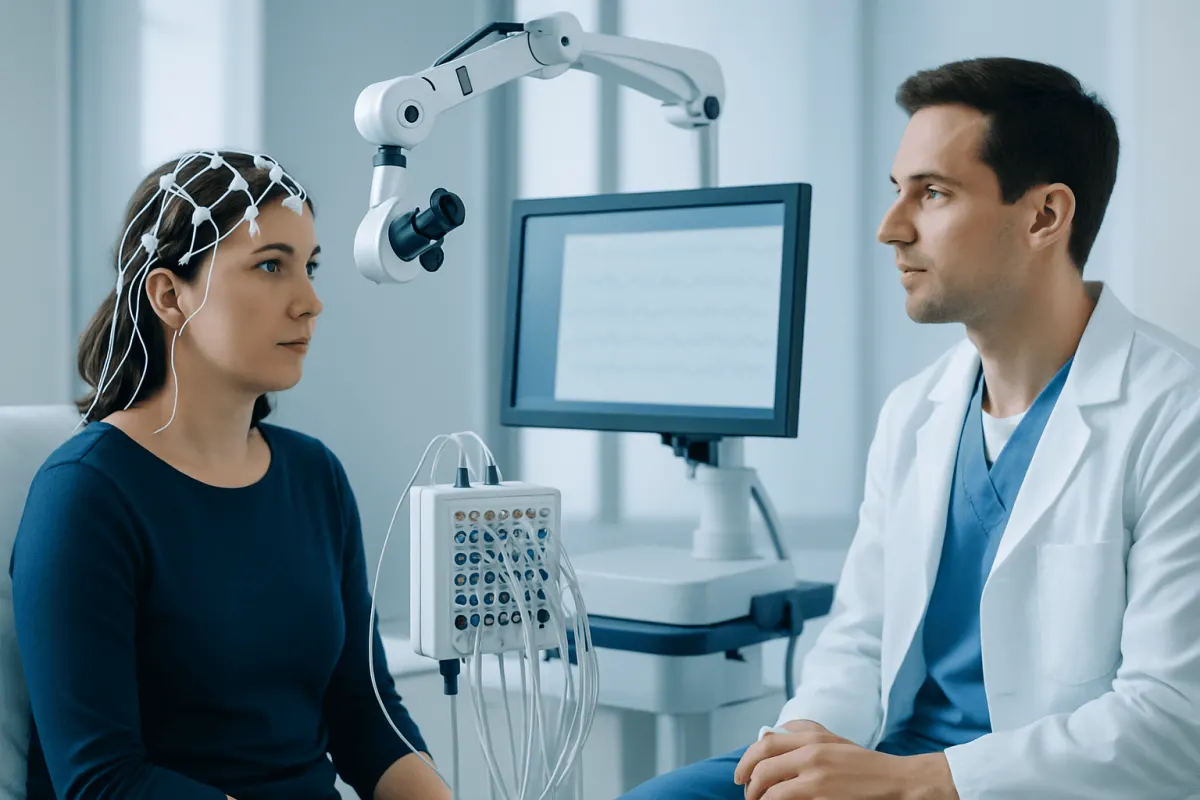
Neurophysiologists work in hospitals, outpatient clinics, sleep laboratories, epilepsy centers, intensive care units, and operating rooms. Some mainly interpret test results, while others both perform and interpret studies. Their work is highly collaborative, and they are often involved when symptoms are complex or when diagnosis is not clear from examination and imaging alone.
They care for adults and children with a wide range of concerns. These may include suspected epilepsy, nerve compression, neuropathy, muscle disorders, neuromuscular junction disorders, spinal cord problems, movement disorders, and sleep-related neurological symptoms. In critical care, they may monitor brain function in patients with altered consciousness. During surgery, they may help watch the integrity of important nerve pathways.
For patients, this means a neurophysiologist is usually not the first professional seen for a symptom, but an important specialist who helps answer more detailed questions. Their testing can confirm a diagnosis, narrow down likely causes, measure severity, or show whether a condition is improving or progressing over time.
Common Tests Used in Clinical Neurophysiology
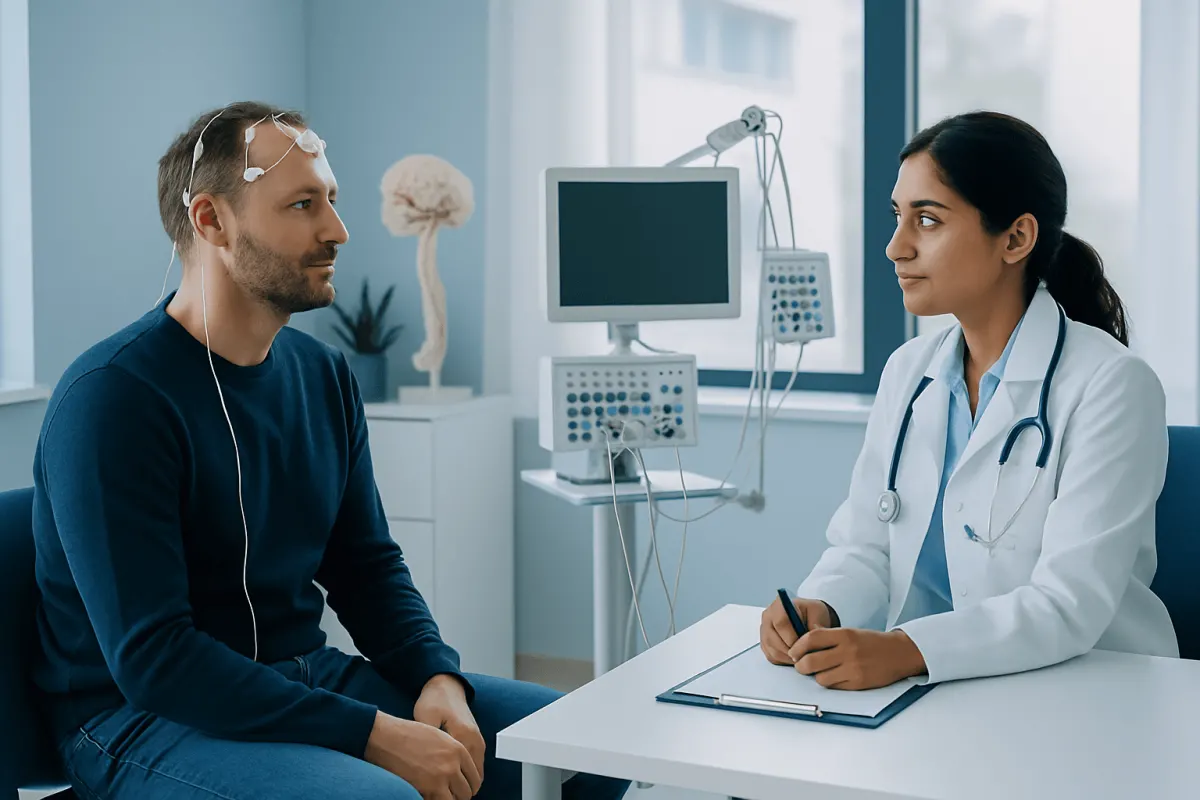
Neurophysiologists use several well-established tests. The most familiar is the electroencephalogram, or EEG, which records the brain’s electrical activity through small sensors placed on the scalp. EEG is commonly used when there is concern about seizures, episodes of altered awareness, unusual movements, or some sleep-related events. Depending on the situation, testing may be brief, prolonged, done during sleep, or combined with video recording.
Another key area is electromyography and nerve conduction studies, often called EMG and NCS. Nerve conduction studies measure how fast and how strongly nerves carry electrical signals. EMG evaluates the electrical activity of muscles using a fine recording needle. Together, these tests help investigate numbness, weakness, muscle cramps, tingling, and possible nerve injury or compression, such as carpal tunnel syndrome.
Neurophysiologists may also perform evoked potential studies. These tests measure how the nervous system responds to visual, auditory, or sensory stimulation and can help assess pathways between the sense organs and the brain. In sleep medicine, some neurophysiological methods are used as part of broader sleep evaluation. In surgery, intraoperative neurophysiological monitoring can track nerve and spinal cord function in real time during procedures such as brain surgery or spine surgery.
- EEG: evaluates brain electrical activity
- EMG: assesses muscle electrical activity
- Nerve conduction studies: test peripheral nerve function
- Evoked potentials: assess specific sensory pathways
- Intraoperative monitoring: helps protect nerve pathways during surgery
How Neurophysiology Helps with Diagnosis
One of the neurophysiologist’s most important roles is helping make an accurate diagnosis. Symptoms involving the nervous system can overlap. For example, weakness may come from a muscle disorder, a peripheral nerve problem, a pinched nerve root in the spine, a problem at the nerve-muscle junction, or a disorder affecting the brain or spinal cord. Neurophysiological testing helps localize where the problem is most likely to be.
These tests can also help distinguish between conditions that may appear similar. A person with tingling in the hands may have a trapped nerve at the wrist, a neck-related nerve root problem, or a generalized neuropathy. Someone with brief staring spells may have epilepsy, fainting, a sleep disorder, or another non-epileptic event. Test results are interpreted alongside the person’s symptoms, examination, imaging, and medical history.
In many neurological conditions, diagnosis is not based on one test alone. Neurophysiology adds a functional layer of information that complements scans and blood work. This can be particularly helpful in conditions such as suspected epilepsy, peripheral neuropathy, radiculopathy, motor neuron disorders, and some forms of myopathy. It may also be used to support follow-up when doctors need to track change over time.
Monitoring During Treatment and Surgery
Neurophysiologists are not only involved in diagnosis. They also play an important role in monitoring patients during treatment. In hospital settings, continuous or repeated EEG monitoring may be used for patients with suspected ongoing seizure activity, altered consciousness, or severe brain illness. This can provide valuable information when symptoms are difficult to observe directly.
During certain operations, intraoperative neurophysiological monitoring helps the surgical team understand whether important nerve pathways remain intact. Depending on the procedure, this may involve monitoring the brain, spinal cord, cranial nerves, or limb pathways. The purpose is to detect changes quickly so the team can respond if needed. This is especially relevant in some neurosurgery and complex spine procedures.
Monitoring can also help guide longer-term care. Repeated studies may show whether a neuropathy is stable or worsening, whether a compressed nerve is recovering, or whether treatment is reducing seizure-related abnormalities. Although these tests do not replace clinical judgment, they can provide objective data that supports decisions about medication, rehabilitation, surgery, and follow-up timing.
What Patients Can Expect During a Neurophysiology Visit
A neurophysiology appointment usually begins with a review of symptoms, medical history, medicines, and any previous scans or blood tests. The specialist may ask detailed questions about when symptoms happen, what brings them on, and whether there are triggers such as sleep loss, position, activity, or stress. This helps them choose the most appropriate test and interpret the results accurately.
Most neurophysiology tests are outpatient procedures. EEG is generally painless, though the scalp sensors and recording process may feel unfamiliar. Nerve conduction studies involve small electrical pulses, which can be briefly uncomfortable but are usually well tolerated. EMG uses a fine needle to record muscle activity, which may cause temporary discomfort. The team usually explains each step clearly before starting.
Preparation depends on the test. Patients may be asked to arrive with clean hair for EEG, avoid certain skin creams before nerve studies, or follow instructions about sleep, caffeine, or medications. Results may be discussed immediately in some settings, but in many cases the final interpretation is shared with the referring doctor, who then explains how the findings fit into the wider care plan.
Training, Teamwork, and When Referral Is Helpful
Neurology: What Is the Difference?" class="ahp-ilk">Clinical neurophysiology is a specialized field that requires advanced training in nervous system disorders and diagnostic testing. In many healthcare systems, neurophysiologists are physicians with background training in neurology or a related specialty, followed by focused education in test performance and interpretation. Highly trained allied professionals may also support testing under physician oversight, depending on the service and country.
Because nervous system symptoms can affect many parts of the body and overlap with other conditions, teamwork is central to this specialty. Neurophysiologists often collaborate with experts in neurology, neurosurgery, rehabilitation, orthopedics, pediatrics, and sleep medicine. Their findings are most useful when considered together with examination, imaging, laboratory tests, and the patient’s full clinical picture.
Referral to a neurophysiologist may be helpful when there are unexplained blackouts, possible seizures, persistent numbness or tingling, muscle weakness, suspected nerve entrapment, abnormal movements, sleep-related episodes, or a need for surgical monitoring. Near the end of the care pathway, some patients may also seek evaluation at specialized centers. Acıbadem Health Point’s multidisciplinary specialists and JCI-accredited hospitals diagnose and treat neurological conditions for international patients when advanced assessment is needed.
When to Seek Medical Advice
People should consider medical evaluation if they have new or persistent neurological symptoms such as repeated fainting or blackout episodes, suspected seizures, weakness, numbness, burning pain, loss of balance, muscle twitching, or unexplained changes in sensation. These symptoms do not always indicate a serious problem, but they do deserve proper assessment, especially if they are getting worse or interfering with daily life.
Urgent medical attention is important for sudden weakness on one side, sudden trouble speaking, sudden severe confusion, a first prolonged seizure, loss of consciousness with injury, or symptoms that appear after significant head or spine trauma. These situations may need emergency evaluation rather than a routine specialist referral.
For non-emergency concerns, a primary care doctor, neurologist, or other specialist can decide whether neurophysiological testing is appropriate. Early assessment can often shorten the path to diagnosis, reduce uncertainty, and help guide the next steps in treatment or monitoring in a structured, evidence-based way.
Frequently asked questions
01Is a neurophysiologist the same as a neurologist?
Not exactly. A neurologist diagnoses and treats disorders of the nervous system more broadly, while a neurophysiologist focuses on testing and interpreting how the nervous system is functioning. Many neurophysiologists have neurology training, but their day-to-day role is more specialized.
02Why would someone be referred to a neurophysiologist?
A referral is often made when symptoms need more detailed functional testing. Common reasons include suspected seizures, numbness, tingling, weakness, nerve compression, abnormal movements, or unexplained episodes such as blackouts.
03Are EEG and EMG painful?
EEG is usually painless because it records signals from sensors placed on the scalp. EMG can cause brief discomfort because it uses a fine needle in the muscle, and nerve conduction studies involve small electrical pulses. Most people tolerate these tests well.
04Can neurophysiology tests diagnose every neurological condition?
No. These tests are very useful, but they are only one part of diagnosis. Doctors interpret them together with symptoms, physical examination, imaging, and other investigations.
05What is intraoperative neurophysiological monitoring?
It is a method used during certain surgeries to track the function of nerves, the spinal cord, or brain pathways in real time. The goal is to alert the surgical team if important signals change, helping protect nervous system function when possible.
06How should a patient prepare for a neurophysiology test?
Preparation depends on the specific test. Patients may be asked to wash their hair before an EEG, avoid lotions before nerve testing, or follow instructions about sleep or medicines. The clinic usually provides clear guidance in advance.
This article is for general information only and is not a substitute for professional medical advice. Please consult a qualified doctor about your individual situation.
Joint and spine care in Turkey — expert assessment & treatment
JCI-accredited · board-certified surgeons · reply within 24h
Add us as a Preferred Source to see more of our trusted health content across Google Search, AI Overviews and Discover.