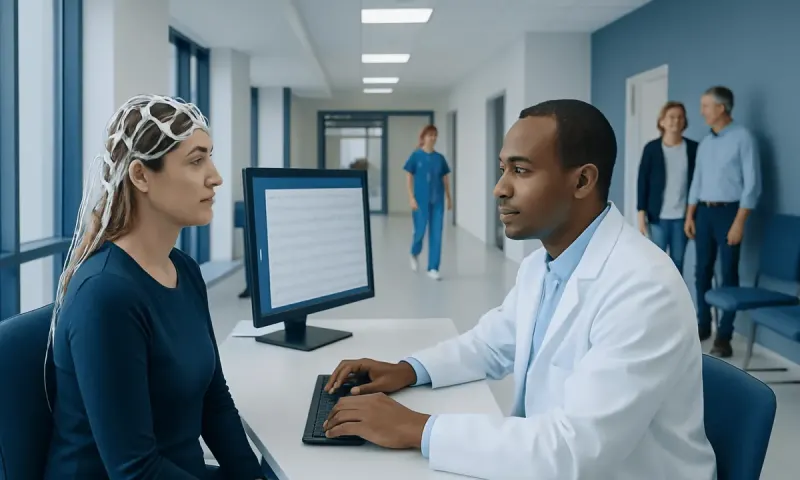
What Does a Neurophysiologist Do? Tests, Training, and Role in Diagnosis

A neurophysiologist is a specialist who evaluates how the brain, spinal cord, nerves, and muscles work. By using tests such as EEG, EMG, and nerve conduction studies, this specialist helps doctors diagnose and monitor many neurological conditions.
Overview: What a Neurophysiologist Does
A neurophysiologist is a medical specialist who studies the function of the nervous system. This includes the brain, spinal cord, peripheral nerves, muscles, and sometimes sleep-related brain activity. While scans such as MRI or CT show structure, neurophysiology tests show how well the nervous system is working in real time.
In clinical practice, a neurophysiologist helps diagnose, confirm, or monitor disorders that affect electrical activity in the brain and nerves. These may include epilepsy, nerve compression, neuropathy, muscle disease, movement disorders, and some sleep conditions. The specialist interprets test results and explains how they fit with symptoms, examination findings, and imaging.
Neurophysiologists often work as part of a broader care team. They may collaborate with specialists in neurology, neurosurgery, rehabilitation, intensive care, pediatrics, and sleep medicine. Their role is especially important when symptoms such as weakness, numbness, seizures, fainting, muscle twitching, or unusual episodes need further clarification.
What Is Clinical Neurophysiology?
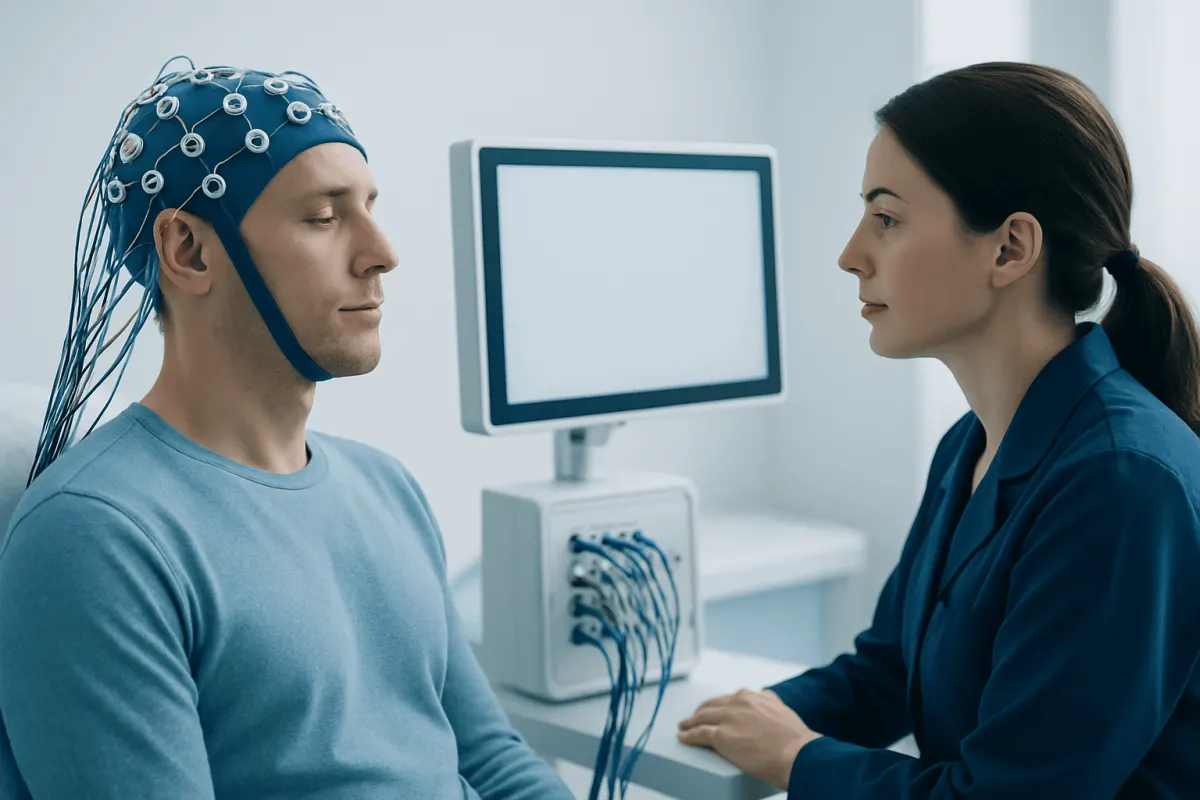
Clinical neurophysiology is the branch of medicine that evaluates electrical signals in the nervous system. Nerve cells and muscles communicate through electrical impulses, and changes in these signals can provide useful clues about disease. A neurophysiologist records, measures, and interprets this activity using specialized equipment.
This field covers several different types of testing. Some tests focus on the brain, such as electroencephalography (EEG). Others focus on nerves and muscles, such as electromyography (EMG) and nerve conduction studies. Additional tools, such as evoked potentials or sleep studies, may be used when symptoms suggest a problem in sensory pathways, sleep regulation, or specific parts of the nervous system.
Clinical neurophysiology is often used when symptoms are difficult to explain by routine examination alone. For example, a person may have tingling in the hands, unexplained weakness, spells that may be seizures, or daytime sleepiness with suspected abnormal sleep patterns. Neurophysiology can help separate one condition from another and guide the next step in care.
Common Tests Performed by a Neurophysiologist
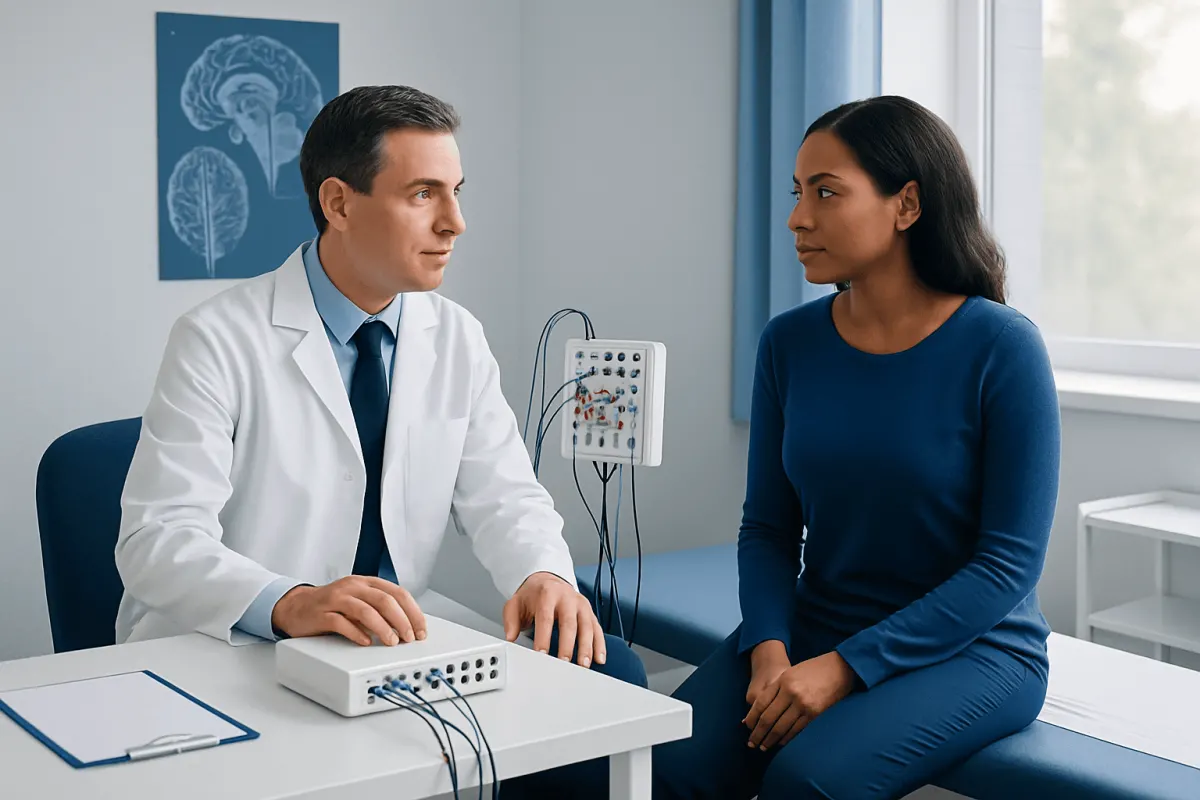
The tests a neurophysiologist performs depend on the symptoms and the part of the nervous system being assessed. Some tests are recorded directly by the specialist, while others may be carried out by trained technologists and then carefully interpreted by the neurophysiologist. Results are combined with a person’s medical history and examination.
Common neurophysiology tests include:
- EEG: Records the brain’s electrical activity through small sensors placed on the scalp. It is often used when seizures, epilepsy, fainting episodes, or altered awareness are being evaluated.
- EMG: Assesses muscle activity and can help detect nerve or muscle disorders. Fine electrodes are used to evaluate how muscles respond at rest and during movement.
- Nerve conduction studies: Measure how quickly and effectively electrical signals travel through peripheral nerves. These tests are commonly used for numbness, tingling, weakness, or suspected nerve compression.
- Evoked potentials: Measure how the brain responds to visual, auditory, or sensory stimulation. They may help assess pathways affected by certain neurological disorders.
- Sleep-related neurophysiology tests: These may be used when sleep disorders, unusual nighttime behaviors, or excessive daytime sleepiness are suspected.
In some settings, neurophysiologists also contribute to intraoperative monitoring during surgery. This means they help monitor nerve or spinal cord function while an operation is taking place, with the aim of supporting surgical safety. When needed, patients may also be referred for related assessments such as EEG testing, EMG, or a nerve conduction study.
Symptoms and Conditions They Help Diagnose
People are often referred to a neurophysiologist because they have symptoms that suggest a problem with the brain, nerves, or muscles. These symptoms can be occasional or persistent, mild or more disruptive. Neurophysiology testing helps identify whether the issue is related to electrical brain activity, nerve damage, muscle disease, or another neurological process.
Examples of symptoms that may lead to referral include unexplained fainting spells, episodes of staring or shaking, numbness, tingling, burning pain, muscle cramps, weakness, facial twitching, balance problems, or unusual movements. Sleep-related symptoms such as excessive sleepiness, sudden muscle weakness with emotion, or unusual behaviors during sleep may also prompt testing.
Conditions commonly evaluated through neurophysiology include epilepsy, peripheral neuropathy, carpal tunnel syndrome, radiculopathy, motor neuron disorders, myopathies, and some neuromuscular junction disorders. Neurophysiology may also help in the assessment of sleep disorders when brain activity, breathing, movement, or arousal patterns need closer review.
It is important to remember that these tests do not always provide a diagnosis on their own. A normal or abnormal result is interpreted in context. The neurophysiologist’s expertise lies in connecting the test findings with the person’s symptoms, physical examination, imaging, and overall medical history.
Training and Expertise of a Neurophysiologist
A clinical neurophysiologist is usually a medical doctor who has completed training in medicine and then specialized further, most often through neurology or a closely related discipline. After core specialty training, additional focused education is completed in neurophysiology. This advanced training covers the technical performance of tests, detailed interpretation, and the diagnosis of disorders affecting the nervous system.
Because the field is highly specialized, neurophysiologists develop expertise in recognizing subtle patterns in electrical recordings. For example, interpreting an EEG requires understanding normal brain wave patterns across different ages and states such as wakefulness and sleep. Similarly, interpreting EMG and nerve conduction studies requires detailed knowledge of peripheral nerve anatomy, muscle function, and common disease patterns.
Many neurophysiologists focus on particular areas of practice, such as epilepsy monitoring, neuromuscular disease, pediatric neurophysiology, sleep studies, or intraoperative monitoring. They also work closely with technologists, neurologists, rehabilitation physicians, and other specialists to ensure that test findings are accurate, clinically useful, and patient-centered.
What to Expect During Diagnosis and Testing
Most neurophysiology tests are done as outpatient procedures, meaning the person can usually go home the same day. Before testing, the neurophysiologist or care team reviews symptoms, medical history, medications, and any prior scans or reports. Instructions vary by test and may include washing the hair before an EEG or avoiding lotions before nerve and muscle testing.
During an EEG, small electrodes are placed on the scalp to record brain activity. The test is painless, although the adhesive and setup may feel unfamiliar. During nerve conduction studies, mild electrical pulses are used to stimulate nerves, which can cause brief discomfort. During EMG, a fine needle electrode is inserted into selected muscles to assess their electrical activity; this may cause temporary soreness but is generally manageable.
Some tests require rest, repeated movements, light stimulation, or a period of wakefulness or sleep. The length of testing depends on the reason for referral and the type of study being performed. In selected situations, a doctor may recommend longer monitoring, such as video EEG, if symptoms are infrequent or need more detailed evaluation.
After the test, the neurophysiologist analyzes the recordings and prepares a report. Results may be available quickly in some cases, while more complex studies can take longer to interpret. If further treatment is needed, next steps may include follow-up with a neurologist, rehabilitation support, medication review, or additional testing such as video EEG monitoring.
Benefits, Limits, and Safety of Neurophysiology Tests
Neurophysiology tests can provide valuable information that cannot be seen on routine imaging alone. They may help confirm a diagnosis, show the severity of nerve or muscle involvement, identify whether a problem is improving or worsening, and guide treatment planning. In some cases, they can also help avoid unnecessary treatments by showing that symptoms are not caused by a particular nerve or muscle disorder.
These tests also have limitations. A result may be normal even when symptoms are real, especially if the abnormality is intermittent or very early in its course. Some findings are not specific to a single disease, which is why interpretation by an experienced specialist is important. The test answers a focused clinical question rather than replacing a full neurological evaluation.
In general, neurophysiology testing is considered safe. EEG involves recording only and does not send electricity into the brain. Nerve conduction studies use low-level electrical stimulation, and EMG involves small needles, so mild discomfort, bruising, or short-lived soreness can occur. Patients taking blood thinners, those with implanted devices, or those with skin infections should tell the care team beforehand so appropriate precautions can be taken.
When to See a Doctor and How Specialist Care Helps
A person should consider medical evaluation if they have unexplained episodes of loss of awareness, repeated fainting, new weakness, numbness, persistent tingling, muscle wasting, unusual movements, or symptoms that interfere with sleep and daily life. These signs do not always mean a serious neurological condition, but they do deserve proper assessment, especially if they are new, worsening, or recurring.
Urgent medical attention is important for sudden weakness on one side, prolonged seizures, severe confusion, new trouble speaking, or sudden changes in consciousness. These symptoms may require emergency care rather than routine neurophysiology testing. Early assessment can help doctors decide whether immediate treatment or specialist referral is needed.
For ongoing or complex symptoms, multidisciplinary care is often helpful. Neurophysiologists work with neurologists, sleep specialists, rehabilitation experts, and surgeons to build a clearer diagnosis and treatment plan. Near the end of the diagnostic process, some patients benefit from care at specialized centers; Acıbadem Health Point’s multidisciplinary specialists and JCI-accredited hospitals diagnose and treat neurological and neurophysiological conditions for international patients.
Preparing for an appointment can make the visit more useful. Bringing a symptom diary, a list of medications, previous test reports, and details about when episodes occur can help the specialist choose the most appropriate test. Clear communication between the patient, referring doctor, and neurophysiologist supports more accurate diagnosis and better follow-up care.
Frequently asked questions
01Is a neurophysiologist the same as a neurologist?
Not exactly. A neurologist diagnoses and treats disorders of the nervous system more broadly, while a neurophysiologist focuses on testing and interpreting how the nervous system functions electrically. Many clinical neurophysiologists are also trained in neurology, so their roles can overlap.
02What is the difference between EEG and EMG?
EEG records electrical activity in the brain through sensors placed on the scalp. EMG evaluates electrical activity in muscles and helps show whether symptoms are related to muscles, nerves, or the connection between them. The two tests answer different clinical questions.
03Are neurophysiology tests painful?
Most neurophysiology tests are well tolerated, though some can cause mild temporary discomfort. EEG is painless, while nerve conduction studies feel like brief electrical pulses and EMG may cause short-lived soreness from fine needle electrodes. The care team usually explains each step to make the process more comfortable.
04Why would someone be referred to a neurophysiologist?
A referral may be made when symptoms suggest a problem with the brain, nerves, muscles, or sleep-related brain activity. Common reasons include seizures, fainting episodes, numbness, tingling, weakness, muscle twitching, or suspected sleep disorders. The goal is to get more precise information to support diagnosis and treatment.
05How should a patient prepare for an EEG or EMG?
Preparation depends on the test. For an EEG, clean hair without oils or styling products is often recommended, while for EMG and nerve conduction studies it may help to avoid lotions on the skin. Patients should also tell the doctor about medications, implanted devices, bleeding disorders, or blood-thinning treatment.
06Can neurophysiology tests diagnose a condition by themselves?
Usually, they are one part of the diagnostic process rather than the only answer. A neurophysiologist interprets the results together with symptoms, examination findings, and imaging when needed. This combined approach helps improve accuracy and avoids relying on a single test result alone.
This article is for general information only and is not a substitute for professional medical advice. Please consult a qualified doctor about your individual situation.
Joint and spine care in Turkey — expert assessment & treatment
JCI-accredited · board-certified surgeons · reply within 24h
Add us as a Preferred Source to see more of our trusted health content across Google Search, AI Overviews and Discover.