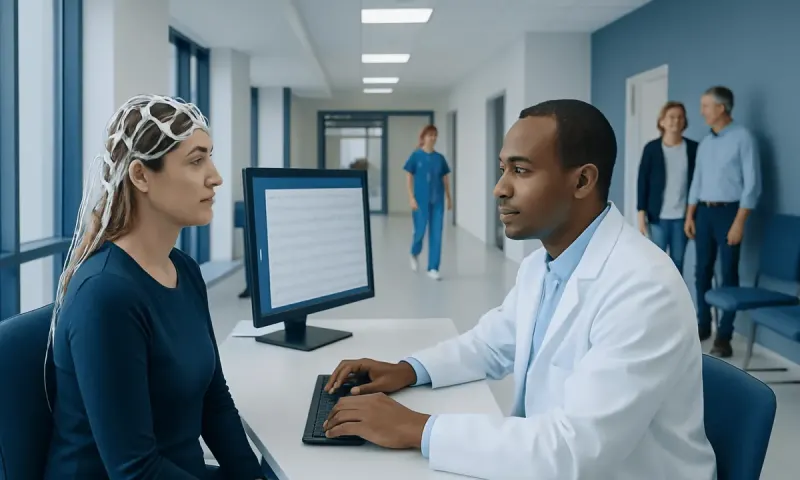
What Does a Neurophysiologist Do and When Might You Need One?

A neurophysiologist is a specialist who studies how the nervous system works and uses targeted tests to assess the brain, spinal cord, peripheral nerves, and muscles. People may be referred to a neurophysiologist when symptoms such as seizures, numbness, weakness, tingling, muscle problems, or sleep-related concerns need further evaluation.
Overview: What a Neurophysiologist Does
A neurophysiologist is a doctor or highly specialized clinician who evaluates how the nervous system functions. This includes the brain, spinal cord, peripheral nerves, and muscles. While imaging tests such as MRI or CT scans show anatomy and structure, neurophysiology focuses on electrical activity and signal transmission, helping doctors understand how well these systems are working in real time.
In practice, a neurophysiologist performs or interprets tests that can detect abnormal brain waves, nerve damage, muscle disorders, and communication problems between nerves and muscles. These findings can be important when symptoms are not fully explained by a physical examination alone. Neurophysiology often supports the work of neurologists, neurosurgeons, rehabilitation specialists, sleep specialists, and pediatric teams.
This specialty is often involved in diagnosing conditions linked to seizures, nerve compression, neuropathy, muscle disease, movement symptoms, and certain sleep disorders. A neurophysiologist may also help monitor existing neurological conditions over time, showing whether a disorder is stable, improving, or progressing.
Some neurophysiologists also work in operating rooms, where they monitor nerve and brain function during surgery. This is called intraoperative neurophysiological monitoring and can help surgical teams protect important neural pathways during procedures involving the brain, spine, or peripheral nerves.
Symptoms and Situations That May Lead to Referral

People are usually referred to a neurophysiologist because they have symptoms that suggest a problem with the nervous system. These symptoms can vary widely depending on whether the issue affects the brain, spinal cord, nerves, or muscles. In many cases, neurophysiology testing helps clarify the cause when symptoms are persistent, unclear, or affecting daily life.
Common reasons for referral include episodes that may be seizures, unexplained fainting or blackouts, ongoing numbness or tingling, muscle weakness, muscle twitching, burning pain, or suspected nerve entrapment such as carpal tunnel syndrome. People with balance problems, abnormal sensations, or symptoms after an injury may also be assessed.
A neurophysiologist may also be involved when someone has possible sleep-related neurological symptoms, such as unusual movements during sleep or daytime sleepiness that requires further testing. Children may be referred for developmental concerns, seizure-like episodes, or suspected nerve and muscle disorders.
- Recurrent seizures or episodes of altered awareness
- Numbness, tingling, burning, or reduced sensation
- Muscle weakness, cramps, twitching, or wasting
- Neck or back-related symptoms affecting the limbs
- Suspected nerve compression or peripheral neuropathy
- Sleep-related movement or breathing concerns
Conditions a Neurophysiologist Helps Assess

Neurophysiology does not replace a full neurological evaluation, but it plays a major role in confirming or narrowing down possible diagnoses. Depending on the symptoms and the test results, a neurophysiologist may help identify disorders affecting the brain’s electrical activity, the spinal pathways, peripheral nerves, or muscle tissue.
For example, an electroencephalogram can support the evaluation of suspected epilepsy or other seizure disorders. Nerve conduction studies and electromyography can help assess peripheral nerve problems, nerve root irritation, muscle disease, or disorders of the nerve-muscle junction. Evoked potential studies can examine how sensory signals travel through the nervous system.
These tests may contribute to the assessment of conditions such as epilepsy, peripheral neuropathy, carpal tunnel syndrome, radiculopathy, myopathy, motor neuron disorders, and some demyelinating diseases. They may also be used as part of the workup for unexplained weakness, facial nerve symptoms, or suspected spinal cord pathway problems.
In some cases, neurophysiology is used to monitor a known condition rather than establish a first diagnosis. Repeated testing may show whether a condition is changing over time and can guide treatment decisions together with the patient’s symptoms, examination findings, imaging, and laboratory results.
Common Neurophysiology Tests and What They Show
The most appropriate test depends on the person’s symptoms. One of the best-known tests is the electroencephalogram, or EEG, which records electrical activity in the brain through small sensors placed on the scalp. EEG is commonly used when seizures are suspected, but it can also be helpful in evaluating other episodes involving altered awareness or unusual movements.
Electromyography, or EMG, and nerve conduction studies are often used together. Nerve conduction studies measure how quickly and effectively nerves carry electrical signals. EMG assesses muscle activity using a very fine needle electrode placed into selected muscles. These tests can help distinguish whether symptoms are caused by a nerve problem, a muscle disorder, or an issue affecting the connection between the nerve and the muscle.
Other tests include evoked potentials, which measure how the nervous system responds to visual, auditory, or sensory stimulation. Sleep studies may be recommended when doctors need to evaluate sleep-related breathing problems, unusual nighttime behaviors, or excessive daytime sleepiness. In surgical settings, intraoperative monitoring may be used to protect neural function during procedures such as spine surgery or brain surgery.
Although these tests may sound complex, they are generally well tolerated. Some are entirely noninvasive, while others involve mild temporary discomfort. The healthcare team usually explains how to prepare, what sensations to expect, and how long the test will take.
How Diagnosis Is Made and What to Expect at the Visit
A neurophysiology assessment usually begins with a detailed history. The specialist or referring team will want to know when symptoms started, how often they happen, what makes them better or worse, and whether there are patterns such as nighttime episodes, activity-related symptoms, or associated pain. Past medical history, medications, family history, and previous scans or blood tests can all be relevant.
The neurophysiologist then selects the most suitable test or combination of tests. This decision is based on the symptom pattern and the suspected location of the problem within the nervous system. For example, numbness in the hands may lead to nerve conduction studies, while blackout episodes may lead to EEG. Sometimes more than one test is needed for a clearer picture.
Test results are interpreted together with the clinical findings rather than in isolation. An abnormal result may confirm a diagnosis, but a normal result can also be useful by ruling out certain causes. In some situations, follow-up with a neurologist, neurosurgeon, rehabilitation specialist, or sleep physician is recommended to complete the evaluation.
Patients are often advised to ask practical questions before testing, such as whether they should wash their hair before EEG, avoid certain skin products before nerve testing, or continue usual medications. Clear preparation helps make the results more reliable and reduces unnecessary repeat testing.
Treatment Planning and the Role of Neurophysiology
A neurophysiologist does not always provide long-term treatment directly, but the information from neurophysiology testing often shapes the next steps in care. The results can guide decisions about medication, rehabilitation, surgery, or further specialist referral. This is especially useful when symptoms could come from more than one cause.
For instance, EEG results may support treatment planning for seizure disorders, while EMG and nerve conduction studies may help determine whether hand symptoms are due to carpal tunnel syndrome, a neck-related nerve problem, or a generalized neuropathy. This can prevent unnecessary treatments and help target the right approach earlier.
When a structural problem is identified alongside functional nerve impairment, treatment may involve another specialty. Depending on the diagnosis, a person may be referred for neurology care, rehabilitation, pain management, or surgery. Neurophysiology can also support decisions about whether surgery is likely to help and whether symptoms are improving after treatment.
In complex cases, care is often multidisciplinary. Near the end of the diagnostic process, some patients may benefit from coordinated assessment by neurophysiology, neurology, neurosurgery, rehabilitation, and imaging teams. Acıbadem Health Point’s multidisciplinary specialists and JCI-accredited hospitals diagnose and treat neurological conditions for international patients when this level of coordinated care is needed.
Preparation, Safety, and Self-care Tips
Most neurophysiology tests are outpatient procedures, and many people return to their usual routine afterward. Preparation depends on the specific test. For EEG, patients may be asked to come with clean hair and avoid styling products. For EMG and nerve conduction studies, it is often helpful to avoid lotions or oils on the skin, since they can affect electrode contact.
These tests are generally safe. Nerve conduction studies create brief electrical pulses, which can feel unusual but are usually short-lived. EMG uses a fine needle electrode and may cause temporary soreness afterward. EEG is painless and does not deliver electricity into the brain. Sleep studies are also noninvasive, though sleeping in a monitored setting may feel unfamiliar at first.
Before the appointment, patients should tell the team about implanted medical devices, bleeding disorders, pacemakers, or medicines such as blood thinners. This helps the team choose the safest approach. It is also useful to bring a list of symptoms, current medications, previous test results, and any videos of episodes such as unusual movements or blackout events if a doctor has advised this.
After testing, self-care is usually simple. Mild muscle soreness after EMG often settles quickly. If symptoms worsen, new weakness appears, or there are concerns about the test or the results, patients should contact their doctor for guidance rather than trying to interpret the findings alone.
When to See a Doctor
Anyone with new, persistent, or unexplained neurological symptoms should seek medical advice. Symptoms such as recurrent fainting episodes, possible seizures, progressing numbness, worsening weakness, or ongoing muscle twitching deserve proper evaluation. Early assessment may help identify treatable causes and reduce uncertainty.
Urgent medical attention is needed if symptoms come on suddenly, especially if there is sudden weakness on one side, trouble speaking, loss of vision, severe confusion, or a seizure lasting longer than expected. These symptoms are not always related to a chronic neurophysiology problem and may indicate a medical emergency.
People who already have a diagnosed neurological condition should also speak with their doctor if symptoms change, become more frequent, or stop responding to treatment. Repeat neurophysiology testing is sometimes useful in these situations to see whether nerve or brain function has changed.
In general, a neurophysiologist becomes helpful when there is a need to understand not just what the nervous system looks like, but how it is functioning. This added information can make diagnosis more precise and treatment planning more individualized.
Frequently asked questions
01Is a neurophysiologist the same as a neurologist?
Not exactly. A neurologist diagnoses and manages disorders of the nervous system more broadly, while a neurophysiologist focuses on specialized testing that measures nerve, brain, and muscle function. In many cases, they work closely together.
02What is the difference between EEG and EMG?
EEG records electrical activity in the brain and is commonly used when seizures or episodes of altered awareness are being evaluated. EMG measures muscle activity and is often paired with nerve conduction studies to assess nerve and muscle problems. They look at different parts of the nervous system.
03Are neurophysiology tests painful?
Most neurophysiology tests are well tolerated. EEG is painless, while nerve conduction studies may cause brief mild discomfort from small electrical impulses, and EMG can cause temporary discomfort from fine needle electrodes. The sensations are usually short-lived.
04How long do neurophysiology tests take?
The timing depends on the type of test. Some studies take less than an hour, while others, such as extended EEG monitoring or sleep studies, may take several hours or overnight. The team usually explains the expected duration in advance.
05Do normal results mean nothing is wrong?
Not always. A normal result can still be helpful because it rules out certain causes and guides the next steps in evaluation. Doctors interpret the findings alongside symptoms, examination results, imaging, and other tests.
06When should someone ask for a referral to a neurophysiologist?
A referral may be appropriate when there are unexplained neurological symptoms such as seizures, numbness, tingling, weakness, muscle twitching, or suspected nerve injury. Usually, a primary care doctor, neurologist, or another specialist decides whether neurophysiology testing is likely to help.
This article is for general information only and is not a substitute for professional medical advice. Please consult a qualified doctor about your individual situation.
Joint and spine care in Turkey — expert assessment & treatment
JCI-accredited · board-certified surgeons · reply within 24h
Add us as a Preferred Source to see more of our trusted health content across Google Search, AI Overviews and Discover.