What Does a Brain Tumor Feel Like in Daily Life?
A brain tumor does not always cause a single recognizable feeling. Depending on its location, size, growth rate, and surrounding swelling, it may cause headaches, seizures, changes in vision or balance, weakness, or changes in thinking, mood, and personality—or no symptoms at all.
What Does a Brain Tumor Feel Like?
What does a brain tumor feel like? There is no one sensation that reliably identifies a brain tumor. Some people notice gradually worsening headaches, seizures, fatigue, visual changes, imbalance, weakness, or difficulty finding words; others have subtle changes in concentration, behavior, or personality. Some tumors are found incidentally on imaging before they cause symptoms.
The experience varies because the brain controls many functions. A tumor can affect nearby brain tissue, interrupt normal signaling, block the flow of cerebrospinal fluid, or cause swelling around itself. Symptoms are influenced by where the tumor is located, how quickly it grows, its size, and whether it is benign or malignant.
These symptoms are common in many conditions and usually have causes other than a brain tumor. However, a new symptom that persists, progresses, occurs with other neurological changes, or is unlike a person’s usual pattern deserves medical assessment.
What Is It Like to Have a Brain Tumor?
Having a brain tumor can be physically and emotionally different from one person to another. Symptoms may fluctuate from day to day, especially when swelling, tiredness, sleep disruption, treatment effects, or anti-seizure medicines are involved. Some people continue to feel largely like themselves, while others need support with work, driving, communication, mobility, or daily routines.
A tumor in the frontal lobe may affect planning, motivation, judgment, or personality. A tumor involving areas responsible for language can make speaking, understanding, reading, or writing more difficult. Tumors affecting the cerebellum or inner brain pathways may lead to unsteadiness, coordination problems, nausea, or dizziness. Changes can be gradual, which means family members may sometimes notice them before the person affected does.
The uncertainty of testing and treatment can also be difficult. Clear information, practical rehabilitation, psychological support, and involvement of family or trusted caregivers can help people retain independence and quality of life where possible.
Symptoms That May Need Assessment

Symptoms can result from pressure inside the skull, swelling around a tumor, or disruption of a specific brain function. Headache is a frequent concern, but a brain tumor headache is not defined by one simple pattern. It may become more frequent or persistent, change from a person’s usual headaches, or occur with vomiting, seizures, or neurological changes.
- New seizures, including brief staring episodes, involuntary movements, loss of awareness, or convulsions
- Weakness, numbness, clumsiness, or drooping on one side of the body
- New difficulty speaking, understanding language, remembering, concentrating, or making decisions
- Vision changes, such as double vision, loss of part of the visual field, or blurred vision
- Persistent balance problems, unsteady walking, dizziness, or coordination difficulties
- Nausea or vomiting, particularly with other new neurological symptoms
- Noticeable changes in mood, behavior, personality, or alertness
Symptoms may be more concerning when they are new, recurrent, steadily worsening, or occur together. A clinician can consider a wide range of possible explanations, including migraine, infection, medication effects, stroke, epilepsy, hormonal conditions, and other neurological disorders.
Why Brain Tumors Cause Different Symptoms
Brain tumors are abnormal growths in or near the brain. They may begin in brain tissue or nearby structures, known as primary brain tumors, or spread to the brain from cancer elsewhere in the body, known as metastatic brain tumors. Some grow slowly and may be noncancerous, while others are cancerous and can grow more quickly.
Even a noncancerous tumor can require treatment if it presses on important structures or interferes with the normal flow of fluid around the brain. Conversely, a small tumor in a sensitive location may cause noticeable symptoms, while a larger slow-growing tumor may allow the brain time to adapt for a period.
Most brain tumors do not have a clearly identifiable cause. Risk can be higher in people with previous high-dose radiation exposure to the head or certain rare inherited conditions. Everyday activities, stress, mobile phone use, and minor head injuries have not been established as routine causes of brain tumors.
What Happens After a Brain Tumor Diagnosis?
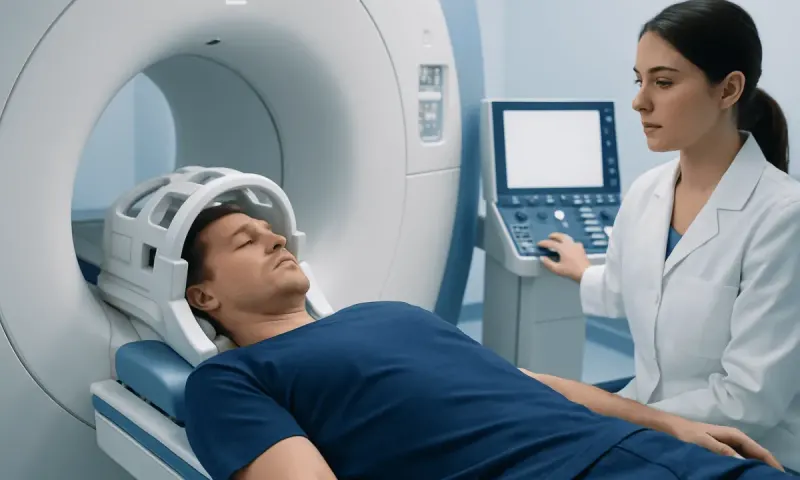
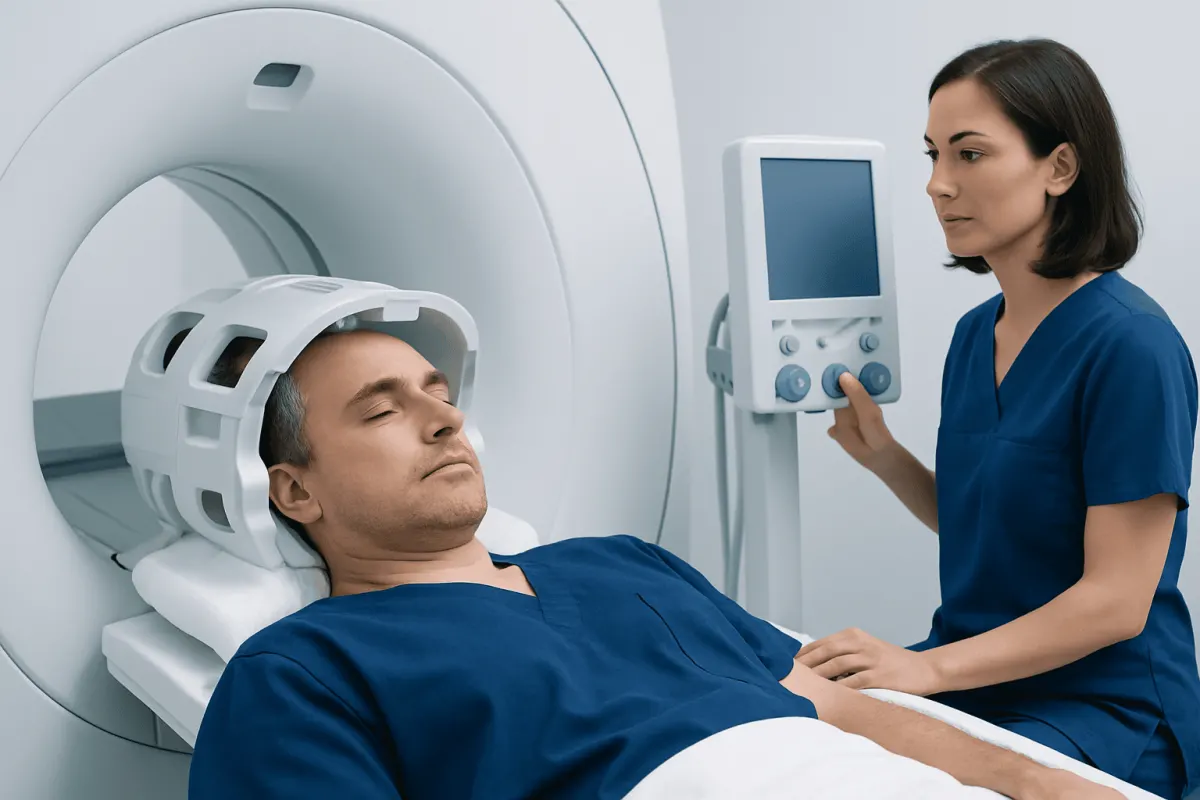
After imaging suggests a brain tumor, the next steps are tailored to the individual. A specialist team typically reviews symptoms, neurological examination findings, MRI results, general health, and whether the tumor can be safely sampled or removed. Additional scans may be used to look for cancer elsewhere if metastasis is a possibility.
In many cases, surgery is performed to remove as much tumor as can be done safely and to obtain tissue for diagnosis. A pathologist examines the tissue and may perform molecular testing. These results help classify the tumor, estimate its behavior, and guide decisions about surgery, radiation therapy, chemotherapy, targeted medicines, observation, or clinical trials.
Some tumors can be monitored with scheduled MRI scans when they are small, slow-growing, and not causing concerning symptoms. Medicines may also be used to control seizures or reduce swelling. Treatment planning commonly involves neurosurgeons, neurologists, oncologists, radiation oncologists, neuroradiologists, pathologists, rehabilitation specialists, and supportive-care professionals.
It is reasonable for patients to ask about the tumor type and grade, treatment goals, likely benefits and side effects, recovery needs, follow-up imaging, fertility or work considerations, and whether a second opinion may be useful.
Can You Live a Normal Life With a Brain Tumor?
Many people with a brain tumor can live active and meaningful lives, although what “normal” looks like may change over time. Outlook depends on the tumor type, location, grade, molecular features, age, overall health, response to treatment, and whether symptoms can be controlled. A slow-growing tumor may be monitored or treated while a person continues many usual activities.
Practical adjustments may be needed. For example, a person who has had a seizure may need to avoid driving until a clinician confirms it is safe under local regulations. Occupational therapy, physiotherapy, speech and language therapy, neuropsychological rehabilitation, and fatigue management can support function and independence.
Regular follow-up is important because symptoms and scan findings can change. Honest discussion with the care team helps align treatment with personal priorities, including work, family responsibilities, comfort, cognition, mobility, and quality of life.
What Are the Signs That Someone With Glioblastoma Is Nearing the End of Their Life?
Glioblastoma is an aggressive type of primary brain tumor, and its course differs among individuals. As the illness advances, a person may develop increasing sleepiness, reduced energy, more time in bed, worsening weakness, difficulty communicating, confusion, swallowing problems, or a reduced interest in food and fluids. Seizures or headaches may also become more difficult to control in some people.
These signs do not occur in the same order for everyone, and a symptom change does not always mean that death is imminent. Infection, medication effects, dehydration, seizures, or swelling can sometimes contribute and may be treatable. The person’s oncology or palliative-care team should be contacted when there is a significant change in alertness, comfort, breathing, swallowing, or ability to take medicines.
Palliative care focuses on symptom relief, emotional support, practical planning, and the needs of caregivers alongside tumor-directed treatment. Hospice care may be appropriate when the focus shifts fully toward comfort. Families should seek urgent help for severe distress, a prolonged seizure, major breathing difficulty, or symptoms they cannot safely manage at home.
When to Seek Medical Care
A medical appointment is appropriate for persistent or worsening headaches, new seizures, unexplained neurological changes, or a clear change from a person’s usual pattern of functioning. A clinician can assess the symptoms, review medications and medical history, perform a neurological examination, and decide whether imaging or specialist referral is needed.
Emergency assessment is needed for a first seizure, a severe sudden headache unlike previous headaches, sudden weakness or numbness, facial drooping, loss of vision, severe confusion, fainting, or new difficulty speaking. These symptoms can have several urgent causes, including stroke, and should not be managed by waiting for a routine appointment.
For patients seeking coordinated evaluation and care, Acıbadem Health Point’s multidisciplinary specialists and JCI-accredited hospitals diagnose and treat brain tumors for international patients. Follow-up care should always be guided by a qualified clinician who knows the individual’s symptoms, imaging, and treatment plan.
Frequently asked questions
01Can a brain tumor cause symptoms that come and go?
Yes. Symptoms can fluctuate because of fatigue, sleep, seizures, swelling, medication effects, and changes in pressure around the tumor. Even intermittent symptoms should be discussed with a clinician if they are new, recurrent, or worsening.
02Is headache usually the first sign of a brain tumor?
No. Headaches are very common and are much more often caused by conditions other than a brain tumor. A headache is more concerning when it is new or progressively changing and occurs with vomiting, seizures, weakness, vision changes, or changes in thinking.
03Can a brain tumor affect personality?
Yes, particularly when a tumor affects the frontal lobes or other networks involved in behavior, emotional regulation, and judgment. Changes may include irritability, apathy, impulsivity, reduced motivation, or difficulty organizing tasks, but these symptoms also have many other possible causes.
04How is a brain tumor diagnosed?
Diagnosis often begins with a medical history, neurological examination, and brain imaging, usually MRI with contrast. When appropriate, a biopsy or surgery provides tissue for pathology and molecular testing, which helps identify the tumor type and guide treatment.
05Are all brain tumors cancerous?
No. Some brain tumors are noncancerous and may grow slowly, but they can still cause symptoms because space inside the skull is limited. Other tumors are cancerous and may require more intensive treatment, so accurate classification is important.
06What should a family member do if they notice new confusion or weakness?
New confusion, weakness, speech difficulty, facial drooping, or a seizure should be treated as urgent symptoms. Emergency services should be contacted, especially if the symptoms appear suddenly, because stroke and other time-sensitive conditions must also be considered.
This article is for general information only and is not a substitute for professional medical advice. Please consult a qualified doctor about your individual situation.
Persistent digestive symptoms? Get evaluated in Turkey
JCI-accredited · board-certified surgeons · reply within 24h
Add us as a Preferred Source to see more of our trusted health content across Google Search, AI Overviews and Discover.