What Do Piles Feel Like? Common Symptoms and Signs

Piles, also called hemorrhoids, often feel like itching, irritation, pressure, swelling or a tender lump around the anus. They are common and frequently manageable, but rectal bleeding, severe pain or persistent symptoms should be medically assessed because other conditions can cause similar symptoms.
What do piles feel like?
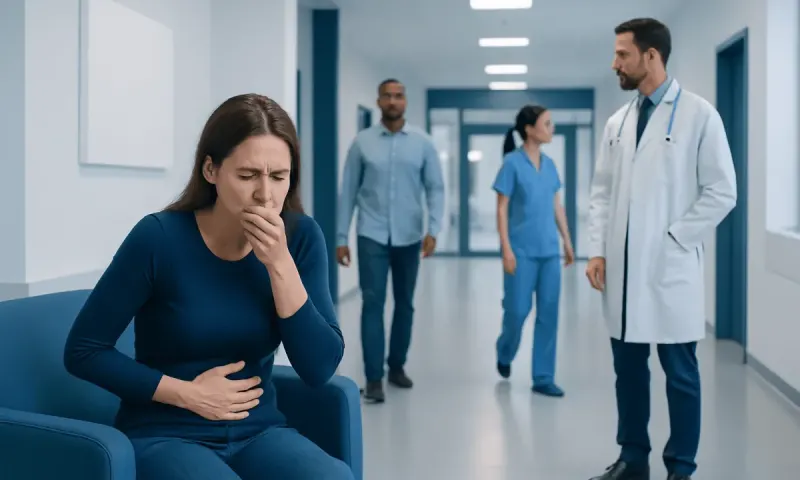
Piles, medically called hemorrhoids, are swollen blood vessels in or around the anus and lower rectum. They are very common and are often not serious. What do piles feel like? Many people notice itching, irritation, a sense of fullness, mild soreness, or bright-red blood on toilet paper after a bowel movement. Some people have piles without any noticeable symptoms.
The feeling depends mainly on where the piles are located. Internal piles develop inside the rectum, where there are fewer pain-sensitive nerves, so they may bleed without hurting. External piles develop under the skin around the anus and are more likely to feel itchy, swollen, tender, or uncomfortable when sitting, cleaning the area, or passing stool.
Although piles are a frequent explanation for these symptoms, they are not the only one. Anal fissures, skin conditions, infections, inflammatory bowel disease, polyps and bowel cancer can also cause bleeding, pain or a change in bowel habits. For this reason, rectal bleeding should not automatically be assumed to be from piles.
Common sensations and visible signs
Pile symptoms can come and go. They may be more noticeable during or shortly after a bowel movement, particularly if a person has constipation, hard stools, diarrhea, or has strained on the toilet. Symptoms may improve once bowel habits become gentler and the irritation settles.
- Itching or burning: irritation around the anus, sometimes worsened by moisture or mucus.
- Bright-red bleeding: small streaks on stool, blood on toilet paper, or a few drops in the toilet bowl.
- A lump or swelling: a soft swelling at the anal opening, or tissue that comes out during a bowel movement.
- Discomfort or pressure: a feeling that the area is swollen, sensitive, or not fully clean after passing stool.
- Mucus or soiling: this can occur if an internal pile protrudes and makes cleaning more difficult.
Internal piles can sometimes prolapse, meaning they move down and protrude from the anus during straining. They may go back in on their own, need gentle manual repositioning, or remain outside. A prolapsed pile may feel like a moist, soft lump and can cause irritation or mucus leakage.
External piles may be noticed as a small bump near the anus. If a blood clot forms inside an external pile, known as a thrombosed hemorrhoid, the lump can become firm, bluish or purple, and suddenly quite painful. This is not usually dangerous, but prompt clinical advice can help with pain control and treatment decisions.
When to seek medical care
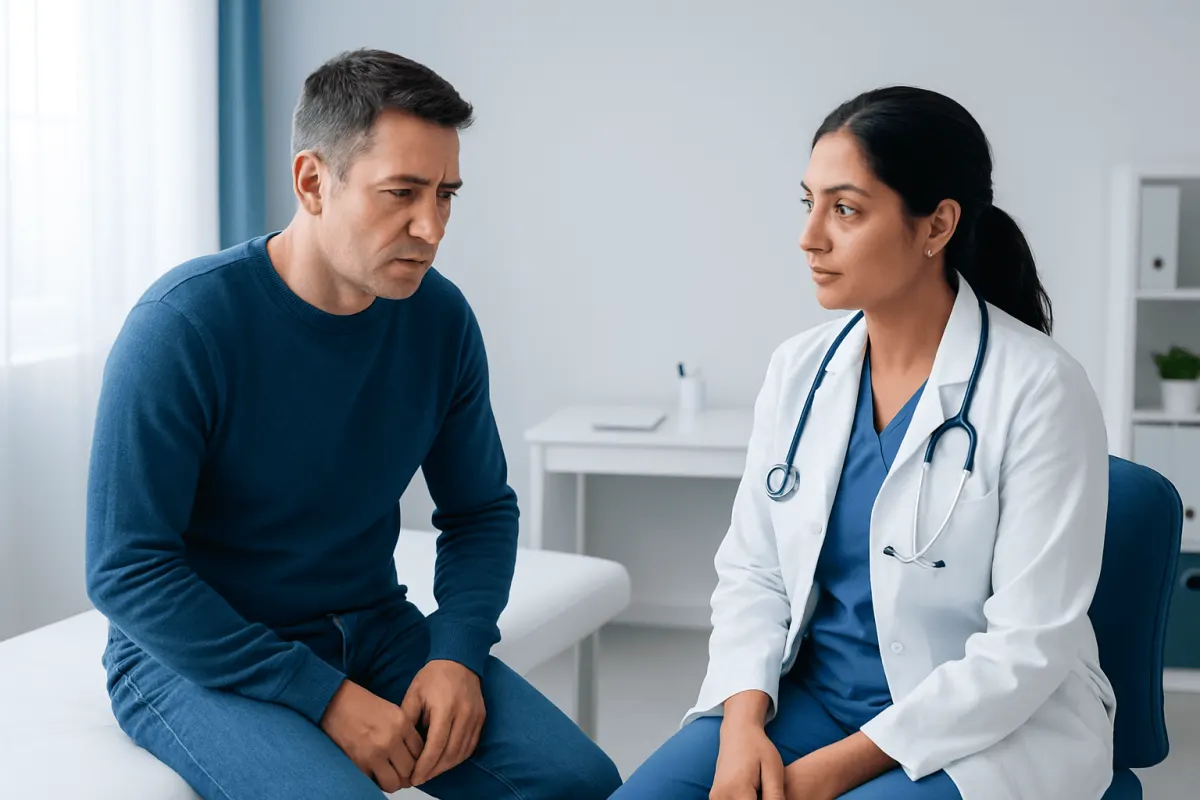
Most mild pile symptoms can be discussed at a routine medical appointment, especially if they last more than about a week, return repeatedly, interfere with daily life, or do not improve with self-care. A clinician should also assess any new rectal bleeding, particularly in adults with a family history of bowel cancer, inflammatory bowel disease, unexplained anemia, or a recent change in bowel habits.
More urgent medical assessment is needed for heavy or ongoing rectal bleeding, passing clots, black or tar-like stools, fainting, dizziness, unusual weakness, fever, severe abdominal pain, or severe anal pain with rapidly increasing swelling. These symptoms may have causes other than piles and should not be managed at home alone.
It is also sensible to seek care if there is unexplained weight loss, persistent diarrhea or constipation, narrower stools, a new abdominal lump, or bleeding mixed throughout the stool. These features do not necessarily indicate a serious condition, but they require assessment to identify the cause accurately.
Why piles develop and who may be affected
Piles are thought to develop when pressure increases in the veins and supporting tissues of the lower rectum and anus. Straining during bowel movements is a common contributor. Constipation and hard stools can make straining more likely, while frequent loose stools can also irritate the anal area.
Pregnancy is another common time for piles because of hormonal changes, increased pressure in the pelvis, and constipation. Symptoms may arise during pregnancy or after childbirth and often improve afterward, although anyone who has bleeding or significant pain should still speak with their maternity or healthcare team.
Other factors that may contribute include spending a long time sitting on the toilet, low fiber intake, not drinking enough fluids, regular heavy lifting, obesity, and aging-related changes in the tissues that support the anal cushions. Having these factors does not mean a person will develop piles, and pile symptoms are not a sign of poor hygiene.
Anal itching alone does not always mean piles. Fragranced wipes, soaps, sweating, skin irritation, fungal infections, eczema, and minor leakage of stool can all contribute. Avoiding harsh cleaning products and seeking medical advice for persistent itching can help identify the underlying cause.
How a doctor checks symptoms
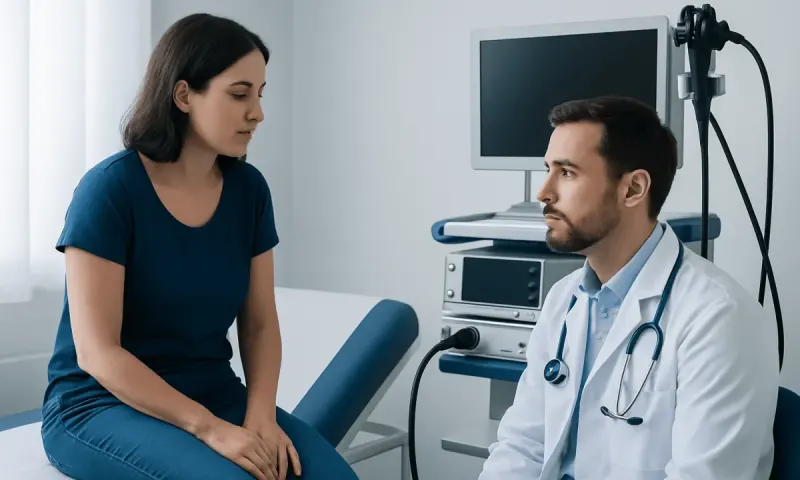
Diagnosis usually starts with a conversation about the symptoms. A clinician may ask when bleeding occurs, whether there is pain, whether the blood is bright red or dark, and whether bowel habits have changed. They may also ask about diet, medicines, pregnancy, family history, weight changes, and previous bowel conditions.
The examination is typically brief and focused. It may include looking at the skin around the anus and, with consent, a digital rectal examination using a gloved, lubricated finger. This can help identify external piles, tenderness, masses, fissures, and other possible causes of symptoms.
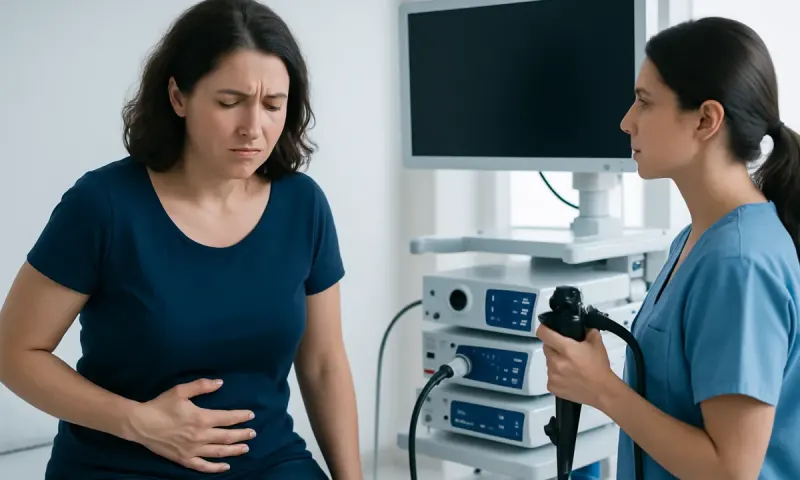
To look at internal piles, a clinician may recommend anoscopy or proctoscopy, which uses a short instrument to view the anal canal and lower rectum. Depending on a person’s age, symptoms, risk factors, and examination findings, further tests such as sigmoidoscopy or colonoscopy may be advised to investigate bleeding or changes in bowel habits. These tests are used to rule out other causes; they do not mean that a serious condition is expected.
A clear diagnosis matters because treatment is guided by the type, size, and severity of the piles, as well as whether another condition is contributing to the symptoms.
Relieving symptoms and treating piles
For many people, the most effective first steps are aimed at making stools softer and easier to pass. Increasing dietary fiber gradually through foods such as vegetables, fruit, beans, whole grains, nuts, and seeds can help. Adequate fluid intake and regular physical activity may also support regular bowel movements. A pharmacist or clinician may suggest a fiber supplement or a short-term stool-softening approach when appropriate.
During a flare-up, it can help to avoid straining and avoid sitting on the toilet for prolonged periods. Going to the toilet when there is a natural urge, rather than delaying, may reduce the need to push. Warm baths, gentle cleaning with water, and patting the area dry can soothe irritation. Fragranced wipes, vigorous rubbing, and strongly scented soaps may worsen itching.
Over-the-counter creams, ointments, or suppositories may provide short-term relief for some symptoms, but they do not cure the underlying cause and should not be used for prolonged periods without professional advice. A clinician or pharmacist can advise whether a product is suitable, especially during pregnancy, breastfeeding, or when a person has other health conditions.
If symptoms persist, bleed repeatedly, or prolapse, office-based treatments may be considered. These can include rubber band ligation, injection treatment, or infrared coagulation for selected internal piles. Surgery is generally reserved for larger, recurrent, prolapsed, or complicated piles, or when less invasive treatment has not helped.
Preventing future flare-ups and getting support
Prevention focuses on reducing pressure and irritation. A consistent routine of fiber-rich meals, fluids, movement, and unhurried bowel habits can reduce constipation and straining. Fiber should be increased slowly, as a sudden increase can cause bloating or gas in some people.
It may also help to limit time spent sitting on the toilet, including scrolling on a phone, because prolonged sitting can increase pressure around the anal area. When lifting heavy objects, using safe lifting technique and breathing normally rather than holding the breath may reduce straining.
People with recurrent symptoms should discuss them with a qualified clinician rather than repeatedly self-treating. A review can identify constipation, diarrhea, medication effects, pelvic floor concerns, or another bowel condition that may need separate care. Acıbadem Health Point’s multidisciplinary specialists and JCI-accredited hospitals diagnose and treat hemorrhoid-related symptoms for international patients when medical evaluation is needed.
Piles can be uncomfortable and sometimes worrying, but they are often manageable with practical measures and appropriate medical guidance. Seeking assessment for bleeding or persistent symptoms offers reassurance and helps ensure that the correct cause is treated.
Frequently asked questions
01Do piles hurt all the time?
Not usually. Internal piles often do not cause pain because they are located above the area with many pain-sensitive nerves. External piles may feel sore or tender, and a thrombosed external pile can cause sudden, more intense pain.
02Can piles cause bleeding without pain?
Yes. Painless bright-red bleeding during or after a bowel movement can occur with internal piles. However, bleeding should still be assessed by a healthcare professional, because it can have causes other than hemorrhoids.
03What does a thrombosed pile feel like?
A thrombosed external pile often feels like a sudden, firm, very tender lump at the edge of the anus. The skin may look blue, purple, or dark red. A clinician can confirm the cause and advise on the most appropriate treatment.
04How long do pile symptoms last?
Mild symptoms may improve over several days when constipation, straining, and local irritation are addressed. Symptoms that persist for more than about a week, recur often, or worsen should be reviewed by a clinician.
05Can piles make sitting uncomfortable?
Yes. External piles or prolapsed internal piles can create pressure, tenderness, or a feeling of swelling that is more noticeable when sitting. Severe pain, especially if it develops suddenly, deserves prompt medical advice.
06Are itching and a lump always caused by piles?
No. Skin irritation, anal fissures, infections, skin tags, and other anorectal conditions can cause similar symptoms. An examination is the safest way to establish whether piles are present and whether any other cause needs treatment.
This article is for general information only and is not a substitute for professional medical advice. Please consult a qualified doctor about your individual situation.
Persistent digestive symptoms? Get evaluated in Turkey
JCI-accredited · board-certified surgeons · reply within 24h
Add us as a Preferred Source to see more of our trusted health content across Google Search, AI Overviews and Discover.