What Causes Lower Back Pain in Females?

Key Takeaways
- Lower back pain in females is often linked to muscles, joints, discs, posture, or overuse, but pelvic and hormonal causes can also play a role.
- Pain that comes with fever, urinary symptoms, numbness, weakness, or unexplained bleeding needs medical attention.
- Diagnosis usually starts with a detailed history and physical exam, with imaging or lab tests used when needed.
- Treatment depends on the cause and may include activity changes, physical therapy, medications, or procedures.
- Prevention focuses on core strength, safe lifting, healthy weight, good posture, and early attention to recurring pain.
What causes lower back pain in females can range from muscle strain and posture-related issues to menstrual, pelvic, spinal, or urinary conditions. A careful evaluation helps identify the source and guide the right treatment.
Overview
When someone asks what causes lower back pain in females, the answer is usually broader than a single diagnosis. The discomfort may come from the muscles, ligaments, spine, discs, joints, nerves, pelvis, kidneys, or reproductive organs, and more than one factor can be involved at the same time.
In everyday life, the pain may begin after long sitting, lifting, exercise, menstruation, pregnancy, or a minor twist that seemed harmless at first. In other cases, the lower back is the place where pain from another area is felt, such as the pelvis or urinary tract. Understanding the pattern of pain is often the first step toward a useful medical explanation.
Lower back pain is common and often improves with the right mix of rest, movement, and treatment. Still, persistent or recurring pain should not be dismissed as “just part of being a woman,” especially when it affects sleep, walking, work, or daily activities.
Symptoms and pain patterns
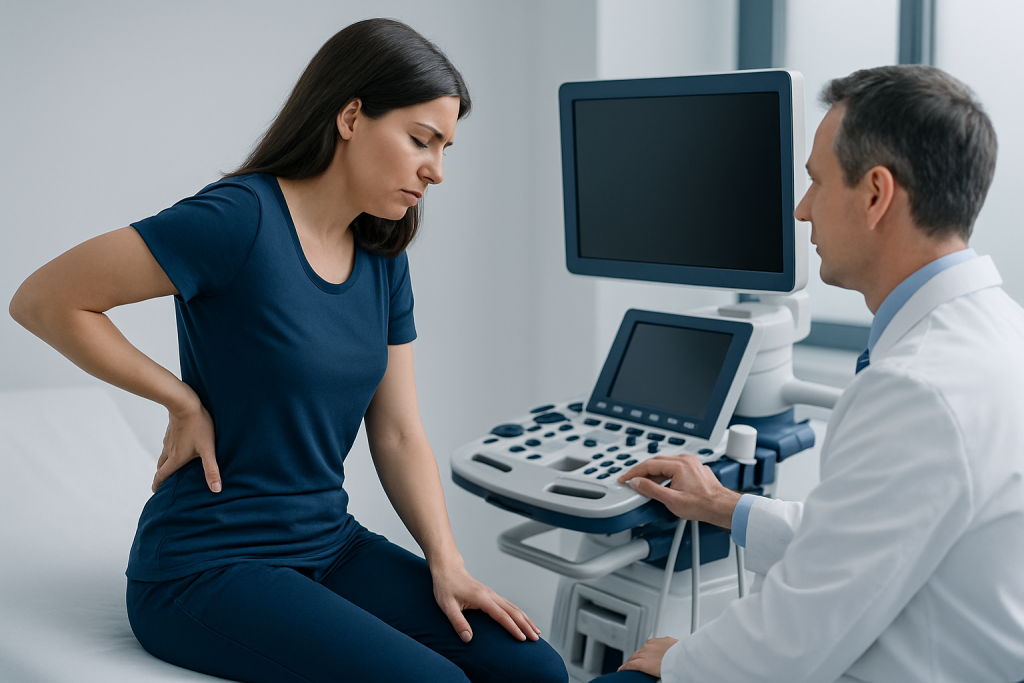
Lower back pain does not always feel the same from person to person. It may be sharp, dull, aching, burning, stiff, or cramping, and it may stay in one small area or spread into the buttocks, hips, groin, or legs.
Some patterns offer clues. Pain that worsens after sitting or bending may suggest muscle strain, disc irritation, or posture-related stress. Pain that flares around the menstrual cycle may point toward gynecologic causes, while pain with fever, burning urination, or flank discomfort may suggest a urinary or kidney problem.
Other symptoms can help doctors narrow the cause:
- Morning stiffness that improves with movement
- Pain after lifting, exercise, or repetitive work
- Leg numbness, tingling, or weakness
- Pelvic pressure, painful periods, or pain during sex
- Blood in the urine, urinary urgency, or fever
Tracking when the pain begins, how long it lasts, and what makes it better or worse can make the evaluation more precise.
Causes and risk factors

The most common explanation is mechanical strain. Muscles and ligaments in the lower back can be overstretched by sudden movements, heavy lifting, poor posture, weak core support, or prolonged desk work. Repeated small stresses can also build up over time and trigger chronic soreness.
Spine-related causes are also common. These include degenerative disc changes, herniated discs, spinal arthritis, sacroiliac joint irritation, and narrowed spaces around the nerves. If a nerve is involved, pain may travel down the leg and be accompanied by tingling or numbness.
For females, certain causes deserve special attention because of the pelvic anatomy and hormonal changes. These may include:
- Menstrual cramps or severe period-related pain
- Endometriosis
- Ovarian cysts or other pelvic conditions
- Pregnancy-related strain and changes in posture
- Menopause-related bone loss or joint changes
Urinary tract infections, kidney stones, and kidney infections can also cause lower back or flank pain. Risk tends to rise with previous back problems, heavy physical work, sedentary habits, obesity, smoking, pregnancy, and chronic conditions that affect bone or joint health.
Diagnosis
Doctors usually begin by asking where the pain is, how it started, whether it is constant or comes and goes, and whether it changes with movement, rest, menstrual cycles, urination, or bowel changes. A physical exam then checks posture, range of motion, muscle tenderness, nerve function, and any signs that point to the hips, abdomen, pelvis, or urinary tract.
Not every case needs imaging. If the pain appears mechanical and there are no warning signs, a clinician may recommend a period of conservative care first. Tests are more likely to be used when symptoms persist, worsen, or suggest a specific cause.
Depending on the situation, evaluation may include:
- X-rays for bone or alignment concerns
- MRI for discs, nerves, or soft tissue detail
- Blood or urine tests for infection or inflammation
- Pelvic examination or ultrasound when gynecologic causes are suspected
The goal is not to order every test, but to match the workup to the story the pain is telling.
Treatment options
Treatment depends on the cause, and the most effective plan is usually specific rather than generic. A muscle strain may improve with modified activity, heat or cold, gentle movement, and targeted physical therapy. A disc problem or nerve irritation may need a longer rehabilitation plan focused on posture, core stability, and symptom control.
For inflammation or pain relief, doctors may suggest medications appropriate for the patient’s health profile. If the pain is related to infection, hormonal conditions, or another underlying disease, the main treatment must address that source. In some cases, procedures such as injections or, less commonly, surgery may be considered when symptoms are severe or do not improve with conservative care.
Physical therapy is often central because it helps restore movement without overloading the back. It may also teach safer ways to lift, sit, bend, and sleep, which matters a great deal for people who travel, work long hours, or recover while living in another country.
When pain is tied to pregnancy, menopause, or pelvic disorders, care may involve collaboration among orthopedics, gynecology, urology, or rehabilitation specialists. This coordinated approach can be especially helpful for international patients who want diagnosis and treatment plans organized clearly before and after travel.
Prevention and self-care
Not every episode of lower back pain can be prevented, but many can be reduced with practical habits. Strong trunk muscles support the spine, while regular movement keeps joints from stiffening and helps the back tolerate daily load more comfortably.
Helpful steps often include:
- Maintaining good sitting and standing posture
- Using the legs, not the back, when lifting
- Taking breaks from prolonged sitting
- Keeping a healthy body weight when possible
- Wearing supportive footwear for long standing or walking
- Doing doctor-approved stretching and strengthening exercises
At home, short walks, heat packs, and gentle stretching may ease uncomplicated muscular pain. Rest should be brief rather than prolonged, because too much inactivity can slow recovery. If pain tends to recur around periods, during training, or after travel, noting the pattern can help a doctor tailor prevention strategies more precisely.
When to see a doctor
Medical assessment is wise when lower back pain lasts more than a short period, keeps returning, or interferes with work, sleep, or routine movement. It is also important when the pain is new and severe, follows an injury, or is different from previous episodes.
Prompt evaluation is especially important if pain comes with any of the following: leg weakness, numbness in the groin area, loss of bladder or bowel control, fever, unexplained weight loss, blood in the urine, painful urination, or unusual vaginal bleeding. These symptoms do not always mean something serious, but they do mean the cause should be identified without delay.
For people who live abroad or are considering treatment while traveling, clear diagnosis matters more than guessing from symptoms alone. Acibadem Health Point’s multidisciplinary specialists and JCI-accredited hospitals diagnose and treat lower back pain conditions for international patients with coordinated care and follow-up planning.
Most importantly, recurring back pain deserves attention before it becomes a long-term pattern. A careful evaluation can separate a simple strain from a spinal, pelvic, or urinary cause and help the patient move forward with confidence.
Living with recurring lower back pain
Recurring pain can be frustrating because it often affects more than the spine. It can interrupt sleep, limit exercise, make travel tiring, and create uncertainty about what activities are safe. That uncertainty is one reason a clear diagnosis is so valuable: it gives the patient a practical plan instead of a list of worries.
A symptom diary can be useful. Recording pain timing, cycle changes, lifting, sitting time, exercise, urinary symptoms, and response to treatment helps clinicians identify patterns that may not be obvious in a single visit. For international patients, bringing previous scans, lab results, and a medication list can also make the assessment smoother.
With the right combination of diagnosis, movement guidance, and targeted treatment, many people regain comfort and confidence. The goal is not only pain relief, but also a return to normal daily life with fewer flare-ups and less disruption.
Frequently asked questions
01What causes lower back pain in females most often?
The most common causes are muscle strain, poor posture, overuse, and spine-related problems such as disc irritation or arthritis. In females, menstrual, pelvic, urinary, and pregnancy-related conditions can also contribute.
02Can lower back pain be related to periods?
Yes, lower back pain can flare around menstruation because pelvic cramping and inflammation may spread discomfort into the back. If period pain is severe, frequent, or changing over time, a doctor should evaluate it.
03How do I know if my back pain is muscular or something else?
Muscular pain often worsens with certain movements, lifting, or long sitting and may improve with rest and gentle motion. Pain with fever, urinary symptoms, leg numbness, or pelvic bleeding suggests a different cause and should be checked.
04When should a woman worry about lower back pain?
Medical attention is important if the pain lasts, keeps returning, or comes with weakness, numbness, fever, bladder or bowel changes, blood in the urine, or unexplained bleeding. These features help doctors look beyond a simple strain.
05Can pregnancy cause lower back pain?
Yes, pregnancy often changes posture, weight distribution, and ligament support, which can strain the lower back. A clinician can suggest safe, pregnancy-appropriate ways to ease symptoms.
06What treatments usually help lower back pain?
Treatment depends on the cause and may include activity changes, physical therapy, heat or cold, medication, or targeted treatment for an underlying condition. The best plan is one that matches the diagnosis rather than trying the same approach for every type of pain.
This article is for general information only and is not a substitute for professional medical advice. Please consult a qualified doctor about your individual situation.
Joint and spine care in Turkey — expert assessment & treatment
JCI-accredited · board-certified surgeons · reply within 24h
Add us as a Preferred Source to see more of our trusted health content across Google Search, AI Overviews and Discover.