Bone and Pain: Causes, Relief and When to Worry

Key Takeaways
- Bone pain is not the same as muscle soreness and can signal an issue in the bone, nearby joint, or surrounding tissue.
- Common causes include injury, arthritis, overuse, vitamin deficiencies, infections, and some chronic illnesses.
- Simple measures such as rest, ice or heat, and activity modification may help, but persistent pain should be assessed by a doctor.
- Urgent medical review is important if pain follows major trauma, is accompanied by fever, swelling, weakness, or unexplained weight loss.
- Diagnosis may involve a physical exam, blood tests, and imaging to identify the source of pain.
- Treatment depends on the cause and may include medication, immobilization, physical therapy, or specialist care.
Bone and pain are often linked through injuries, inflammation, joint disease, or less commonly infections and other medical conditions. Most causes are treatable, but pain that is severe, persistent, or paired with other symptoms deserves medical evaluation.
Overview
When people search for bone and pain, they are often trying to understand whether an ache is just a passing strain or a sign that something needs attention. The short answer is that bone pain can come from injury, inflammation, infection, metabolic problems, or disease in a nearby joint or soft tissue, and the right response depends on the pattern and the accompanying symptoms.
Bone-related pain is usually deeper and more focal than muscle soreness. It may feel sharp, dull, throbbing, or tender to the touch, and it can be constant or worse with movement, pressure, or at night. Because the cause is not always obvious, careful evaluation matters, especially when pain does not improve or begins to interfere with daily life.
For international patients planning care across borders, understanding the likely cause before traveling can help with timing, test planning, and follow-up. In many cases, the first step is a consultation with an orthopedics or related specialist who can sort out whether the pain is coming from bone, joint, or another structure entirely.
Symptoms
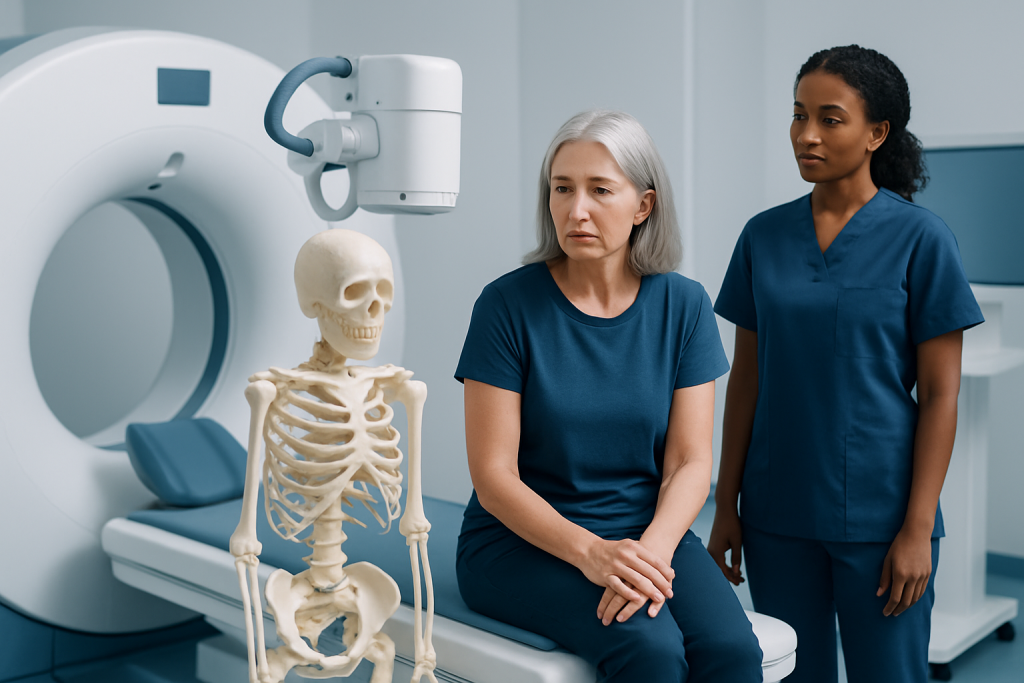
Bone pain can present in different ways depending on the underlying issue. Some people notice a single painful spot after a fall or sports injury, while others describe a more diffuse ache in the legs, back, pelvis, or arms. The pain may worsen with weight-bearing, movement, or direct pressure, and it may remain noticeable even at rest.
There are also symptoms that can point to a more specific cause. Swelling, redness, warmth, reduced range of motion, fever, night pain, or pain that wakes someone from sleep may suggest inflammation, infection, or another condition that should be assessed promptly. Pain with numbness, weakness, or difficulty walking can also indicate that nearby nerves or joints are involved.
- Common descriptions: deep ache, tenderness, throbbing, stabbing pain, pain that feels “inside the bone”
- Possible accompanying signs: swelling, stiffness, bruising, deformity, fever, fatigue, or reduced function
- Pattern clues: pain after injury, pain that worsens at night, or pain that lasts beyond the expected healing period
Because pain terms are subjective, a clear history helps clinicians narrow the source. Where it hurts, how it started, what makes it better or worse, and whether other symptoms are present all matter.
Causes & Risk Factors
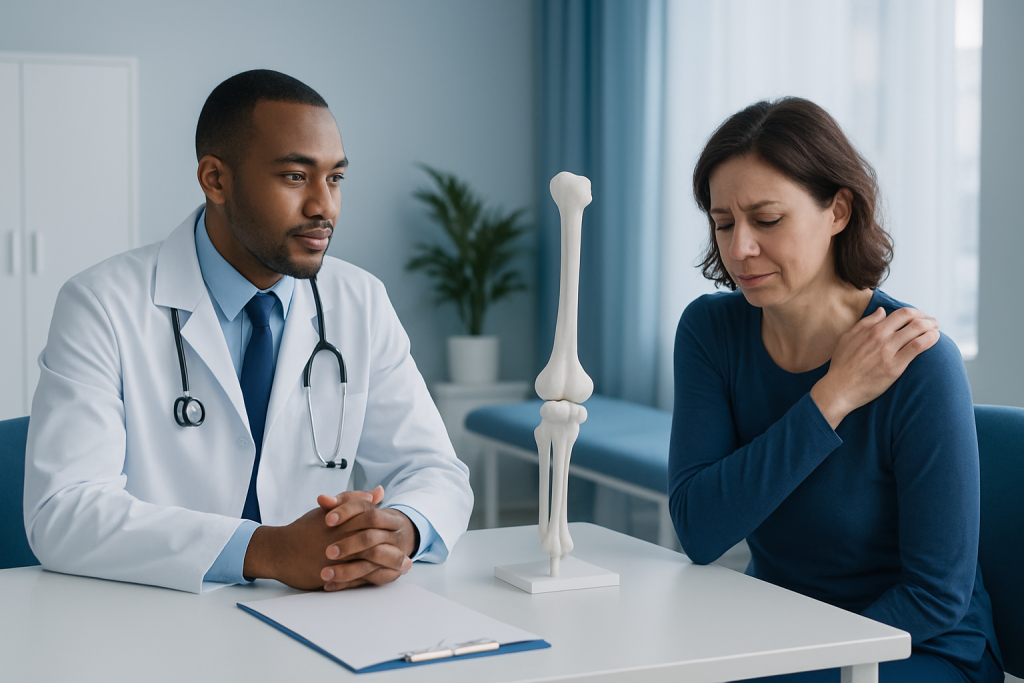
The most common reason for bone pain is an injury such as a fracture, stress fracture, or bone bruise. Overuse can also strain the structures around a bone and create pain that feels deep and persistent. In older adults, osteoarthritis, osteoporosis-related fractures, and spinal degeneration are frequent contributors to pain that seems to come from the bones.
Other causes include vitamin D deficiency, Paget’s disease, bone infection, inflammatory arthritis, blood disorders, and less commonly bone tumors or cancer that has spread to bone. Some infections and systemic illnesses can cause widespread aching rather than one clearly localized spot. In these situations, the pain is often only one part of a larger clinical picture.
Risk factors vary with the cause, but several patterns are common: older age, recent trauma, repetitive impact activity, low bone density, poor nutrition, long-term steroid use, cancer history, and autoimmune or inflammatory disease. A person’s overall health, medications, and recent travel or surgery may also influence the likelihood of certain diagnoses.
Understanding risk factors does not replace diagnosis, but it can help clinicians choose the right tests. For example, a person with new pain after a fall may need imaging, while someone with unexplained widespread aching may benefit from blood tests that look for metabolic or inflammatory causes.
Diagnosis
Diagnosis begins with a detailed history and physical examination. A doctor will usually ask exactly where the pain is located, how long it has been present, whether it started after trauma, and whether there are symptoms such as fever, swelling, or weight loss. The exam helps distinguish bone pain from pain in the muscles, tendons, nerves, or joints.
Depending on the findings, imaging may be recommended. X-rays are often used first to look for fractures, deformities, arthritis changes, or bone lesions. If the problem is not clear, MRI, CT, bone scans, or ultrasound may be considered, each offering different information about bone structure and surrounding tissues.
Blood tests can help identify infection, inflammation, anemia, vitamin deficiencies, calcium problems, or other metabolic issues. In some cases, additional testing is needed to confirm a diagnosis or rule out less common conditions. The goal is not to test broadly without direction, but to match the workup to the pattern of pain and the patient’s overall health.
For people traveling for care, a coordinated diagnostic plan can reduce repeat appointments and delays. Bringing prior imaging, lab results, and a clear symptom timeline often helps specialists move more efficiently toward answers.
Treatment Options
Treatment depends entirely on the cause. A fracture may need immobilization, casting, or surgery, while arthritis-related pain may improve with exercise-based rehabilitation, weight management, and medicines that reduce inflammation. If the pain comes from infection, antibiotics or other targeted treatment may be necessary, and more serious infections sometimes require hospital care.
For pain control, doctors may recommend rest, activity adjustment, ice or heat, and appropriate over-the-counter or prescription medication based on the underlying diagnosis and the person’s medical history. Physical therapy can be especially useful when movement has become limited, because guided exercise may restore function without aggravating the problem.
Some conditions require specialist treatment over time. Metabolic bone disorders may need nutritional correction or medication, inflammatory diseases may require rheumatologic care, and tumors may need orthopedic oncology or other multidisciplinary input. The treatment plan should always reflect the cause rather than masking symptoms alone.
When pain is severe, persistent, or unexplained, treatment should not be delayed while waiting for it to “settle.” Timely evaluation can prevent complications, support better healing, and reduce the chance of ongoing disability.
Prevention & Self-care
Not every cause of bone pain can be prevented, but several habits support bone and joint health. A balanced diet with enough calcium and vitamin D, regular weight-bearing activity, smoking cessation, and moderation with alcohol can help maintain bone strength. Fall prevention is also important, especially for older adults or anyone with low bone density.
At home, rest may help short-term pain, but complete inactivity is not always ideal. Many people do better with a careful balance: protecting the painful area while keeping the rest of the body moving as comfortably as possible. Gentle mobility, posture awareness, and gradual return to activity can help prevent stiffness and deconditioning.
Self-care should be guided by the likely cause. After a minor strain or impact, ice, elevation, and short-term activity reduction may be appropriate. If the pain is unexplained, worsening, or associated with systemic symptoms, self-care should give way to medical assessment rather than prolonged home treatment.
- Maintain a bone-supportive diet and hydration.
- Use protective footwear and safe movement habits.
- Follow rehabilitation advice after injury or surgery.
- Keep regular follow-up if there is osteoporosis, arthritis, or another chronic condition.
When to See a Doctor
Medical review is a good idea when bone pain lasts more than a few days without improvement, keeps returning, or limits normal activity. It is especially important if the pain began after a fall, sports injury, or other trauma, even when the injury seemed minor at first. Some fractures and stress injuries are easy to miss early on.
Prompt care is also recommended if the pain comes with fever, redness, marked swelling, unexplained fatigue, numbness, weakness, difficulty walking, or unintentional weight loss. Night pain that is persistent or pain that is steadily worsening should not be ignored, because it may signal a problem that needs treatment beyond routine pain relief.
Emergency evaluation is appropriate after major trauma, visible deformity, inability to bear weight, chest pain with possible rib injury, or sudden severe pain with neurologic symptoms. For people arranging evaluation from another country, it is often helpful to seek assessment before traveling back if the pain is severe or the diagnosis is unclear.
Acibadem Health Point’s multidisciplinary specialists and JCI-accredited hospitals diagnose and treat bone-related pain for international patients, helping coordinate evaluation, imaging, treatment, and follow-up when more than one specialty may be involved.
Living With Bone Pain: Recovery and Follow-up
Recovery is usually smoother when the underlying cause is named early and the treatment plan is practical. People often benefit from a stepwise approach: symptom relief, restoration of movement, and then a gradual return to normal activity or sport. If the pain is chronic, the goal may be long-term management rather than complete disappearance of symptoms overnight.
Follow-up matters because bone pain can change over time. A fracture may heal, but stiffness may remain. Arthritis may fluctuate. A vitamin deficiency may improve with treatment, but only if intake and monitoring continue. Regular review helps confirm that the chosen plan is working and that no new warning signs have appeared.
For patients managing care across borders, sharing progress updates, new symptoms, and repeat imaging or lab results with the treating team can support continuity. This is particularly useful when rehabilitation, medication adjustments, or further procedures are planned after returning home.
Frequently asked questions
01What does bone pain usually feel like?
Bone pain is often described as a deep, aching, tender, or throbbing pain. It may be localized to one area or spread more widely depending on the cause. Pain that feels worse at night or with pressure deserves medical attention if it persists.
02Is bone pain always serious?
No, bone pain is not always serious. It can happen after a minor injury or with overuse and may improve with rest and appropriate care. However, pain that is severe, unexplained, or associated with fever, swelling, or weakness should be checked by a doctor.
03How can someone tell the difference between bone pain and muscle pain?
Muscle pain is often linked to activity, tenderness in the soft tissue, or general soreness after exertion. Bone pain tends to feel deeper and more pinpointed, and it may hurt with direct pressure or weight-bearing. A clinician can help distinguish the source if the pattern is unclear.
04Can vitamin deficiencies cause bone pain?
Yes, deficiencies such as low vitamin D can contribute to bone discomfort and weakness. Low calcium or other metabolic issues may also affect bone health. Blood tests can help identify whether a deficiency is part of the problem.
05When should imaging be done for bone pain?
Imaging is often considered when pain follows injury, does not improve, or has concerning features such as swelling, deformity, or night pain. X-rays are commonly used first, but other scans may be needed if the cause is not obvious. The choice of test depends on the history and examination.
06What helps bone pain at home?
Short-term rest, ice or heat, and reducing aggravating activities may help some types of bone pain. Gentle movement can be useful once a doctor has ruled out serious injury. Home care should not replace medical evaluation if the pain is persistent or worsening.
This article is for general information only and is not a substitute for professional medical advice. Please consult a qualified doctor about your individual situation.
Joint and spine care in Turkey — expert assessment & treatment
JCI-accredited · board-certified surgeons · reply within 24h
Add us as a Preferred Source to see more of our trusted health content across Google Search, AI Overviews and Discover.