What Cancers Cause Elevated Liver Enzymes? Here Is What the Evidence Says
Elevated liver enzymes are common and most often reflect non-cancerous causes such as fatty liver disease, alcohol use, medications, viral infections or temporary illness. Some cancers can affect liver tests, particularly when they involve the liver or block bile flow, but blood tests alone cannot diagnose cancer.
What cancers can cause elevated liver enzymes?
What cancers cause elevated liver enzymes? Cancers that begin in the liver, bile ducts or pancreas, and cancers that spread to the liver from another part of the body, can raise certain liver blood test results. However, these cancers are much less common explanations than fatty liver disease, alcohol-related liver injury, medications, viral hepatitis, gallstones and other non-cancerous conditions.
Liver enzymes are often found to be mildly elevated on routine blood work in people who feel well. A single abnormal result does not mean a person has cancer. Clinicians interpret the result alongside symptoms, medical history, medications, alcohol intake, metabolic health, the specific tests affected and whether changes persist over time.
Medical review is particularly important when abnormal tests occur with yellowing of the skin or eyes, new persistent abdominal pain, unexplained weight loss, itching, fever, reduced appetite, dark urine or pale stools. These symptoms still have many possible causes, but they warrant timely assessment.
Understanding liver enzyme results
The phrase “elevated liver enzymes” usually refers to higher-than-expected levels of alanine aminotransferase (ALT) and aspartate aminotransferase (AST). These enzymes may rise when liver cells are irritated or injured. They do not measure liver function directly and cannot identify the cause on their own.
Other blood tests can provide different clues. Alkaline phosphatase (ALP) and gamma-glutamyl transferase (GGT) may increase when bile flow is slowed or blocked, a pattern sometimes called cholestasis. Bilirubin can rise when the liver cannot process it normally or when bile ducts are obstructed. Albumin and clotting tests may help clinicians assess how well the liver is performing in certain situations.
Results should always be interpreted in context. AST can also increase after intense exercise or muscle injury, and ALP can come from bone as well as the liver. A clinician may repeat tests, order related blood work or use imaging before drawing conclusions.
- ALT and AST: often suggest liver-cell irritation or injury.
- ALP and GGT: may point toward a bile duct or bile-flow problem.
- Bilirubin: can increase with bile blockage, liver disease or other conditions.
Cancer-related reasons liver tests may change

Primary liver cancer, including hepatocellular carcinoma, may be associated with abnormal liver tests, especially in people who already have chronic liver disease or cirrhosis. Yet enzyme levels may be normal in some people with liver cancer, and elevated enzymes are much more often caused by the underlying liver condition than by the cancer itself. Liver cancer assessment typically combines blood tests with liver imaging and, when appropriate, additional testing.
Bile duct cancer can interfere with the drainage of bile. This may lead to elevated ALP, GGT and bilirubin, sometimes accompanied by jaundice, itching, dark urine, pale stools or upper abdominal discomfort. These findings can also occur with gallstones, inflammation and benign narrowing of the bile ducts, so they are not specific to cancer.
Pancreatic cancer can affect liver tests if a tumor near the pancreatic head presses on or blocks the common bile duct. This often produces a cholestatic pattern rather than isolated ALT or AST elevation. Pancreatic cancer is only one possible cause of this pattern; gallstones and other pancreatic or bile duct conditions are more common.
Cancers originating elsewhere, such as colorectal, breast, lung or neuroendocrine cancers, can sometimes spread to the liver. Liver metastases may alter liver tests, but the test pattern and severity vary widely. Imaging is needed to investigate suspected liver lesions; routine liver blood tests cannot confirm or exclude metastatic cancer.
More common non-cancer causes
For most people, elevated liver enzymes have a non-cancerous explanation. Metabolic dysfunction-associated steatotic liver disease, often still called fatty liver disease, is a frequent cause. It is associated with insulin resistance, type 2 diabetes, excess body weight, high triglycerides and other metabolic factors, although it can also occur in people who do not fit these patterns.
Alcohol can raise liver enzymes, as can prescription medicines, over-the-counter pain relievers, herbal products and dietary supplements. A person should not stop prescribed medication without medical advice, but should bring an up-to-date list of all medicines and supplements to the appointment. Some abnormalities improve after the underlying trigger is addressed.
Other possibilities include viral hepatitis, autoimmune liver disease, hemochromatosis, thyroid disorders, celiac disease, gallstones, heart failure, muscle injury and recent strenuous exercise. Temporary elevations can also occur during an acute illness. The goal of evaluation is to identify the most likely explanation safely and efficiently rather than assuming the worst.
People with known chronic liver disease should continue recommended surveillance and follow-up. Regular monitoring is important because chronic liver inflammation or cirrhosis can increase the risk of complications, including liver cancer, over time.
How doctors investigate persistent abnormal results
A clinician will usually begin by confirming the abnormal result and reviewing the pattern of tests. They may ask about symptoms, alcohol use, recent illness, travel, family history, metabolic conditions, prior liver problems, medications, supplements and exposure risks for viral hepatitis. Physical examination may look for signs of liver or biliary disease.
Follow-up testing may include repeat liver blood tests, complete blood count, kidney tests, hepatitis screening, iron studies, autoimmune markers or other targeted tests. The exact selection depends on the person’s health history and the original results. Tumor markers are not generally useful as stand-alone screening tests for cancer because they can be abnormal for many non-cancerous reasons.
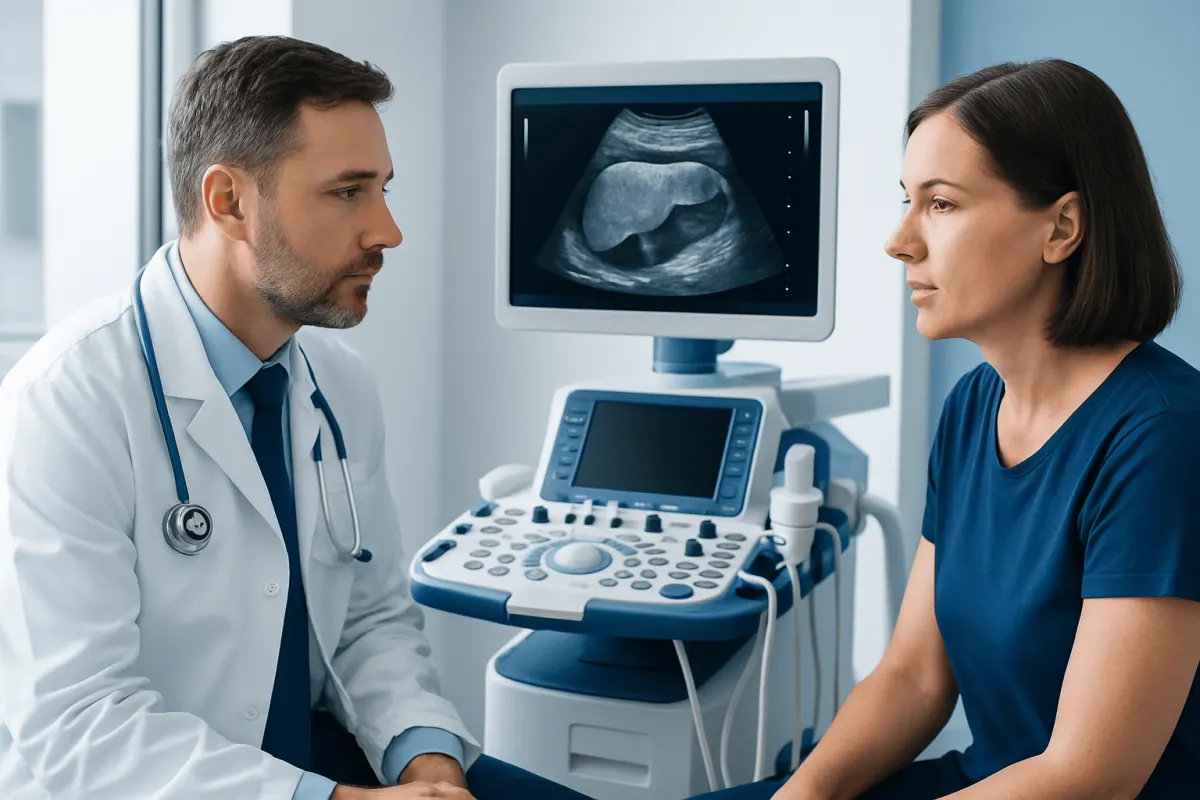
Ultrasound is often an initial imaging study because it can assess the liver, gallbladder and bile ducts. If a blockage, mass or other concerning finding is suspected, doctors may recommend contrast-enhanced CT, MRI or specialized imaging of the bile ducts. A biopsy is considered only when imaging and laboratory findings do not provide a clear diagnosis or when tissue confirmation would change treatment decisions.
When cancer is diagnosed or strongly suspected, care is coordinated through relevant specialists such as hepatologists, gastroenterologists, radiologists, surgeons and oncologists. The diagnostic process is designed to establish the cause accurately before treatment is planned.
Treatment depends on the cause
There is no treatment for elevated liver enzymes alone; treatment addresses the condition causing them. For fatty liver disease, clinicians may recommend gradual, sustainable weight management where appropriate, regular physical activity, balanced nutrition and management of diabetes, cholesterol and blood pressure. For alcohol-related injury, reducing or stopping alcohol with professional support can be important.
Medication-related abnormalities may improve after a clinician adjusts or changes the responsible medicine. Viral hepatitis, autoimmune conditions, gallstone disease and other causes have different evidence-based treatments. Follow-up testing helps show whether liver inflammation or impaired bile flow is improving.
If cancer is identified, treatment depends on the cancer type, location, stage, liver function and a person’s overall health. Options can include surgery, local liver-directed procedures, systemic treatments, radiation in selected cases and supportive care. Liver cancer treatment and pancreatic cancer treatment are individualized after a multidisciplinary assessment.
Acıbadem Health Point’s multidisciplinary specialists and JCI-accredited hospitals evaluate and treat liver, biliary and pancreatic conditions for international patients, with care plans based on the confirmed diagnosis and individual clinical needs.
When to seek medical care
A person with an unexpected abnormal liver test should arrange non-urgent medical follow-up, even if they feel well. This is especially important if results remain abnormal on repeat testing, if there is a history of liver disease, viral hepatitis, heavy alcohol use, metabolic disease or a family history of certain liver conditions.
More prompt medical assessment is appropriate for jaundice; dark urine; pale or clay-colored stools; persistent itching; worsening pain in the upper right abdomen; ongoing nausea or vomiting; fever with abdominal pain; a swollen abdomen; confusion; easy bleeding; or unexplained loss of weight or appetite. These symptoms do not automatically indicate cancer, but they should not be ignored.
Emergency care is needed for severe abdominal pain, vomiting blood, black stools, fainting, new confusion, severe weakness or rapidly worsening jaundice. People should avoid self-treating with supplements or changing prescribed medicines until they have spoken with a qualified healthcare professional.
Frequently asked questions
01Can mildly elevated liver enzymes mean cancer?
Mildly elevated liver enzymes can occur with cancer, but they are far more often linked to non-cancerous causes such as fatty liver disease, alcohol, medicines, infections or temporary illness. The level of elevation alone cannot determine the cause. A clinician may repeat tests and investigate further if abnormalities persist or symptoms are present.
02Which liver test results are more concerning for bile duct blockage?
An increase in alkaline phosphatase, GGT and bilirubin may suggest reduced bile flow or bile duct blockage. This pattern can occur with bile duct or pancreatic cancer, but gallstones and benign bile duct conditions are common causes. Imaging and clinical assessment are needed to identify the reason.
03Can cancer spread to the liver without high liver enzymes?
Yes. Liver blood tests can be normal even when cancer has spread to the liver, particularly early on. Conversely, abnormal liver tests do not prove that metastases are present. Imaging is the main tool used to assess suspicious liver findings.
04Should a person be tested for cancer after one abnormal liver test?
Not usually based on one result alone. A doctor commonly reviews possible everyday causes, repeats the test and considers targeted blood tests or ultrasound depending on the pattern and personal risk factors. Cancer-focused investigations are considered when symptoms, imaging, persistent abnormalities or other findings raise concern.
05Can medications and supplements raise liver enzymes?
Yes. Some prescription medicines, non-prescription pain relievers, herbal preparations and bodybuilding or weight-loss supplements can affect liver tests. A person should tell their clinician about everything they take, including occasional products, but should not stop prescribed medicine without medical advice.
06How long does it take for elevated liver enzymes to return to normal?
The timeframe depends on the cause and whether it can be corrected. Temporary changes from an illness, exercise or a reversible exposure may improve over weeks, while chronic liver conditions may require longer-term management. Repeat testing is the safest way to track the trend.
This article is for general information only and is not a substitute for professional medical advice. Please consult a qualified doctor about your individual situation.
Medical weight-loss options in Turkey — costs & eligibility
JCI-accredited · board-certified surgeons · reply within 24h
Add us as a Preferred Source to see more of our trusted health content across Google Search, AI Overviews and Discover.