What Can Cause Large Intestine Wall Thickening?
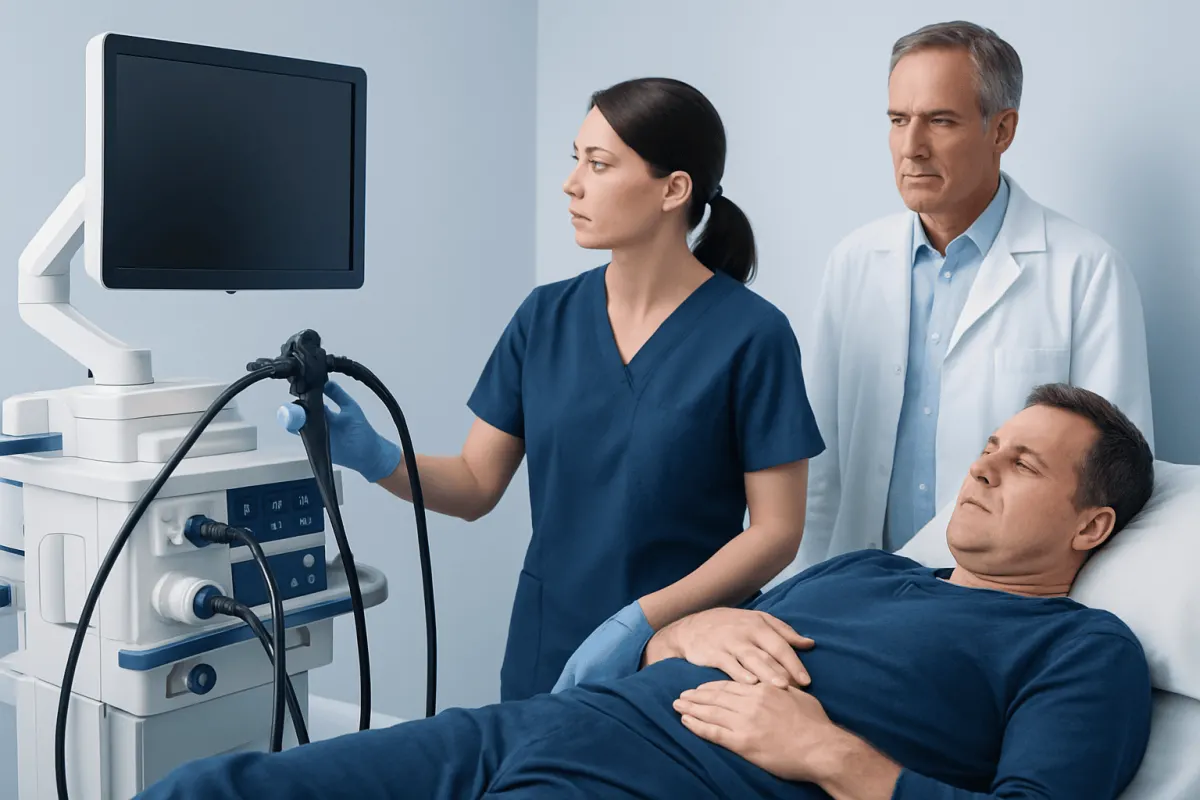
Thickening of the large intestine wall is usually a finding on a CT scan or other imaging test, rather than a diagnosis by itself. It can occur for several reasons, including temporary inflammation or infection, and should be interpreted alongside symptoms, medical history, and other test results.
Overview: what does thickening of the large intestine wall mean?
Thickening of large intestine wall means that the wall of the colon appears wider than expected on an imaging examination, most often a CT scan of the abdomen and pelvis. It is a descriptive radiology finding rather than a condition in itself. In some cases, it can be temporary or related to how well the bowel was expanded during the scan; in others, it may point to inflammation, infection, or another problem that needs assessment.
The large intestine, also called the colon, absorbs water from digested material and helps form stool. Its wall normally has several thin layers. When fluid, inflammation, swelling, bleeding, or abnormal tissue affects these layers, the wall can look thickened. The report may describe thickening as focal, meaning limited to a short segment, or diffuse, meaning it involves a larger area.
The meaning of this finding depends on the person’s symptoms, age, medicines, recent illnesses, medical history, and the detailed scan appearance. A clinician will also consider whether there are nearby changes, such as inflammation in surrounding fat, enlarged lymph nodes, a narrowed bowel segment, or complications such as an abscess. Many people do not have a serious cause, but appropriate follow-up helps ensure important conditions are not missed.
Symptoms that may occur alongside colonic wall thickening
Some people learn about colonic wall thickening during imaging performed for another reason and have no bowel symptoms. Others may have symptoms caused by the underlying condition rather than by the thickening itself. These can range from mild and short-lived to persistent or more severe.
Possible symptoms include abdominal cramping or pain, bloating, a change in bowel habits, diarrhea, constipation, nausea, reduced appetite, or feeling that bowel movements are incomplete. Infection or inflammation may also cause fever, tiredness, urgency to pass stool, or mucus in the stool.
Bleeding from the digestive tract may appear as bright red blood in stool, darker stool, or anemia identified on a blood test. Unintended weight loss, ongoing fatigue, persistent change in bowel habits, or a new bowel problem later in adulthood should be discussed with a doctor. These symptoms do not automatically mean cancer, but they warrant careful evaluation.
- Symptoms lasting more than a few days or repeatedly returning deserve medical advice.
- The absence of symptoms does not always remove the need for follow-up after an abnormal scan.
- A person should bring the imaging report and, if possible, the scan images to their appointment.
What can cause the large intestine wall to thicken?
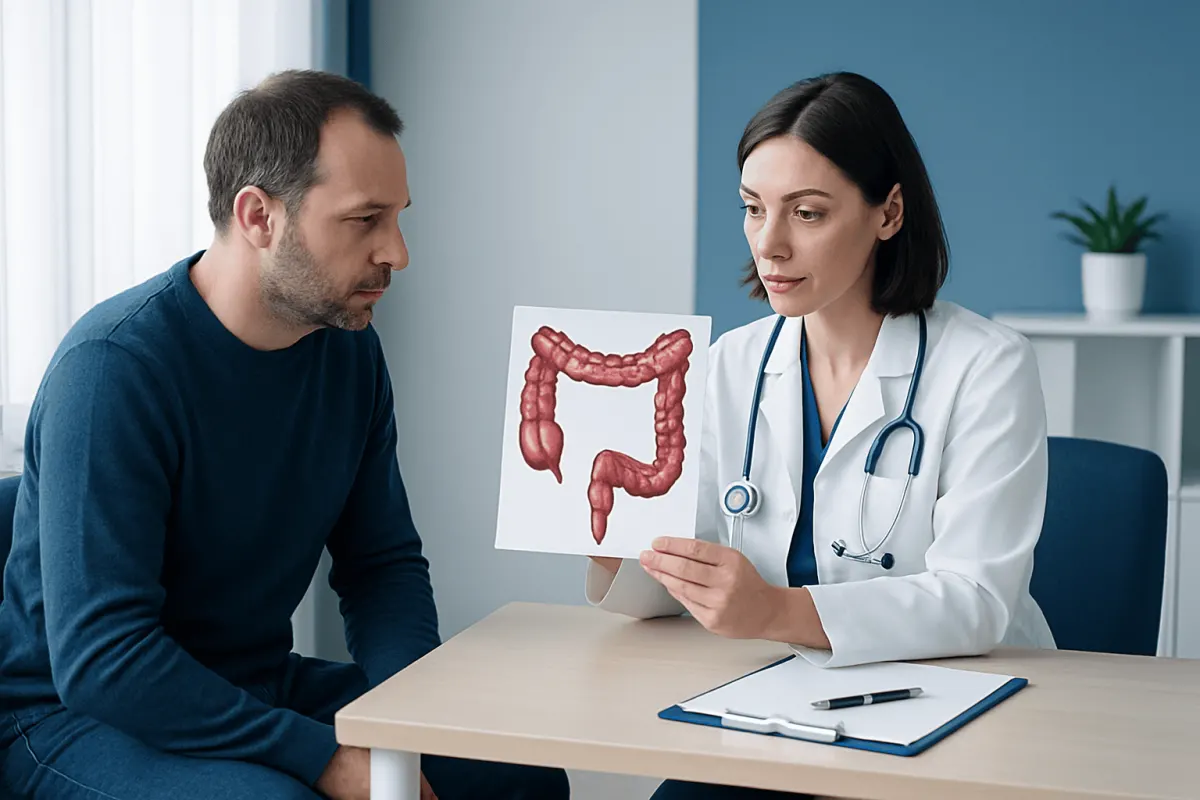
Inflammation is a common explanation. It may result from inflammatory bowel disease, including Crohn’s disease or ulcerative colitis, which can cause recurring digestive symptoms and inflammation over time. The location and pattern of involvement on imaging can help distinguish these conditions, although colonoscopy and tissue samples may be needed for confirmation.
Infectious colitis, sometimes caused by bacteria, viruses, or parasites, can also lead to short-term wall thickening. It may develop with diarrhea, abdominal pain, fever, or recent exposure to contaminated food or water. Antibiotics are not always needed; treatment depends on the likely organism, illness severity, hydration status, and test results.
Other possible causes include diverticulitis, in which small pouches in the colon become inflamed; ischemic colitis, where blood supply to part of the colon is reduced; and edema from broader health conditions that cause fluid retention. Prior radiation treatment, certain medicines, and reduced blood flow in severe illness can also affect the bowel wall. Diverticulitis is one condition that may produce localized thickening, commonly in the lower part of the colon.
Less commonly, a growth in the colon, including colorectal cancer, can cause focal or irregular thickening and narrowing. Imaging alone cannot always determine the cause with certainty. This is why clinicians may recommend further assessment, particularly when thickening is localized, unexplained, associated with anemia or weight loss, or found in someone with risk factors for colorectal cancer.
How doctors interpret the scan finding
Radiologists assess more than wall thickness. They consider which section is affected, whether the colon was adequately expanded, and whether the thickening is smooth, symmetrical, irregular, or mass-like. They also evaluate the length of bowel involved and look for signs outside the bowel, including inflammation of the surrounding tissues, fluid collections, obstruction, enlarged lymph nodes, or changes in nearby organs.
Diffuse, smooth thickening can occur with inflammation, infection, or bowel swelling. A short, irregular, or asymmetric segment may require closer investigation, although no single imaging feature makes a diagnosis on its own. The scan report should be reviewed in context rather than interpreted as a stand-alone result.
A doctor will ask about recent diarrhea or travel, dietary exposures, family history of colorectal cancer or inflammatory bowel disease, prior colonoscopy findings, cardiovascular conditions, smoking, and medicines. Nonsteroidal anti-inflammatory drugs, blood thinners, antibiotics, and immune-suppressing treatments can be relevant in certain situations.
It is also important to know whether the scan was performed during an acute illness. A follow-up plan may differ for a person whose symptoms and inflammatory markers improve promptly compared with someone who has persistent symptoms or an unexplained abnormality.
Tests that may be recommended
The next step is individualized. A clinician may begin with a physical examination and blood tests to check for anemia, infection, inflammation, dehydration, kidney function, or changes in electrolytes. Stool testing may be helpful when diarrhea or infection is suspected, particularly if symptoms are severe, prolonged, or occur after antibiotic use or travel.
Colonoscopy is often considered when there is persistent bleeding, anemia, a concerning scan pattern, ongoing bowel changes, unexplained weight loss, or a need to assess for inflammatory bowel disease or colorectal cancer. During colonoscopy, a gastroenterologist examines the colon lining directly and may take small tissue samples, called biopsies. Biopsies help identify inflammation, infection-related changes, precancerous polyps, or cancer.
Not everyone with an incidental finding needs an urgent colonoscopy. The decision depends on the imaging details, age, screening history, symptoms, and overall health. In selected cases, a doctor may recommend observation, repeat assessment after acute symptoms settle, or alternative imaging. Colonoscopy can be both a diagnostic examination and, when polyps are found, an opportunity for their removal.
Patients should not delay recommended follow-up because symptoms have improved without first discussing the result with their clinician. A resolved infection may explain some findings, but the appropriate next step should be based on the complete clinical picture.
Treatment and day-to-day care
Treatment targets the cause of the wall thickening rather than the imaging finding itself. For example, infectious colitis may require fluids, rest, and sometimes targeted medication; inflammatory bowel disease may need anti-inflammatory or immune-modifying therapy; and diverticulitis management depends on the severity and whether complications are present. Reduced blood flow to the colon requires prompt medical assessment and treatment of contributing factors.
If testing identifies a polyp, cancer, or another structural problem, the care team will explain the appropriate treatment options. These may include endoscopic treatment, surgery, medication, or a combination of approaches. Colon cancer treatment is planned according to the type, location, and stage of disease, as well as the person’s general health and preferences.
While awaiting medical advice, maintaining hydration is especially important if diarrhea or vomiting is present. A person may find that smaller, simple meals are easier to tolerate during an acute digestive illness. However, they should avoid self-starting antibiotics, anti-diarrheal medicines, or anti-inflammatory pain relievers without professional guidance, as these can be unsuitable in some bowel conditions.
For people with an established chronic bowel condition, following the agreed treatment plan, attending monitoring appointments, and reporting symptom changes are important. Acıbadem Health Point’s multidisciplinary specialists and JCI-accredited hospitals can assess digestive symptoms and coordinate diagnostic and treatment care for international patients.
When to seek medical care
A person should arrange a medical review after being told that they have thickening of the large intestine wall, even if symptoms are mild or absent. The timing depends on the scan findings and personal risk factors, so it is best to ask the clinician who ordered the scan or a gastroenterologist what follow-up is appropriate.
Urgent medical care is needed for severe or worsening abdominal pain, a swollen or rigid abdomen, repeated vomiting, high fever, fainting, confusion, inability to keep fluids down, or signs of significant dehydration. Prompt assessment is also important for heavy rectal bleeding, black tar-like stools, or weakness and dizziness that may suggest substantial blood loss.
Medical advice should also be sought soon for ongoing diarrhea, blood in the stool, unexplained weight loss, persistent fever, new constipation or narrowing of stools, or symptoms that do not improve as expected. People with known inflammatory bowel disease, weakened immunity, significant heart or blood-vessel disease, or a history of colorectal cancer should discuss new bowel symptoms early.
Most causes can be clarified through a structured evaluation. Seeking timely advice supports safe symptom relief and helps clinicians identify whether monitoring, testing, or treatment is needed.
Frequently asked questions
01Is thickening of the large intestine wall always serious?
No. It is a scan finding that can occur with temporary inflammation, infection, or even incomplete expansion of the bowel during imaging. However, it should be reviewed by a clinician because the cause cannot be determined from the phrase alone.
02Can constipation cause colon wall thickening?
Constipation can be associated with abdominal symptoms and, in severe cases, pressure-related changes in the bowel. However, clinicians will consider other explanations for wall thickening, especially if it is focal, persistent, or accompanied by bleeding, pain, or weight loss.
03Does colon wall thickening mean cancer?
No. Cancer is one possible but less common cause, and many cases are related to inflammation, infection, or diverticular disease. Further testing may be recommended if imaging features or symptoms raise concern.
04Will I need a colonoscopy after a CT scan shows bowel wall thickening?
Not always. The need for colonoscopy depends on the scan pattern, symptoms, age, prior screening, blood test results, and personal or family history. A doctor can explain whether it is the most useful next test.
05Can colonic wall thickening go away?
Yes. Thickening caused by a short-term infection or inflammation may improve as the underlying issue resolves. Follow-up depends on the original cause and whether symptoms or concerning imaging findings continue.
06What should I bring to my gastroenterology appointment?
Bring the written imaging report, scan images if available, a list of medicines and supplements, and details about symptoms such as timing, bowel changes, fever, and bleeding. Family history of bowel disease or colorectal cancer and previous colonoscopy reports are also helpful.
This article is for general information only and is not a substitute for professional medical advice. Please consult a qualified doctor about your individual situation.
Persistent digestive symptoms? Get evaluated in Turkey
JCI-accredited · board-certified surgeons · reply within 24h
Add us as a Preferred Source to see more of our trusted health content across Google Search, AI Overviews and Discover.