At-Home Ferritin Test Kit: Using Your Results
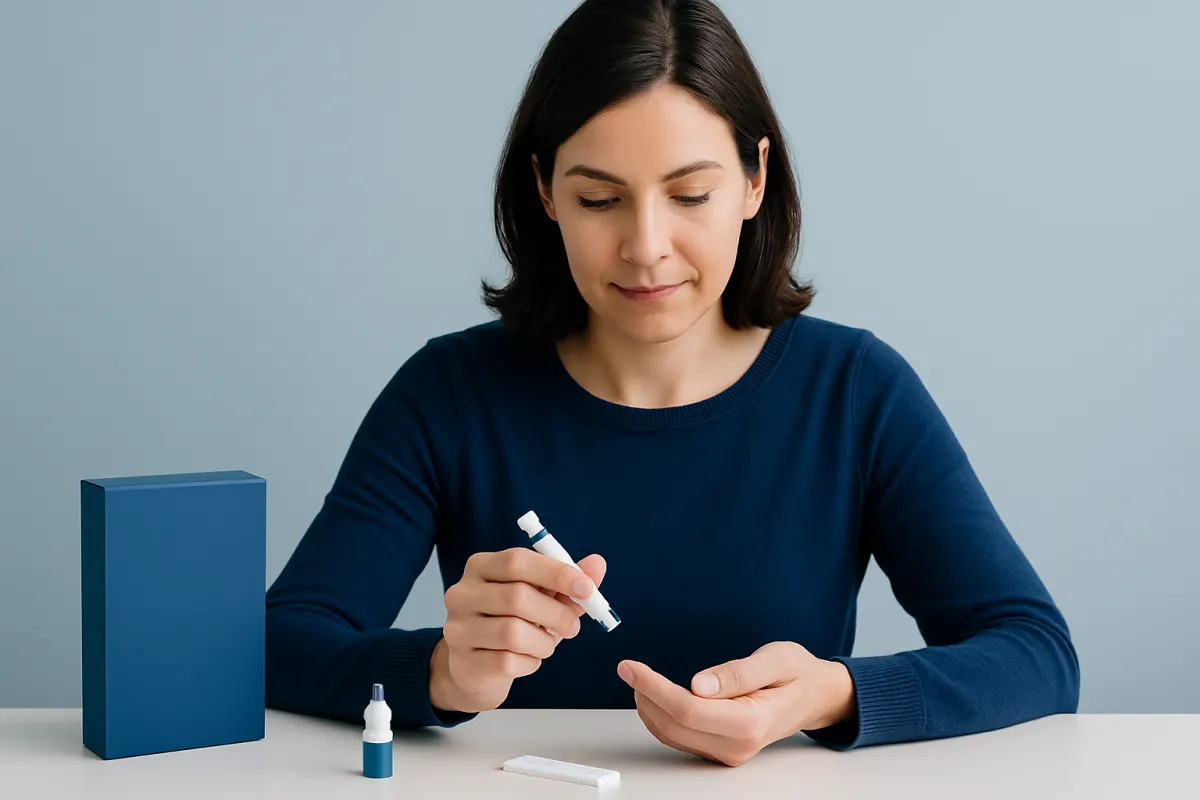
An at home ferritin test kit uses a small finger-prick blood sample to estimate ferritin, a protein that reflects the body’s stored iron. It can be a convenient screening tool, but results should be interpreted alongside symptoms, medical history, and, when needed, laboratory testing arranged by a clinician.
Overview: What an At Home Ferritin Test Kit Checks
An at home ferritin test kit is designed to measure ferritin in a small blood sample collected with a finger prick. Ferritin is a protein that stores iron, mainly in the liver, spleen, and bone marrow. In most situations, the ferritin level gives clinicians a useful estimate of the body’s iron reserves.
Some kits provide a result through a laboratory after the sample is mailed in, while others may offer a rapid, less detailed result at home. The instructions, sample requirements, and reporting methods differ between products, so the package directions should always be followed carefully. A home result can help someone decide whether to discuss symptoms or nutrition with a healthcare professional, but it does not replace a full assessment.
Ferritin is often checked when a person has symptoms that may be linked with low iron, such as ongoing tiredness, reduced exercise tolerance, dizziness, headaches, paleness, restless legs, or hair shedding. These symptoms are common and can have many causes, so ferritin should not be interpreted in isolation.
How to Use a Home Ferritin Test Safely
Most mail-in tests include a lancet, collection device, cleansing wipe, bandage, and instructions for packaging the sample. The person usually washes and warms their hands, cleans a fingertip, uses the lancet on the side of the fingertip, and allows blood drops to fill the collection tube or marked card. Warming the hand and keeping it below heart level briefly can help blood flow.
Before collecting the sample, it is important to check the kit’s expiry date, read the instructions in full, and register the test if registration is required. Inadequate sample volume, touching the collection area, contamination, or delays in posting can make a sample unusable. If a laboratory reports that the sample could not be processed, a repeat test may be necessary.
Finger-prick testing generally requires no recovery period. Mild tenderness or a small bruise at the puncture site can occur and usually settles quickly. Applying gentle pressure and using the supplied bandage is normally sufficient. Anyone who has a bleeding disorder, takes anticoagulant medication, or feels faint with blood tests should ask a clinician or pharmacist whether home sampling is appropriate.
How Long Does It Take to Get a Ferritin Test Result Back?

The timing depends on the type of kit and the laboratory service used. A rapid test may give an indication within minutes, whereas a mail-in kit usually requires time for postal delivery, laboratory processing, quality checks, and online reporting. Many services report results within several days after the laboratory receives the sample, but the exact timeframe should be confirmed with the individual provider.
A blood test ordered through a clinic or hospital laboratory may sometimes be available the same day or within a few days, depending on local laboratory workflows. If a result is needed urgently because of severe symptoms, pregnancy-related concerns, significant bleeding, or a known medical condition, a clinician-arranged blood test is generally more suitable than waiting for a home kit.
Results may be presented as a number with a reference range. Reference ranges vary between laboratories because of differences in testing methods and populations. It is therefore best to use the range shown on the individual report rather than comparing a value with a range found elsewhere online.
How Reliable Are At Home Ferritin Tests?
A properly collected home blood sample that is analyzed by an accredited laboratory can provide useful information. However, reliability depends on correct sample collection, safe transport, the laboratory method, and whether the sample quality is sufficient. A finger-prick capillary sample may not always match a venous blood sample taken from a vein, particularly if collection conditions are poor or the result is near a decision threshold.
Home testing also has an important limitation: it measures a laboratory marker but cannot explain why the level is low, normal, or high. Low ferritin may result from low dietary iron intake, menstrual blood loss, pregnancy, blood donation, gastrointestinal blood loss, reduced absorption, or other causes. A clinician may need to request a full blood count, transferrin saturation, C-reactive protein, and other tests to interpret the result properly.
Ferritin can increase as part of the body’s response to inflammation or infection. This means a normal or raised result may occasionally mask low iron stores. People with chronic inflammatory conditions, liver disease, kidney disease, or recent illness should discuss the most appropriate testing approach with a doctor rather than relying only on a home result.
What Not to Do Before a Ferritin Test?
For ferritin testing alone, fasting is usually not required. However, the instructions supplied with the kit or the clinician’s advice should take priority, especially when ferritin is being measured alongside other blood tests that may have different preparation requirements. Drinking water is generally helpful before a finger-prick sample because dehydration can make collection more difficult.
Unless a healthcare professional has advised otherwise, people should avoid making sudden changes to prescribed medicines before testing. It is sensible to tell the clinician or testing service about iron supplements, multivitamins containing iron, recent intravenous iron treatment, blood transfusions, and any current illness. These factors can affect interpretation, even if they do not always invalidate the test.
It may be best to postpone non-urgent testing during a fever, active infection, or shortly after a major inflammatory illness or surgery, because ferritin can rise during inflammation. Strenuous exercise immediately before sampling may also temporarily affect some blood markers. For the clearest guidance, the person should ask the healthcare professional who will interpret the result.
Why Don't Doctors Care About Ferritin Levels?
Doctors do care about ferritin levels, but they do not make decisions based on ferritin alone. Ferritin is valuable because it can identify depleted iron stores, often before changes appear in hemoglobin or red blood cell measurements. At the same time, it is an acute-phase reactant, meaning it may rise when the body is dealing with inflammation, infection, or tissue injury.
For this reason, clinicians consider the whole picture: symptoms, diet, menstrual history, pregnancy status, medications, family history, examination findings, and other laboratory results. A low ferritin result may lead to assessment for iron deficiency and its cause. A high result may warrant review for inflammation, liver conditions, excess iron in selected cases, or other explanations, rather than automatically meaning there is too much dietary iron.
Iron deficiency can occur with or without anemia. When testing suggests iron deficiency or anemia, a clinician may assess related conditions such as iron deficiency anemia and determine whether further investigations are appropriate. This careful approach helps avoid missing an underlying cause and avoids unnecessary iron treatment.
Understanding Results and Next Steps
A low ferritin level commonly suggests reduced iron stores. A healthcare professional may recommend dietary review, further blood testing, and treatment when appropriate. Iron-rich foods include meat, fish, legumes, lentils, tofu, fortified cereals, leafy green vegetables, nuts, and seeds; vitamin C-containing foods can improve absorption of plant-based iron sources.
Iron supplements can be useful for confirmed deficiency, but they are not suitable for everyone and may cause digestive side effects. More importantly, supplements can delay recognition of ongoing blood loss or another underlying problem if taken without assessment. A clinician can advise whether treatment is needed, what follow-up testing is appropriate, and whether the cause requires investigation.
A result in the laboratory reference range does not guarantee that symptoms are unrelated to iron or that no further assessment is needed. Persistent fatigue, breathlessness, changes in weight, digestive symptoms, heavy periods, or symptoms of chronic illness deserve medical review. Acıbadem Health Point’s multidisciplinary specialists and JCI-accredited hospitals can assess iron-related concerns and arrange appropriate diagnostic testing for international patients.
When to Seek Medical Care
Medical advice should be sought promptly for severe or worsening shortness of breath, chest pain, fainting, a very rapid heartbeat, confusion, or marked weakness. These symptoms require timely assessment and should not be managed with a home test kit alone.
A routine appointment is also important for persistent fatigue, unexplained low ferritin, heavy or prolonged menstrual bleeding, black or bloody stools, ongoing abdominal symptoms, unintended weight loss, or recurrent iron deficiency. Adults with a new low ferritin result who do not have an obvious explanation should discuss it with a qualified clinician.
Pregnant people, children, older adults, people with known bowel disease, and those with a history of gastrointestinal surgery should seek individualized advice. Their iron needs, possible causes of deficiency, and test interpretation may differ from those of other adults.
Frequently asked questions
01Can an at home ferritin test diagnose iron deficiency?
A home ferritin test can indicate whether iron stores may be low, but it cannot diagnose the cause of iron deficiency on its own. A clinician may confirm the result with laboratory testing and consider a full blood count and other iron studies. They can also assess whether blood loss, reduced absorption, diet, or another issue is contributing.
02Do I need to fast for an at home ferritin test kit?
Fasting is usually not necessary for ferritin testing alone. However, the kit instructions should be followed, particularly if the service measures additional markers. Drinking water beforehand may make finger-prick collection easier.
03What does a low ferritin result mean?
A low ferritin result often indicates that the body’s stored iron is reduced. It may occur before anemia develops and can be associated with symptoms such as fatigue or reduced exercise capacity. A healthcare professional should help identify the cause and decide whether treatment is needed.
04Can ferritin be high even when iron is low?
Yes. Ferritin can increase during infection, inflammation, liver disease, and other conditions because it is an acute-phase reactant. In these settings, a clinician may use other tests, such as transferrin saturation and inflammatory markers, to assess iron status more accurately.
05Should iron supplements be started after a low home ferritin result?
It is best to speak with a clinician before starting iron supplements, especially if the result is significantly low, symptoms are present, or the cause is unclear. Iron is not appropriate for every person, and treatment should not replace investigation of possible bleeding or absorption problems. A clinician can recommend a safe plan and follow-up testing.
06Can menstruation affect ferritin levels?
Regular menstrual blood loss can contribute to lower iron stores over time, particularly when periods are heavy or prolonged. Testing can be done during menstruation unless the kit provider says otherwise, but menstrual history is important when interpreting a low result. Heavy bleeding should be discussed with a healthcare professional.
This article is for general information only and is not a substitute for professional medical advice. Please consult a qualified doctor about your individual situation.
Hair transplant in Turkey — costs, graft counts & a free assessment
JCI-accredited · board-certified surgeons · reply within 24h
Add us as a Preferred Source to see more of our trusted health content across Google Search, AI Overviews and Discover.