What Are Dental Implants? Procedure, Parts, and How They Work

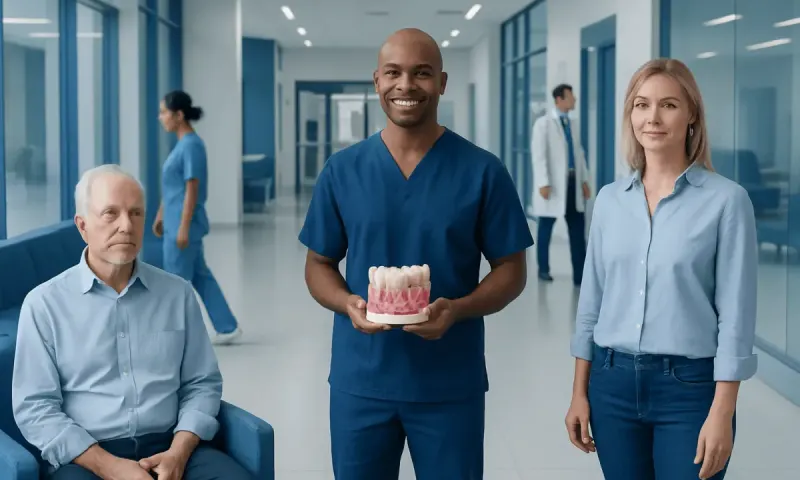
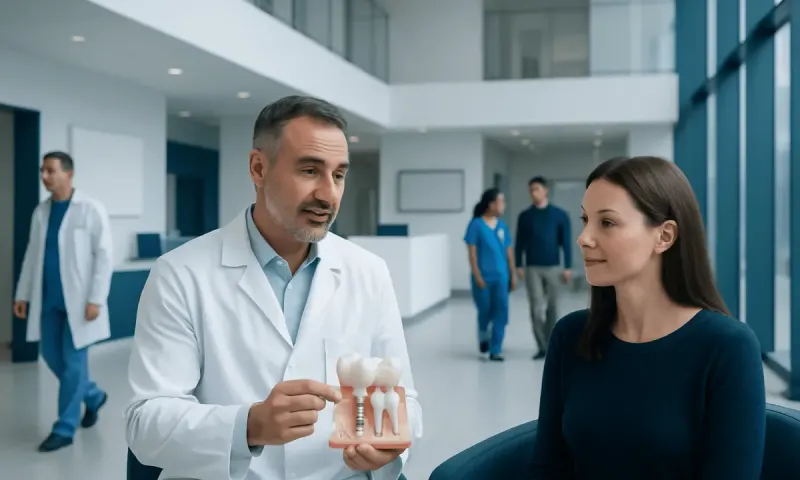
Dental implants are long-term tooth replacement solutions designed to act like natural tooth roots and support crowns, bridges, or full-arch restorations. They can improve chewing, speech, and smile appearance when planned and placed by qualified dental professionals.
Overview: What dental implants are
Dental implants are artificial tooth roots, usually made from biocompatible materials such as titanium or ceramic, that are placed into the jawbone to support a replacement tooth or teeth. They are used when a person has lost one tooth, several teeth, or even all teeth in an arch. Because they sit in the bone, implants aim to provide a stable foundation that feels more secure than many removable options.
Once healed, an implant can support a crown for a single missing tooth, a bridge for several missing teeth, or a full-arch fixed restoration. This makes implants a versatile option for tooth replacement. In many cases, they are chosen to help restore chewing function, improve speech, and maintain a natural-looking smile.
Dental implants do not simply fill a gap above the gumline. They also help transmit chewing forces into the jawbone, which is one reason they are often considered a functional as well as cosmetic treatment. For many patients, this can contribute to better comfort and confidence in daily life.
Parts of a dental implant and how they work
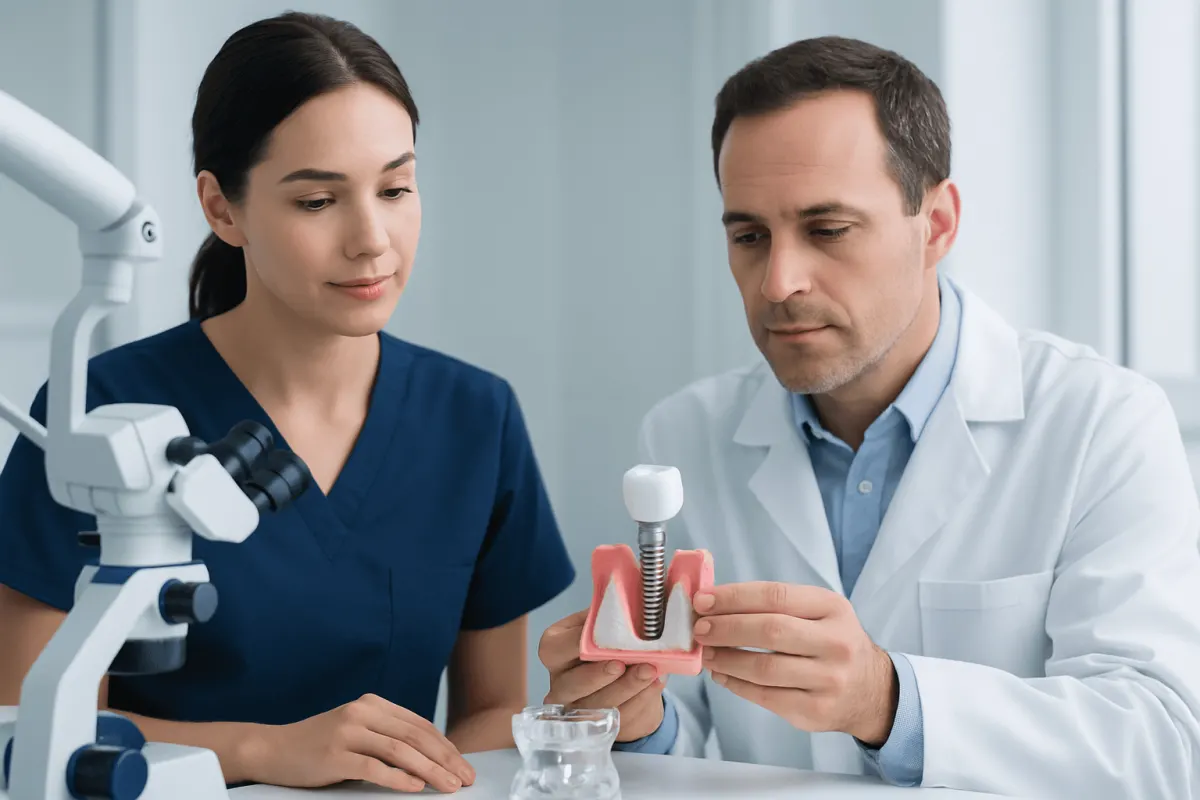
A dental implant system usually has three main parts. The first is the implant post, which is surgically placed into the jawbone. The second is the abutment, a connector piece that attaches to the implant and extends above the gumline. The third is the restoration, such as a crown, bridge, or denture, which is the visible tooth replacement.
The key to how dental implants work is a healing process called osseointegration. During this process, the surrounding bone gradually bonds with the implant surface. This creates a firm connection that can support biting and chewing. Osseointegration takes time, and healing speed varies from person to person.
Depending on the treatment plan, the visible replacement may be a single crown, a multi-unit bridge, or a full-arch prosthesis. Some people need just one implant, while others may be treated with solutions such as full-arch implant treatment or an implant-supported full-mouth restoration. The exact design depends on the number of missing teeth, the amount of available bone, and the patient’s goals.
- Implant post: placed in the jawbone
- Abutment: connects the implant to the replacement tooth
- Restoration: the crown, bridge, or denture seen in the mouth
Who may benefit from dental implants

Dental implants may be suitable for adults who have one or more missing teeth and want a fixed, stable replacement. They are commonly considered when a person has difficulty chewing, is unhappy with a removable denture, or wants to avoid trimming neighboring teeth for a bridge. A carefully planned implant can often restore both function and appearance.
Good candidates usually have healthy gums, enough jawbone to support the implant, and a commitment to oral hygiene. However, not having enough bone does not always rule out treatment. In some situations, dentists may recommend bone grafting before implant placement to improve support.
Certain health and lifestyle factors can affect success and healing. Smoking, uncontrolled diabetes, active gum disease, teeth grinding, and some medications may increase the risk of complications. A dentist or oral surgeon will review the person’s medical history, oral condition, and expectations before deciding whether implants are appropriate.
The dental implant procedure step by step
The implant process usually begins with consultation and planning. The dentist examines the mouth, reviews medical history, and often uses dental X-rays or 3D imaging to assess bone and anatomy. If a damaged tooth is still present, it may need to be removed first. Some patients can have extraction and implant placement during the same general treatment phase, while others need a healing period in between.
During implant surgery, the implant post is placed into the jawbone under local anesthesia, sedation, or another suitable pain-control approach. The gum is then closed around or over the implant, depending on the technique used. Mild swelling, discomfort, or bruising can occur afterward, but this is usually temporary and managed with standard postoperative care.
Healing takes place over several weeks to months while the implant integrates with the bone. In some cases, a temporary tooth may be placed during this period. After adequate healing, the abutment is attached and impressions or digital scans are taken so the final crown or prosthesis can be made. For many patients, the overall journey is coordinated within a comprehensive dental implant treatment plan.
Advanced planning tools can help improve precision in suitable cases. Some centers may use guided systems or robot-assisted implant planning and placement to support accuracy, though the best approach depends on individual anatomy and clinical needs.
Benefits, limitations, and possible risks
Dental implants can offer several benefits. They are designed to feel stable, help preserve chewing ability, and support facial appearance by replacing missing teeth in a way that mimics the role of a natural root. Unlike removable dentures, implant-supported teeth do not usually shift during normal speaking or eating, which many people find reassuring.
They also have limitations. Treatment can take months from planning to final restoration, especially if extractions, bone grafting, or gum treatment are needed. Cost, healing time, and the need for surgery may make some patients consider other options, such as a traditional dental bridge or removable prosthesis.
As with any procedure, there are possible risks. These can include infection, poor healing, implant loosening, nerve irritation, sinus issues in some upper-jaw cases, or failure of osseointegration. Risk does not mean problems will happen, but it highlights the importance of careful diagnosis, good surgical technique, and long-term follow-up.
Implants also require maintenance. They cannot get cavities like natural teeth, but the surrounding tissues can still develop inflammation. If plaque builds up, a patient can develop peri-implant mucositis or peri-implantitis, conditions that can threaten the gum and bone around the implant. Good cleaning habits and regular professional care remain essential.
Diagnosis, planning, and aftercare
Thorough planning is one of the most important parts of successful implant treatment. The dental team evaluates the bite, gum condition, bone volume, sinus position in the upper jaw, and the spacing between teeth. 3D cone beam imaging may be used to create a more detailed view of the anatomy, helping the clinician choose implant size and position.
After placement, healing visits are scheduled to monitor the implant and surrounding gum. The dentist checks whether the tissues are recovering well and whether the implant is integrating as expected. Once the final restoration is fitted, regular maintenance visits continue so the bite, prosthesis, and oral hygiene can be reviewed over time.
At home, patients are usually advised to brush carefully, clean between teeth and around implants with tools recommended by their dentist, and avoid habits that overload the implant, such as chewing very hard items. People who clench or grind may need protective night guards. Ongoing care often overlaps with routine general dental care to help protect both implants and natural teeth.
Prevention, self-care, and when to see a dentist
The best way to reduce the need for tooth replacement is to prevent tooth loss when possible. Regular brushing with fluoride toothpaste, daily interdental cleaning, balanced nutrition, and routine dental checkups all support oral health. Prompt treatment of decay, trauma, and gum disease can help preserve natural teeth for longer.
People who already have implants should continue daily home care and professional cleanings. It is helpful to report any new symptoms early, such as bleeding when brushing around the implant, persistent bad taste, pain when chewing, loosening of the crown, or swelling of the gum. Early assessment may prevent a small issue from becoming more complex.
A dentist should also be consulted if a person is considering implants after tooth loss, dentures that do not fit well, or repeated problems with chewing and speech related to missing teeth. If there is active gum disease or infection, that usually needs treatment first. In complex cases, multidisciplinary specialists can help coordinate care; Acıbadem Health Point’s JCI-accredited hospitals provide diagnosis and treatment for international patients through experienced dental teams.
Frequently asked questions
01Are dental implants permanent?
Dental implants are designed as a long-term solution, but they are not considered lifetime guarantees. How long they last depends on bone support, gum health, oral hygiene, bite forces, and regular dental care. Many implants function well for many years when they are properly maintained.
02Does getting a dental implant hurt?
The procedure is usually performed with local anesthesia, so the area is numbed during surgery. Some soreness, swelling, or bruising can happen afterward, but these effects are often temporary. The dental team provides advice on recovery and comfort measures.
03How long does the dental implant process take?
The full process may take a few months, although timelines vary widely. Some patients need extractions, gum treatment, or bone grafting before the implant can be restored. The healing period is important because the implant needs time to integrate with the jawbone.
04Can anyone get dental implants?
Not everyone is an immediate candidate, but many people can be evaluated for treatment. Healthy gums, adequate bone, and stable overall health improve the chances of success. A dentist will also consider smoking, uncontrolled medical conditions, and oral habits such as grinding.
05What is the difference between a dental implant and a bridge?
A dental implant replaces the root of a missing tooth and supports a crown or other restoration from within the jawbone. A bridge replaces the visible tooth gap by anchoring to neighboring teeth or implants. The best choice depends on the condition of surrounding teeth, bone support, and patient preference.
06How should a person clean dental implants?
Implants should be cleaned daily just like natural teeth, using brushing and interdental cleaning methods recommended by a dentist. Professional checkups and cleanings are also important because the tissues around implants can become inflamed if plaque builds up. Good maintenance helps protect both the implant and the surrounding bone.
This article is for general information only and is not a substitute for professional medical advice. Please consult a qualified doctor about your individual situation.
Explore treatments in Turkey — costs, top hospitals & a free quote
JCI-accredited · board-certified surgeons · reply within 24h
Add us as a Preferred Source to see more of our trusted health content across Google Search, AI Overviews and Discover.