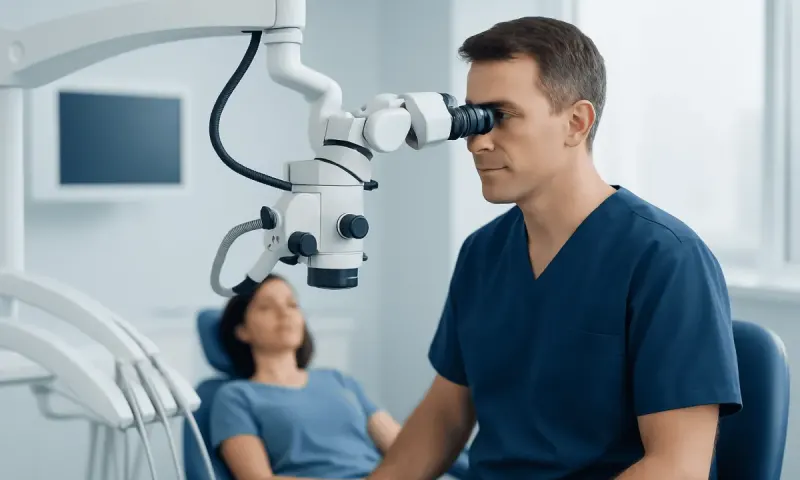
What Affects Zygomatic Implants Cost?
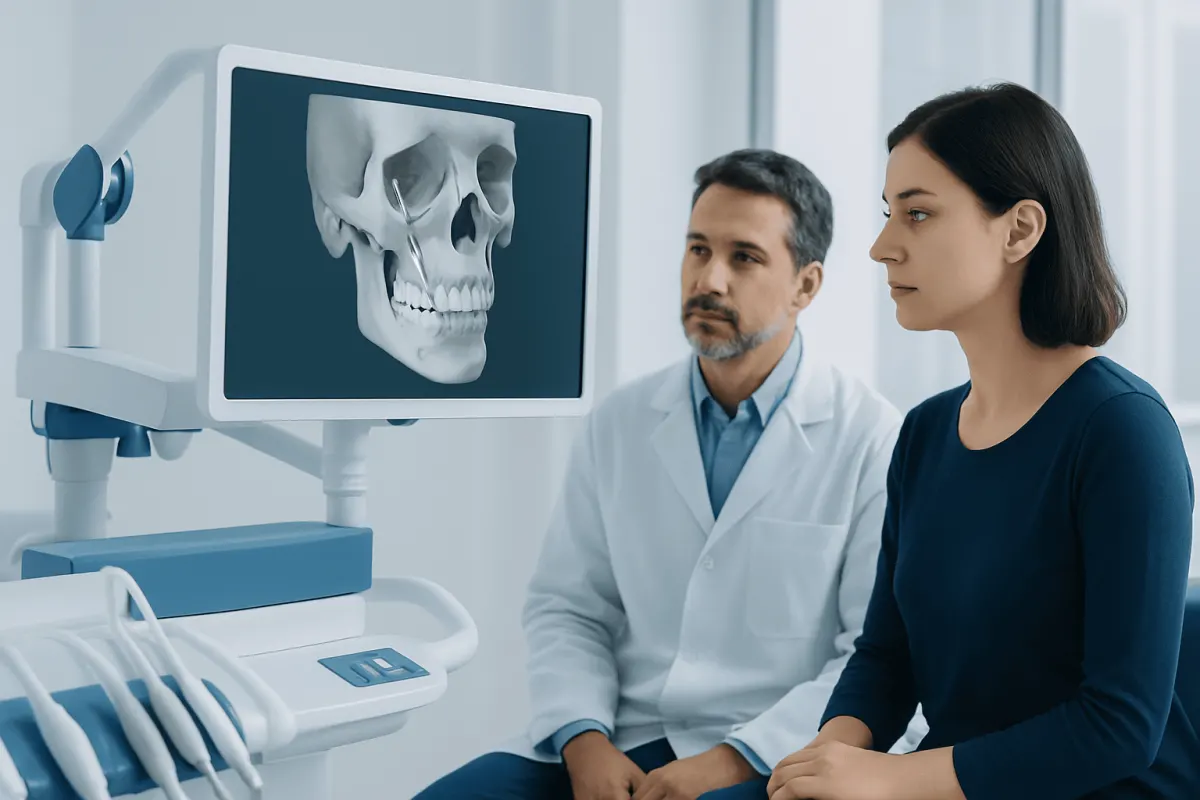
Zygomatic implants cost cannot be estimated reliably from a single advertised figure because this advanced full-arch treatment is planned around an individual’s jaw anatomy, restoration needs, surgical complexity, and aftercare. A written treatment plan should explain what is included, alternatives that may be appropriate, and the expected long-term maintenance needs.
Overview: what determines zygomatic implants cost?
Zygomatic implants cost varies considerably because the procedure is not a standard single-tooth implant treatment. Zygomatic implants are longer implants placed into the zygomatic bone, commonly called the cheekbone, to support replacement teeth in the upper jaw when there is not enough maxillary bone for conventional implants. The final cost should be based on a personalised clinical plan rather than a general online quote.
A complete estimate may include consultations, three-dimensional imaging, laboratory planning, surgical fees, anaesthesia or sedation, implants and components, a temporary bridge, the final fixed restoration, medicines, reviews, and any required management of sinus or gum conditions. The experience of the surgical and restorative team, the materials selected, and whether treatment is completed locally or involves travel can also affect the overall plan.
People sometimes search for a zygomatic implants cost per tooth, but this can be misleading. These implants are often used as part of a full-arch solution, where several implants work together to support a bridge. Comparing written plans item by item is more useful than comparing a headline zygomatic implants price.
How zygomatic implants work and who may be a candidate
Conventional upper-jaw implants are placed in the maxilla. When that bone has shrunk after long-term tooth loss, periodontal disease, trauma, previous surgery, or other causes, it may not provide adequate anchorage. Zygomatic implants follow a carefully planned path to engage the dense cheekbone, while other implants may be placed in available front-jaw bone to support a fixed full-arch bridge.
Potential candidates usually have extensive bone loss in the upper jaw, are missing most or all upper teeth, or have had difficulties with previous implant treatment. They need a thorough dental and medical assessment, including examination of the gums, bite, jaw relationship, sinus anatomy, and CT or cone-beam CT imaging. Existing gum disease and oral infections should be treated before implant surgery.
Suitability also depends on general health, smoking or nicotine use, oral hygiene ability, and expectations about healing and maintenance. Zygomatic implant surgery is technically demanding and should be planned by clinicians with specific training and experience. It is not automatically the best option for every person with bone loss; conventional implants, bone augmentation, removable dentures, or other restorative choices may be appropriate.
What happens during the procedure?

Planning begins with detailed imaging and digital or laboratory-based assessment of the proposed final teeth. The team considers facial support, speech, lip position, bite forces, and access for cleaning, as well as the safest route for each implant. The treatment plan should identify whether teeth need to be removed and whether any sinus or soft-tissue care is needed before or during surgery.
During the operation, performed with local anaesthesia plus sedation or with general anaesthesia when appropriate, the surgeon prepares implant sites through the upper jaw and carefully places the zygomatic implants into the cheekbone. Additional conventional implants may be used where suitable. When stability and clinical conditions allow, a temporary fixed bridge may be attached on the same day or soon after surgery.
After early healing, the restorative dentist reviews comfort, bite, speech, and hygiene access before making the final bridge. This stage matters: the visible teeth, the fit of the bridge, and the ability to clean beneath it all influence comfort and long-term health. Patients considering advanced implant rehabilitation can learn more about zygomatic implant treatment as part of a specialist consultation.
Recovery timeline, benefits, and possible risks
Recovery differs between individuals and according to the extent of surgery. Swelling, bruising, nasal congestion, mild bleeding, and discomfort can occur during the first days. A clinician may recommend a soft diet, careful oral hygiene measures, prescribed medicines when needed, and avoidance of smoking, heavy exercise, and actions that increase pressure in the sinus area during the early phase.
Many people return gradually to routine daily activities within days, while dietary progression and adaptation to temporary teeth take longer. The final bridge is commonly provided only after the team is satisfied with healing and stability. Regular check-ups remain important even after the final restoration is fitted, because implants and surrounding tissues need lifelong monitoring.
A key potential benefit is avoiding or reducing the need for major bone grafting in selected people with severe upper-jaw bone loss. However, zygomatic implants carry specific risks because of their proximity to the sinuses, eye socket, and other facial structures. Possible complications include sinus symptoms or sinusitis, infection, swelling, altered sensation, gum recession, implant failure, bite or bridge problems, and the need for further treatment. Careful imaging and follow-up reduce risk but cannot remove it entirely.
What are the disadvantages of zygomatic implants?
The main disadvantages are that zygomatic implants involve more complex surgery than routine dental implants and are not suitable for every patient. Their placement requires advanced anatomical planning, and the procedure can involve a longer operation, more pronounced short-term swelling, and a more involved recovery than a straightforward implant placed in healthy jawbone.
Sinus-related issues are an important consideration in the upper jaw. Some patients may develop nasal or sinus symptoms, and those with active sinus disease need careful assessment. The final bridge can also be more challenging to clean than natural teeth, so patients need to be willing and able to follow daily hygiene instructions and attend professional maintenance visits.
They may also be more expensive than simpler options because of the expertise, planning, surgical time, and prosthetic work involved. A person should ask why zygomatic implants are recommended, what alternatives exist, and what complications the treating team sees and manages in practice. A second opinion can be reasonable when deciding on such a major restorative treatment.
How long do zygomatic implants last?
Zygomatic implants are intended as a long-term solution, but no implant or bridge can be promised to last for a particular number of years. Their longevity depends on successful integration with bone, accurate implant and bridge design, healthy gums and sinuses, bite forces, general health, and regular maintenance. The bridge attached to implants may need repair, adjustment, or replacement over time even when the implants remain stable.
Daily cleaning around the bridge, professional hygiene appointments, and periodic examinations are essential. Smoking, untreated gum disease, poorly controlled health conditions, clenching or grinding, and missed follow-up visits may increase the chance of biological or mechanical problems. A night guard may be advised for some people who grind their teeth.
During follow-up, clinicians assess the stability of the implants, the health of soft tissues, the fit of the bridge, and the bite. Early attention to bleeding gums, persistent discomfort, loosening, changes in speech or chewing, or sinus symptoms can help prevent smaller issues from becoming more complex.
How much are zygomatic implants in Turkey?
There is no single reliable answer to how much zygomatic implants are in Turkey. Zygomatic implants costs differ according to the clinical difficulty, the number and type of implants, whether teeth are removed, the need for temporary and final bridges, anaesthesia, imaging, laboratory work, aftercare, and the complexity of travel planning. Currency changes and differences in what clinics include also make online comparisons difficult.
Anyone requesting a quote should provide recent imaging only through a secure clinical process and should expect a final plan to depend on an in-person examination. It is sensible to ask for a written breakdown explaining the diagnostic work, surgery, implant system, provisional teeth, final restoration, accommodation or transport if offered, planned follow-up, and the approach to complications or revisions.
Online forums, including discussions about “zygomatic implants cost Reddit,” may describe personal experiences but cannot establish what is safe or appropriate for another individual. The most useful comparison is between clinically equivalent plans from appropriately qualified teams, not between advertised package prices. Acıbadem Health Point’s multidisciplinary specialists and JCI-accredited hospitals assess and treat international patients requiring complex implant rehabilitation.
What if you can't afford dental implants? When to seek medical care
If dental implants are outside a person’s budget, it is important not to delay care or attempt unregulated treatment. A dentist can discuss lower-cost, clinically suitable alternatives such as a removable partial or complete denture, an interim prosthesis, staged care, or preserving remaining teeth where possible. Financing arrangements may be available in some settings, but patients should understand the full repayment terms and never choose a treatment solely because it is promoted as inexpensive.
Seek prompt dental or medical assessment for facial swelling, fever, severe or worsening pain, pus or a bad taste, uncontrolled bleeding, trouble swallowing or breathing, persistent numbness, or significant problems after dental surgery. New or persistent nasal discharge, pressure, blockage, or recurrent sinus symptoms after upper-jaw implant treatment should also be reported to the dental team promptly.
Before making a decision, patients should arrange a consultation with a qualified implant dentist or oral and maxillofacial surgeon. They can review imaging, explain benefits and limitations, discuss alternatives, and provide an individualised treatment and cost plan that supports an informed choice.
Frequently asked questions
01Are zygomatic implants the same as ordinary dental implants?
No. Conventional implants are usually placed in the upper or lower jawbone, while zygomatic implants are longer and anchored in the cheekbone. They are mainly used for extensive bone loss in the upper jaw and require more specialised planning and surgery.
02Why does zygomatic implants cost vary so much?
The overall plan may include advanced imaging, surgical planning, anaesthesia, several implants, temporary teeth, a final bridge, and long-term follow-up. Differences in anatomy, bone loss, oral health, materials, clinician expertise, and what is included in a quote all affect the total.
03Can zygomatic implants be placed in one day?
In selected cases, implants and a temporary fixed bridge can be placed on the day of surgery or shortly afterward. Whether this is appropriate depends on implant stability, the condition of the mouth, the bite, and the surgical plan. The permanent restoration is usually made after an appropriate healing and review period.
04Do zygomatic implants hurt?
The procedure is performed with anaesthesia, so pain should be controlled during surgery. Swelling, tenderness, bruising, and congestion can occur afterward, and the dental team will give personalised instructions for comfort and recovery. Severe or worsening symptoms should be reported promptly.
05Can anyone with severe upper-jaw bone loss have zygomatic implants?
Not necessarily. A specialist needs to assess medical history, CT imaging, sinus health, remaining teeth, bite, gum condition, and ability to maintain oral hygiene. Other options may be safer or more suitable for some people.
06Will a final bridge need maintenance after zygomatic implants?
Yes. Implant-supported bridges require daily cleaning and regular professional checks. Over time, the bridge may need adjustments, repairs, or replacement because of wear, bite changes, or material complications, even if the implants remain stable.
This article is for general information only and is not a substitute for professional medical advice. Please consult a qualified doctor about your individual situation.
Explore treatments in Turkey — costs, top hospitals & a free quote
JCI-accredited · board-certified surgeons · reply within 24h
Add us as a Preferred Source to see more of our trusted health content across Google Search, AI Overviews and Discover.