Cheek Implants Cost: What Shapes Your Estimate
Cheek implants cost is not a single fixed amount because the total includes more than the implant itself, such as surgical expertise, anesthesia, operating facility charges, tests and follow-up care. A consultation with a qualified plastic surgeon is the safest way to understand whether implants are suitable and what a personalized treatment plan may involve.
Cheek Implants Cost: What Does the Total Include?
Cheek implants cost varies because each surgical plan is individualized. Rather than focusing only on the price of an implant, patients should ask for an itemized estimate that explains the complete episode of care. The final amount can be influenced by the surgeon’s training and experience, the complexity of the procedure, the type and size of implant, the anesthesia plan, and whether surgery takes place in a hospital or accredited surgical facility.
Other possible expenses include preoperative assessments, laboratory testing when needed, imaging, prescription medicines, compression or recovery supplies, follow-up appointments and treatment of an unexpected complication. Travel, accommodation and time away from work may also be relevant for people receiving care away from home. Cosmetic cheek augmentation is commonly elective, so insurance coverage is often limited; however, policies differ, particularly when reconstruction is medically necessary.
A responsible consultation should include discussion of the expected fees, what is and is not included, and the practice’s approach to follow-up or revision care. Cost is important, but it should not be the only deciding factor. Patients benefit from choosing a properly trained, licensed surgeon working in an appropriate surgical setting with clear safety and aftercare arrangements.
How Cheek Implants Work and Who May Be a Candidate
Cheek implants, also called malar implants, are solid medical-grade devices placed over the cheekbone to improve projection, contour or facial balance. They may be used to address naturally flat or less prominent cheeks, age-related volume changes, facial asymmetry or selected reconstructive needs. Implant shapes vary: some emphasize the central cheek, while others extend toward the cheekbone or midface.
During planning, the surgeon assesses facial proportions from several angles, skin and soft-tissue quality, bite and jaw relationship, previous facial procedures, and the patient’s goals. A three-dimensional appearance is important because a result that seems suitable in a photograph may not suit the face in motion. The aim is generally subtle structural support that remains proportionate to the eyes, nose, jawline and overall face.
Suitable candidates are usually adults in good general health who do not smoke or are willing to stop nicotine use as advised before and after surgery. They should have realistic expectations and be able to follow recovery instructions. People with an active oral, sinus or skin infection, uncontrolled medical conditions, certain bleeding risks, or untreated concerns about body image may need treatment postponed or further assessment before proceeding.
What Happens During Cheek Implant Surgery?
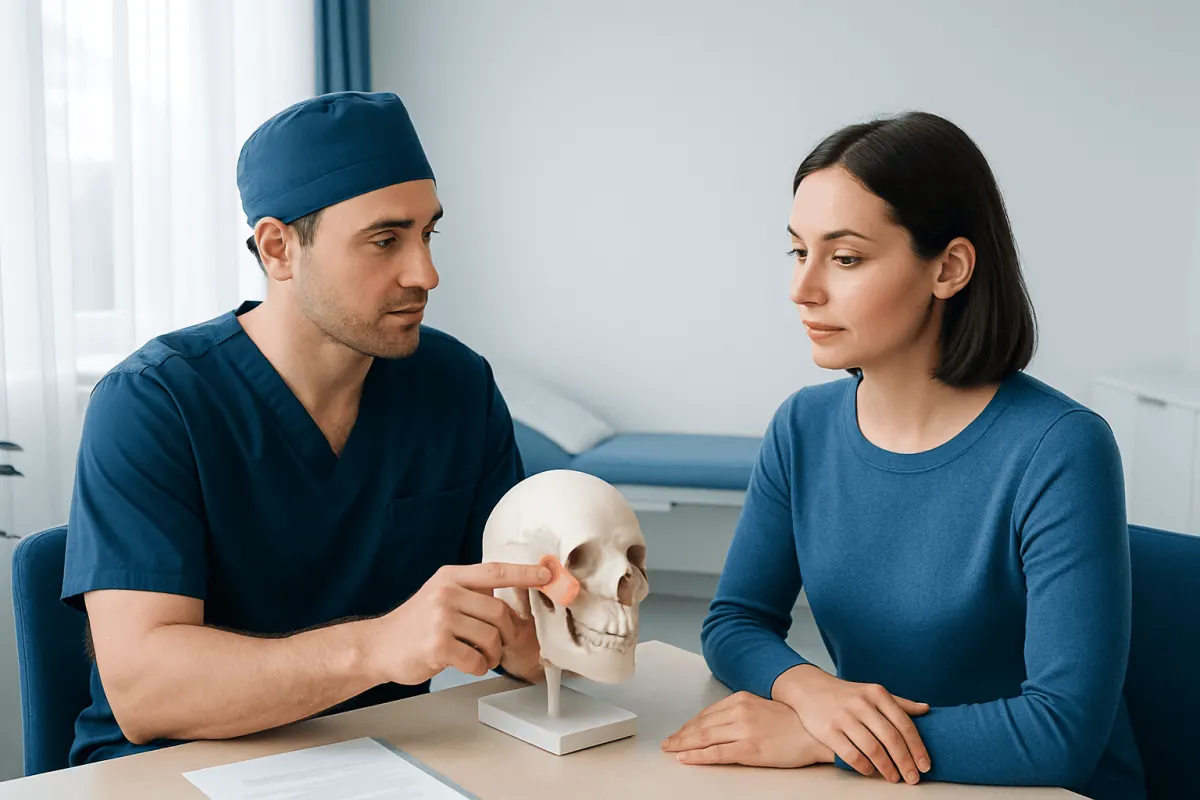
Cheek implant surgery begins with a detailed consultation and informed-consent discussion. The surgeon reviews medical history, medications, allergies, previous facial surgery and expectations. Photographs or imaging may help with planning. Patients are given individualized instructions about eating and drinking before anesthesia, medications to avoid or adjust, nicotine cessation and arranging a responsible adult to accompany them home if the procedure is outpatient.
The procedure may be performed with local anesthesia and sedation or with general anesthesia, depending on the treatment plan and whether other procedures are being done at the same time. In many cases, the surgeon makes small incisions inside the mouth, usually high in the upper gumline, to avoid visible facial scars. An incision may occasionally be placed through a lower-eyelid approach when appropriate for combined surgery.
A carefully sized pocket is created over the cheekbone, and the implant is positioned to match the planned contour. The surgeon checks symmetry and stability, then may secure the implant with small fixation devices or allow it to remain in a precisely fitted pocket. Incisions are closed, and the patient is monitored until it is safe to leave or move to recovery. Cheek implant surgery should be planned with a qualified specialist who can explain the technique best suited to the individual’s anatomy.
Recovery Timeline, Benefits and Possible Risks
In the first days after surgery, swelling, bruising, tightness and tenderness around the cheeks are common. Some people also experience temporary numbness or discomfort when chewing. Cold compresses, rest with the head elevated, prescribed medication and a soft diet when advised can support comfort. Oral hygiene is especially important when incisions are inside the mouth, and patients should follow their surgeon’s instructions closely.
Many people can return to quiet daily activities after a short recovery period, but the timing varies. Strenuous exercise, contact sports and activities that could put pressure on the face should be avoided until the surgeon confirms healing is progressing well. Much of the early swelling improves over the following weeks, while settling of the tissues and appreciation of the final contour can take longer.
Potential benefits include stronger cheekbone definition, improved midface balance and a more stable result than temporary injectable treatments. Like all surgery, cheek implants carry risks. These may include bleeding, infection, delayed healing, asymmetry, implant displacement, prolonged swelling, changes in sensation, dissatisfaction with contour, scarring and the need for implant removal or revision. Discussing these possibilities before surgery helps patients make an informed choice.
Are Cheek Implants Expensive?
Whether cheek implants feel expensive depends on an individual’s budget, location, treatment goals and what is included in the treatment plan. Because the procedure involves surgery, anesthesia or sedation, a clinical facility and follow-up care, the overall expense can be more substantial than a non-surgical volume treatment. It is helpful to compare complete, transparent care plans rather than comparing a single advertised figure.
Cheek implants are intended to be long-lasting, so some patients consider the potential durability when assessing value. However, surgery is not automatically the right financial or clinical choice for everyone. Injectable fillers and fat grafting can be alternatives for selected patients, with different longevity, risks, recovery needs and costs over time.
Patients should be cautious about selecting a provider solely because of a low quote. Questions worth asking include who performs the operation, where it will be done, what anesthesia is planned, whether implants and follow-up visits are included, and what support is available if a complication occurs. A written estimate and sufficient time for questions can make cost planning clearer.
Do Cheek Implants Ever Look Good?
Yes. Cheek implants can look natural and balanced when they are selected and positioned appropriately for the person’s facial structure. A good result is usually one that supports the cheekbones without creating an overly sharp, oversized or obviously altered appearance. The desired effect differs between patients, so clear communication about preferences is essential.
Natural-looking outcomes rely on more than choosing a small implant. The surgeon considers cheekbone width, the amount of existing facial volume, skin thickness, age-related changes, asymmetry and the relationship between the cheeks and other facial features. Conservative planning may be especially appropriate for people seeking refinement rather than a dramatic change.
Digital imaging or photographs may help patients discuss possible changes, but they cannot guarantee a particular result. A consultation should also cover non-surgical and surgical alternatives. Some people may achieve their goals more appropriately with filler, fat transfer or another facial procedure rather than a permanent implant.
Are Celebrities Getting Cheek Implants?
It is not possible to reliably determine whether a celebrity has cheek implants from photographs, videos or changes in appearance over time. Lighting, makeup, weight changes, aging, camera angles, photo editing and non-surgical treatments can all noticeably change the way cheeks look. Public speculation is therefore not a dependable source of medical information.
Some public figures may choose cosmetic procedures, while others may not, and personal medical details should remain private unless they choose to share them. Trends in celebrity appearance can also change quickly and may not reflect what is safe, suitable or satisfying for a particular individual.
Patients considering cheek augmentation are best served by focusing on their own anatomy and goals rather than trying to reproduce another person’s facial features. A qualified surgeon can explain what is realistically achievable and recommend an approach that prioritizes proportion and safety.
How Long Do Cheek Implants Last?
Cheek implants are generally intended to be long-lasting and may remain in place for many years. Unlike injectable fillers, they do not gradually dissolve. However, the face continues to change with age, weight fluctuations, skin changes and shifting soft tissues, so the appearance around an implant can evolve over time.
An implant may need to be removed, replaced or revised if there is infection, movement, discomfort, a change in aesthetic preference, trauma or an unsatisfactory result. Although these situations are not expected for every patient, they are important to understand before selecting a permanent facial implant.
Long-term satisfaction depends on appropriate implant choice, secure placement, healing and realistic expectations. Regular follow-up as advised by the surgical team allows concerns to be identified early. Patients should contact their surgeon if they notice new persistent pain, redness, swelling, drainage, a change in sensation or a shift in facial contour.
When to Seek Medical Care
Before elective cheek implant surgery, patients should seek medical advice if they have a dental infection, sinus infection, fever, new facial rash, uncontrolled chronic illness or are taking medications or supplements that may affect bleeding or anesthesia. A surgeon and the relevant medical specialists can help determine whether it is safer to delay surgery or modify the plan.
After surgery, urgent medical advice is important for worsening rather than improving pain or swelling, fever, pus-like drainage, spreading redness, significant bleeding, difficulty breathing or swallowing, sudden facial weakness, or a rapidly changing facial shape. These symptoms do not always indicate a serious complication, but they require prompt assessment.
For international patients, Acıbadem Health Point’s multidisciplinary specialists and JCI-accredited hospitals can assess and treat facial aesthetic concerns, including cheek implant procedures, with individualized planning and follow-up guidance.
Frequently asked questions
01What factors affect cheek implants cost?
The total cost may include the surgeon's fee, implant, anesthesia, operating facility, preoperative assessment, medicines and follow-up appointments. The complexity of the procedure, geographic location and whether additional facial procedures are performed can also affect the estimate. A written, itemized plan is the best way to understand expected expenses.
02Are cheek implants expensive?
Cheek implant surgery can represent a significant elective healthcare expense because it involves an operation and related clinical services. Comparing complete treatment plans, safety standards and follow-up arrangements is more useful than comparing implant prices alone. Alternatives such as fillers or fat grafting have different costs and durability.
03Do cheek implants ever look good?
Cheek implants can look natural when the implant shape, size and placement suit the person's facial anatomy. A balanced result usually depends on careful consultation, conservative planning when appropriate and an experienced surgeon. No procedure can guarantee a specific appearance.
04Are celebrities getting cheek implants?
A person's procedure history cannot be reliably identified from images or public appearances. Makeup, lighting, filters, weight changes and non-surgical treatments can all change cheek definition. Decisions about facial surgery should be based on personal goals and clinical advice, not celebrity speculation.
05How long do cheek implants last?
Cheek implants are designed as long-lasting devices and can remain in place for many years. They do not dissolve like many fillers, although the surrounding face changes naturally over time. Revision or removal may be needed if a complication, injury, implant movement or change in preference occurs.
06Is cheek implant surgery painful?
Anesthesia is used during the procedure, so patients should not feel surgical pain at that time. Soreness, pressure, swelling and tenderness are common during early recovery and are usually managed with the surgeon's aftercare plan. Pain that is severe, worsening or accompanied by fever, drainage or marked swelling should be assessed promptly.
This article is for general information only and is not a substitute for professional medical advice. Please consult a qualified doctor about your individual situation.
Explore treatments in Turkey — costs, top hospitals & a free quote
JCI-accredited · board-certified surgeons · reply within 24h
Add us as a Preferred Source to see more of our trusted health content across Google Search, AI Overviews and Discover.