Well Woman Health Check: What You Need to Know

Key Takeaways
- A well woman health check is a preventive visit, not a test for a single disease.
- The visit may include screening for cervical health, breast health, blood pressure, and other risk factors.
- What is included depends on age, medical history, symptoms, and local screening guidelines.
- These checks can help support family planning, menopause care, sexual health, and chronic disease prevention.
- A woman should not wait for symptoms if she is due for screening or has a new health concern.
A well woman health check is a preventive visit designed to support long-term health through screening, counseling, and personalized risk assessment. It helps identify concerns early, even when there are no symptoms, and gives women a chance to discuss changing health needs at different life stages.
Overview
A well woman health check is a routine preventive appointment that focuses on a woman’s overall health rather than one specific symptom. It is often used to review screening needs, discuss lifestyle habits, update vaccinations when appropriate, and identify issues that may benefit from early attention.
For many women, the value of this visit is not only the tests themselves but the conversation around them. A clinician can help decide which screenings are needed now, which can wait, and how age, pregnancy plans, menopause, family history, and long-term conditions affect the best schedule.
For international patients, this kind of visit can be especially useful when health records are spread across different countries. Bringing prior results, medication lists, and past imaging or laboratory reports helps the doctor make more accurate recommendations in a short amount of time.
What the visit may include
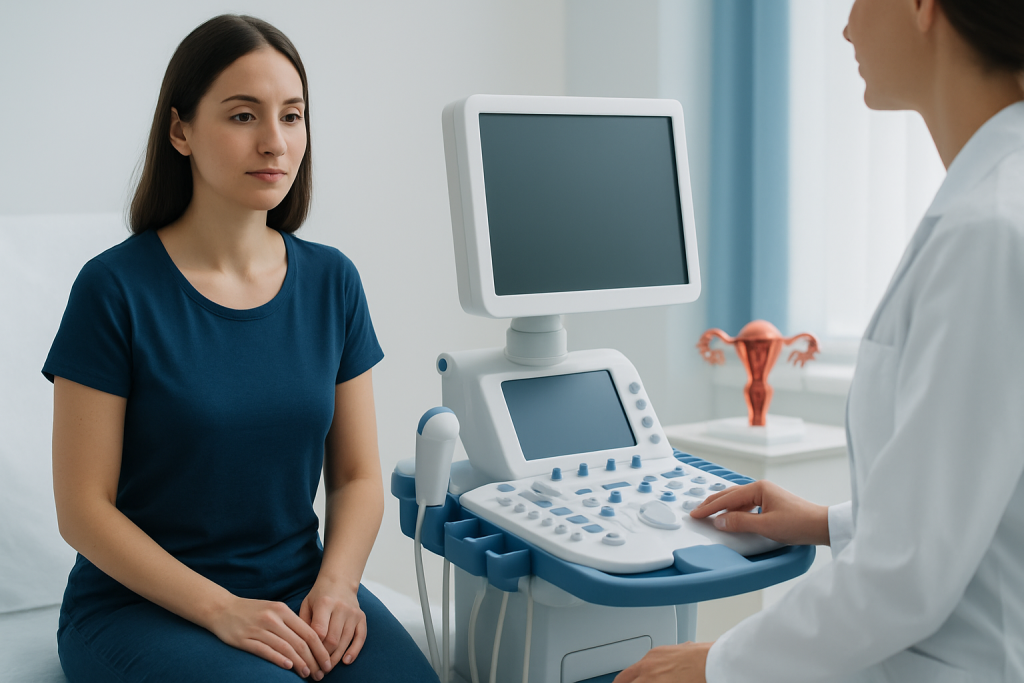
The exact content of a well woman health check varies, but it usually begins with a review of medical history and current concerns. The clinician may ask about menstrual patterns, sexual health, contraception, pregnancy history, mood, sleep, exercise, and any changes in weight, pain, or energy levels.
Depending on age and risk factors, the visit may also include basic measurements such as blood pressure, height, weight, and body mass index. Some women will need breast examination, pelvic examination, cervical screening, or lab tests; others may only need discussion and targeted screening based on current guidelines.
- Medical and family history review
- Blood pressure and general health assessment
- Breast and pelvic health discussion
- Cervical cancer screening when indicated
- Sexual and reproductive health counseling
- Vaccination review and prevention planning
Because care needs are individual, two women of the same age may leave with very different plans. That is normal and appropriate; preventive care works best when it is tailored rather than automatic.
Why women schedule it

Many women book a well woman health check because they want reassurance that they are on track with screening and prevention. Others come because they are planning pregnancy, entering menopause, changing contraception, or noticing subtle changes they are not sure how to interpret.
The visit can also support early detection of conditions that may not cause obvious symptoms at first, such as high blood pressure, cervical cell changes, anemia, thyroid problems, or certain breast concerns. Identifying a pattern early often leads to simpler follow-up and more treatment options.
It is also a practical moment to talk about health goals that are easy to postpone in daily life. Sleep problems, stress, bladder symptoms, painful periods, low libido, and recurring vaginal discomfort are all reasonable topics to bring up during the appointment.
Common screenings and assessments
Screening is one of the main reasons the well woman health check matters. The specific tests depend on age, symptoms, personal history, and local protocols, but they are usually chosen to look for common problems before they become harder to manage.
Cervical screening may involve a Pap test, HPV testing, or both, depending on the person’s age and prior results. Breast health may be assessed through examination and, when appropriate, mammography or other imaging. Cardiometabolic screening may include blood pressure checks and tests related to cholesterol or blood sugar if risk factors are present.
Some women may also be offered testing related to sexually transmitted infections, osteoporosis risk, thyroid function, iron status, or pregnancy planning. The goal is not to “do everything” at once, but to choose the right steps for the individual at the right time.
How to prepare for the appointment
Preparation does not need to be complicated, but a little organization can make the visit more useful. It helps to write down symptoms, menstrual dates, medications, supplements, allergies, and any questions that have been easy to forget in daily life.
If the appointment may include pelvic or cervical screening, some clinics advise avoiding vaginal products or intercourse beforehand, but instructions vary by test and provider. If a woman has an IUD, prior abnormal screening, heavy bleeding, or pain, it is useful to mention these details at check-in rather than waiting for the end of the visit.
For patients traveling from abroad, carrying a concise health summary can save time: previous screening results, vaccination records, recent lab work, and the dates of any major surgeries or pregnancies. This is especially helpful when follow-up will continue after returning home.
When results or follow-up are needed
Most well woman health checks are straightforward, but some findings require a follow-up plan. That may mean repeat testing, imaging, a specialist referral, or a treatment discussion based on the result and the person’s overall risk profile.
An abnormal result does not automatically mean a serious condition. In many cases it means a closer look is needed, or that a minor issue can be monitored over time. Clear communication about what the result means, when the next step should happen, and whether care can continue locally or after travel is an important part of the process.
Women should also expect that preventive care can evolve over time. A normal result this year does not remove the need for future screening if age or risk factors still indicate it.
Prevention and self-care between visits
Preventive health is not limited to one clinic appointment. Between visits, a woman can support her health by keeping up with recommended screenings, staying current with vaccines when appropriate, and paying attention to changes that feel new, persistent, or out of pattern for her body.
Healthy routines such as regular physical activity, adequate sleep, balanced nutrition, and not smoking can lower risk for several chronic diseases. It also helps to know one’s family history, since inherited risk may influence screening timing or the need for earlier review.
- Track menstrual cycles, symptoms, and new changes
- Keep copies of prior tests and imaging
- Maintain a medication and supplement list
- Update screening schedules after pregnancy or menopause
- Seek care for persistent pain, bleeding, or unexplained changes
Self-care also includes mental and emotional health. Stress, anxiety, and mood changes are common reasons preventive appointments become more meaningful, because they allow the patient and clinician to look at the whole picture rather than one issue in isolation.
When to see a doctor
A well woman health check is appropriate even when a woman feels well, especially if she is due for screening or has not had a preventive visit in some time. It is also wise to book an appointment after a major life change such as pregnancy, a new contraceptive method, perimenopause, or a family history update.
Medical attention should be sought sooner if there is unusual vaginal bleeding, pelvic pain, a breast lump, pain during sex, unexplained weight loss, or another symptom that is new or persistent. These symptoms do not always signal a serious problem, but they should be evaluated rather than watched indefinitely.
For women seeking coordinated care while abroad, a multidisciplinary team can help align screening, imaging, and specialist review without unnecessary delays. At Acibadem Health Point, multidisciplinary specialists and JCI-accredited hospitals diagnose and treat women’s health concerns for international patients with coordinated follow-up planning.
Frequently asked questions
01How often should a well woman health check be done?
The timing depends on age, health history, and which screenings are due. Many women have a preventive visit once a year, but some screening tests follow different intervals based on guidelines and personal risk.
02Is a well woman health check the same as a pelvic exam?
No. A well woman health check is broader and may include counseling, blood pressure measurement, and several preventive screenings. A pelvic exam is only one possible part of the visit, and it is not always needed for every person.
03Do women need a Pap test at every visit?
Usually not. Cervical screening schedules depend on age, previous results, and whether HPV testing is used, so the doctor will recommend the right interval for the individual.
04Can a woman have a well woman health check if she has no symptoms?
Yes, and that is one of the main reasons to have it. Preventive care is designed to look for risk factors and screening needs even when a woman feels completely well.
05What should a woman bring to the appointment?
It is helpful to bring a medication list, vaccination record if available, prior screening or imaging results, and notes about menstrual history or symptoms. For international patients, copies of past reports in any language can make the visit more efficient.
06Can the visit help with menopause or contraception questions?
Yes. A well woman health check is a good time to discuss hot flashes, sleep changes, cycle changes, birth control options, and fertility planning. These topics are often best addressed before they become urgent.
This article is for general information only and is not a substitute for professional medical advice. Please consult a qualified doctor about your individual situation.
Oncology care in Turkey — second opinion and treatment plan
JCI-accredited · board-certified surgeons · reply within 24h
Add us as a Preferred Source to see more of our trusted health content across Google Search, AI Overviews and Discover.