Syrinx in Cervical Cord: What You Need to Know

Key Takeaways
- A syrinx in the cervical cord is a fluid-filled cavity inside the spinal cord in the neck area.
- Symptoms can range from none at all to pain, numbness, weakness, stiffness, or coordination problems.
- An MRI is the main test used to identify a syrinx and look for an underlying cause.
- Treatment depends on symptoms and the reason the syrinx formed; some people need monitoring, while others need surgery.
- Prompt medical evaluation is important if symptoms progress, walking becomes difficult, or bowel or bladder changes appear.
A syrinx in the cervical cord is a fluid-filled cavity within the spinal cord in the neck region. It may be found incidentally or cause symptoms such as pain, weakness, sensory changes, or balance problems, depending on its size and cause.
Overview
A syrinx in the cervical cord is a fluid-filled cavity that forms within the spinal cord in the neck region. Doctors may also call this a cervical syrinx or syringomyelia when the cavity is part of a broader condition. Some syrinxes stay small and stable for years, while others enlarge and begin to interfere with how the spinal cord carries signals.
The first important point for patients is that a syrinx is not a diagnosis in isolation. It is usually a clue that something else has affected the flow of spinal fluid or the structure of the spinal cord. That underlying issue may be present from birth, related to a previous injury, or linked to conditions such as Chiari malformation, tumors, inflammation, or scarring after surgery.
For someone reading an MRI report after a long search for the cause of neck pain, tingling, or weakness, the word can sound unsettling. In practice, the next step is usually a careful neurologic evaluation and imaging review to understand whether the cavity is active, what caused it, and whether observation or treatment is the safest path forward.
Symptoms
Symptoms depend on where the syrinx sits in the spinal cord, how large it is, and how much pressure it places on nearby nerve pathways. Some people have no symptoms and learn about the syrinx only during imaging done for another reason. Others notice slowly changing issues that may seem unrelated at first.
Common symptoms can include pain in the neck, shoulders, arms, or upper back; numbness or tingling; weakness in the hands or arms; and a reduced ability to feel hot and cold. Because the cervical cord helps control arm function and carries sensory information, symptoms may be asymmetric or appear in a patchy pattern.
As the condition affects more of the cord, some people develop stiffness, muscle wasting in the hands, balance problems, headaches, or trouble with fine motor tasks such as buttoning clothes or writing. In more advanced cases, bowel or bladder changes can occur, which deserves prompt medical attention.
- Neck, shoulder, or arm pain
- Numbness, tingling, or “pins and needles”
- Hand weakness or clumsiness
- Reduced temperature or pain sensation
- Walking difficulty or balance problems
Causes & Risk Factors

A syrinx often forms when normal circulation of cerebrospinal fluid is disrupted. That fluid bathes the brain and spinal cord, helping cushion and protect nervous tissue. When its movement is blocked or redirected, pressure changes can contribute to cavity formation inside the cord.
Several conditions may be linked to a cervical syrinx. Chiari malformation is one of the best-known causes, because it can crowd the area where the brain and spinal cord meet and disturb fluid flow. Other possible causes include spinal cord injury, spinal tumors, meningitis, arachnoid scarring, or congenital abnormalities. In some people, no clear cause is found, and the syrinx is described as idiopathic.
Risk factors are tied more to the underlying condition than to the syrinx itself. A history of spinal trauma, a known Chiari malformation, prior spinal surgery, or certain structural abnormalities can raise the likelihood. Because these causes are diverse, the evaluation usually aims to answer one question first: what is driving the fluid cavity?
Diagnosis
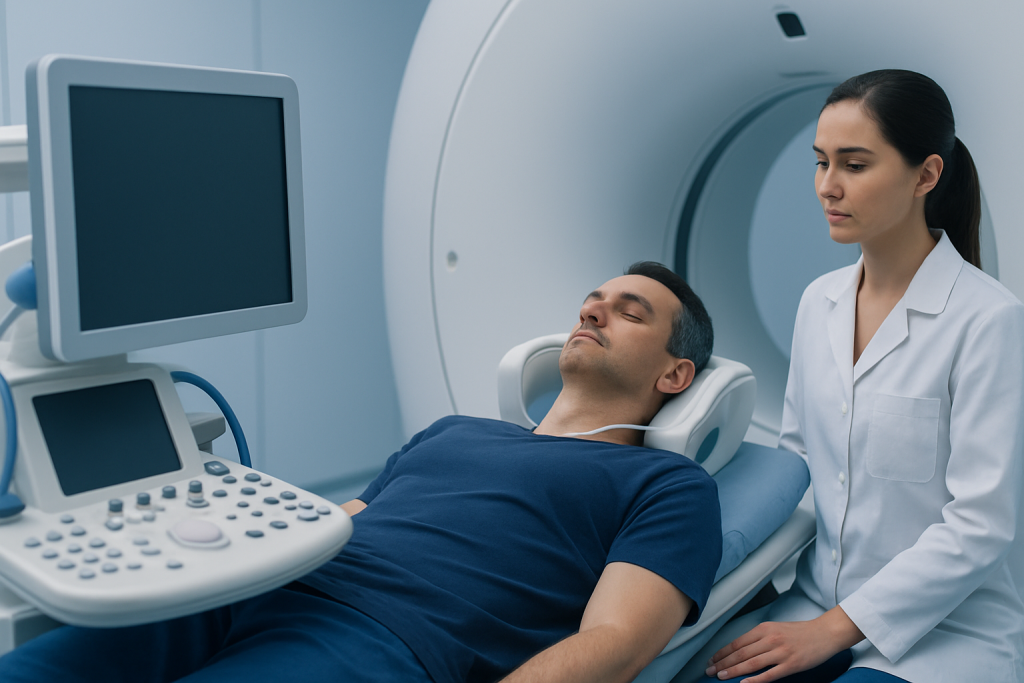
Magnetic resonance imaging, or MRI, is the main test used to identify a syrinx in the cervical cord. MRI gives detailed pictures of the spinal cord and surrounding structures, helping clinicians see the cavity itself and look for a cause such as Chiari malformation, a mass, or spinal cord scarring.
A neurologic examination is usually part of the assessment as well. The doctor may check strength, sensation, reflexes, coordination, gait, and pain patterns. These findings help show whether the syrinx is affecting function and whether symptoms match the imaging results.
In some situations, additional imaging of the brain or the rest of the spine may be recommended. If a tumor, injury, infection, or inflammatory condition is suspected, further testing can be tailored to that possibility. For Myomectomy Recovery: Healing Time, Activity Limits, and Fertility Planning" class="ahp-ilk">Myomectomy Recovery for International Patients: The Usual Travel Timeline" class="ahp-ilk">international patients arranging care from abroad, it is often helpful to bring prior scans and reports so the specialist can compare changes over time rather than starting from zero.
Treatment Options
Treatment is individualized. If the syrinx is small, symptoms are minimal, and no dangerous cause is found, doctors may recommend observation with periodic MRI scans and neurologic follow-up. This approach is common when the cavity appears stable and the person remains functionally well.
When the syrinx causes progressive symptoms or is linked to a treatable structural problem, treatment usually focuses on the underlying cause. For example, surgery may be considered to improve cerebrospinal fluid flow in Chiari malformation, remove a tumor, or address scarring or compression. The goal is not simply to “empty” the syrinx, but to reduce the factors that allow it to form or enlarge.
Pain management, physical therapy, and rehabilitation may also be part of care. These measures do not remove the syrinx, but they can help preserve mobility, support hand function, and improve day-to-day comfort. A specialist team may include a neurologist, neurosurgeon, radiologist, and rehabilitation clinician, especially when symptoms affect work, travel plans, or independence.
Prevention & Self-care
There is no guaranteed way to prevent every syrinx in the cervical cord, particularly when the cause is congenital or not yet understood. Still, self-care and follow-up can make a meaningful difference in long-term outcomes. The most useful step is to stay engaged with specialist care, especially if the syrinx has already been identified.
People are usually advised to monitor symptoms and seek reassessment if new weakness, numbness, worsening pain, or coordination changes appear. Keeping a simple symptom diary can help the care team recognize patterns over time. If recovery is occurring after surgery or injury, following activity restrictions and rehabilitation guidance matters because overexertion can complicate healing.
Practical travel planning also matters for international patients. Carry imaging on disk or securely online, keep a written summary of prior consultations, and plan enough time for follow-up before returning home. When treatment is needed abroad, a coordinated review before travel can reduce delays and help the next steps feel clearer.
- Attend scheduled MRI or clinic follow-ups
- Track any change in pain, sensation, or strength
- Protect the neck during recovery if advised
- Use rehabilitation exercises only as prescribed
- Keep copies of scans and medical reports
When to See a Doctor
Medical evaluation is important if a person has persistent neck pain with arm numbness, unexplained hand weakness, or balance changes that are gradually getting worse. These symptoms do not always mean a syrinx is present, but they do deserve assessment, especially if they are new or progressive.
Urgent review is especially important if walking becomes difficult, one side of the body becomes weaker, or bowel or bladder control changes. Sudden severe symptoms can also point to another neurologic problem that needs prompt care. Even when symptoms are mild, a newly discovered syrinx should be reviewed by a qualified specialist so the cause is not missed.
Acibadem Health Point’s multidisciplinary specialists and JCI-accredited hospitals diagnose and treat conditions such as syrinx in cervical cord for international patients, with coordinated imaging, consultation, and follow-up planning. That kind of structured pathway can be particularly helpful when a patient is trying to make sense of scans, symptoms, and next steps from another country.
What makes a cervical syrinx different from general neck pain?
General neck pain usually comes from muscles, joints, discs, or posture-related strain. A cervical syrinx affects the spinal cord itself, so it may cause pain along with numbness, weakness, or changes in sensation that do not fit a typical muscle problem.
The difference matters because a syrinx may need imaging and specialist follow-up, while ordinary neck strain often improves with conservative care. If symptoms are persistent, unusual, or progressing, the evaluation should not stop at pain relief alone.
Frequently asked questions
01What is a syrinx in the cervical cord?
It is a fluid-filled cavity that forms inside the spinal cord in the neck region. The cavity can be small and stable or can enlarge and interfere with nerve signals.
02Is a cervical syrinx always serious?
Not always. Some syrinxes are found by chance and remain unchanged for a long time, but others cause neurologic symptoms or reflect an underlying problem that needs treatment.
03What symptoms should patients watch for?
Common symptoms include neck or arm pain, numbness, tingling, weakness, hand clumsiness, and balance problems. Any bowel or bladder changes should be assessed promptly.
04How is the condition diagnosed?
MRI is the main test because it shows the spinal cord and can help identify a possible cause. A neurologic examination is also important to match symptoms with imaging findings.
05Can a syrinx in the cervical cord go away on its own?
Sometimes a small syrinx remains stable, but spontaneous disappearance is not something to count on. Management depends on the underlying cause and whether symptoms are changing.
06When is surgery considered?
Surgery may be considered if the syrinx is causing progressive symptoms or if there is a correctable cause such as Chiari malformation, a tumor, or scarring that blocks spinal fluid flow.
This article is for general information only and is not a substitute for professional medical advice. Please consult a qualified doctor about your individual situation.
Joint and spine care in Turkey — expert assessment & treatment
JCI-accredited · board-certified surgeons · reply within 24h
Add us as a Preferred Source to see more of our trusted health content across Google Search, AI Overviews and Discover.