Water Brash: Saliva Flow Linked to Acid Reflux

Water brash is the sudden production of excessive, often sour-tasting saliva in the mouth. It is commonly linked to acid reflux and can improve when the underlying reflux trigger is identified and managed.
What Is Water Brash?
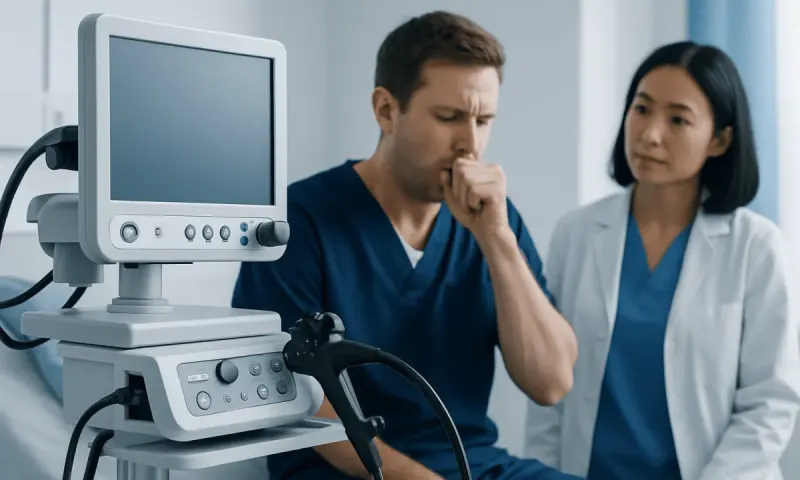
Water brash is a sudden increase in saliva that may fill the mouth, sometimes accompanied by a sour, bitter, or acidic taste. It is most commonly associated with gastroesophageal reflux, also called acid reflux, in which stomach contents move upward into the esophagus, the tube connecting the mouth and stomach. The body may produce extra saliva as a protective response to help dilute and clear acid from the esophagus.
Although it can feel unpleasant or surprising, water brash is usually not dangerous by itself. It is a symptom rather than a separate disease, so the most helpful next step is to consider whether reflux or another cause may be responsible. It may happen after eating, when bending forward, during the night, or after lying down.
Water brash is sometimes confused with regurgitation. Regurgitation involves stomach contents or food coming back into the throat or mouth. With water brash, the main material is saliva, although reflux may also leave an acidic taste. Some people have both symptoms at the same time.
How Water Brash May Feel
The main feature of water brash is a sudden flow of thin saliva that is more noticeable than ordinary mouth moisture. The saliva may taste sour, metallic, bitter, or acidic, particularly when reflux is present. Episodes may be brief, intermittent, or recur over days or weeks.
Other reflux-related symptoms can occur alongside water brash. These may include burning behind the breastbone, a sensation of acid rising into the throat, burping, bloating, nausea, upper abdominal discomfort, or a lump-like feeling in the throat. Nighttime reflux may contribute to coughing, throat clearing, hoarseness, or disturbed sleep.
Not everyone with water brash experiences typical heartburn. This can make the connection with reflux less obvious. A clinician can help assess the full pattern of symptoms, including when they occur, what seems to trigger them, and whether medicines or medical conditions could be contributing.
- Symptoms after large, rich, or spicy meals may point toward reflux.
- Symptoms that worsen when lying down may suggest nighttime reflux.
- Drooling or excess saliva without a sour taste may have causes unrelated to reflux.
Why Water Brash Happens

The leading cause of water brash is acid reflux. Normally, a ring-like muscle at the lower end of the esophagus helps keep stomach contents from moving upward. If this lower esophageal sphincter relaxes too often or does not close effectively, acid and other stomach contents may reflux into the esophagus. Salivary glands can then respond by making more saliva.
Several factors can increase the likelihood of reflux. These include eating large meals, lying down soon after eating, excess body weight, pregnancy, smoking, alcohol use, and certain foods or drinks that trigger symptoms in some people. Common individual triggers include fatty foods, chocolate, peppermint, coffee, carbonated beverages, citrus foods, tomato-based foods, and spicy dishes. Triggers differ from person to person, so broad food restriction is not always necessary.
Some medicines may worsen reflux or irritate the upper digestive tract. Examples can include certain pain relievers, some medications for blood pressure, sedatives, and medicines that affect muscle movement. A person should not stop a prescribed medicine without speaking with the clinician who prescribed it; an alternative or a change in timing may sometimes be possible.
Less commonly, excess saliva may be related to nausea, oral or dental irritation, infection, swallowing difficulties, pregnancy, or neurological conditions that affect swallowing control. This is why ongoing or unexplained symptoms deserve professional assessment rather than self-diagnosis.
How Doctors Evaluate Water Brash
A clinician will usually begin with a medical history and review of symptoms. Helpful details include how long episodes have been happening, whether there is heartburn or regurgitation, whether symptoms are linked to meals or lying down, and whether there are any difficulties with swallowing. The clinician may also ask about diet, alcohol or tobacco use, pregnancy, current medicines, and prior digestive conditions.
For many people with typical, uncomplicated reflux symptoms, testing is not immediately required. A clinician may recommend lifestyle measures and a time-limited treatment plan, then review whether symptoms improve. This approach can help identify whether reflux is likely to be driving the water brash.
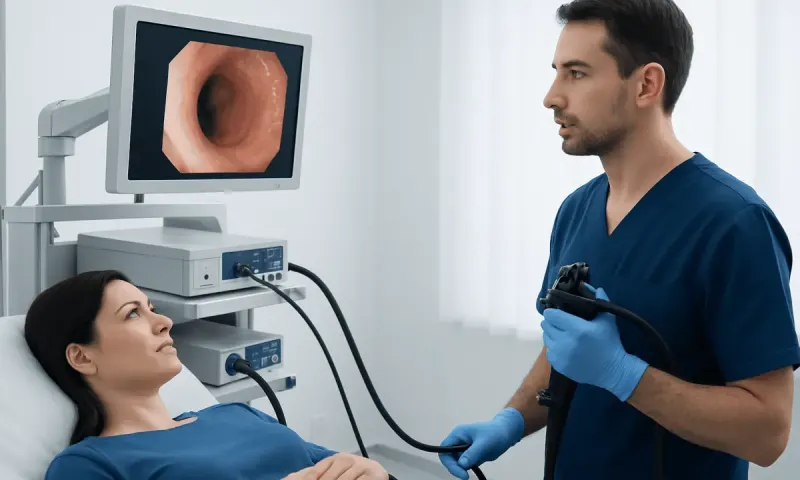
Further testing may be advised if symptoms persist, return frequently, are severe, or occur with warning signs. Colonoscopy: Which Test Looks at What?" class="ahp-ilk">Upper endoscopy allows a doctor to examine the esophagus and stomach for inflammation, narrowing, ulcers, or other concerns. In selected cases, ambulatory reflux monitoring can measure reflux over time, while esophageal manometry evaluates swallowing muscle function.
Testing is individualized. Its purpose is not simply to confirm reflux, but also to look for other explanations when the symptom pattern is unusual or does not respond as expected.
Treatment Options and Everyday Relief
Treatment focuses on reducing reflux and addressing any identified underlying cause. For occasional mild symptoms, a clinician or pharmacist may suggest over-the-counter options such as antacids or other acid-reducing medicines. These products are not appropriate for everyone, particularly people with kidney disease, those who are pregnant, or those taking multiple medications, so personalized advice is important.
When symptoms occur regularly, a doctor may recommend a course of medicine that reduces stomach acid production or helps manage reflux more effectively. The choice depends on symptom frequency, medical history, other medications, and whether there is evidence of esophageal inflammation. Persistent symptoms should not be managed indefinitely with self-treatment without medical review.
Practical habits can make a meaningful difference. Eating smaller meals, remaining upright for at least two to three hours after meals, and avoiding late-night meals may reduce reflux episodes. People who notice a consistent connection between a specific food or drink and symptoms can try limiting that trigger rather than eliminating many foods unnecessarily.
For nighttime symptoms, raising the head of the bed with stable blocks or a wedge can be more effective than adding extra pillows, which may bend the body at the waist. Maintaining a weight that is healthy for the individual, avoiding tobacco, and limiting alcohol can also help reduce reflux in some people.
- Eat slowly and avoid very large meals.
- Choose loose-fitting clothing around the abdomen when possible.
- Keep a brief symptom and food diary to identify personal patterns.
- Ask a clinician before using long-term acid-suppressing medication.
When to Seek Medical Care
A person should arrange a medical appointment if water brash is frequent, lasts more than a few weeks, disrupts sleep, affects eating, or continues despite reasonable lifestyle measures. Assessment is also appropriate when reflux symptoms require nonprescription medicine often or repeatedly return after treatment is stopped.
Urgent medical care is important for chest pain that is severe, new, persistent, or accompanied by shortness of breath, sweating, dizziness, or pain spreading to the arm, back, jaw, or neck. These symptoms can have causes other than reflux and should not be assumed to be heartburn.
Prompt evaluation is also needed for trouble swallowing, painful swallowing, food sticking in the throat or chest, persistent vomiting, vomit that looks like blood or coffee grounds, black stools, unexplained weight loss, anemia, or ongoing severe abdominal pain. These signs do not always indicate a serious condition, but they should be checked without delay.
People with recurrent reflux symptoms can discuss care with a primary care doctor or gastroenterology specialist. Acıbadem Health Point’s multidisciplinary specialists and JCI-accredited hospitals evaluate digestive symptoms and provide individualized care for international patients.
Living Well With Reflux-Related Symptoms
Water brash can be uncomfortable, but it is often manageable once a pattern and likely cause are identified. A symptom diary can be useful for recording meal timing, foods and drinks, body position, stress, sleep, medications, and symptoms. This information may help a person and their clinician identify realistic changes that fit daily life.
It is helpful to approach reflux management gradually. For example, a person may first adjust late meals and portion sizes, then review whether symptoms improve before making further dietary changes. Drinking water as needed can help with an unpleasant taste, but repeatedly drinking large volumes to suppress symptoms is not a substitute for evaluating persistent reflux.
Stress does not directly cause reflux in every person, but it can affect sleep, eating habits, and perception of digestive discomfort. Regular physical activity, adequate sleep, and relaxation techniques may support overall wellbeing. Exercise is generally beneficial, although some people prefer to avoid vigorous activity immediately after eating.
With appropriate evaluation and a tailored plan, many people experience fewer episodes of water brash and better control of associated reflux symptoms. Ongoing follow-up is worthwhile if symptoms change, worsen, or fail to improve.
Frequently asked questions
01Is water brash the same as acid reflux?
Water brash is not the same as acid reflux, but it is commonly a symptom of reflux. It refers to a sudden increase in saliva, often with a sour taste, that may occur when acid reaches the esophagus. Acid reflux can also cause heartburn, regurgitation, or throat symptoms.
02Can water brash happen without heartburn?
Yes. Some people have water brash or an acidic taste without the classic burning sensation of heartburn. This may still be related to reflux, but a clinician can help consider other possible causes if symptoms are persistent or unusual.
03What foods can trigger water brash?
Foods that trigger reflux vary between individuals. Large or fatty meals, spicy foods, chocolate, peppermint, coffee, alcohol, carbonated drinks, citrus, and tomato products can contribute for some people. Keeping track of symptoms after meals can help identify personal triggers.
04Does drinking water stop water brash?
A small amount of water may temporarily rinse away an unpleasant taste, but it does not treat the underlying cause. Repeated episodes should be managed by addressing possible reflux triggers and seeking medical advice if they continue. Avoid using excessive fluid intake as a long-term strategy.
05Can pregnancy cause water brash?
Yes. Hormonal changes and pressure on the stomach during pregnancy can make reflux more likely, and this may lead to water brash. Pregnant individuals should discuss persistent symptoms with their maternity care professional before taking reflux medicines.
06When is water brash serious?
Water brash itself is usually not an emergency, but it should be assessed if it is frequent, persistent, or associated with swallowing problems, weight loss, vomiting, bleeding, or severe pain. New or severe chest pain needs urgent medical evaluation because it may not be caused by reflux.
This article is for general information only and is not a substitute for professional medical advice. Please consult a qualified doctor about your individual situation.
Persistent digestive symptoms? Get evaluated in Turkey
JCI-accredited · board-certified surgeons · reply within 24h
Add us as a Preferred Source to see more of our trusted health content across Google Search, AI Overviews and Discover.