Vitiligo Disease: Diagnosis and Treatment Options

Vitiligo disease is a long-term condition in which areas of skin lose their natural color because pigment-producing cells are affected. It is not contagious or physically harmful, and modern treatment can help slow progression or restore pigment for some people.
Vitiligo disease: an overview
Vitiligo disease is a condition in which the skin develops patches that are lighter than the surrounding skin or completely white. This happens when melanocytes, the cells responsible for producing the pigment melanin, no longer function normally or are lost from affected areas. It can begin at any age and may affect people of every skin tone, although contrast is often more noticeable in darker skin.
Vitiligo is not an infection, is not caused by poor hygiene, and cannot be passed from one person to another through touch. It does not usually cause physical pain or damage to internal organs. However, visible pigment changes can have a meaningful emotional and social effect, particularly when patches occur on the face, hands, or other exposed areas.
The course of vitiligo varies widely. Some people develop a few stable patches that change little over time, while others experience gradual spread or periods of more active pigment loss. Although there is no single treatment that works for everyone, specialist assessment can identify the type of vitiligo and guide a plan focused on stabilizing disease, encouraging repigmentation where appropriate, and supporting skin health.
How vitiligo appears and where it can occur
The main sign is the development of smooth, well-defined patches with reduced or absent pigment. In fair skin, patches may appear lighter than usual rather than bright white. In darker skin, the color contrast can be more pronounced. The skin surface usually feels normal, without the scaling, crusting, or thickening that can occur with some other skin conditions.
Vitiligo often affects the face, fingers, hands, wrists, feet, lips, around the eyes, underarms, groin, and areas exposed to repeated rubbing or minor injury. Hair growing from a patch can turn white or gray. Pigment may also be lost in the lining of the mouth, nose, or genital area, and the color of the retina or inner ear may be affected without causing obvious symptoms.
There are several clinical patterns. Non-segmental vitiligo is the most common form and usually appears on both sides of the body, though not always in exactly the same distribution. Segmental vitiligo generally affects one side or one area of the body and often stabilizes after an early period of change. A dermatologist may also describe disease as focal, generalized, acrofacial, or universal according to the pattern and extent of pigment loss.
- New patches may begin as small pale areas and become more distinct over time.
- Edges of patches can occasionally look slightly pink or inflamed when vitiligo is active.
- Some people notice itching before or during the development of a new patch, but many have no physical sensation.
Why vitiligo develops and who may be affected

Vitiligo is widely considered an autoimmune condition. In autoimmune disease, the immune system mistakenly targets the body’s own cells; in vitiligo, melanocytes are the main target. Genetic susceptibility, immune regulation, oxidative stress within pigment cells, and environmental influences may all contribute. There is no evidence that everyday contact, diet alone, or emotional stress by itself causes vitiligo.
Family history can increase the likelihood of developing vitiligo, but most relatives of an affected person will not develop it. The condition may occur with other autoimmune disorders, especially autoimmune thyroid disease. Less commonly, clinicians may consider associations with type 1 diabetes, pernicious anemia, alopecia areata, Addison’s disease, or certain connective tissue diseases based on a person’s symptoms and family history.
Skin trauma, sunburn, friction, cuts, and repeated pressure can sometimes be followed by new patches in susceptible individuals. This response is known as the Koebner phenomenon. Stressful life events are sometimes reported around the time vitiligo begins or progresses, but they should not be viewed as a person’s fault. The condition is complex, and its development is not under an individual’s direct control.
Diagnosis and checking for related conditions
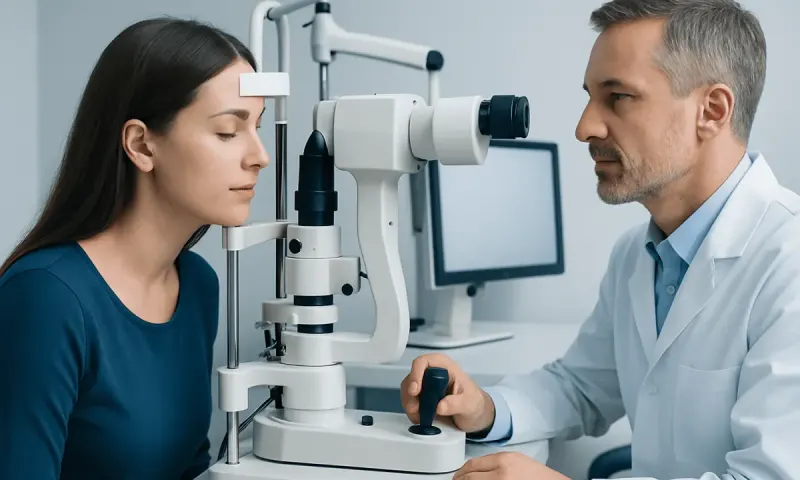
A dermatologist can often diagnose vitiligo through a careful history and skin examination. They will ask when pigment changes first appeared, whether patches have enlarged or new areas have developed, and whether there is a personal or family history of autoimmune disease. Examination of the full skin surface, scalp, hair, mouth, and nails can help establish the pattern and extent of involvement.
A Wood’s lamp examination may be used in a darkened room. This handheld ultraviolet light can make areas with reduced pigment more clearly visible, which is helpful in lighter skin tones and for monitoring subtle changes over time. Photographs or body maps may also be used to document the starting point before treatment.
Blood tests are not necessary for every person with vitiligo. A clinician may recommend thyroid function tests and thyroid antibody testing, or other targeted tests, when symptoms, examination findings, age, or family history suggest an associated autoimmune condition. A skin biopsy is rarely needed but may be considered when the diagnosis is uncertain and another cause of light-colored patches needs to be excluded.
Conditions that can resemble vitiligo include fungal infections such as tinea versicolor, post-inflammatory pigment change after eczema or injury, chemical exposure, and some birthmarks. Accurate diagnosis matters because these conditions have different causes and treatment approaches.
Modern treatment approaches and realistic goals
Treatment is individualized. The main goals may include stopping or slowing active pigment loss, restoring pigment where possible, reducing contrast between affected and unaffected skin, and improving confidence and quality of life. Some areas, particularly the face and neck, tend to respond more readily than hands, feet, and skin over bony areas. Repigmentation can take months, and results are variable.
For limited vitiligo, dermatologists may use topical anti-inflammatory medicines, such as corticosteroids for carefully selected areas and durations, or topical calcineurin inhibitors, which are often useful for the face and skin folds. A topical Janus kinase inhibitor may be appropriate for some people with non-segmental vitiligo, depending on local approval, extent of disease, and medical assessment. A clinician should guide use because the choice of medicine and monitoring requirements differ.
Phototherapy is a well-established option for widespread or active non-segmental vitiligo. Narrowband UVB treatment is typically given under medical supervision on a regular schedule and can support repigmentation and disease stabilization. Excimer laser or targeted light therapy may be considered for smaller areas. Oral medicines may occasionally be used for a short period to help stabilize rapidly progressing vitiligo, but these require individualized specialist review.
Surgical techniques, including grafting or cell-based procedures, may be considered for selected people with stable vitiligo that has not changed for a prolonged period. They are not generally used when disease is actively spreading. Cosmetic camouflage, self-tanning products, and micropigmentation in carefully selected situations can also reduce visible contrast. Treatment decisions should reflect the person’s priorities; choosing observation and skin protection is also a valid approach.
Daily care, sun protection, and emotional wellbeing
Skin without pigment has less natural protection against ultraviolet radiation and can burn more easily. Broad-spectrum sunscreen, protective clothing, hats, and shade are useful for everyone with vitiligo, especially on exposed areas. Avoiding sunburn may also reduce the chance of injury-related pigment change and prevents tanning of surrounding skin, which can make patches appear more noticeable.
Gentle skin care can help reduce irritation. People may wish to avoid harsh scrubs, unregulated bleaching products, and cosmetics that cause stinging or rash. Any new rash, scaling, or marked itch should be assessed, because it may indicate a separate skin condition rather than vitiligo itself. There is no proven restrictive diet that treats vitiligo, so balanced nutrition is generally preferable to eliminating foods without medical advice.
The emotional impact of vitiligo deserves the same attention as its physical appearance. People may experience self-consciousness, unwanted questions, low mood, anxiety, or avoidance of social activities. Support from family, patient organizations, counseling, or a mental health professional can be helpful. For children and teenagers, open discussion with caregivers and schools may help reduce stigma and promote confidence.
Acıbadem Health Point’s multidisciplinary specialists and JCI-accredited hospitals can assess vitiligo and related health concerns for international patients, with care plans based on dermatologic evaluation and individual needs.
When to seek medical care
It is sensible to arrange a non-urgent medical appointment when a new light or white patch appears, particularly if it is enlarging, multiple patches develop, or hair in the area changes color. Early assessment can confirm whether the change is vitiligo or another condition and can establish a baseline for future monitoring. A dermatologist is the most appropriate specialist for diagnosis and treatment planning.
People already diagnosed with vitiligo should seek review if pigment loss is spreading quickly, if treatment causes burning, rash, skin thinning, or other side effects, or if there are symptoms that may suggest a related autoimmune condition. Examples include unexplained tiredness, sensitivity to heat or cold, palpitations, changes in weight, persistent hair loss, or changes in bowel habits. These symptoms are common and have many possible causes, but they are worth discussing with a clinician.
Prompt care is also appropriate for severe sunburn on depigmented skin, a changing mole or sore that does not heal, or significant distress related to appearance or mood. Vitiligo itself is not an emergency, but timely, supportive medical care can help people make informed decisions and access treatment when it may be beneficial.
Frequently asked questions
01Is vitiligo disease contagious?
No. Vitiligo disease is not contagious and cannot be transmitted through touching, sharing clothing, swimming, kissing, or sexual contact. It is related to changes in the immune system and pigment-producing cells, not an infection.
02Can vitiligo be cured permanently?
There is currently no universal permanent cure for vitiligo. However, treatment can slow active disease and restore some pigment in many people, while some patches may remain stable without treatment. Pigment loss can recur even after a successful response, so follow-up may be useful.
03Does vitiligo always get worse?
No. Vitiligo has an unpredictable course. It may remain limited and stable for years in some people, while others develop new or enlarging patches over time. A dermatologist can assess signs of activity and discuss options for stabilization.
04Can stress cause vitiligo?
Stress alone is not known to cause vitiligo. Some people notice that patches appear or change around stressful periods, but vitiligo involves a complex combination of immune, genetic, and environmental factors. Managing stress can still support overall wellbeing and coping.
05What tests are used to diagnose vitiligo?
Diagnosis is usually based on a skin examination and medical history. A dermatologist may use a Wood's lamp to make pigment changes easier to see and may order selected blood tests, particularly to check for thyroid disease when appropriate. A biopsy is only occasionally needed.
06Is sunlight good or bad for vitiligo?
Controlled ultraviolet treatment in a medical setting can be beneficial for selected people with vitiligo. Unprotected sun exposure, however, can cause sunburn on depigmented skin and increase contrast with surrounding tanned skin. Daily sun protection remains important, including for people receiving phototherapy.
This article is for general information only and is not a substitute for professional medical advice. Please consult a qualified doctor about your individual situation.
Hair transplant in Turkey — costs, graft counts & a free assessment
JCI-accredited · board-certified surgeons · reply within 24h
Add us as a Preferred Source to see more of our trusted health content across Google Search, AI Overviews and Discover.