Strongest At-Home Red Light Therapy: What Matters
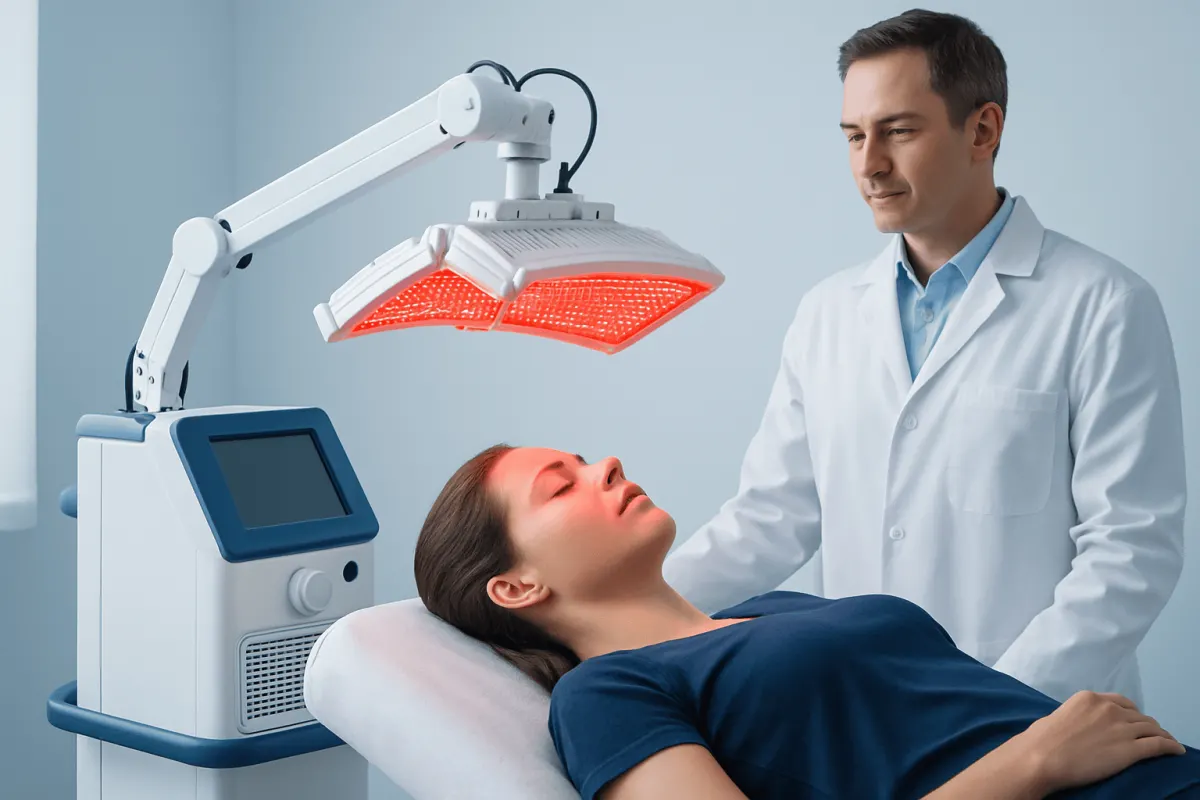
The strongest red light therapy at-home option is not necessarily the device with the largest power claim. A suitable device delivers tested red and/or near-infrared wavelengths at a controlled dose, covers the intended area, and is used consistently within its safety instructions.
Overview: choosing the strongest red light therapy at-home device
Strongest red light therapy at-home does not have one universal answer. The most appropriate device is one that provides the wavelengths and dose relevant to the goal, at the recommended distance, with transparent technical information and appropriate eye and skin safety guidance. A device with a very high advertised wattage may not deliver a better or safer treatment to the skin or tissues.
Red light therapy is often called photobiomodulation or low-level light therapy. It uses visible red light, commonly in the approximate 630–660 nanometre range, and near-infrared light, often around 810–850 nanometres. These wavelengths are not ultraviolet light, should not tan the skin, and are intended to produce minimal heat when used correctly.
Research into photobiomodulation is ongoing. Benefits may vary by condition, device settings, treatment schedule and the individual. Home devices should be viewed as supportive tools rather than replacements for assessment and treatment of pain, wounds, inflammatory skin conditions or other health concerns.
What is the most powerful at home red light therapy?
The most powerful at-home red light therapy device is not reliably identified by a single number on a product label. Electrical wattage describes power consumed by the device, not necessarily the light dose reaching the body. More clinically useful details include the wavelengths used, irradiance at the stated treatment distance, treatment area, session time, and whether the manufacturer explains how measurements were obtained.
Irradiance is usually expressed as milliwatts per square centimetre (mW/cm²), while total light exposure is often described as energy density or fluence in joules per square centimetre (J/cm²). These measures are meaningful only when the distance, exposure time and measurement method are clear. Consumers should be cautious about unusually broad claims, missing safety information or comparisons based only on the number of LEDs.
Panels can cover larger areas, while masks, belts and handheld devices may suit targeted use. The best format depends on the body area and intended purpose. A device should have clear instructions, a suitable warranty and electrical safety certification for the country where it will be used; medical clearance or regulatory status may be relevant for specific therapeutic claims.
- Choose wavelengths and coverage that match the intended treatment area.
- Use manufacturer-stated distances and session lengths rather than extending exposure.
- Prefer transparent, independently supported technical specifications where available.
- Avoid treating “power” as a substitute for evidence, safety and consistent use.
How red light therapy is used at home
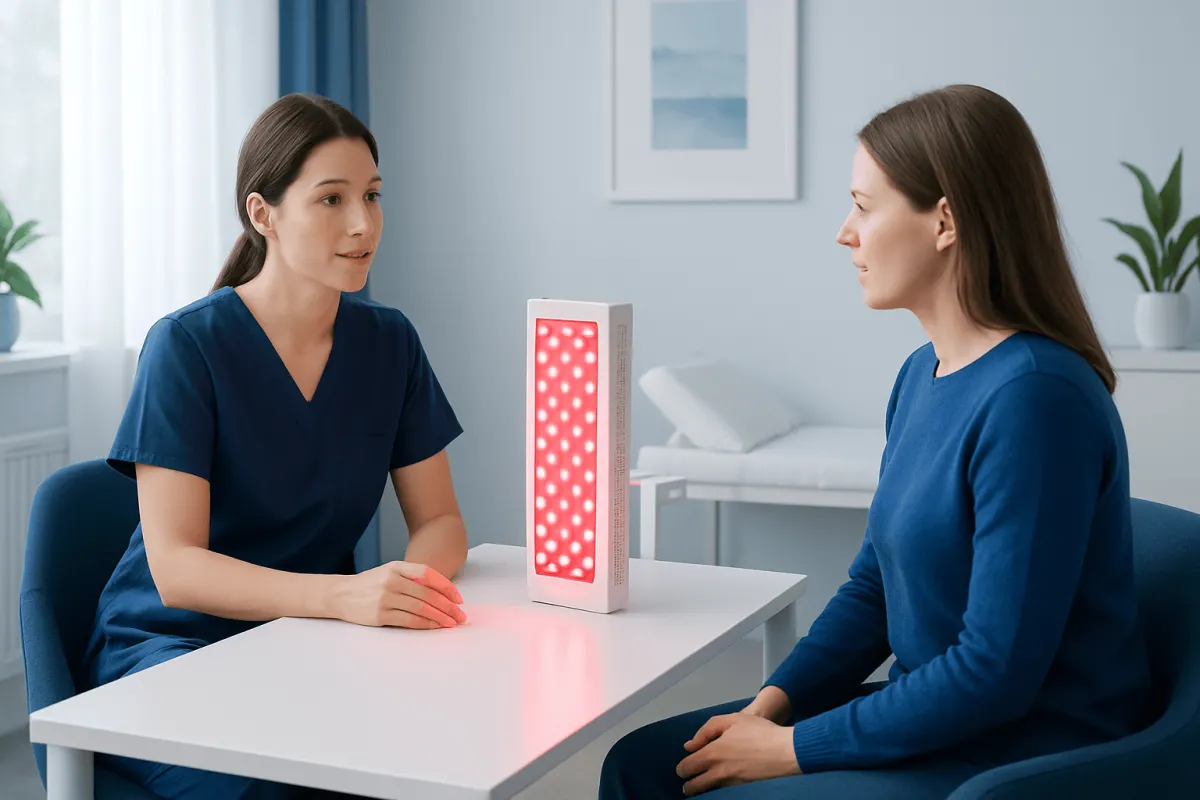
Before a session, the treatment area is generally clean and dry. Makeup, sunscreen, thick creams and opaque dressings may alter how light reaches the skin, so following the device instructions is important. Jewelry or clothing may need to be moved if they cover the area being treated.
The user positions the device at the recommended distance and treats only for the stated time. Closer positioning or longer sessions are not necessarily more effective. Light biology may follow a dose-response pattern in which too little exposure has little effect, but excessive exposure may reduce benefit or cause unwanted warmth, redness, irritation or headache.
Eyes should not be exposed directly to bright light unless a device is specifically designed and cleared for use around the eyes and its instructions permit this. Protective eyewear should be used when recommended. People should never stare into LEDs, even if the light does not feel painful.
A short record of the device settings, distance, schedule and symptoms can help a person judge tolerance and discuss use with a clinician. If the skin becomes persistently irritated or symptoms worsen, treatment should stop until medical advice is obtained.
How to maximize red light therapy results?
To maximize red light therapy results, the priority is a realistic target, a consistent routine and use within the device’s instructions. Results, when they occur, are usually gradual rather than immediate. Taking baseline photographs under similar lighting for skin-related goals, or tracking pain and function over time for a musculoskeletal goal, may provide a more useful measure than day-to-day impressions.
Consistency does not mean increasing the dose. A person should follow the recommended frequency, distance and session duration and allow adequate time to assess response. Changing several variables at once, such as using a new device while also starting multiple skin products or exercise programmes, makes it difficult to know what is helping or causing irritation.
Red light therapy tends to be most useful when it complements established care. For example, persistent joint pain may need a diagnosis and a rehabilitation plan, while chronic skin concerns may need dermatological assessment. Healthy sleep, balanced nutrition, sun protection, regular activity and adherence to clinician-recommended treatment remain central to overall health and recovery.
Claims that a home light device can reverse disease, replace prescribed treatment or produce dramatic body changes should be approached carefully. A qualified healthcare professional can help determine whether photobiomodulation is reasonable for an individual situation and whether a different treatment is more appropriate.
What light therapy penetrates the deepest?
Near-infrared light generally penetrates deeper into tissue than visible red light. Near-infrared wavelengths are not visible to the human eye and may be used in devices intended for muscles, joints or other deeper targets. However, penetration is influenced by wavelength, skin pigmentation, tissue type, body location, device distance, light intensity and the amount of light reflected or absorbed at the skin surface.
Red light is often used for more superficial targets, including some skin-related applications. Near-infrared light may reach somewhat deeper, but it still does not travel without limit through the body. It should not be considered a way to treat internal organs or to diagnose and manage deep medical conditions without professional care.
Deeper penetration is not automatically preferable. The most suitable wavelength and dose depend on the clinical objective, and evidence for at-home use differs across conditions. Heat-based infrared treatments, such as saunas or heat lamps, are not the same as low-level red or near-infrared photobiomodulation devices and have different risks and intended effects.
How much weight do you lose with red light therapy?
Red light therapy is not an established treatment for meaningful weight loss, and no reliable amount of weight loss should be expected from it. Some small studies and commercial claims have examined body contouring or changes in fat-cell measurements, but this does not demonstrate sustained weight reduction or the health benefits associated with evidence-based weight management.
Body weight changes when energy intake, physical activity, health conditions, medicines, sleep and other factors interact over time. For people who wish to lose weight, a clinician can help identify safe, evidence-based options, including nutrition support, physical activity plans, behavioural approaches and medical treatment when appropriate.
Unintentional weight loss, rapid weight change, swelling, fatigue, digestive symptoms or changes in appetite should not be attributed to a light therapy routine. These symptoms deserve medical assessment, particularly if they persist or affect daily life.
Safety, recovery and expected results
Recovery after a correctly used red light therapy session is usually minimal. Many people return to normal activities immediately. Mild temporary warmth or short-lived redness can occur, particularly with more intense devices or prolonged use, but pain, blistering, marked swelling or persistent skin changes are not expected and warrant stopping use.
People who take medicines or use topical products that increase sensitivity to light should ask a doctor or pharmacist before beginning. This may include certain acne treatments, antibiotics, diuretics, anti-inflammatory medicines and herbal products. Extra caution is also appropriate for people with a history of photosensitivity, eye disease, active skin cancer or an unexplained skin lesion.
Photobiomodulation should not delay care for an infection, an open or non-healing wound, severe pain, loss of sensation, or a possible fracture. It is also important not to use a consumer device over a suspicious mole, changing pigmented lesion or known cancer area unless an oncology or dermatology team specifically advises it.
Expected results should be modest and condition-specific. Some people notice no clear benefit. If a goal is not being met after following safe instructions for a reasonable period, it is sensible to stop purchasing additional treatments and discuss the underlying concern with a qualified clinician.
When to seek medical care
Medical care is appropriate for pain that is severe, persistent, recurrent or associated with weakness, numbness, fever, chest symptoms, a new injury or reduced ability to move. A clinician can identify possible causes and recommend care based on the diagnosis rather than relying on a home device alone.
Prompt assessment is important for a wound that is deep, infected, not healing, or accompanied by spreading redness, discharge, fever or increasing pain. New, changing, bleeding or non-healing skin lesions should also be examined by a healthcare professional rather than treated with light at home.
Anyone who develops eye pain, visual changes, severe headache, blistering or a significant skin reaction after light exposure should stop using the device and seek medical advice. People who are pregnant, undergoing cancer treatment, managing a chronic condition or considering light therapy for a child should consult their treating clinician first.
Acıbadem Health Point’s multidisciplinary specialists and JCI-accredited hospitals can assess persistent symptoms and discuss appropriate treatment options for international patients.
Frequently asked questions
01Is red light therapy the same as a tanning bed?
No. Tanning beds use ultraviolet radiation, which can damage skin and increase skin cancer risk. Red and near-infrared photobiomodulation devices are designed to use non-UV wavelengths, but they still need to be used according to safety instructions.
02How quickly do at-home red light therapy results appear?
Results vary according to the goal, device and treatment routine. When benefits occur, they are often gradual over weeks rather than after one session. Lack of improvement should prompt a review of the underlying condition and treatment plan with a clinician.
03Can red light therapy burn the skin?
Properly used low-level devices should not cause burns, but excessive duration, an unsuitable distance or a device that produces substantial heat may irritate skin. Stop use if there is pain, blistering, marked redness or persistent irritation. Seek medical advice for a significant reaction.
04Should protective goggles be used for red light therapy?
Users should follow the specific device instructions. Direct viewing of bright LEDs should be avoided, and protective eyewear is appropriate when recommended by the manufacturer. People with eye disease or vision symptoms should ask an eye-care professional before use.
05Can red light therapy help joint or muscle pain?
Some studies suggest photobiomodulation may help selected types of pain for some people, but results are inconsistent and it does not address every cause of pain. Persistent, severe or function-limiting pain needs a medical diagnosis. Light therapy may be considered only as one part of a broader care plan.
06Who should avoid at-home red light therapy without medical advice?
People with photosensitivity, eye conditions, active cancer treatment, suspicious skin lesions or unexplained symptoms should seek advice first. The same applies to people taking medicines or using topical treatments that can increase light sensitivity. A clinician can advise whether the device and intended use are appropriate.
This article is for general information only and is not a substitute for professional medical advice. Please consult a qualified doctor about your individual situation.
Explore treatments in Turkey — costs, top hospitals & a free quote
JCI-accredited · board-certified surgeons · reply within 24h
Add us as a Preferred Source to see more of our trusted health content across Google Search, AI Overviews and Discover.