Visual Disturbances With Headache: Possible Causes
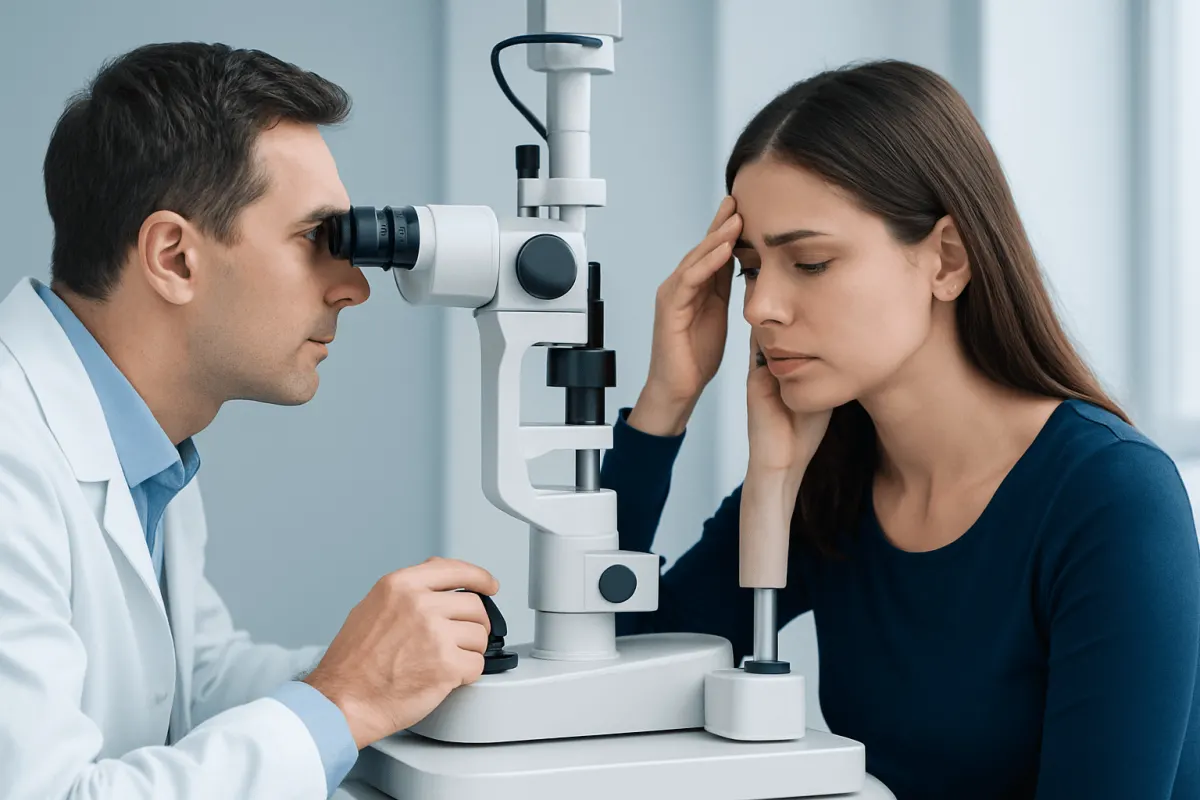
Visual symptoms and headache commonly occur with migraine, but they can also result from eye conditions, blood-pressure changes, medication effects, or neurological disorders. The pattern, timing, and associated symptoms help clinicians decide whether symptoms are likely benign or need urgent evaluation.
Overview: Why Headache and Vision Changes Can Occur Together
Visual disturbances with headache describe a broad group of symptoms, including blurred vision, flashing lights, shimmering patterns, blind spots, double vision, eye pain, or temporary loss of vision. Migraine is a common explanation, particularly when visual symptoms develop gradually, last a limited time, and are followed by a familiar headache. However, not every headache with visual symptoms is migraine.
The visual system includes the eyes, optic nerves, brain pathways that process vision, and blood vessels that supply these structures. A problem at any point along this pathway can affect sight and may also cause head pain. Some causes are temporary and manageable, while others require prompt treatment to protect vision or prevent complications.
It is useful to notice whether symptoms affect one eye, both eyes, or one side of the visual world. Although this can be difficult to determine during an episode, it gives clinicians important clues. New symptoms, a changed headache pattern, or persistent vision changes should be assessed by a qualified healthcare professional.
Common Visual Symptoms and Their Patterns
A migraine visual aura often begins gradually and spreads across the visual field over several minutes. It may appear as sparkling lights, zigzag lines, flickering, heat-wave effects, colored shapes, or an enlarging blind spot. The symptoms commonly affect both eyes, even if they appear to be more noticeable on one side. They usually resolve completely and may be followed by headache, nausea, light sensitivity, or sound sensitivity.
Blurred vision can occur during a migraine but is not specific to migraine. It may be related to dry eyes, focusing problems, changes in blood sugar, medication effects, high blood pressure, or disorders affecting the optic nerve or brain. Double vision can develop when the eyes do not align correctly and should be evaluated, especially if it is new or accompanied by other neurological symptoms.
Temporary dimming or complete loss of vision in one eye is different from a typical visual aura and needs medical attention. It can be caused by an eye or blood-vessel problem. Persistent visual loss, a curtain-like shadow, new floaters with flashes of light, or severe eye pain and redness also warrant urgent eye assessment.
- Positive symptoms: lights, flashes, shimmering, zigzags, or moving patterns.
- Negative symptoms: missing areas of vision, dimming, a dark shadow, or loss of sight.
- Associated symptoms: nausea, sensitivity to light, dizziness, eye pain, weakness, numbness, or difficulty speaking.
Possible Causes Beyond Migraine

Migraine with aura is an important and common cause of temporary visual symptoms, but other conditions can produce similar experiences. Tension-type headaches may coexist with eye strain or blurred vision, while cluster headaches can cause severe one-sided head pain with tearing, redness of the eye, eyelid drooping, or nasal congestion. Refractive errors, dry eye disease, and prolonged screen use can contribute to visual discomfort and headache without being the underlying cause of migraine.
Some eye conditions need timely care. Acute angle-closure glaucoma may cause intense eye pain, redness, blurred vision or halos around lights, nausea, and headache. Retinal tears or detachment can cause flashes, a sudden increase in floaters, or a shadow spreading across vision. Inflammation involving the eye or optic nerve may lead to pain with eye movement and reduced or altered color vision.
Neurological and vascular causes are less common but particularly important to exclude when symptoms are sudden or unusual. These include transient reductions in blood flow to the eye or brain, stroke, bleeding around the brain, raised pressure inside the skull, and inflammation of blood vessels. High blood pressure, diabetes, pregnancy-related hypertensive disorders, clotting conditions, smoking, and cardiovascular disease can increase risk in some people.
Medication side effects, dehydration, infection, sleep disruption, and metabolic changes may also contribute to headache and visual symptoms. A clinician considers the full context rather than relying on one symptom alone.
Warning Signs That Need Urgent Assessment
Emergency evaluation is appropriate for a sudden, severe headache that reaches maximum intensity quickly, particularly if it is unlike previous headaches. Immediate assessment is also important for sudden vision loss, a new persistent blind spot, new double vision, weakness or numbness on one side of the body, facial drooping, trouble speaking, confusion, fainting, seizure, or difficulty walking.
People should seek urgent care for headache with fever, neck stiffness, a new rash, severe vomiting, or a reduced level of alertness. A headache after significant head injury also requires prompt medical review. New headache with visual symptoms during pregnancy or soon after delivery should be assessed urgently because blood-pressure-related conditions can occur in this period.
New headache after age 50, headache in a person with cancer or a weakened immune system, and headache that becomes progressively more frequent or severe should be discussed with a doctor without delay. For people aged over 50, headache with scalp tenderness, jaw pain while chewing, fever, or visual symptoms may indicate an inflammatory blood-vessel condition that needs same-day assessment to help protect sight.
These warning signs do not mean that a serious condition is definitely present. They indicate that it is safer to be assessed promptly rather than assume the symptoms are migraine.
How Doctors Diagnose the Cause
Diagnosis begins with a detailed description of the episode. A clinician may ask when symptoms started, how quickly they developed, how long they lasted, whether they were in one or both eyes, and whether the headache began before, during, or after the visual changes. Previous migraine history, family history, medications, medical conditions, pregnancy status, and vascular risk factors are also relevant.
An examination may include vision testing, pupils, eye movements, visual fields, color vision, eye pressure, and examination of the retina and optic nerve. A neurological examination checks strength, sensation, coordination, speech, balance, and reflexes. These assessments can help distinguish a migraine pattern from signs of eye disease or a neurological disorder.
Further tests are chosen according to the symptoms and examination findings. They may include blood-pressure measurement, blood tests, visual-field testing, optical imaging of the retina or optic nerve, or brain and blood-vessel imaging. Not everyone with recurrent, typical migraine aura needs imaging, but testing may be appropriate when symptoms are new, atypical, prolonged, worsening, or associated with concerning signs.
A symptom diary can be highly useful. Recording timing, duration, visual features, headache severity, meals, sleep, stress, menstrual cycle, medications, and possible triggers can help identify patterns and guide treatment.
Treatment Depends on the Underlying Cause
When symptoms fit migraine, treatment may include measures to relieve attacks and, for frequent or disabling episodes, preventive strategies. A doctor can advise on appropriate pain-relief medicines, anti-nausea treatment, and migraine-specific therapies when suitable. The best approach depends on the person’s symptoms, other health conditions, frequency of attacks, and current medicines.
For migraine, regular sleep, hydration, regular meals, physical activity, and stress-management techniques may reduce attacks for some people. Identifying personal triggers can be helpful, although unnecessary dietary restriction is not usually recommended unless a consistent association is clear. People should avoid using short-term headache medicines too frequently, as this can contribute to medication-overuse headache.
Eye, retinal, optic-nerve, blood-pressure, or neurological conditions require condition-specific treatment. Some need urgent medication, laser or surgical care, blood-pressure control, or hospital monitoring. Prompt assessment is especially important when there is sudden vision loss, an abnormal neurological examination, or symptoms suggesting a vascular event.
Acıbadem Health Point’s multidisciplinary specialists and JCI-accredited hospitals assess and treat neurological and eye-related causes of headache and visual symptoms for international patients. Care plans should always be based on an individual clinical evaluation.
Self-Care, Prevention, and Preparing for an Appointment
During a familiar migraine episode without warning signs, resting in a dark, quiet room and maintaining hydration may ease discomfort. It is sensible to avoid driving, operating machinery, or climbing heights while vision is affected. If a visual symptom is new, more intense than usual, prolonged, or different from previous migraine episodes, medical advice is recommended rather than self-treatment alone.
Supporting eye comfort can also help with non-emergency symptoms. This may include taking regular breaks from close work, ensuring suitable lighting, using prescribed glasses or contact lenses correctly, and arranging routine eye examinations. Screen use can cause eye fatigue, but persistent blurred vision or headaches should not automatically be attributed to screens.
Before an appointment, patients can note whether covering either eye changes the symptom, whether pain occurs with eye movement, and whether there are flashes, floaters, weakness, numbness, or speech changes. It is also helpful to bring a list of medications and relevant medical history. This information can make the evaluation more efficient and accurate.
Frequently asked questions
01Can migraine cause visual disturbances without a headache?
Yes. Some people experience a visual aura without a significant headache, sometimes called acephalgic or silent migraine. However, a first episode of visual symptoms without headache should be reviewed by a clinician to make sure another cause is not being missed.
02How can someone tell whether vision changes are in one eye or both eyes?
During an episode, covering one eye and then the other may help clarify whether the symptom remains in the same side of the visual field or disappears when one eye is covered. This can be difficult to assess, so the description is still useful even if it is uncertain. True vision loss in one eye needs prompt medical assessment.
03Are flashing lights always a sign of migraine?
No. Flashing lights can occur with migraine aura, but they may also be caused by changes in the retina, particularly if they are new and occur with floaters or a shadow in vision. New flashes should be discussed urgently with an eye professional, especially when they affect one eye.
04When is blurred vision with headache an emergency?
Emergency care is needed when blurred vision is sudden, severe, or accompanied by weakness, numbness, speech problems, confusion, fainting, severe eye pain, a red eye, or a sudden severe headache. A new visual change during pregnancy or shortly after delivery also requires urgent assessment.
05Can high blood pressure cause headache and visual changes?
Severely elevated blood pressure can be associated with headache and visual symptoms and may require urgent care. Mild or moderate high blood pressure often causes no noticeable symptoms. Blood pressure should be measured rather than judged by symptoms alone.
06Should people have brain imaging for every migraine aura?
Not necessarily. People with recurrent, typical aura and a normal examination may not need imaging. A doctor may recommend imaging when symptoms are new, unusual, prolonged, worsening, start later in life, or occur with neurological warning signs.
This article is for general information only and is not a substitute for professional medical advice. Please consult a qualified doctor about your individual situation.
Persistent digestive symptoms? Get evaluated in Turkey
JCI-accredited · board-certified surgeons · reply within 24h
Add us as a Preferred Source to see more of our trusted health content across Google Search, AI Overviews and Discover.