Vestibular Therapy: Uses and Benefits

Key Takeaways
- Vestibular therapy is a structured rehabilitation program for dizziness, imbalance, and related symptoms.
- It often combines eye, head, and balance exercises with guidance for daily activities.
- Common reasons for referral include vertigo, vestibular neuritis, concussion, and age-related balance problems.
- Diagnosis begins with a medical evaluation to identify the cause of symptoms and rule out urgent conditions.
- Most people benefit from a personalized plan, home exercises, and gradual return to normal activities.
Vestibular therapy is a specialized form of rehabilitation designed to help people with dizziness, unsteadiness, and motion sensitivity regain confidence in daily movement. It uses targeted exercises and education to improve balance, reduce symptoms, and support safe recovery.
Overview
Vestibular therapy is a type of rehabilitation focused on the body’s balance system. That system includes the inner ears, eyes, muscles, joints, and brain pathways that work together to keep a person steady, orientated, and comfortable during movement. When any part of that network is disrupted, everyday tasks such as turning the head, walking in busy spaces, or standing up quickly can start to feel difficult.
The therapy is usually guided by a physiotherapist or rehabilitation specialist with experience in balance disorders. Rather than aiming to “mask” symptoms, it helps the brain adapt, compensate, and relearn how to process movement and position signals more efficiently. For many patients, that means less dizziness, more stable walking, and greater confidence in returning to work, travel, exercise, and routine life.
It is often recommended after the cause of symptoms has been identified. Some people need it after an inner ear condition, while others are referred following concussion, a vestibular migraine pattern, or a period of prolonged unsteadiness. In international patient care, this type of treatment is frequently part of a wider plan that may include imaging, specialist review, and a home program that can continue after the patient has returned to their own country.
Symptoms That May Benefit From Vestibular Therapy
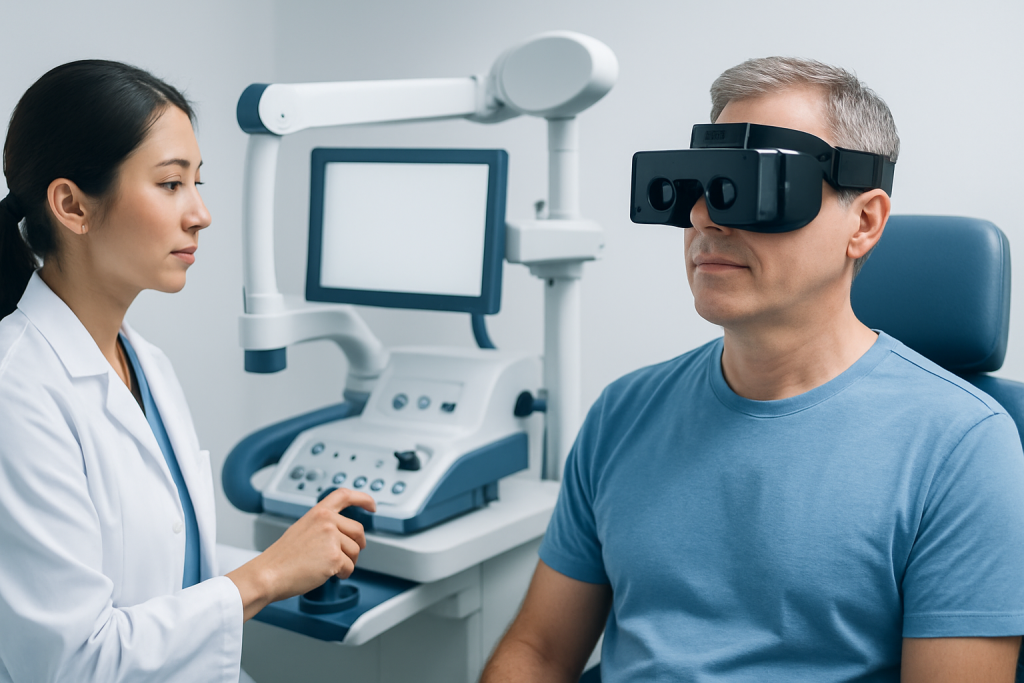
Vestibular therapy is most often used when symptoms suggest a problem with balance processing rather than a purely muscular or joint issue. The experience can vary widely. Some people describe spinning sensations, while others feel floating, swaying, blurred vision with movement, or a strong sense of being unsteady in crowds or in dimly lit places.
Common complaints include dizziness when turning in bed, trouble focusing the eyes while walking, nausea triggered by head movement, and an overall fear of falling. Some patients notice that symptoms worsen after quick position changes, looking up, scrolling on screens, or riding in a car. Others may feel physically “off” even when tests show normal strength and coordination.
Symptoms that often prompt a referral include:
- Vertigo or a spinning sensation
- Imbalance or frequent near-falls
- Motion sensitivity
- Visual blurring with head movement
- Difficulty walking in the dark or on uneven ground
- Persistent unsteadiness after a concussion or inner ear illness
Because dizziness can have many causes, a careful medical evaluation is important before therapy begins. That helps ensure the symptoms are being treated in the safest and most effective way.
Causes & Risk Factors

Vestibular therapy is not a diagnosis itself; it is a treatment approach used for several balance-related conditions. One of the most common causes is benign paroxysmal positional vertigo, often called BPPV, where tiny crystals in the inner ear move into a place where they should not be. Another frequent reason is vestibular neuritis or labyrinthitis, which can follow an infection and leave a person with sudden, intense dizziness and lingering imbalance.
People may also benefit after a concussion, stroke recovery, vestibular migraine, Meniere-type symptoms, or age-related balance decline. In some cases, therapy is useful when a person has learned to avoid movement after a dizzy spell, because reduced movement can make the brain less confident at interpreting balance signals. The longer avoidance continues, the more ordinary activities can start to feel risky.
Risk factors for ongoing imbalance may include older age, prior falls, multiple medicines that cause sedation or lightheadedness, visual impairment, dehydration, and untreated inner ear disorders. Anxiety can also intensify symptoms, not because the symptoms are imagined, but because the nervous system becomes more reactive when it is repeatedly on alert. A good therapy plan takes the whole picture into account, not just the ear.
Diagnosis
Before vestibular therapy is prescribed, a clinician usually takes a detailed history and performs a balance-focused examination. The goal is to understand what kind of dizziness is present, what triggers it, how long it lasts, and whether there are any features that suggest a condition requiring urgent attention. This step is especially important for international patients who may arrive with prior scans or reports from another country; those records can be reviewed and added to the local assessment.
Examination may include checking eye movements, walking pattern, standing balance, and symptom response to changes in head or body position. Some patients are also referred for hearing tests, vestibular function testing, or imaging if the doctor needs more information. The exact workup depends on the symptoms and the suspected cause.
The diagnosis is practical as much as it is medical: the team tries to identify what is driving the imbalance and which exercises are likely to help. If the problem is not appropriate for vestibular therapy alone, the plan may include medication, specialist review, or another treatment before rehabilitation begins. This careful sequencing helps avoid unnecessary strain and supports a smoother recovery.
Treatment Options
Vestibular therapy is usually individualized. A therapist chooses exercises based on the person’s symptoms, physical exam, and recovery goals. Some programs focus on habituation, which gently exposes the nervous system to movements that trigger dizziness so the brain can adapt over time. Others use gaze-stabilization exercises to help the eyes stay steady while the head moves.
Balance and gait training are also common. These activities may include standing on different surfaces, walking while turning the head, practicing safe posture changes, or performing tasks that challenge coordination in a controlled way. For BPPV, specific repositioning maneuvers may be used to guide displaced inner ear crystals back where they belong. When appropriate, therapy may also include fall-prevention strategies and advice for moving more safely at home and while traveling.
A typical plan can include in-clinic sessions plus daily home exercises. Progress is usually gradual rather than immediate, and mild symptom increase during the first stages of treatment may occur as part of the adaptation process. The therapist should explain what level of symptom change is expected and when an exercise needs to be modified. For patients traveling from abroad, a clear written home plan and follow-up guidance can be especially helpful after returning home.
In some cases, treatment is paired with other medical care such as migraine management, hearing evaluation, medication review, or concussion rehabilitation. The best outcomes often come from combining therapies instead of relying on a single approach.
Prevention & Self-care
Not every balance disorder can be prevented, but there are practical ways to reduce symptom burden and improve safety. The first is to keep moving within a reasonable range, because prolonged avoidance can make the system more sensitive. Gentle, regular activity is often better than trying to rest completely for long periods.
Patients are usually encouraged to follow the home exercise plan exactly as instructed, even when progress feels slow. Good sleep, hydration, and steady meal patterns can also support recovery. If the person’s symptoms are triggered by fast movements, they may benefit from changing positions more slowly, using hand support when rising, and taking extra care in dim lighting or on stairs.
Additional self-care steps may include:
- Reducing fall risks at home by improving lighting and removing loose rugs
- Wearing supportive footwear
- Avoiding unnecessary Depression and Alcohol Use: Why They Often Occur Together" class="ahp-ilk">alcohol use
- Reviewing medicines with a doctor if dizziness started after a new prescription
- Keeping a symptom diary to identify triggers
It is also helpful to approach recovery with patience. Many people improve steadily when therapy is consistent, but the nervous system may need time to relearn balance responses. A structured plan is often more effective than searching for a quick fix.
When to See a Doctor
A doctor’s assessment is important whenever dizziness is new, recurrent, or interfering with daily life. It is especially wise to seek medical review if the person has fallen, feels unsafe walking, or has symptoms that keep returning despite rest. A clinician can determine whether vestibular therapy is appropriate and whether another condition needs attention first.
Urgent medical evaluation is appropriate if dizziness comes with chest pain, fainting, severe headache, weakness, difficulty speaking, double vision, new hearing loss, or trouble coordinating movement. Those features may point to causes that need immediate treatment and should not be managed as routine balance rehab.
For patients planning care from another country, early communication with the treating team can help organize records, set realistic expectations, and arrange follow-up after the initial visit. Acibadem Health Point’s multidisciplinary specialists and JCI-accredited hospitals diagnose and treat vestibular disorders for international patients as part of coordinated care.
When used for the right condition and matched to the person’s needs, vestibular therapy can be a practical step toward steadier movement and greater independence.
What Recovery Usually Feels Like
Recovery from vestibular problems is often gradual and can feel uneven from week to week. Some people notice that they can walk farther, turn their head more comfortably, or tolerate stores and traffic with less distress before they feel fully “normal.” Others see improvement first in confidence rather than in the intensity of the symptoms themselves.
The pace depends on the underlying condition, how long symptoms have been present, and whether the person can do the exercises consistently. Progress may also be influenced by sleep, stress, migraine control, and other health issues. The therapist may adjust the plan as the patient improves, adding more challenge only when the body is ready for it.
Even after symptoms ease, follow-up can be useful to confirm that balance has stabilized and to review any remaining triggers. For some patients, a few sessions are enough; for others, a longer course is appropriate. The important point is that treatment is individualized and meant to build durable stability, not just short-term relief.
Frequently asked questions
01What exactly does vestibular therapy treat?
Vestibular therapy treats dizziness, vertigo, imbalance, and motion sensitivity caused by problems in the balance system. It is commonly used for inner ear disorders, concussion-related dizziness, and some forms of chronic unsteadiness. The exercises are tailored to the specific pattern of symptoms.
02Is vestibular therapy the same as regular physical therapy?
It is related to physical therapy, but it is more specialized. The exercises focus on balance, eye-head coordination, walking stability, and the brain’s ability to adapt to balance signals. A therapist with vestibular experience can choose the safest and most effective approach.
03Can vestibular therapy make dizziness worse at first?
A mild temporary increase in symptoms can happen, especially early in treatment, because the exercises challenge the balance system. This is usually discussed in advance so the patient knows what is expected. If symptoms become severe or unusual, the therapist or doctor should be informed.
04How long does vestibular therapy take to work?
The timeline varies widely and depends on the cause of the problem, how long symptoms have been present, and how consistently the home exercises are done. Some people improve in a few sessions, while others need a longer program. The therapist usually adjusts the plan as progress is made.
05Do patients need tests before starting therapy?
Often, yes. A doctor usually evaluates the symptoms first to identify the likely cause and decide whether vestibular therapy is appropriate. Some patients may also need hearing tests, balance testing, or imaging before a rehabilitation plan is started.
06Can someone do vestibular therapy after returning home from treatment abroad?
Yes. Many plans are designed with continuation in mind, especially for international patients. A clear home exercise program and follow-up instructions can help the patient keep making progress after traveling back to their own country.
This article is for general information only and is not a substitute for professional medical advice. Please consult a qualified doctor about your individual situation.
Persistent digestive symptoms? Get evaluated in Turkey
JCI-accredited · board-certified surgeons · reply within 24h
Add us as a Preferred Source to see more of our trusted health content across Google Search, AI Overviews and Discover.