Versed: Uses, Dosage and Side Effects

Key Takeaways
- Versed is the brand name for midazolam, a benzodiazepine used for sedation, anxiety relief, and procedural comfort.
- It is commonly given in monitored medical settings, where breathing, heart rate, and alertness can be observed closely.
- Drowsiness, slowed reactions, and temporary memory gaps are expected effects for many patients.
- The medicine can interact with other sedatives, alcohol, and some medications, so a full medication review matters.
- Recovery often includes rest, supervision, and avoiding driving or important decisions until fully alert.
- Patients should contact a clinician promptly if breathing seems unusually slow, confusion is severe, or symptoms do not improve as expected.
Versed is the brand name for midazolam, a short-acting medicine used to calm patients, relieve anxiety, and help with sedation before or during certain medical procedures. Understanding how it works, what side effects may occur, and how to stay safe can make the experience more predictable and reassuring.
Overview
Versed is the trade name for midazolam, a medicine in the benzodiazepine family. It is widely used in hospitals and outpatient settings when a patient needs to feel calmer, more relaxed, or lightly to moderately sedated for a procedure.
Because it works quickly and wears off relatively fast, Versed is often chosen for situations where comfort and cooperation matter, such as endoscopy, minor surgery, dental procedures, or certain diagnostic tests. For international patients planning care abroad, it is helpful to know that this medicine is usually part of a broader monitored sedation plan rather than a standalone treatment.
Midazolam is not intended for self-use in everyday anxiety management. It is administered by trained clinicians who can adjust care according to age, medical history, and the level of sedation needed.
Symptoms and What Patients May Notice

Patients receiving Versed often notice a sense of ease, less anxiety, and a relaxed body feeling. Some people become sleepy, while others remain awake but less tense and less aware of the procedure.
A common feature of midazolam is anterograde amnesia, which means the person may not remember much of the procedure afterward. This is usually expected and is one reason the medicine is useful for short interventions that may otherwise feel uncomfortable or stressful.
- Sleepiness or heavy eyelids
- Slower thinking and reaction time
- Light-headedness or unsteadiness
- Reduced memory of events during the procedure
- Mild changes in breathing or blood pressure under supervision
Less commonly, a person may feel agitated rather than calm. This is not the typical response, but it can happen and should be managed by the care team.
Causes and Risk Factors: Why Versed Is Used and Who Needs Extra Caution

Versed is used because it helps the brain respond less strongly to stress and stimulation. By enhancing the effect of gamma-aminobutyric acid, a natural calming chemical in the nervous system, it reduces anxiety and promotes sedation.
Not everyone has the same sensitivity to midazolam. Older adults, people with breathing problems, those with liver disease, and patients who take other sedating medicines may need closer monitoring because the effects can be stronger or last longer.
Extra caution is also important when a patient has a history of sleep apnea, heavy alcohol use, opioid use, or previous unexpected reactions to sedatives. Pregnancy, breastfeeding, and complex medical conditions should always be discussed with the treating clinician before the medicine is given.
Diagnosis: How Clinicians Decide on the Right Sedation Plan
Versed is not diagnosed in the usual sense, but its use is planned after a clinician reviews the patient’s medical background and the needs of the procedure. The team typically checks current medications, allergies, past reactions to anesthesia, and any conditions that might affect breathing or recovery.
Before sedation, patients may be asked about food and drink intake, recent illness, and whether someone will be available to help them get home safely. For patients traveling internationally, this pre-procedure conversation is especially important because it helps the team coordinate timing, follow-up, and post-sedation support.
During the procedure, clinicians continuously observe the patient’s level of alertness and vital signs. In many settings, monitoring is just as important as the medicine itself, because safe sedation depends on both careful dosing and careful observation.
Treatment Options: How Versed Is Given and What Happens During Care
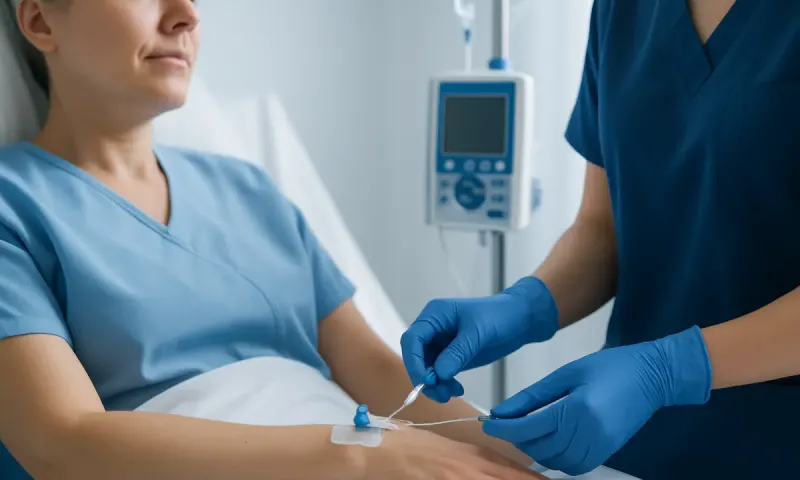
Versed may be given by mouth, through a vein, or in some settings through other routes depending on the procedure and the patient’s needs. The medical team selects the route that best balances comfort, timing, and safety.
When it is used for procedural sedation, the goal is not always complete sleep. For many patients, the aim is a state of calm cooperation or light sleep so that the procedure can be completed more comfortably and with less distress.
The care team watches for expected effects such as drowsiness and slowed responses, while also being ready to manage less common problems such as breathing suppression or low blood pressure. If needed, supportive measures or a reversal medicine may be considered by clinicians in an appropriate setting.
After the procedure, recovery time is usually needed before discharge. Patients are commonly advised to rest, avoid alcohol, and have another adult accompany them home because judgment and coordination may remain affected for several hours.
Prevention and Self-care: Preparing for a Safer Recovery
Patients can support safer use of Versed by sharing a complete list of medicines, supplements, and substances with the care team. This includes sleep aids, anti-anxiety medicines, pain medicines, antihistamines, and alcohol use, all of which can change how sedation behaves.
Following pre-procedure instructions closely matters. If the clinician says to avoid food or drink before a procedure, to arrange transportation, or to pause certain medicines, those steps help reduce avoidable risks and make recovery smoother.
After receiving Versed, the safest plan is usually quiet rest, hydration when allowed, and no driving, work requiring concentration, or legal/financial decisions until the person is fully alert. A family member, friend, or caregiver should stay available if the care team recommends observation after discharge.
- Confirm the timing of fasting instructions before the procedure.
- Ask which regular medicines should be taken and which should be held.
- Plan for a responsible adult to escort the patient home.
- Use caution with stairs, tools, and childcare until alertness returns fully.
When to See a Doctor
Patients should contact a doctor or the procedure team if sedation seems to last much longer than expected, if confusion is worsening, or if there is persistent vomiting or inability to drink fluids. These symptoms may need medical review, especially after a recent procedure.
Urgent medical attention is needed if breathing becomes slow, shallow, noisy, or difficult, or if the person is hard to wake. A bluish color around the lips, severe dizziness, fainting, or a major change in behavior also deserves prompt attention.
For people who are unsure whether a symptom is normal after Versed, it is safer to call the treating clinic for guidance. This is especially true for international patients who may be recovering away from their usual doctor and need clear instructions about follow-up care.
Acibadem Health Point’s multidisciplinary specialists and JCI-accredited hospitals diagnose and treat patients requiring sedation-related care for international patients, with attention to monitoring, recovery, and coordinated follow-up.
Practical Notes for International Patients
For people traveling to another country for a procedure, the most useful preparation is often logistical: who will accompany them, where they will rest afterward, and how they will communicate with the care team if questions come up. Sedation medicines like Versed can temporarily affect memory and judgment, so written instructions are especially valuable.
Patients may wish to ask in advance how long they will need observation, what language support is available, and when they can safely fly or continue travel. If a procedure is scheduled close to departure, the clinician may recommend extra recovery time before boarding a plane or making a long journey.
Clear planning lowers stress and helps the sedation process feel more manageable. A well-organized care pathway also makes it easier to follow safety advice once the patient leaves the hospital or clinic.
Frequently asked questions
01What is the Versed drug used for?
Versed is used to calm patients, reduce anxiety, and create sedation for certain medical or dental procedures. It may also be used in some emergency or intensive care settings under close supervision.
02Is Versed the same as midazolam?
Yes. Versed is the brand name, and midazolam is the generic name. They refer to the same active medicine.
03Will a patient remember the procedure after taking Versed?
Many patients remember little or nothing of the procedure, even if they were awake during part of it. This memory effect is common and is one reason the medicine is used for procedures that may be stressful or uncomfortable.
04Can Versed cause side effects?
Yes. Common effects include sleepiness, dizziness, slowed reactions, and temporary memory loss. More serious problems such as breathing suppression are less common but can happen, which is why the medicine is given in monitored settings.
05Can someone go home alone after receiving Versed?
Usually not. Because alertness and coordination can remain reduced, patients are commonly advised to have another adult accompany them home and help for a period afterward.
06What should patients avoid after Versed?
Patients are generally advised to avoid driving, alcohol, and important decisions until fully alert. They should also follow the care team’s specific instructions about eating, medicines, and activity.
This article is for general information only and is not a substitute for professional medical advice. Please consult a qualified doctor about your individual situation.
Explore treatments in Turkey — costs, top hospitals & a free quote
JCI-accredited · board-certified surgeons · reply within 24h
Add us as a Preferred Source to see more of our trusted health content across Google Search, AI Overviews and Discover.