Veneers in Istanbul, Turkey: How Treatment Is Planned
Veneers Turkey Istanbul refers to cosmetic dental treatment using thin, custom-made coverings bonded to the front of teeth to improve color, shape, size, or minor alignment concerns. A safe, natural-looking result depends on a full oral health assessment, conservative planning, high-quality materials, and reliable follow-up care.
Veneers Turkey Istanbul: an overview
Veneers Turkey Istanbul treatment is a cosmetic dental option for people who want to improve the visible appearance of one or more teeth. Veneers are very thin shells, usually made from porcelain or composite resin, that are bonded to the front surface of teeth. They may help address discoloration that does not respond well to whitening, small chips, worn edges, uneven shape, gaps, or mild visual irregularities.
Veneers are not a one-size-fits-all solution. The safest approach begins with an examination of the teeth, gums, bite, and jaw function, followed by a discussion of the person’s goals and the limits of treatment. A dentist should explain whether veneers, whitening, orthodontic treatment, bonding, crowns, or no treatment is the most tooth-preserving choice.
People considering veneers in Turkey Istanbul may encounter different terms, including porcelain veneers, laminate veneers, composite veneers, and full-coverage crowns. These are not interchangeable. Veneers cover mainly the front of a tooth, while crowns cover the entire tooth and are generally used when a tooth needs more structural protection.
How veneers work and who may be a candidate
Porcelain veneers are fabricated to match the planned color, shape, translucency, and proportions of the smile. The dentist may remove a small amount of enamel to create room for the veneer and help it sit naturally against neighboring teeth. The veneer is then permanently bonded using dental adhesive materials designed for this purpose.
A person may be a suitable candidate when their teeth and gums are healthy, their cosmetic concerns are limited to the visible tooth surfaces, and they understand that porcelain veneers are generally irreversible. Patients should be able to maintain regular brushing, interdental cleaning, and dental follow-up after treatment.
Veneers may need to be postponed or may not be appropriate in some situations. Examples include untreated tooth decay, active gum disease, severe tooth wear, unstable bite problems, large existing restorations, or significant Night Guards, and Tooth Wear" class="ahp-ilk">teeth grinding. Teeth grinding can sometimes be managed with a protective night guard, but the dentist must assess whether veneers would withstand the forces involved.
- Porcelain is stain-resistant and can closely resemble natural enamel.
- Composite resin may often be completed more quickly and can be easier to repair, but may stain or wear sooner.
- Conservative options, such as whitening or composite bonding, may preserve more natural tooth structure for selected patients.
What happens during a veneers procedure in Turkey?
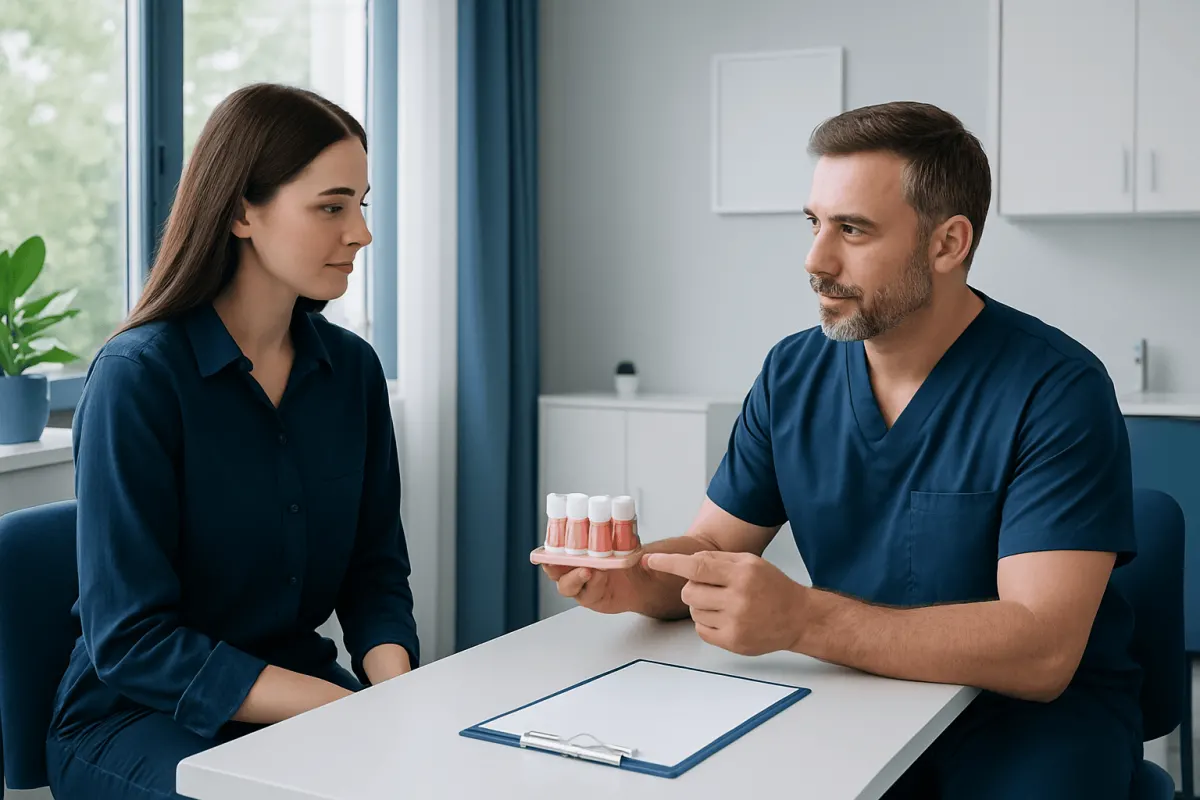
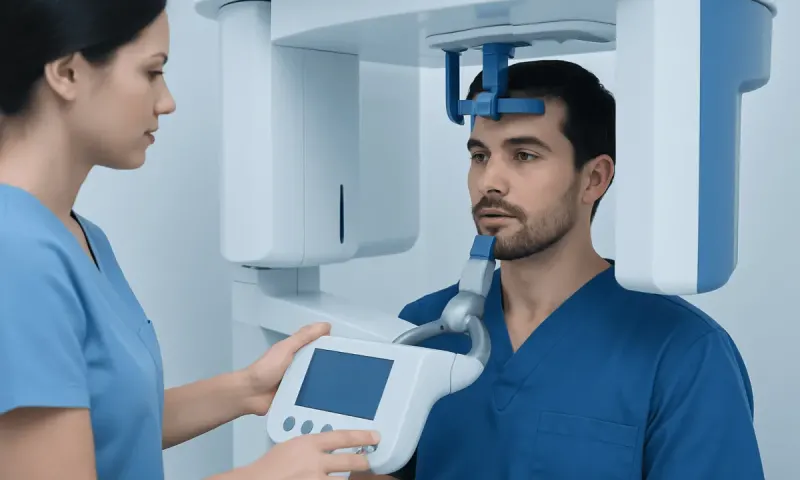
A veneers procedure in Turkey should start with a detailed consultation rather than selecting a treatment from photographs alone. The dentist reviews medical and dental history, checks for gum inflammation and decay, evaluates the bite, and may take photographs, digital scans, X-rays, or impressions. Digital smile planning or a temporary mock-up can help patients understand the likely shape and appearance before permanent work is made.
At the preparation appointment, local anesthetic may be used if enamel reshaping is planned. The dentist removes only the amount of tooth surface considered necessary, then takes a scan or impression for the dental laboratory. Temporary veneers may be placed while custom porcelain veneers are being created, particularly when several teeth have been prepared.
At the fitting appointment, the dentist checks each veneer for color, contour, fit, contact points, and bite. Adjustments are made before bonding. Once the veneers are bonded, the dentist removes excess cement and reviews cleaning techniques, eating guidance, and follow-up needs. Patients should not feel pressured to proceed if the planned outcome, amount of preparation, or alternatives have not been clearly explained.
For patients exploring cosmetic dentistry, dental veneers treatment can be discussed with a qualified dentist after a full assessment of oral health and smile goals.
Recovery timeline, benefits and possible risks
Recovery after veneer placement is usually straightforward. Most people can return to usual non-strenuous activities on the same day. It is common for the teeth or gums to feel mildly sensitive for a few days, especially after enamel preparation or when local anesthetic wears off. Temporary veneers require extra care because they are not as securely attached as final veneers.
In the first days after bonding, patients may notice that the bite feels different or that the veneers feel slightly unfamiliar. This usually settles as the mouth adapts, but a bite that feels uneven, painful, or difficult to close should be reviewed promptly. A simple adjustment may be needed to prevent excessive pressure on one tooth.
Potential benefits include a more even tooth color, improved shape, closure of selected small gaps, and restoration of chipped or worn front edges. However, veneers also have limitations and risks. These include temporary or persistent sensitivity, gum irritation, debonding, chipping, fracture, visible margins over time, color mismatch with natural teeth, and the future need for repair or replacement.
Porcelain veneers do not decay, but the tooth underneath and the gumline can still develop decay or inflammation. Good oral hygiene remains essential. Patients should also understand that changing the color of natural teeth later with whitening may make surrounding teeth look different from the veneers.
How long do Turkish veneers last?
Turkish veneers do not have a different biological lifespan from veneers placed elsewhere; durability depends on the material, the quality of planning and bonding, the condition of the teeth and bite, and ongoing care. Porcelain veneers commonly last for many years, while composite veneers usually require earlier maintenance or replacement because composite is more prone to staining and wear.
Veneers may last longer when patients brush twice daily with fluoride toothpaste, clean between teeth, attend regular dental check-ups, and avoid using teeth as tools. Biting hard objects, chewing ice, opening packaging with teeth, and untreated clenching or grinding can increase the risk of chips or loosening.
A night guard may be recommended for people who grind their teeth during sleep. Even with excellent care, veneers are not permanent and should be viewed as a long-term restoration that may eventually need repair or replacement.
Can I bite an apple with veneers?
Many people with well-bonded veneers can eat apples and other firm foods, but it is sensible to use caution. Rather than biting directly into a very hard apple with the front teeth, cutting it into slices can reduce force on the veneer edges. This is particularly important soon after treatment and for people with a history of clenching or chipping teeth.
Veneers are designed for normal chewing, but they are not intended to withstand non-food habits or sudden concentrated force. Hard sweets, ice, bones, pens, fingernails, and food packaging can chip a veneer or weaken the bond. The dentist can give individual guidance based on the number of veneers placed and the patient’s bite.
If a veneer cracks, becomes loose, or feels sharp, patients should keep any detached piece if possible and arrange a dental review. They should avoid trying to glue it back into place at home.
Can you go back to normal teeth after porcelain veneers?
In most conventional porcelain veneer treatments, the answer is no. Because a small amount of enamel is often removed to make room for the veneer, the prepared tooth generally needs continued coverage with a veneer or another suitable restoration. Removing a porcelain veneer without replacing it may leave the tooth looking different and may increase sensitivity.
Some ultra-thin or no-preparation veneer approaches may preserve more enamel, but suitability is limited and must be assessed carefully. “No-prep” does not automatically mean reversible, because changing the outer contour of a tooth can affect appearance, cleaning, speech, or bite. Patients should ask exactly how much enamel is planned to be removed before consenting.
A conservative treatment plan should protect healthy tooth structure wherever possible. For some concerns, professional whitening, orthodontics, reshaping, or composite bonding may be preferable alternatives. The dentist should present the expected benefits, limitations, maintenance requirements, and alternatives in clear terms.
Are Turkish veneers safe and when to seek medical care?
Are Turkish veneers safe? Veneers can be safe when they are provided by a properly qualified dental professional following a thorough clinical examination, appropriate imaging where needed, infection-control standards, and careful bite planning. Safety is determined by clinical quality and patient selection, not by location alone. A veneers Turkey review can be useful for understanding patient experience, but it cannot replace verification of professional credentials, treatment records, materials used, and an individual consultation.
Before travelling, patients should ask what type of restoration is proposed, whether veneers or crowns are being recommended, how much tooth reduction is expected, how many appointments are needed, and what follow-up support is available after returning home. Discussions of veneers Istanbul price should include the full clinical plan rather than focusing only on the initial treatment figure. A lower-cost plan may not account for diagnostics, temporary restorations, future repairs, or local aftercare.
Patients should seek urgent dental or medical care for facial swelling, fever, difficulty swallowing or breathing, severe pain, spreading redness, or uncontrolled bleeding. A dentist should assess persistent sensitivity, gum bleeding, a changing bite, a loose veneer, a cracked veneer, or discomfort when chewing. Acıbadem Health Point’s multidisciplinary specialists and JCI-accredited hospitals diagnose and treat dental concerns for international patients.
Frequently asked questions
01How many days are needed for veneers in Istanbul?
The number of days depends on the type of veneer, number of teeth, laboratory workflow, and whether treatment is straightforward. Porcelain veneers commonly require assessment, tooth preparation, laboratory fabrication, fitting, and review appointments. Patients should allow time for adjustments rather than assuming every case can be completed immediately.
02Do veneers hurt?
The procedure is usually performed with local anesthetic when tooth preparation is needed, so patients should not feel pain during treatment. Mild tooth or gum sensitivity can occur after preparation or bonding and often improves within days. Ongoing pain, worsening sensitivity, or pain on biting should be assessed by a dentist.
03Are veneers better than crowns?
Neither is universally better because they serve different purposes. Veneers are generally used to improve the front surface and appearance of a tooth with sufficient healthy structure, while crowns cover the whole tooth and may be needed when there is substantial damage or a large restoration. A dentist can recommend the most conservative appropriate option.
04Can veneers stain?
Porcelain veneers are relatively resistant to staining, although the cement margins and nearby natural teeth can still change color over time. Composite veneers are more likely to absorb stains from tobacco, coffee, tea, and deeply colored foods. Regular cleaning and dental reviews help maintain appearance.
05What should someone check before choosing veneers abroad?
They should confirm the dentist’s qualifications, request a written treatment plan, understand the material and amount of tooth preparation proposed, and ask about follow-up arrangements. It is also important to disclose medical conditions, medications, teeth grinding, and previous dental work. A consultation should include examination of gum health and bite, not only cosmetic photographs.
06Can a damaged veneer be repaired?
Small chips in composite veneers can sometimes be repaired directly. Minor porcelain defects may occasionally be smoothed or repaired with bonding material, but larger cracks, poor fit, or a detached veneer often require replacement. The appropriate approach depends on the location and extent of damage.
This article is for general information only and is not a substitute for professional medical advice. Please consult a qualified doctor about your individual situation.
Explore treatments in Turkey — costs, top hospitals & a free quote
JCI-accredited · board-certified surgeons · reply within 24h
Add us as a Preferred Source to see more of our trusted health content across Google Search, AI Overviews and Discover.