Veneer Treatment Teeth: Options, Safety, and Outlook
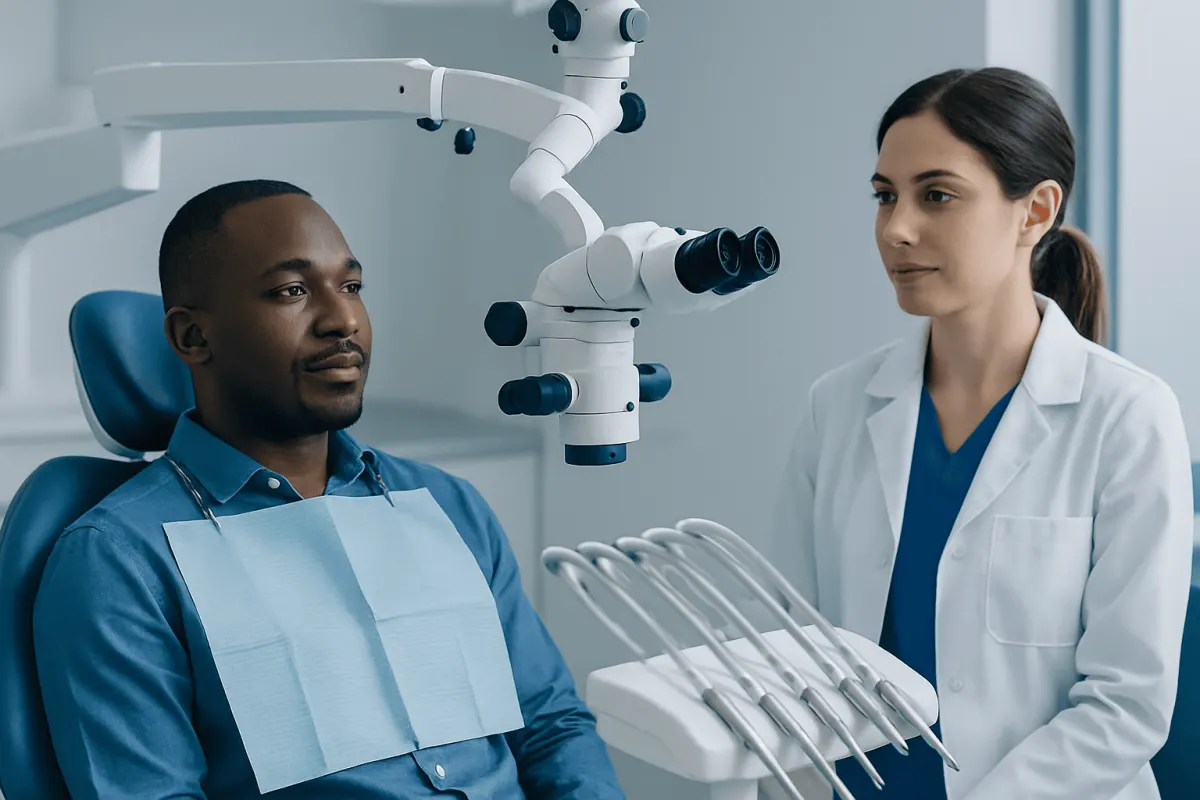
Veneer treatment teeth involves placing thin, custom-made coverings over the front surfaces of selected teeth to improve their appearance. Veneers may be suitable for discoloration, small chips, uneven shape, or minor spacing concerns, but they are not appropriate for every dental problem and usually involve an irreversible change to tooth enamel.
Overview: What Veneer Treatment Teeth Involves
Veneer treatment teeth refers to cosmetic dental treatment in which very thin coverings are bonded to the outward-facing surface of teeth. The aim is to improve visible concerns such as persistent staining, minor chips, slight unevenness, worn edges, small gaps, or teeth that appear unusually small or irregularly shaped. Veneers are most often placed on front teeth, where appearance is a primary concern.
Veneers are commonly made from porcelain or tooth-colored composite resin. Porcelain is produced in a dental laboratory or with digital milling technology and is valued for its natural light reflection and resistance to surface staining. Composite resin is shaped directly on the tooth or prepared outside the mouth, depending on the technique. The most suitable material depends on the tooth, the desired change, bite forces, budget considerations, and the dentist’s assessment.
A veneer is not the same as a crown. A crown covers the entire tooth and may be used when a tooth is substantially weakened, heavily restored, fractured, or requires more structural protection. A veneer mainly covers the front and, in some designs, the edge of a tooth. For people with more extensive damage, a dentist may discuss dental crowns or other restorative options instead.
Who May Benefit and When Veneers May Not Be Suitable
Veneers may be considered when a person wants to make a lasting cosmetic change and has generally healthy teeth and gums. They can help conceal discoloration that does not respond well to whitening, including color changes associated with some medications, old dental work, enamel changes, or trauma. They may also improve the appearance of small fractures, mild tooth wear, or modest spacing between teeth.
However, veneers are not a treatment for every concern. Active tooth decay, untreated gum disease, poor plaque control, loose teeth, significant enamel loss, or uncontrolled teeth grinding should be addressed first. If teeth are severely crowded, widely spaced, or positioned in a way that affects the bite, orthodontic treatment may be a more conservative first step. In some circumstances, reshaping, whitening, bonding, or professional teeth whitening may achieve the desired change with less alteration to the natural tooth.
People who clench or grind their teeth may still be candidates after individual assessment, but they may need a protective night guard and a plan to manage the underlying habit. A dentist will also consider whether the proposed veneer design could make cleaning difficult or place excessive stress on the restoration.
Diagnosis and Planning Before Dental Veneers

Safe veneer treatment begins with a comprehensive dental assessment rather than with selecting a shade alone. The dentist examines the teeth, gums, bite, jaw movement, existing restorations, and signs of grinding or enamel erosion. X-rays or digital scans may be recommended to assess tooth structure, roots, bone support, and areas not visible during a routine examination.
Planning commonly includes photographs, digital impressions, or three-dimensional scans. Some dentists use a diagnostic wax-up or digital smile design to show how proposed changes may affect tooth proportions, lip support, speech, and the overall smile. A temporary preview, sometimes called a mock-up, may help a person understand the likely look and feel before irreversible preparation begins.
The dentist should explain the expected benefits, limitations, alternatives, and maintenance needs. Shade selection should account for neighboring teeth, skin tone, lighting, and the person’s preferences. Because natural teeth can change color over time, it is often helpful to complete whitening before selecting the final veneer shade when whitening is appropriate.
- Assessment of decay, gum health, and existing fillings or crowns
- Evaluation of bite alignment, grinding, and jaw function
- Digital or conventional impressions for planning and fabrication
- Discussion of conservative alternatives and long-term care
Modern Veneer Materials and Treatment Approaches
Traditional porcelain veneers generally require removal of a small amount of enamel so the finished tooth does not look bulky and the veneer can bond securely. The amount varies according to the starting tooth position and the intended result. In some cases, little-preparation or no-preparation veneers may be possible, but these are not suitable for every smile because adding material without reshaping can make teeth appear prominent or affect the bite.
Composite veneers can often be completed in fewer visits and may involve less enamel removal. They can be repaired more easily if a small chip occurs, but they may be more prone to staining, surface wear, and gradual loss of shine than porcelain. Porcelain veneers usually require laboratory fabrication and are bonded at a later visit after the dentist checks fit, color, contour, and bite.
Modern treatment increasingly uses intraoral scanners, digital smile planning, high-resolution photography, computer-aided design and manufacturing, and more refined ceramic materials. These tools can improve communication and precision, but they do not replace clinical judgment. A natural-looking outcome still depends on careful diagnosis, suitable tooth preparation, sound bonding technique, and respect for the person’s facial features and bite.
What Is the 4-8-10 Rule for Veneers?
The “4-8-10 rule” is an informal cosmetic dentistry phrase, not an established clinical guideline. It is usually used to describe the number of front teeth that may be considered when creating a balanced smile: four teeth for a limited change, eight teeth for a broader upper-smile change, or ten teeth when more teeth are visible during smiling.
The rule should not be treated as a recommendation that a person needs a fixed number of veneers. The right number depends on the width of the smile, tooth color differences, visibility of teeth while talking and smiling, the condition of adjacent teeth, and the desired level of symmetry. In some cases, one or two teeth can be treated; in others, veneers may not be the best option at all.
A dentist should plan treatment around the individual rather than a numerical formula. Matching untreated neighboring teeth is especially important, and treating more teeth solely to follow a rule can remove healthy enamel unnecessarily.
Does Donald Trump Have Veneer Teeth?
There is no reliable, publicly confirmed medical or dental information that establishes whether Donald Trump has dental veneers. Photographs, television appearances, and changes in lighting can make teeth appear brighter, straighter, or differently shaped, but they cannot confirm a particular dental treatment.
It is generally not appropriate to diagnose or speculate about an individual’s dental care based on images. Many cosmetic dental procedures, including whitening, bonding, orthodontics, crowns, and veneers, can create similar visible changes. A person’s dental treatment is private unless they choose to disclose it through a reliable source.
What Is the Most Recent Technology in Dental Veneer Technology?
Recent advances in dental veneer technology include digital intraoral scanning, computer-assisted smile design, three-dimensional treatment previews, high-strength and highly translucent ceramic materials, and computer-aided design and manufacturing. These approaches can reduce reliance on conventional impression materials, support detailed planning, and help patients and dentists communicate about shape, proportion, and expected appearance.
Some clinics also use guided preparation tools, magnification, and advanced adhesive techniques to preserve as much healthy enamel as possible when preparation is needed. Newer ceramics can offer a combination of strength and natural translucency, although the best material still depends on tooth position, bite pressure, and how much change is required.
No technology can guarantee a perfect cosmetic result or make veneers risk-free. The most important factors remain accurate diagnosis, conservative planning, appropriate material selection, careful bonding, and ongoing maintenance. Patients should ask how the proposed digital plan will be verified in the mouth before final veneers are made.
Why Do Dentists Discourage Veneers?
Dentists may discourage veneers when they believe another option would better protect natural tooth structure or address the actual cause of a concern. In many conventional veneer designs, a small amount of enamel is permanently removed. Once this has occurred, the tooth will generally require a veneer or another restoration in the future, even if the original veneer is replaced.
Veneers can also be a poor choice when gum disease, decay, active grinding, significant bite problems, or poor oral hygiene are present. Placing veneers before these issues are managed can increase the chance of complications such as chipping, loosening, gum inflammation, recurrent decay around restoration margins, or an unsatisfactory appearance.
Ethical cosmetic dentistry favors the least invasive approach that can reasonably meet the person’s goals. For example, whitening, orthodontics, minor composite bonding, or reshaping may sometimes offer an effective result while preserving more natural enamel. A dentist who advises against veneers may be protecting long-term oral health rather than rejecting cosmetic treatment.
Aftercare, Outlook, and When to Seek Medical Care
With appropriate care, veneers can provide a long-lasting cosmetic improvement, but they are not permanent. They may eventually need repair or replacement because of wear, fracture, gum changes, bonding failure, or changes in the surrounding teeth. Brushing twice daily with a non-abrasive toothpaste, cleaning between teeth each day, attending regular dental visits, and avoiding biting hard objects can help protect both veneers and natural teeth.
People who grind their teeth may be advised to wear a custom night guard. It is also sensible to avoid using teeth to open packages or bite fingernails, ice, pens, or other hard items. Veneers do not prevent cavities or gum disease, so routine preventive care remains essential.
When to seek medical care: A person should contact a dentist promptly if a veneer becomes loose, cracks, chips, causes persistent sensitivity, changes the bite, or is associated with pain, swelling, bleeding gums, or a bad taste. Urgent dental assessment is important for facial swelling, fever with a dental infection, severe pain, or injury to the teeth or jaw. Acıbadem Health Point’s multidisciplinary dental specialists and JCI-accredited hospitals can assess cosmetic and restorative dental concerns for international patients.
Frequently asked questions
01Are veneers painful to get?
Veneer treatment is usually planned to keep discomfort minimal. Local anesthetic may be used if enamel preparation is needed, and temporary sensitivity can occur afterward. Persistent pain is not expected and should be assessed by a dentist.
02How long do dental veneers last?
Veneers can last for many years, but their lifespan varies with material, bonding, bite forces, oral hygiene, and habits such as grinding or biting hard objects. They may eventually need repair or replacement. Regular dental reviews help identify early wear or damage.
03Can veneers be whitened?
Porcelain and composite veneer materials do not respond to tooth-whitening products in the same way as natural enamel. If a veneer becomes discolored or no longer matches neighboring teeth, professional polishing, repair, or replacement may be considered. Whitening natural teeth before final shade selection can help improve color matching.
04Can veneers fix gaps between teeth?
Veneers can close some small gaps by changing the width and contour of the visible teeth. Larger spaces or gaps caused by tooth position, bite issues, or gum conditions may be better treated with orthodontics or another approach. A dentist will assess whether the proposed tooth proportions would remain natural and easy to clean.
05Are no-prep veneers safer than traditional veneers?
No-prep or minimal-prep veneers can preserve more enamel in selected cases, but they are not automatically safer or better for every person. If teeth are already prominent or if a major color or shape change is needed, adding material without preparation can create an unnatural contour or bite problem. Suitability depends on careful examination and planning.
06Can a person get veneers with gum disease?
Active gum disease should be treated before veneers are placed. Healthy, stable gums are important for the appearance, fit, and long-term maintenance of any cosmetic restoration. A dentist or periodontist can advise when gum health is suitable for further treatment.
This article is for general information only and is not a substitute for professional medical advice. Please consult a qualified doctor about your individual situation.
Joint and spine care in Turkey — expert assessment & treatment
JCI-accredited · board-certified surgeons · reply within 24h
Add us as a Preferred Source to see more of our trusted health content across Google Search, AI Overviews and Discover.