Vein Centre Prices: What Affects Treatment Costs?
Vein centre prices are not one fixed amount: the total may include an initial consultation, duplex ultrasound, the selected procedure, compression supplies, follow-up care and treatment of more than one vein. A personalised assessment is the safest way to understand which treatment is medically appropriate and what charges or coverage may apply.
Overview: Understanding Vein Centre Prices
Vein centre prices depend on what is included in care, rather than on a single standard fee. A visit may involve a specialist consultation, a duplex ultrasound scan, treatment planning, an office-based procedure, compression therapy and follow-up appointments. The final vein clinic price can also depend on whether one or several veins require treatment and whether the concern is medical, cosmetic, or both.
People commonly seek care for visible varicose veins, heaviness, aching, swelling, itching, skin changes or recurrent inflammation. Varicose veins can be associated with chronic venous insufficiency, in which vein valves do not direct blood efficiently back toward the heart. Not every visible vein needs treatment, and a proper assessment helps distinguish uncomplicated surface veins from symptoms that may need medical attention.
For an accurate vein center cost estimate, patients can ask for an itemised plan before treatment. This should clarify the assessment, imaging, proposed procedure, expected number of sessions, aftercare, follow-up scans and any services that are not included. Comparing estimates is most meaningful when the proposed diagnosis and treatment plan are similar.
What Determines a Vein Clinic Price?
The most important factor is the clinical problem being treated. Small spider veins may be managed differently from larger varicose veins caused by reflux in a main superficial vein. A clinician usually uses duplex ultrasound to map blood flow, identify unhealthy valves and decide whether treatment is appropriate.
The procedure selected also affects the total. Common approaches include endovenous thermal ablation, non-thermal closure techniques, ultrasound-guided foam sclerotherapy, sclerotherapy for smaller veins and removal of selected surface varicosities through tiny incisions. Some people need staged treatment because treating the underlying reflux first may improve or change the need for treatment of visible branches.
Other practical factors include the experience and type of specialist service, local healthcare setting, anaesthesia needs, supplies, compression garments, pathology or laboratory tests when needed, and scheduled surveillance ultrasound. Patients asking how much is vein treatment without insurance should request a self-pay estimate that separately identifies each of these elements, as well as the cancellation, revision and follow-up policies.
- Ask whether the initial consultation and ultrasound are included.
- Ask whether the estimate covers one leg, both legs, one vein or multiple veins.
- Ask whether post-procedure ultrasound and follow-up visits are included.
- Ask what may create an additional charge, such as further treatment sessions.
How It Works: Assessment, Candidacy and Treatment Planning

A vein-centre evaluation generally begins with a symptom history and examination. The clinician may ask about leg discomfort, swelling, skin changes, previous blood clots, pregnancy history, family history, work patterns, medicines and prior vein procedures. They will also consider other possible causes of leg symptoms, including arterial disease, nerve conditions, joint problems or lymphatic swelling.
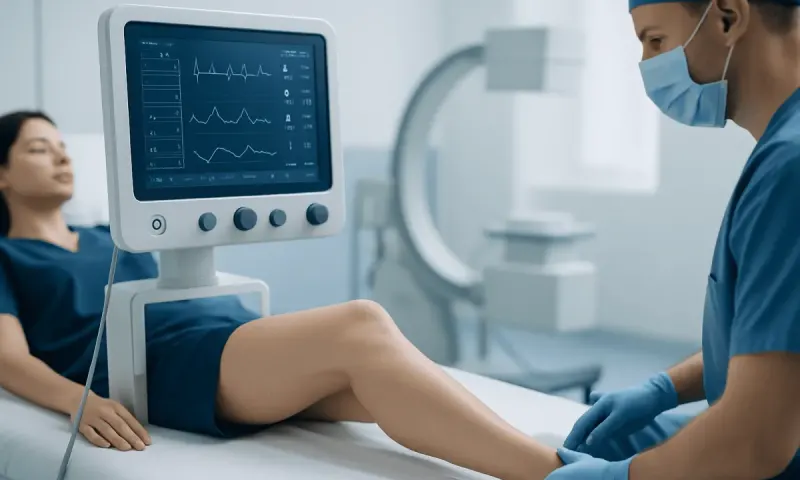
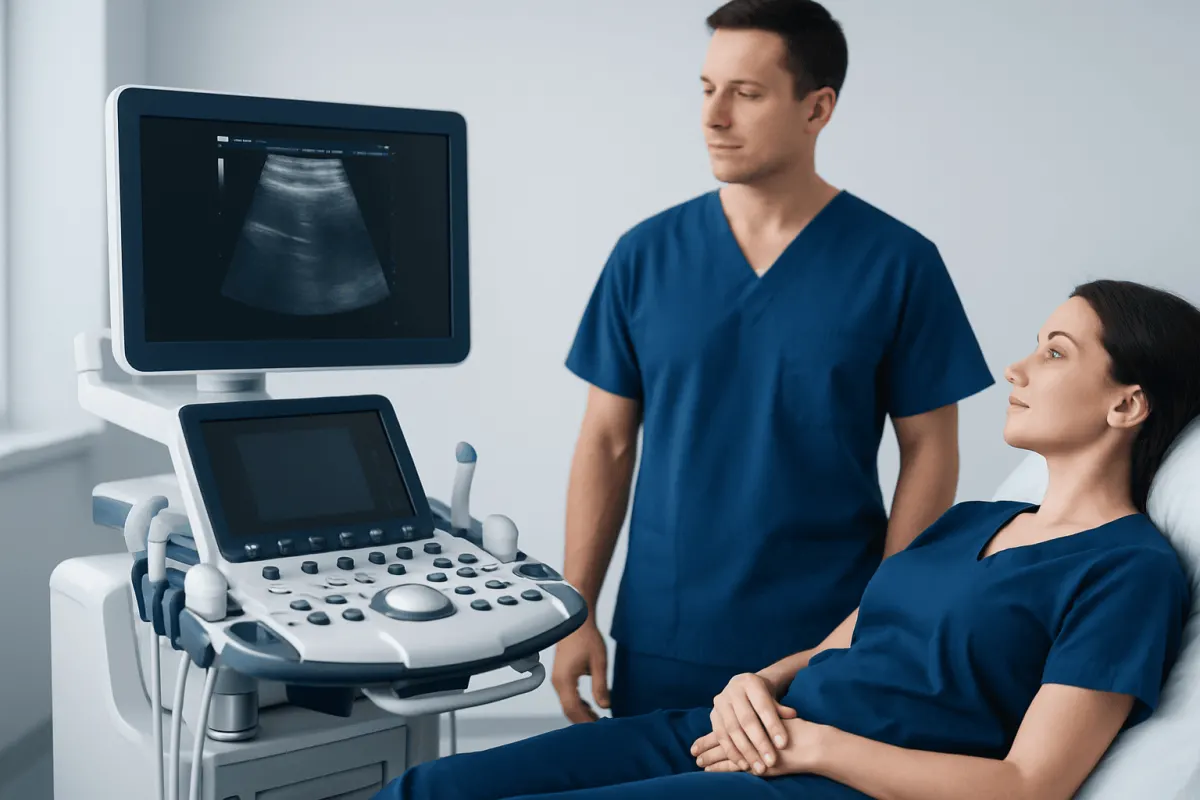
Duplex ultrasound combines an image of the vein with information about blood flow. It can show whether blood is moving in the wrong direction, known as reflux, and can help identify previous clotting or blockage. This information helps determine whether a person is a candidate for treatment and whether a minimally invasive procedure is likely to address their symptoms.
People may be suitable for treatment when they have symptomatic varicose veins, persistent swelling related to venous disease, skin irritation or discoloration, healed or active venous ulcers, recurrent bleeding from a vein, or other clinically significant findings. Treatment may also be considered for cosmetic concerns after a medical assessment. Pregnancy, active infection, suspected or confirmed acute clotting, serious arterial circulation problems and certain medical conditions may mean that treatment should be postponed, modified or avoided.
Conservative measures may be recommended first or alongside a procedure. These can include regular walking, leg elevation when practical, weight management where appropriate, avoiding prolonged stillness and properly fitted compression garments when advised. Compression can ease symptoms for some people, but it does not correct valve reflux in every case.
Procedure Steps, Recovery Timeline and Expected Results
Modern varicose vein procedures are often performed on an outpatient basis. The exact steps vary by method, but the clinician usually confirms the treatment plan with ultrasound, cleans the skin and uses local anaesthetic where appropriate. A thin catheter or needle is placed into the target vein under ultrasound guidance. Heat, medication or another closure method may then be used to seal an unhealthy vein, allowing blood to reroute through healthier veins.
For selected bulging branches, a clinician may remove short segments through very small skin openings, or inject a solution that closes the vein. Varicose vein treatment should be tailored to the ultrasound findings, symptoms, skin condition and the person’s goals rather than chosen solely on the basis of appearance or a quoted package price.
Most people are encouraged to walk soon after a minimally invasive procedure, although the team will give individual activity instructions. Mild tenderness, bruising, tightness or a pulling sensation along the treated vein can occur temporarily. The recovery timeline differs by procedure and extent of treatment, but many daily activities can often resume quickly; strenuous exercise, heavy lifting, long travel and hot baths may need to be limited for a short period depending on clinical advice.
Follow-up may include an ultrasound scan to confirm vein closure and check for uncommon complications. A treated vein usually fades gradually rather than disappearing immediately. Additional treatment may sometimes be needed for residual branches, spider veins or veins that develop later, particularly when there is ongoing tendency toward venous disease.
Benefits, Risks and Safety of Vein Centres
Potential benefits of treatment include less aching, heaviness, swelling or itching; healing support for venous skin problems when reflux is a contributing factor; and improvement in the appearance of prominent veins. Results vary, and symptoms related to another condition may not improve simply because a visible vein has been treated.
Are vein centers safe? A specialist-led service that performs a clinical evaluation, uses appropriate imaging and follows recognised safety practices can provide effective treatment for suitable patients. Safety depends not only on the technique but also on accurate diagnosis, clinician training, sterile practice, clear aftercare instructions and access to assessment if concerns develop.
As with any procedure, risks are possible. These may include bruising, discomfort, skin staining, inflammation of a treated superficial vein, temporary numbness, bleeding, infection, incomplete closure or recurrence. Rare but more serious complications can include deep vein thrombosis, injury to nearby structures, allergic reaction or a clot travelling to the lungs. The clinician should explain the relevant risks and alternatives before consent.
Patients can support safer decision-making by checking the clinician’s qualifications, asking whether duplex ultrasound is used for diagnosis and guidance, understanding the proposed procedure, and receiving written aftercare information. A low advertised vein clinic price should not replace a clear explanation of medical suitability, safety processes and follow-up arrangements.
How Much Does It Cost at the Vein Centre?
How much it costs at the vein centre cannot be answered reliably with one universal figure. The total depends on the diagnosis, number and size of affected veins, imaging requirements, selected procedure, number of sessions, aftercare and the healthcare system in the country where treatment is provided. A consultation and duplex ultrasound are often needed before a clinician can give an accurate estimate.
Patients should ask whether the quoted amount is for an assessment only, a single procedure, treatment of one leg or a complete care pathway. They should also ask whether compression garments, medicines, follow-up ultrasound, treatment of residual veins and management of complications are included. Written estimates help patients compare services fairly and avoid assuming that all centres define a treatment package in the same way.
Insurance arrangements may change what the patient pays directly. Some plans may contribute when varicose vein treatment is considered medically necessary and documented symptoms or complications are present, while treatment performed solely for appearance may not be covered. Patients should confirm requirements with their insurer and care provider before scheduling treatment.
Do Vein Clinics Really Work?
Vein clinics can work well when they identify the correct cause of symptoms and use an evidence-based treatment plan for an appropriate patient. Minimally invasive procedures can effectively close selected refluxing veins and may improve symptoms and quality of life for many people. However, no treatment can prevent every future vein problem, because vein disease can progress over time and new veins may become visible.
The quality of care matters. A thorough service should not treat every visible vein as the same problem. It should assess circulation, review ultrasound findings, explain whether conservative care is reasonable, discuss alternatives and arrange follow-up when indicated. If symptoms are not primarily caused by venous reflux, treating a vein may not provide the expected relief.
People sometimes ask, “Are vein clinics profitable?” Like other healthcare services, clinics have operating costs and may provide procedures for a fee. Profitability alone does not indicate whether care is appropriate or inappropriate. Patients can focus on whether the recommendation is supported by symptoms and ultrasound findings, whether alternatives are discussed and whether the proposed plan is transparent.
How Much Does It Usually Cost to Get Rid of Varicose Veins?
How much it usually costs to get rid of varicose veins depends on what “get rid of” means clinically. Closing a refluxing source vein, removing prominent branches and treating fine surface veins may be separate steps. Some people require only one targeted procedure, while others need staged treatment or later treatment of residual or newly developed veins.
A realistic discussion should include the expected aim: reducing symptoms, treating skin complications, preventing bleeding from vulnerable veins, improving appearance, or a combination of these. A clinician cannot responsibly predict a complete result from a photograph or a short description alone. Ultrasound findings and examination are needed to decide which veins should be treated and in what order.
To plan financially, patients can request a written outline that names the procedure, explains the expected number of treatment sessions and states what is included in aftercare. They should avoid comparing only a headline price when one quote includes ultrasound-guided treatment and follow-up while another includes only a single injection or consultation.
When to Seek Medical Care
Routine medical assessment is appropriate for persistent leg aching, heaviness, swelling, itching, skin discoloration, hardening of the skin, visible enlarging veins or symptoms that interfere with daily life. An evaluation is especially useful when symptoms worsen after standing, improve with elevation or occur alongside a history of venous ulcers, bleeding or previous blood clots.
Urgent medical assessment is needed for sudden one-sided leg swelling, new significant leg pain, warmth or redness, unexpected shortness of breath, chest pain, coughing blood, fainting, or severe bleeding from a varicose vein. These symptoms may have causes that require prompt evaluation and should not be managed by arranging a routine cosmetic appointment.
Acıbadem Health Point’s multidisciplinary specialists and JCI-accredited hospitals can assess and treat venous conditions for international patients. A qualified clinician can explain whether vein treatment is appropriate, what recovery may involve and what a personalised cost plan should include.
Frequently asked questions
01How much does it cost to go to the vein clinic?
The cost of going to a vein clinic may include a consultation, duplex ultrasound, treatment and follow-up, so it varies between people and healthcare settings. The most useful approach is to request an itemised written estimate after an assessment. Patients should ask what is included and whether additional sessions may be needed.
02How much is vein treatment without insurance?
Self-pay vein treatment costs vary according to the country, clinic, diagnostic tests, treatment technique and number of veins treated. A person may also need follow-up ultrasound, compression supplies or more than one session. A clinic should be able to explain the self-pay estimate and any potential additional charges before treatment.
03Do vein clinics really work?
Appropriately selected vein treatments can effectively close abnormal veins and improve symptoms for many people. Results depend on an accurate diagnosis, ultrasound-guided planning, the procedure used and the individual’s underlying vein disease. New varicose veins can develop over time, so treatment does not guarantee that no further care will ever be needed.
04Are vein centers safe?
Vein centres can be safe when care is provided by qualified clinicians using appropriate assessment, imaging, sterile technique and follow-up. All procedures carry risks, including bruising, inflammation, skin changes and uncommon blood-clot complications. Patients should receive a clear explanation of benefits, risks and aftercare before agreeing to treatment.
05Will insurance cover varicose vein treatment?
Coverage depends on the insurance plan, local rules and whether treatment is considered medically necessary. Insurers may require documentation of symptoms, ultrasound-confirmed reflux or a period of conservative care. Cosmetic treatment is often handled differently, so patients should verify coverage in advance.
06Can varicose veins return after treatment?
A successfully treated vein usually remains closed or removed, but other veins may become enlarged later. This can happen because the underlying tendency toward venous disease may continue. Follow-up and healthy movement habits can help support long-term leg health, while new symptoms should be assessed by a clinician.
This article is for general information only and is not a substitute for professional medical advice. Please consult a qualified doctor about your individual situation.
Persistent digestive symptoms? Get evaluated in Turkey
JCI-accredited · board-certified surgeons · reply within 24h
Add us as a Preferred Source to see more of our trusted health content across Google Search, AI Overviews and Discover.