Varicocele Clinical Features: Heaviness and Swollen Veins
Varicocele clinical features range from no symptoms to scrotal heaviness, discomfort, enlarged veins, or fertility concerns. When treatment is appropriate, varicocele repair redirects blood flow away from enlarged veins and is commonly performed as an outpatient procedure.
Varicocele clinical features: the condition at a glance
Varicocele clinical features most often include a dull ache, heaviness, or a visible cluster of enlarged veins in the scrotum, although many people have no symptoms at all. When repair is appropriate, it closes or blocks the enlarged veins so blood can drain through healthier pathways; it is usually an outpatient procedure, with light activity often possible within a few days.
A varicocele develops when veins in the pampiniform plexus, the network of veins around the testicle, become enlarged. It is more common on the left because of the way the left testicular vein drains into the body. The cause is usually related to vein anatomy and valves that do not keep blood flowing efficiently in one direction; it is not caused by a person’s everyday activities.
Some people notice discomfort after prolonged standing, exercise, or later in the day. Others may feel a soft “bag of worms” above the testicle, see enlarged veins, or notice a difference in testicular size. Varicoceles can be associated with reduced sperm quality in some people, but having a varicocele does not automatically mean infertility or a need for surgery.
Assessment and candidacy for varicocele repair
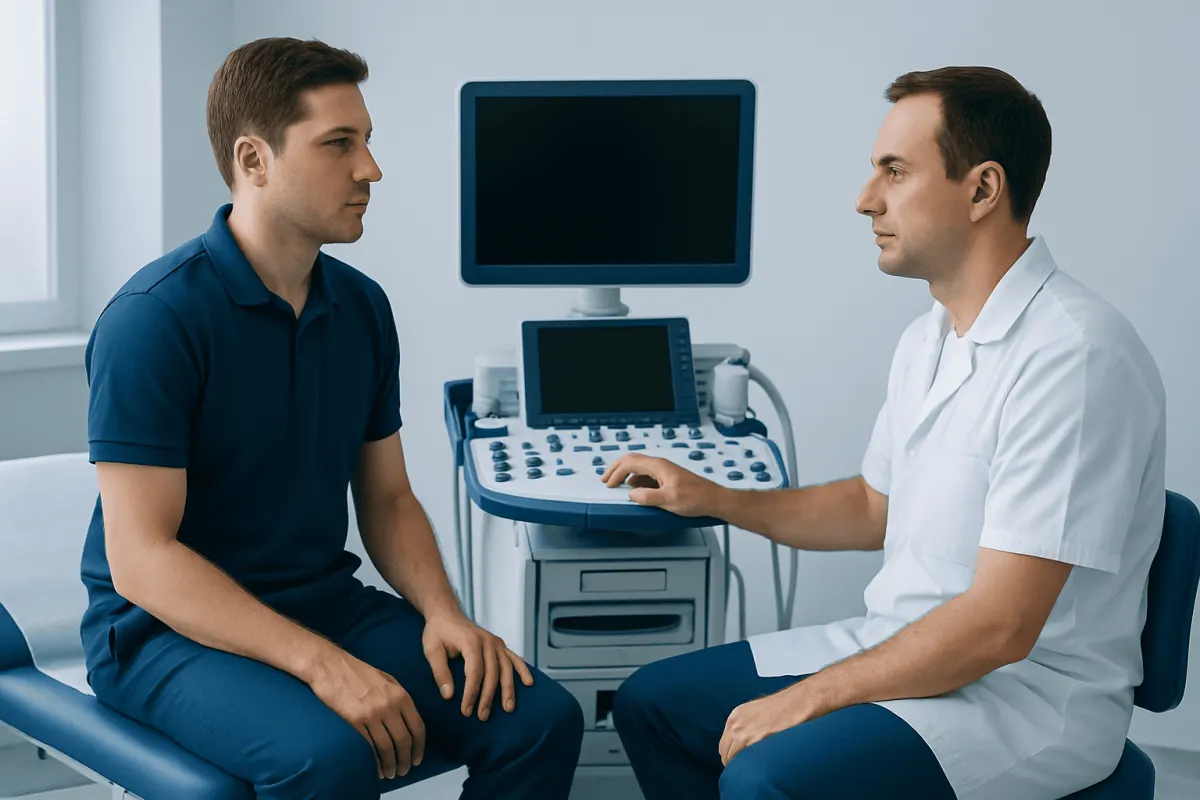
A urologist typically begins with a medical history and a physical examination of the scrotum while the person is standing and lying down. The clinician may ask the person to bear down briefly, which can make enlarged veins easier to feel. Scrotal ultrasound may be used to confirm the finding, measure testicular size, or assess another possible cause of pain or swelling.
Repair is usually considered when a clinically detectable varicocele is linked with persistent discomfort, a smaller or slower-growing testicle in an adolescent, or infertility alongside abnormal semen analysis results. In fertility care, assessment may include repeat semen testing, hormone tests when indicated, and evaluation of both partners. An ultrasound-only, non-palpable varicocele generally does not need treatment solely to improve fertility.
Not every scrotal symptom is caused by a varicocele. A specialist may check for infection, hernia, fluid around the testicle, epididymal conditions, or other sources of pain before recommending a procedure. A new right-sided varicocele, a varicocele that does not decrease when lying down, or a sudden change should be assessed promptly so the underlying cause can be clarified.
How varicocele repair works: procedure steps
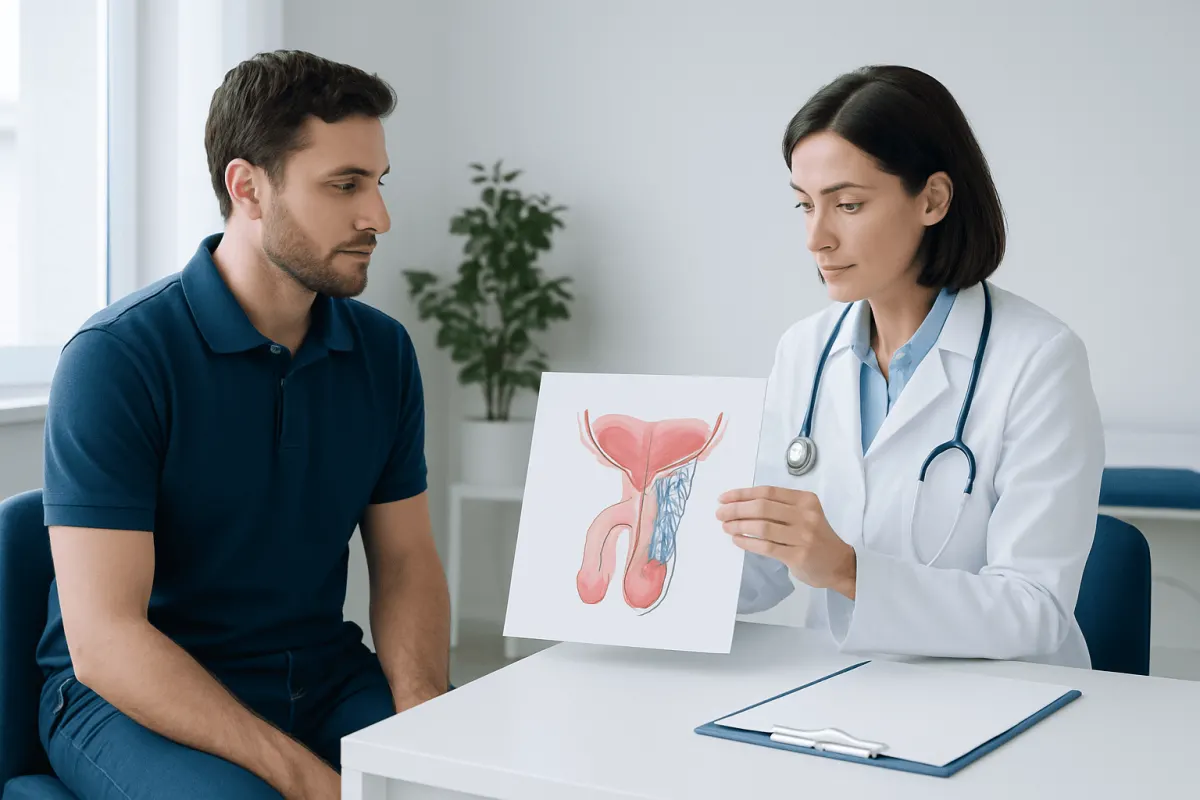
The aim of varicocele repair is to stop backward blood flow through enlarged veins while protecting the testicular artery, lymphatic vessels, and vas deferens. Microsurgical varicocelectomy, often performed through a small groin or lower-abdominal incision, is a commonly used approach. Laparoscopic repair and percutaneous embolization, which uses a catheter placed in a vein, may be suitable in selected circumstances.
Most surgical repairs are performed with general, regional, or local anesthesia with sedation, depending on the technique and individual needs. The procedure is commonly completed on the same day, although the exact plan depends on the person’s health, the approach used, and the surgical team’s advice.
- The team confirms the treatment plan, reviews medications and allergies, and provides anesthesia.
- A small incision is made for surgical repair, or a catheter is guided through a vein for embolization.
- The clinician identifies the affected veins and closes, ties, or blocks them while preserving important surrounding structures.
- The incision is closed, or the catheter is removed, and the person is monitored in recovery before discharge.
Embolization does not involve a surgical incision in the scrotal or groin area. An interventional specialist blocks the problematic veins from inside using materials such as coils or a sealing agent. The most appropriate method depends on anatomy, prior procedures, local expertise, anesthesia considerations, and the reason for treatment.
How long should I rest after varicocele surgery?
Most people should rest at home on the day of surgery and the following day, then begin short, gentle walks as comfort allows. People with desk-based work may often return within a few days, while those whose work involves lifting, prolonged standing, or vigorous physical activity may need more time. The surgeon’s discharge instructions should take priority because recovery varies by procedure type and individual health.
Heavy lifting, cycling, running, gym workouts, and other strenuous activities are often restricted for about one to two weeks or until the surgeon confirms that healing is progressing well. Sexual activity is also commonly postponed for a short period, usually until discomfort has settled and the clinical team says it is safe to resume.
Supportive underwear can reduce movement and make the area more comfortable. A wrapped cold pack may help with early swelling if recommended, and prescribed or advised pain relief should be used as directed. Keeping the incision clean and avoiding baths, swimming pools, and hot tubs until the wound has healed can help reduce infection risk.
How to poop after varicocele surgery?
A bowel movement after varicocele surgery is generally safe, but constipation can occur because of anesthesia, reduced movement, changes in eating, and some pain medicines. The goal is to avoid prolonged straining, which can be uncomfortable during early recovery. There is no need to delay going to the toilet when the urge occurs.
Drinking fluids, eating fiber-containing foods when appetite returns, and taking short walks can support normal bowel activity. A stool softener or other constipation treatment may be appropriate for some people, particularly if opioid pain medicine is needed, but this should be discussed with the surgeon, pharmacist, or another qualified clinician.
A small footstool can help some people sit in a more comfortable position on the toilet. The person should contact the surgical team if constipation persists for several days, or sooner if it occurs with worsening abdominal swelling, vomiting, severe pain, fever, or an inability to pass gas.
How long does it take to see results from varicocele surgery?
Early swelling and tenderness generally improve over days to a few weeks, while relief from varicocele-related aching may develop gradually over several weeks or months. The enlarged veins may not disappear immediately because the body needs time to adapt after blood flow has been redirected. Pain relief is common after successful repair, but it cannot be guaranteed because scrotal pain can have more than one cause.
When the aim is to improve fertility, clinicians often assess semen parameters around three months after repair and may repeat testing later. Sperm production takes approximately two to three months, so semen-related changes are not expected immediately. Improvements in sperm count, movement, or shape vary between individuals.
Pregnancy can take longer and depends on many factors, including the age and reproductive health of both partners, the degree of semen abnormality, and whether other fertility treatment is needed. For adolescents treated because of a smaller testicle, changes in testicular growth may also be followed over months through examination or ultrasound.
How serious is varicocele surgery?
Varicocele surgery is generally considered a routine and low-risk urologic procedure when performed for an appropriate reason by an experienced team. However, it is still a medical procedure involving anesthesia or sedation, tissue healing, and a small possibility of complications. A person should understand the expected benefits, alternatives, and limitations before choosing repair.
Temporary bruising, swelling, mild bleeding, and discomfort are common early effects. Less common complications can include wound infection, a collection of blood called a hematoma, fluid around the testicle called a hydrocele, persistence or recurrence of the varicocele, or ongoing pain. Rarely, an important structure such as the testicular artery may be injured, which is why careful technique is important.
The potential benefits include reducing discomfort, supporting normal testicular development in selected adolescents, and improving semen findings in some infertile patients with a palpable varicocele. Repair is not a guaranteed treatment for infertility, and it may not resolve pain that has another cause. A urologist can help weigh observation, surgery, and embolization according to the person’s symptoms and reproductive plans.
When to seek medical care
A medical assessment is appropriate for a new scrotal lump, persistent scrotal heaviness or aching, a visible change in veins, concern about fertility, or a difference in testicular size. Sudden severe testicular pain, marked swelling, nausea, or vomiting needs urgent medical evaluation because these symptoms can occur with conditions that require prompt treatment.
After repair, the person should contact the surgical team for increasing redness, warmth, drainage from the incision, fever, worsening swelling, severe pain that is not controlled by the recommended plan, or difficulty urinating. Acıbadem Health Point’s multidisciplinary specialists and JCI-accredited hospitals diagnose and treat varicocele for international patients, with care plans guided by urologic assessment and individual goals.
Frequently asked questions
01Can a varicocele go away without surgery?
A varicocele usually does not disappear on its own, but many do not cause symptoms or require treatment. Observation, supportive underwear, and clinician-advised pain management may be suitable when there are no fertility concerns, testicular growth changes, or persistent discomfort.
02Does every varicocele affect fertility?
No. Many people with a varicocele have normal semen parameters and can conceive without treatment. When fertility is a concern, semen analysis and assessment of both partners provide a clearer picture than the varicocele alone.
03Which procedure is best for varicocele repair?
Microsurgical varicocelectomy is widely used because it allows careful identification and preservation of surrounding structures. Laparoscopic repair or embolization may be appropriate for some people, so the best approach depends on anatomy, treatment history, symptoms, and local expertise.
04Can a varicocele return after surgery?
A varicocele can persist or recur if abnormal veins remain open or new drainage pathways develop. Follow-up is particularly important if symptoms continue, the veins remain prominent, or fertility testing does not improve as expected.
05When can someone have sex after varicocele surgery?
Sexual activity is commonly paused until the incision is healing well and scrotal discomfort has settled. The exact timing differs by procedure and recovery, so the surgeon's specific instructions are the safest guide.
06Can a varicocele lower testosterone?
Varicoceles have been associated with changes in testicular function in some people, including lower testosterone levels, but this does not occur in everyone. A clinician may order hormone testing if symptoms suggest low testosterone or if there are concerns about testicular function.
This article is for general information only and is not a substitute for professional medical advice. Please consult a qualified doctor about your individual situation.
IVF & fertility treatment in Turkey — success rates and costs
JCI-accredited · board-certified surgeons · reply within 24h
Add us as a Preferred Source to see more of our trusted health content across Google Search, AI Overviews and Discover.