Varicocelectomy: Candidacy, Procedure Steps, and Recovery Timeline
Varicocelectomy is an operation used to treat a varicocele, which is an enlargement of veins in the scrotum. It may be recommended for ongoing pain, testicular changes, or fertility concerns, and most people recover over several days to a few weeks depending on the surgical approach.
Overview: what varicocelectomy is and why it is done
Varicocelectomy is a procedure that treats a varicocele, a collection of enlarged veins in the scrotum. These veins are similar to varicose veins that can occur in the legs. The goal of treatment is to interrupt abnormal blood flow in the enlarged veins while preserving healthy circulation to and from the testicle.
Not every varicocele needs surgery. Many are found during an exam or fertility evaluation and may cause no symptoms at all. When a varicocele leads to pain, affects testicular growth, or is thought to contribute to abnormal semen quality, a urologist may discuss treatment options, including varicocele treatment.
This procedure is most often performed by a urologist and may be done through a small incision using magnification, with laparoscopy, or through a non-surgical radiology technique called embolization. The best choice depends on the person’s age, symptoms, anatomy, fertility goals, and the expertise of the care team.
Who may be a candidate for varicocelectomy
Candidacy depends on symptoms, examination findings, and personal goals. In adults, surgery is often considered when a varicocele is associated with ongoing scrotal discomfort, infertility, or abnormal semen analysis results. In adolescents, treatment may be considered when there is a difference in testicular size or concern that the affected testicle is not developing normally.
A varicocele is more commonly found on the left side, but it can affect both sides. Some people seek care because of a heavy, dragging feeling in the scrotum that worsens after standing, exercise, or at the end of the day. Others have no discomfort and only learn they have a varicocele during an evaluation for trouble conceiving.
Doctors usually look at the whole picture before recommending surgery. Important factors include whether the varicocele can be felt on physical examination, whether symptoms are clearly linked to it, whether semen testing is abnormal, and whether there are other possible causes of infertility. A specialist may also discuss related male fertility concerns, including male infertility, to make sure the treatment plan fits the underlying problem.
- Persistent scrotal pain or heaviness that has not improved with conservative care
- Abnormal semen parameters in someone trying to conceive
- Testicular shrinkage or slower growth on the affected side
- A clinically significant varicocele found during urologic evaluation
How varicocelectomy works: procedure types and step-by-step care
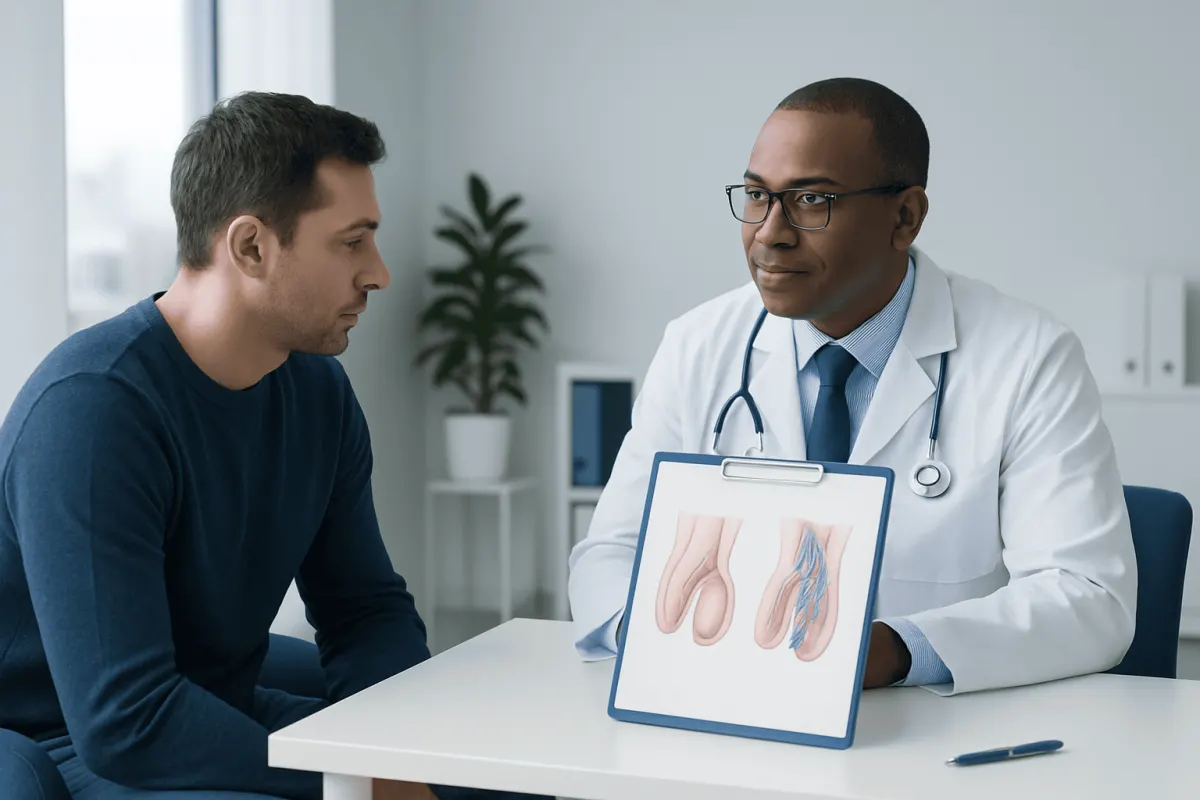
The principle behind varicocelectomy is straightforward: the abnormal veins are sealed, clipped, tied off, or blocked so blood no longer pools around the testicle. Blood is then redirected through normal veins. Preserving the testicular artery, lymphatic vessels, and surrounding structures is important to reduce complications and support the best outcome.
The most commonly discussed operation is microsurgical varicocelectomy. In this approach, the surgeon makes a small incision, often in the groin or just below it, and uses magnification to identify and divide the enlarged veins while sparing the artery and lymphatics. Other surgical approaches include laparoscopic repair through small abdominal incisions. A non-surgical option, varicocele embolization, is performed by an interventional radiologist using a catheter to block the abnormal veins from inside the blood vessel.
On the day of the procedure, the patient first has a preoperative review, anesthesia assessment, and confirmation of the treatment plan. The area is cleaned, anesthesia is given, and the surgeon or radiologist completes the selected repair. Afterward, the patient is monitored in recovery, given instructions for pain control and wound care, and in many cases can go home the same day. If broader fertility evaluation or treatment is needed, the care plan may also involve male infertility treatment.
Although techniques differ, the overall steps usually include diagnosis confirmation, planning the repair method, treating the enlarged veins, protecting nearby structures, and arranging follow-up to assess healing and symptom improvement. The specialist will explain what to expect based on the exact approach being used.
Benefits, limits, and possible risks
The main potential benefits of varicocelectomy are relief of discomfort, prevention of further testicular damage in selected patients, and improvement in semen quality for some people. In men being evaluated for fertility, treatment may improve certain semen parameters over time, but this does not guarantee pregnancy. Fertility depends on many factors, including the age and reproductive health of both partners.
For pain, results can be favorable when the discomfort pattern fits a varicocele and other causes of scrotal pain have been excluded. Even so, some patients continue to have symptoms after treatment. Setting realistic expectations before surgery is important, especially when pain is the main reason for the procedure.
As with any operation, there are risks. These include bleeding, infection, bruising, recurrence or persistence of the varicocele, fluid collection around the testicle called hydrocele, and injury to nearby structures. Rarely, blood supply to the testicle can be affected if the artery is damaged. The risk profile varies somewhat by technique and by the experience of the treating team.
Because not every varicocele causes problems, the benefits of surgery should be weighed against the chance that observation may be enough. A urologist can explain whether treatment is likely to help in a specific situation and whether additional testing is needed before making a decision.
Diagnosis and preoperative evaluation
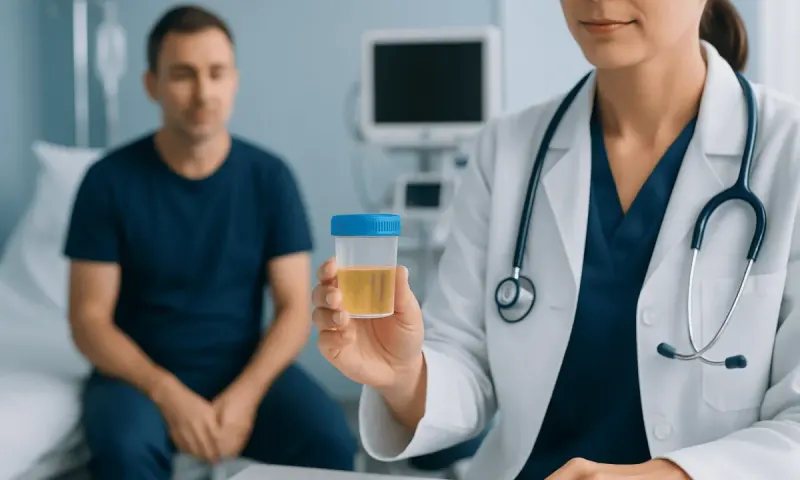
Diagnosis usually starts with a medical history and physical examination. A doctor may examine the scrotum while the person is standing and may ask them to bear down gently, since this can make the enlarged veins easier to feel. Varicoceles are often described as feeling like a “bag of worms” because of the shape of the dilated veins.
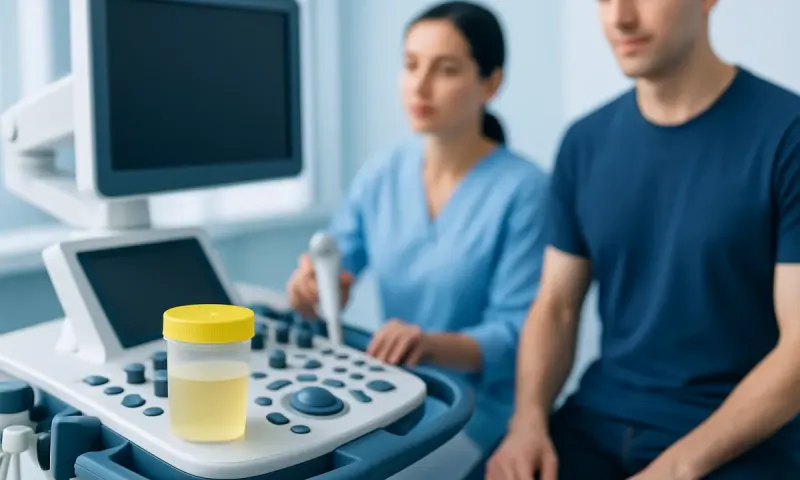
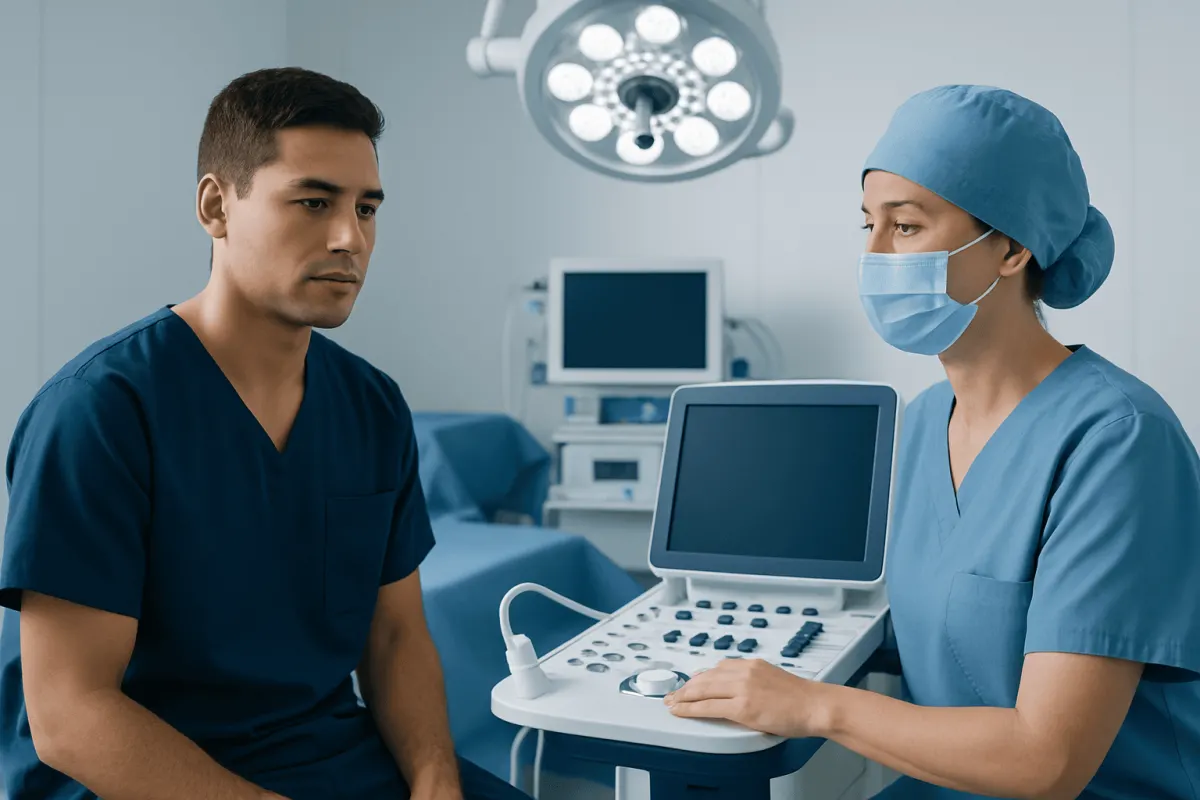
Scrotal ultrasound is commonly used to confirm the diagnosis, especially if the exam is uncertain, the person has pain, or the doctor wants to assess both sides carefully. Ultrasound can show enlarged veins and blood flow patterns that support the diagnosis of varicocele. When fertility is a concern, semen analysis is often part of the evaluation, and hormone testing may also be considered in selected cases.
Before surgery, the care team reviews medicines, allergies, prior operations, and general health. Patients may be advised about fasting, stopping certain medications if appropriate, and arranging transportation home. Clear preoperative guidance helps lower risk and makes recovery smoother.
In some cases, a specialist may also consider other causes of scrotal pain or infertility before recommending surgery. That careful evaluation is important because treatment works best when the varicocele is clearly relevant to the person’s symptoms or fertility goals.
Recovery timeline and self-care after surgery
Recovery after varicocelectomy is usually manageable, but the exact timeline varies with the technique used and the individual’s general health. Mild pain, tenderness, swelling, or bruising around the incision or scrotum can be expected for several days. Many patients use supportive underwear, rest, and doctor-approved pain relief to stay comfortable in the early recovery period.
During the first few days, light walking is usually encouraged, but heavy lifting, strenuous exercise, and activities that increase abdominal pressure are generally postponed. Many people can return to desk-based work or school within a few days to a week, while more physical jobs may require longer. Sexual activity is typically delayed until the surgeon confirms healing is adequate.
Improvement in pain, if that is the main treatment goal, may happen gradually rather than immediately. Fertility-related benefits also take time. Semen quality is often reassessed months after the procedure because sperm production follows a natural cycle and changes are not seen right away. Follow-up visits help the team check healing, review symptoms, and decide whether more evaluation is needed.
- First few days: rest, wound care, scrotal support, and light walking
- About 1 week: many routine daily activities become easier
- Several weeks: gradual return to exercise and full activity if approved
- Several months: fertility-related follow-up, including repeat semen testing when appropriate
When to seek medical care
A varicocele should be assessed by a qualified doctor if it causes persistent scrotal pain, a sense of heaviness, swelling, or visible enlarged veins. Medical evaluation is also important when there is difficulty conceiving, concern about testicular size, or new symptoms that are not clearly explained.
After varicocelectomy, prompt medical advice is needed if there is fever, worsening redness, increasing swelling, severe pain not relieved as instructed, significant bleeding, or drainage from the incision. New testicular swelling or symptoms that suddenly worsen should also be reported. These signs do not always mean a serious problem, but they should be checked.
People with sudden, intense testicular pain should seek urgent care right away, since emergencies such as testicular torsion need immediate attention and are not caused by a typical varicocele. Near the end of the care journey, some international patients choose centers with coordinated urology and fertility services; Acıbadem Health Point’s multidisciplinary specialists in JCI-accredited hospitals evaluate and treat varicocele-related concerns for international patients, including urology care.
Frequently asked questions
01How long does it take to recover from varicocelectomy?
Many people recover from the initial effects within several days to about two weeks, depending on the surgical method and the type of work they do. Full return to strenuous exercise or heavy lifting may take longer and should follow the surgeon’s advice.
02Does varicocelectomy improve fertility?
It can improve semen parameters in some men when a clinically significant varicocele is contributing to infertility. However, it does not guarantee pregnancy because fertility depends on multiple factors affecting both partners.
03Is varicocelectomy painful?
The procedure itself is done with anesthesia, so the patient should not feel pain during treatment. Afterward, mild to moderate soreness, swelling, or bruising is common for a short period and usually improves with routine postoperative care.
04What is the difference between varicocelectomy and embolization?
Varicocelectomy is usually a surgical repair in which the abnormal veins are tied or sealed through an incision or laparoscopic approach. Embolization is a radiologic procedure that blocks the veins from inside the blood vessel using a catheter; the best option depends on anatomy, goals, and specialist recommendation.
05Can a varicocele come back after surgery?
Yes, recurrence or persistence is possible, although the risk varies by technique and individual anatomy. Follow-up visits are important so the doctor can assess healing and decide whether any further evaluation is needed.
06Will varicocelectomy help scrotal pain?
It may help when the pain pattern is typical of a varicocele and other causes of scrotal pain have been ruled out. Relief is not immediate for everyone, and some patients may still have discomfort after treatment.
This article is for general information only and is not a substitute for professional medical advice. Please consult a qualified doctor about your individual situation.
IVF & fertility treatment in Turkey — success rates and costs
JCI-accredited · board-certified surgeons · reply within 24h
Add us as a Preferred Source to see more of our trusted health content across Google Search, AI Overviews and Discover.