

Vaginal Dryness Natural Remedies: What You Need to Know
- 7 min read
- Published November 25, 2026
Key Takeaways
- Vaginal dryness has many possible causes, including hormonal changes, medications, irritation, and breastfeeding.
- Simple measures such as avoiding harsh soaps, using a vaginal moisturizer, and staying sexually comfortable may help.
- Some natural remedies are soothing, but not all are evidence-based or suitable for vaginal tissue.
- Persistent dryness, pain, bleeding, or recurrent infections should be discussed with a clinician.
- A doctor can check for underlying causes and suggest treatments that are safe and effective for the individual.
Vaginal dryness can often improve with simple self-care steps, but the right approach depends on the cause. Some natural remedies may ease discomfort, while others are better avoided if they irritate sensitive tissue or delay needed treatment.
Overview
Vaginal dryness is a common concern that can affect comfort, intimacy, and daily life. When people search for vaginal dryness natural remedies, they are often looking for gentle ways to reduce irritation and restore moisture without feeling overwhelmed by medical Uterine fibroids Treatment Options: From Medication to Surgery" class="ahp-ilk">treatment options.
Some self-care measures can help, especially when dryness is related to low estrogen, breastfeeding, stress, certain medications, or irritants such as fragranced products. Still, it helps to separate soothing habits from popular advice that sounds natural but may not be safe for delicate vaginal tissue.
The most useful approach is usually practical and individualized: understand the cause, remove triggers where possible, and use remedies that support the vaginal lining rather than disturb it. If symptoms continue, a clinician can help identify whether a hormonal issue, skin condition, infection, or medication side effect is contributing.
Symptoms
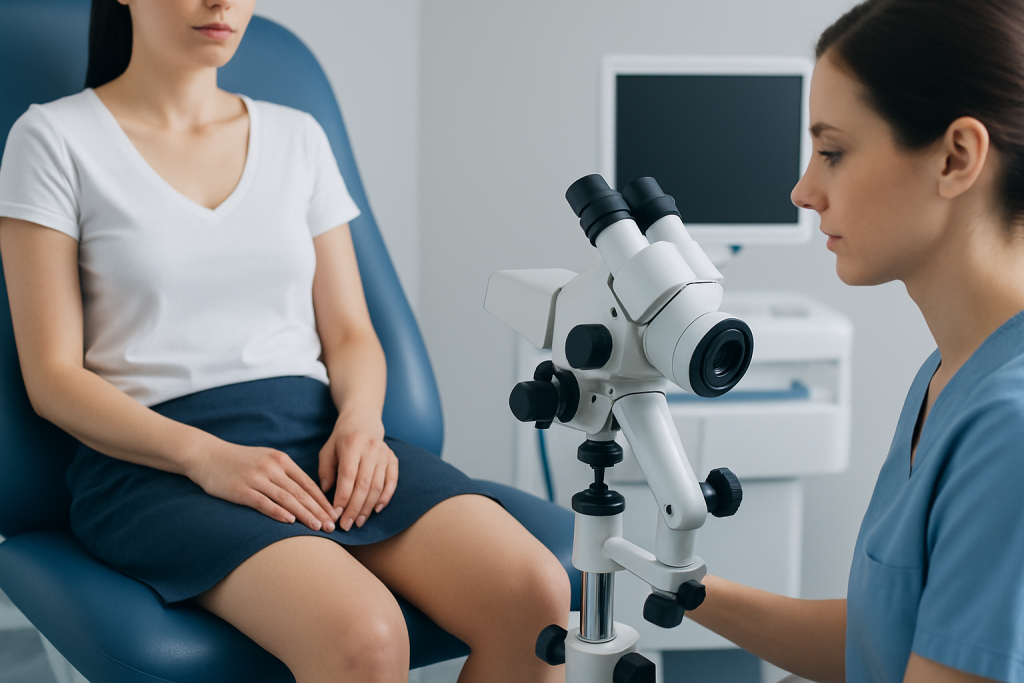
Vaginal dryness can feel different from person to person. Some notice a constant sense of tightness or irritation, while others only feel discomfort during sex or when using tampons. The vaginal area may also feel more sensitive than usual.
Common signs include:
- Itching, burning, or stinging
- Pain or friction during sexual activity
- Light spotting after intercourse
- Discomfort with tampons or pelvic exams
- A feeling of rawness or thinning tissue
These symptoms are not specific to dryness alone, which is why persistent or worsening discomfort should not be assumed to be harmless. Similar symptoms can occur with infections, skin conditions, or changes related to menopause and other hormone shifts.
Causes & Risk Factors

The vaginal lining is sensitive to hormone levels, moisture, and local irritation. A drop in estrogen is one of the most common reasons for dryness, especially during menopause, after childbirth, during breastfeeding, or after some cancer treatments. In these settings, the tissue may become thinner and less elastic.
Other causes can include:
- Certain medicines, including some allergy, antidepressant, and acne treatments
- Frequent use of scented washes, sprays, or douches
- Autoimmune or inflammatory conditions
- Low arousal or insufficient lubrication during sex
- Smoking, which can affect tissue health and circulation
Dryness may be more likely when several factors overlap. For example, a person going through menopause may also be using a soap that irritates the vulvar skin, which makes symptoms feel more intense. Understanding the full picture helps choose remedies that are actually useful.
Diagnosis
Doctors usually begin with a careful conversation about symptoms, menstrual history, sexual comfort, medications, childbirth, breastfeeding, and any products used in the genital area. This history often gives strong clues about the likely cause.
A pelvic exam may be recommended if the symptoms are persistent, severe, or accompanied by pain, bleeding, or unusual discharge. The exam can help a clinician look for vaginal thinning, irritation, infection, skin changes, or signs of another condition that needs treatment.
Sometimes testing is helpful, but not always necessary. Depending on the situation, a clinician may check for infection, review medicine side effects, or evaluate hormone-related changes. Clear diagnosis matters because the best remedy for dryness caused by menopause may be different from the best approach for irritation caused by products or an infection.
Treatment Options
Natural remedies can be helpful, but the safest options are those that protect the vaginal barrier rather than overwhelm it. A fragrance-free vaginal moisturizer used regularly may improve comfort over time, while a water-based lubricant can reduce friction during sexual activity. These are not the same as ordinary body lotions, which should not be inserted into the vagina.
Helpful self-care measures may include:
- Avoiding douches, scented wipes, and perfumed soaps
- Choosing gentle, fragrance-free cleansers for the outer vulvar area only
- Using lubricants during sex to reduce friction
- Wearing breathable cotton underwear and avoiding very tight clothing if it worsens irritation
- Keeping a note of symptoms to identify triggers such as specific products or medicines
Some people ask about herbal oils, aloe, coconut oil, or vitamin E. While these are discussed often, evidence is limited and products can still cause irritation or allergic reactions. If someone wants to try a natural product, it is wise to test carefully, avoid inserting anything not specifically designed for vaginal use, and stop if burning or itching occurs. For menopause-related dryness, doctors may also discuss hormone-based therapies when appropriate, especially if symptoms are affecting quality of life.
Prevention & Self-care
Prevention is often about reducing irritation and supporting the vaginal environment. Gentle routines tend to work better than aggressive cleansing, because the vagina is self-cleaning and does not need internal washing. The outer vulvar skin usually does best with minimal, non-fragranced care.
Practical habits that may help include:
- Use only mild, fragrance-free products around the vulva
- Avoid hot baths, bubble baths, and scented bath additives if they trigger symptoms
- Use lubricant and take more time with sexual activity when dryness is an issue
- Address contributing factors such as smoking or medication side effects with a clinician
- Stay hydrated and maintain general skin health, while remembering that hydration alone does not usually solve vaginal dryness
For people traveling for care or recovering away from home, it helps to pack the products that have already been tolerated well and to keep a simple symptom log. If follow-up care is needed internationally, bringing a list of medications, prior treatments, and past test results can make it easier for the next doctor to build on what has already been tried.
When to See a Doctor
Medical advice is recommended if dryness lasts more than a short time, keeps returning, or starts affecting daily comfort or sexual health. It is also important to seek care if there is bleeding after sex, unusual discharge, pelvic pain, sores, or a strong odor, because these symptoms may suggest something other than simple dryness.
Dryness that appears after starting a new medication or after treatment for cancer, thyroid disease, or autoimmune disease should also be discussed. A clinician can review whether the medicine may be contributing and whether there are safe alternatives or supportive treatments.
For Myomectomy Recovery for International Patients: The Usual Travel Timeline" class="ahp-ilk">international patients who want a broader evaluation, Acibadem Health Point can connect them with multidisciplinary specialists and JCI-accredited hospitals that diagnose and treat this condition with a coordinated approach. That can be especially helpful when symptoms overlap with hormonal, dermatologic, or gynecologic concerns and follow-up is needed across borders.
Frequently asked questions
01Do natural remedies really help vaginal dryness?
Some can help, especially fragrance-free vaginal moisturizers and lubricants used correctly. Gentle lifestyle changes may also reduce irritation. However, not every remedy marketed as natural is suitable for vaginal tissue, so it is best to choose carefully.
02Is coconut oil safe for vaginal dryness?
Some people use coconut oil externally, but it is not ideal for everyone and may irritate sensitive skin or affect condoms. It should not be inserted unless a clinician has said it is appropriate. A product made specifically for vaginal use is usually a safer first choice.
03What is the difference between a moisturizer and a lubricant?
A vaginal moisturizer is used regularly to improve overall comfort and moisture, even when sex is not happening. A lubricant is used during sexual activity to reduce friction right away. Many people benefit from both, depending on the situation.
04Can vaginal dryness be a sign of menopause?
Yes, lower estrogen during menopause is a very common cause. Dryness can also happen during breastfeeding or after some medical treatments. A clinician can help confirm the cause and discuss options that fit the person's health history.
05When should someone stop trying home remedies and see a doctor?
If symptoms continue, worsen, or include bleeding, pain, unusual discharge, or recurrent infections, medical review is a good idea. Home care is most helpful when the cause is understood and symptoms are mild. A doctor can rule out other conditions and suggest more effective treatment if needed.
06Can vaginal dryness be treated without hormones?
Yes, many people start with non-hormonal options such as vaginal moisturizers, lubricants, and avoiding irritants. These can be enough for mild symptoms. If they do not help, a clinician may discuss additional treatments based on the underlying cause.
This article is for general information only and is not a substitute for professional medical advice. Please consult a qualified doctor about your individual situation.
Explore treatments in Turkey — costs, top hospitals & a free quote
JCI-accredited · board-certified surgeons · reply within 24h
Add us as a Preferred Source to see more of our trusted health content across Google Search, AI Overviews and Discover.



How can we help you today?
Meet an Acibadem specialist by secure video, before you travel.
Book a video visit