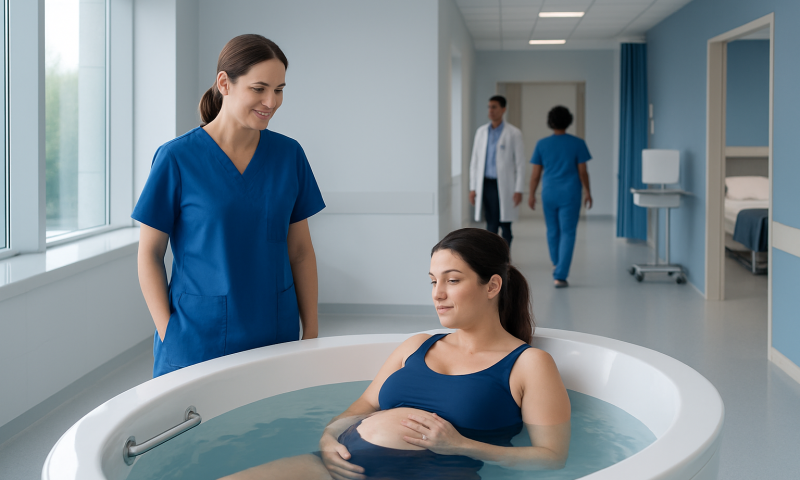
Protein in Pee Pregnant: What You Need to Know

Key Takeaways
- A small amount of protein in the urine may sometimes be found in pregnancy, but persistent or higher levels need evaluation.
- Protein in urine can be linked to conditions such as preeclampsia, urinary tract infection, kidney disease, or dehydration.
- Symptoms such as swelling, headache, vision changes, upper abdominal pain, or high blood pressure deserve prompt medical review.
- Urine dipsticks are often followed by more accurate tests, such as a protein-to-creatinine ratio or a 24-hour urine collection.
- Treatment depends on the cause and the stage of pregnancy; monitoring, medicines, or delivery may be needed in some cases.
Protein in pee during pregnancy can happen for simple reasons, but it can also be an early sign of a pregnancy complication that needs medical attention. Understanding when it is normal, when it is not, and what testing may be needed can help pregnant patients act early and calmly.
Overview
Protein in pee pregnant is a phrase many expectant patients search after seeing an unexpected urine test result. In pregnancy, a trace amount of protein can sometimes appear in the urine and still be harmless, but protein that persists or rises over time can point to a condition that should be checked by a clinician.
The reason this matters is that pregnancy places extra demands on the kidneys and the circulatory system. When the kidneys begin to leak protein, it may be a temporary finding, or it may be the first clue to an issue such as preeclampsia, a urinary tract infection, or an underlying kidney condition.
For most people, the next step is not panic, but confirmation. Doctors usually look at the whole picture: blood pressure, symptoms, gestational age, and more precise urine tests. That broader assessment is especially important for Myomectomy Recovery for International Patients: The Usual Travel Timeline" class="ahp-ilk">international patients who may be receiving care away from home and need clear guidance on what must be followed locally and what can safely wait until the next appointment.
Symptoms and What Patients May Notice

Protein in the urine itself does not usually cause obvious symptoms. Many patients only learn about it after a routine prenatal urine dipstick or a lab test. Because of that, the finding is often more important as a signal than as a symptom.
When proteinuria is related to preeclampsia or another complication, other signs may appear alongside it. These can include swelling in the face, hands, or feet; a persistent headache; blurred vision; pain in the upper right side of the abdomen; nausea after the first trimester; or a sudden sense that something feels “off.”
High blood pressure is a particularly important companion finding. In pregnancy, protein in the urine and elevated blood pressure together raise concern for preeclampsia, which deserves timely medical assessment even if the patient otherwise feels well.
- Swelling that develops quickly
- Headache that does not go away
- Visual changes, including flashing lights or blurred vision
- Pain under the ribs on the right side
- Shortness of breath or reduced urine output
Causes and Risk Factors

There are several possible reasons for protein in urine during pregnancy. Some are temporary and mild, such as dehydration, intense physical activity, or contamination of the sample. Others are more clinically important and need follow-up, especially when protein is repeated on more than one test.
One of the most discussed causes is preeclampsia, a pregnancy-specific condition marked by new high blood pressure after 20 weeks of pregnancy, often with protein in the urine or signs that organs are being affected. Proteinuria may also appear with a urinary tract infection, kidney disease that existed before pregnancy, diabetes, lupus, or another inflammatory condition.
Risk is higher in some pregnancies than others. A patient may be watched more closely if she has a history of preeclampsia, chronic hypertension, kidney disease, autoimmune disease, diabetes, twins or other multiple pregnancy, or a family history of preeclampsia. Age, body weight, and assisted reproduction can also influence risk in some cases, but they do not determine the outcome on their own.
How Diagnosis Is Made
Diagnosis usually begins with a urine dipstick in the clinic. This is a quick screening tool, but it is not the final word because it can be affected by hydration, sample quality, and other factors. If protein is detected, the clinician often repeats testing or orders a more precise measurement.
Common follow-up tests include a urine protein-to-creatinine ratio or a 24-hour urine collection. These help estimate how much protein is being lost and whether the amount is significant. At the same visit, the care team typically checks blood pressure and may order blood tests to assess kidney and liver function, platelets, and other markers.
Depending on the findings, ultrasound monitoring of the baby and additional maternal checks may be recommended. For someone receiving care in another country, it is helpful to keep copies of lab results and prenatal notes so that follow-up visits can be interpreted accurately, even if the provider changes from one appointment to the next.
Treatment Options
Treatment depends entirely on the cause. If the protein is linked to dehydration or a sample issue, simply repeating the test after proper hydration may be enough. If a urinary tract infection is present, the clinician may prescribe pregnancy-safe antibiotics and recheck the urine afterward.
When protein in the urine is associated with preeclampsia, management becomes more structured. Care may include closer blood pressure monitoring, more frequent prenatal visits, laboratory tests, fetal surveillance, and in some situations hospital observation. The main treatment for preeclampsia is delivery of the baby and placenta when the timing is medically appropriate, because the condition can progress if it is allowed to continue.
If an underlying kidney condition is suspected, a pregnancy team may work with a nephrologist or maternal-fetal medicine specialist. In many cases, the goal is to keep the pregnancy as safe as possible while deciding whether additional medication, monitoring, or earlier delivery is needed.
- Repeat urine testing for confirmation
- Blood pressure checks and symptom review
- Blood tests for kidney and liver function
- Fetal growth and wellbeing monitoring
- Specialist input when kidney disease or preeclampsia is suspected
Prevention and Self-Care
Not all protein in urine can be prevented, but good prenatal care makes a real difference. Regular antenatal visits allow clinicians to detect changes early, before symptoms become obvious. Bringing a record of home blood pressure readings, if advised, can also help the care team spot patterns sooner.
Practical self-care focuses on supporting overall pregnancy health rather than trying to “fix” the urine result at home. Drinking enough fluids, resting when advised, attending all appointments, and reporting new symptoms promptly are sensible steps. Patients should not start supplements, herbal products, or over-the-counter medications without checking with their obstetric team, because some products can affect blood pressure or kidney function.
For those traveling for pregnancy care, planning matters. It is wise to know where urgent obstetric care is available, how to access medical records, and who to contact if symptoms appear between appointments. This is especially important when follow-up is happening across borders or through several different providers.
When to See a Doctor
Protein in pee pregnant should be discussed with a doctor whenever it is found on a prenatal test, even if the patient feels well. The finding may be minor, but it should not be dismissed without proper confirmation and context.
Seek prompt medical attention if protein in urine is accompanied by high blood pressure, severe headache, vision changes, upper abdominal pain, sudden swelling, shortness of breath, reduced fetal movement, or a general sense of being unwell. These symptoms do not automatically mean preeclampsia, but they do deserve timely assessment.
Patients who already have kidney disease, chronic hypertension, diabetes, or a past pregnancy complication may need earlier and more frequent review. In international care pathways, multidisciplinary teams can be especially helpful; Acibadem Health Point’s specialists and JCI-accredited hospitals diagnose and treat this condition for international patients with coordinated follow-up.
Living with the Finding While Waiting for Follow-Up
Waiting for confirmatory results can be unsettling, especially during pregnancy, but many cases turn out to be manageable. The most useful approach is to stay connected to the prenatal team, note any symptom changes, and keep follow-up appointments even if the initial result seems small.
It may help to write down questions before the next visit: whether the result was a trace finding or a true elevation, whether blood pressure was normal, and what repeat testing is needed. Patients who are receiving care far from home may also want copies of results in a digital or printed format so that any new clinician can interpret the picture quickly.
Protein in the urine is a clue, not a diagnosis by itself. With the right evaluation, most patients get a clear explanation and a practical plan for the rest of the pregnancy.
Frequently asked questions
01Is protein in pee normal during pregnancy?
A trace amount can sometimes appear and still be harmless, especially if it is temporary. Persistent or higher protein levels should be checked because they may signal a condition that needs treatment.
02Does protein in urine always mean preeclampsia?
No. Preeclampsia is an important cause, but not the only one. A urinary tract infection, dehydration, kidney disease, or sample contamination can also lead to protein in the urine.
03How is protein in urine confirmed in pregnancy?
A urine dipstick is often used first, but it may be followed by a more accurate test such as a protein-to-creatinine ratio or a 24-hour urine collection. Blood pressure and blood tests are often checked at the same time.
04Can protein in urine go away on its own?
If it is related to dehydration, a temporary illness, or a collection issue, it may disappear when the underlying cause is corrected. If it is linked to preeclampsia or kidney disease, it usually needs medical monitoring and treatment.
05What symptoms make protein in urine more concerning?
Protein in urine is more concerning when it appears with high blood pressure, headache, vision changes, swelling, right upper abdominal pain, or shortness of breath. Those symptoms should be reported promptly to the obstetric team.
06Can a pregnant patient travel after protein is found in the urine?
It depends on the cause, the stage of pregnancy, and whether symptoms or high blood pressure are present. Travel should be discussed with the doctor first so that safe follow-up and access to urgent care are assured.
This article is for general information only and is not a substitute for professional medical advice. Please consult a qualified doctor about your individual situation.
Persistent digestive symptoms? Get evaluated in Turkey
JCI-accredited · board-certified surgeons · reply within 24h
Add us as a Preferred Source to see more of our trusted health content across Google Search, AI Overviews and Discover.