A UTI Is Not the Only Cause of Burning Urination

That burning feeling when you pee — is it a UTI? Often, yes. A urinary tract infection happens when bacteria get into the urinary system, and it is one of the most common reasons for this kind of discomfort. But not always.
The good news is that most UTIs are treatable. Still, if you have burning urination, urgency, or pelvic discomfort, don’t just wait it out. Treatment depends on where the infection is and whether there are complications — and that takes a proper assessment.
Overview: what a UTI is and what it is not
A UTI, or urinary tract infection, is an infection affecting part of the urinary system: the urethra, bladder, ureters, or kidneys. Most UTIs involve the lower urinary tract, especially the bladder, and are often caused by bacteria that reach the urinary passage and multiply. In many people, a UTI improves with appropriate treatment, but symptoms should not be ignored because infections can sometimes spread or recur.
You might call any burning or discomfort with urination a “UTI” — many people do. But symptoms alone don’t always confirm an infection. Similar complaints can also occur with dehydration, irritation from personal care products, vaginal infections, sexually transmitted infections, kidney stones, or bladder pain conditions. That’s why testing matters — getting the diagnosis right means getting the treatment right.
UTIs are common across age groups, but patterns differ. Women are affected more often because the female urethra is shorter, making it easier for bacteria to reach the bladder. Men, children, pregnant people, and older adults can also develop UTIs, and in these groups symptoms may need more careful evaluation to look for underlying causes or complications.
Symptoms: how a UTI may feel

The most common UTI symptoms involve changes in urination. A person may feel burning or pain when passing urine, need to urinate more often, or feel a sudden strong urge to go even when only a small amount comes out. Some people notice cloudy urine, a stronger odor than usual, or discomfort in the lower abdomen or pelvic area.
Symptoms can vary depending on which part of the urinary tract is affected. A bladder infection may cause pressure in the lower pelvis and frequent urination. If the infection reaches the kidneys, symptoms are often more intense and may include fever, chills, nausea, vomiting, or pain in the side or back below the ribs.
Keep in mind that not everyone gets the textbook symptoms. Older adults may experience weakness, confusion, or a general decline rather than typical urinary symptoms, though these signs alone do not prove a UTI. Young children may have fever, irritability, poor feeding, or vomiting. Because symptoms can overlap with other conditions, a healthcare professional may recommend testing rather than relying on symptoms alone.
- Burning or pain during urination
- Frequent urination or urgent need to urinate
- Passing only small amounts of urine
- Cloudy, dark, or strong-smelling urine
- Lower abdominal or pelvic discomfort
- Fever, back pain, nausea, or chills if the kidneys are involved
Causes and risk factors

Most UTIs are caused by bacteria from the bowel, especially Escherichia coli, entering the urethra and moving upward into the bladder. Less commonly, other bacteria or, in special circumstances, fungi may be involved. Sexual activity, delayed urination, incomplete bladder emptying, or anything that blocks urine flow can make infection more likely.
Several factors increase risk. These include female anatomy, menopause-related changes, pregnancy, urinary catheters, kidney stones, and structural or functional problems in the urinary tract. People with diabetes or conditions that weaken immune function may also be more prone to infection. Recurrent UTIs may suggest an underlying issue that benefits from further evaluation.
In men, a UTI can be associated with prostate enlargement or other urinary obstruction. In children, repeated infections may lead doctors to look for urinary tract abnormalities. Symptoms that are caused by stones or obstruction may overlap with infection, and related evaluation can sometimes involve assessment for kidney stones or other urinary conditions.
A few myths are worth clearing up. Holding your urine once won’t usually give you a UTI, poor hygiene alone rarely does, and sexual activity isn’t always the culprit. Cranberry products may help some people reduce recurrence, but they do not reliably treat an active infection. Antibiotics are not always needed for every urinary symptom unless a bacterial infection is actually present.
Diagnosis: why testing is often important
Diagnosis begins with a medical history and symptom review. A clinician may ask when symptoms started, whether there is fever or flank pain, whether the person is pregnant, and whether UTIs have happened before. They may also ask about medicines, recent sexual activity, catheter use, vaginal symptoms, or conditions that affect the kidneys or bladder.
The most common test is a urinalysis, which looks for signs such as white blood cells, nitrites, blood, or bacteria. A urine culture may be recommended when symptoms are severe, the infection is recurrent, the person is pregnant, or a first-line treatment may not work. Culture helps identify the specific germ and which antibiotics are more likely to be effective.
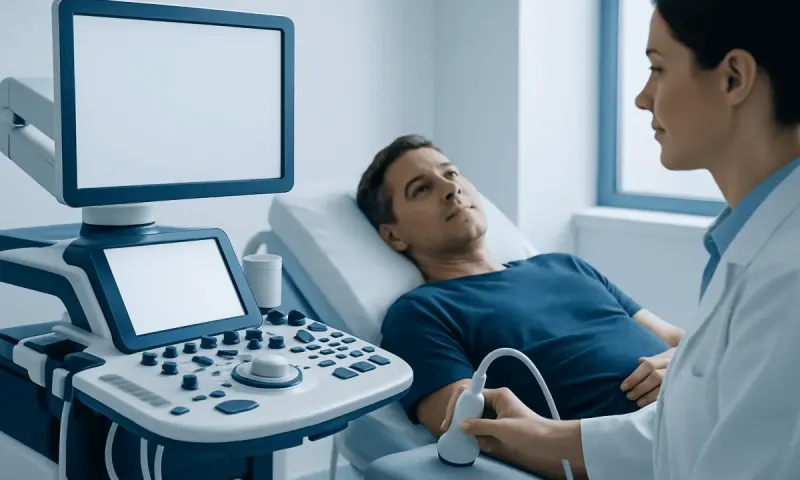
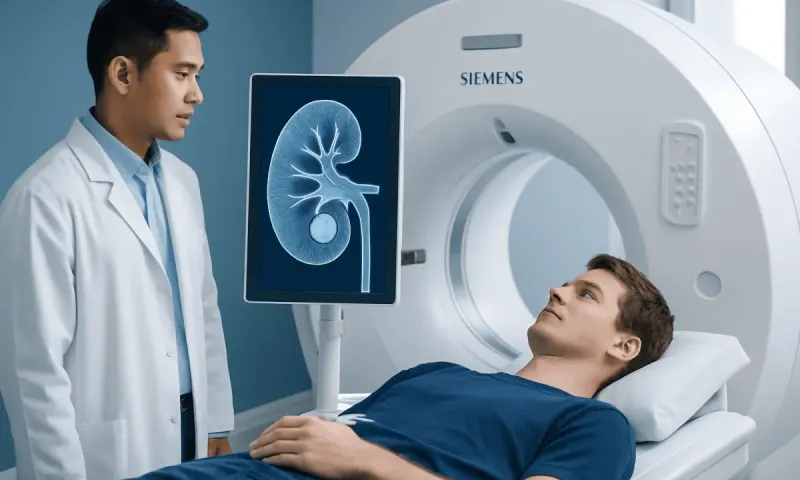
Imaging is not needed for every simple UTI, but it may be useful when infections keep returning, symptoms suggest a blockage, or a kidney infection is suspected. In selected cases, doctors may use ultrasound or MRI imaging to look for structural problems, stones, or complications. If frequent infections are related to emptying problems or anatomy, referral to urology evaluation may be helpful.
Treatment options: based on the type of infection
Treatment depends on where the infection is, how severe it is, and whether the person has risk factors for complications. For a typical bacterial bladder infection, antibiotics are commonly prescribed. The choice of medicine depends on local resistance patterns, allergy history, pregnancy status, prior urine culture results, and whether the infection is uncomplicated or complicated.
You’ll also want to feel better while the treatment works. Drinking enough fluid can help you stay comfortable — though there’s no need to force down large amounts. Rest, avoiding bladder irritants such as excess caffeine if they worsen symptoms, and using medications exactly as prescribed can support recovery. Finish the treatment as directed unless your doctor tells you otherwise.
If symptoms are severe, if the infection involves the kidneys, or if the person cannot keep down fluids or medication, hospital care may be needed. Treatment may include intravenous antibiotics and monitoring. When a UTI is linked to a blockage, catheter issue, enlarged prostate, or stone, addressing that problem is part of treatment; in some cases, this may involve broader kidney and urinary tract care.
Not all cases require the same approach. Some people with repeated symptoms but negative urine tests may have another condition rather than infection. Ongoing urinary discomfort may prompt assessment for a different urinary disorder, including urinary incontinence or bladder-related conditions, so treatment can be targeted correctly.
Prevention and self-care: practical steps that may help
Preventing UTIs focuses on reducing bacterial entry and supporting healthy bladder habits. Drinking fluid regularly, urinating when needed rather than waiting too long, and emptying the bladder after sexual activity may help some people. Gentle hygiene is sensible, but harsh soaps, douches, or fragranced products can irritate sensitive tissues and are generally best avoided.
For people with recurrent UTIs, prevention may be more individualized. A clinician may review hydration habits, constipation, vaginal symptoms, catheter use, contraception, and hormone-related changes after menopause. In some cases, preventive strategies such as vaginal estrogen for selected postmenopausal patients or other doctor-guided measures may be considered.
Be honest with yourself about what home care can do. A warm compress and rest may ease the discomfort, but they won’t clear a bacterial infection. Cranberry products and probiotics are sometimes discussed, but evidence is mixed, and they should not replace medical evaluation when symptoms are significant, persistent, or associated with fever or back pain.
- Drink fluids regularly unless a doctor has advised fluid restriction
- Do not delay urination for long periods
- Urinate after sexual activity if this is helpful
- Avoid irritating intimate products
- Manage constipation, which can affect bladder emptying
- Seek medical advice for recurrent symptoms rather than self-treating repeatedly
When to seek medical care
Medical review is important when UTI symptoms last more than a short time, keep coming back, or are severe from the start. Prompt care is especially important for fever, shaking chills, vomiting, side or back pain, pregnancy, kidney disease, a weakened immune system, or symptoms in men and young children. These situations can suggest a more complicated infection or another condition that needs specific treatment.
A person should also seek care if there is visible blood in the urine, inability to pass urine, new urinary symptoms after a procedure, or no improvement after starting treatment. Even mild symptoms deserve a look if they’re unusual for you or getting in the way of daily life.
International patients who need assessment can be evaluated by multidisciplinary specialists at Acıbadem Health Point’s JCI-accredited hospitals, where urinary symptoms and infections are investigated and treated according to the individual clinical picture. The goal is not only to treat the current infection but also to identify preventable causes when symptoms recur.
Frequently asked questions
01Can a UTI go away on its own?
Very mild urinary symptoms sometimes settle on their own, but a true bacterial UTI doesn’t reliably clear without treatment. Since it can worsen or spread, your safest move is to talk to a healthcare professional — especially if symptoms are persistent, painful, or come with fever.
02What is the difference between a bladder infection and a kidney infection?
A bladder infection is a lower UTI and often causes burning, urgency, and frequent urination. A kidney infection is more serious and may cause fever, chills, nausea, and pain in the back or side, and it usually needs prompt medical care.
03Do all UTIs need antibiotics?
Many confirmed bacterial UTIs are treated with antibiotics, but not every urinary symptom is caused by bacteria. Testing may help decide whether antibiotics are appropriate and avoid unnecessary treatment when another cause is responsible.
04Can men get a UTI?
Yes, men can develop UTIs, although they are less common than in women. When a man has UTI symptoms, doctors may look more closely for contributing factors such as prostate enlargement, urinary blockage, or stones.
05Are UTIs contagious?
A UTI itself is generally not considered contagious in the way a cold or flu is. However, some infections or irritations that cause similar urinary symptoms can be sexually transmitted, which is one reason proper diagnosis matters.
06What can be done for recurrent UTIs?
Recurrent UTIs should be evaluated for triggers and underlying causes such as stones, incomplete bladder emptying, menopause-related changes, or catheter use. Prevention may include lifestyle measures and, in selected cases, doctor-guided strategies tailored to the individual.
This article is for general information only and is not a substitute for professional medical advice. Please consult a qualified doctor about your individual situation.
Explore treatments in Turkey — costs, top hospitals & a free quote
JCI-accredited · board-certified surgeons · reply within 24h
Add us as a Preferred Source to see more of our trusted health content across Google Search, AI Overviews and Discover.