How the Uterine Lining Changes and When It Causes Problems
Maybe your periods have suddenly turned heavy, or you spotted blood years after menopause and felt your stomach drop. A lot of these moments trace back to one thin layer of tissue inside the uterus: the endometrium, also called the uterine lining.
It changes throughout your menstrual cycle. It helps support implantation and pregnancy. And it can also be behind symptoms such as heavy bleeding, irregular periods, pain, or bleeding after menopause.
What the uterine lining is and why it matters
The uterine lining is the inner layer of the uterus, medically called the endometrium. It is a living, responsive tissue that changes under the influence of hormones, mainly estrogen and progesterone. In people of reproductive age, the uterine lining thickens each month to prepare for a possible pregnancy and then sheds during menstruation if pregnancy does not occur.
Why does this thin layer matter so much? It supports embryo implantation, shapes your bleeding patterns, and often mirrors what your hormones are doing. When the uterine lining becomes unusually thin, unusually thick, inflamed, or structurally abnormal, it may lead to symptoms such as irregular bleeding, heavy periods, pelvic discomfort, or difficulty becoming pregnant.
The uterine lining also changes naturally across life stages. During puberty, the endometrium begins responding to cycling hormones. During the reproductive years, it follows a monthly pattern of growth and shedding. After menopause, when hormone levels fall, the lining usually becomes thin. Because of these normal changes, doctors interpret uterine lining findings differently depending on age, menstrual status, symptoms, and medical history.
How the uterine lining changes during the menstrual cycle
The uterine lining goes through distinct phases during the menstrual cycle. During menstruation, the upper part of the lining breaks down and leaves the body as menstrual blood. After the period ends, rising estrogen helps rebuild the lining in what is called the proliferative phase.
After ovulation, progesterone from the ovary helps transform the lining into a more receptive environment for implantation. This is sometimes called the secretory phase. If fertilization and implantation do not happen, hormone levels drop, the lining loses support, and bleeding begins again. This monthly repeat is normal. It tells us the ovaries, brain, and uterus are still talking to each other.
Not every cycle is identical. Stress, significant weight changes, thyroid disorders, polycystic ovary syndrome, approaching menopause, and certain medications can affect ovulation and hormone patterns. When ovulation does not happen regularly, the uterine lining may build up without shedding in a predictable way, which can contribute to irregular or heavy bleeding.
On ultrasound, your doctor may mention endometrial thickness. That number on its own does not diagnose anything, since what counts as normal shifts with cycle timing and menopausal status. The result is usually interpreted together with symptoms, age, hormone use, and other test findings.
Common uterine lining problems and symptoms
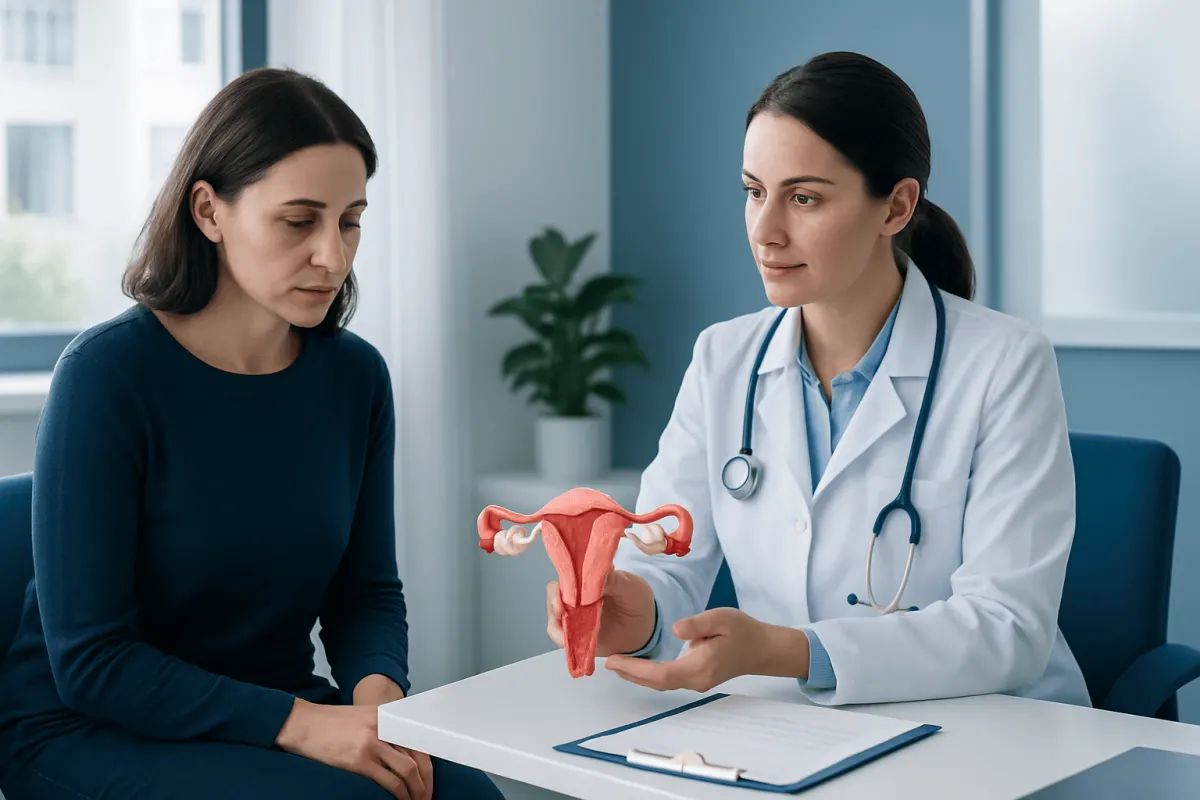
Several conditions can affect the uterine lining. Some involve the structure of the tissue itself, while others are linked to hormones or inflammation. Common concerns include endometrial polyps, endometrial hyperplasia, chronic endometritis, and problems related to ovulatory dysfunction. Tissue similar to the uterine lining can also grow outside the uterus in endometriosis, although that condition is different from a problem within the lining inside the uterus.
Symptoms vary, but abnormal uterine bleeding is one of the most common signs. This can include very heavy periods, bleeding between periods, cycles that become much longer or shorter than usual, or bleeding after sex. Some people notice pelvic pain or cramping, while others may have no symptoms and only learn of a uterine lining issue during imaging or fertility evaluation.
After menopause, the uterine lining is usually thin and inactive. So any bleeding after menopause needs to be checked, every time. Usually the cause turns out to be harmless, such as thinning tissue, a polyp, or an effect of hormone therapy, but it can also point to endometrial hyperplasia or cancer. That is why we do not wait and see.
Symptoms that may suggest a uterine lining problem include:
- Heavy or prolonged menstrual bleeding
- Bleeding between periods
- Irregular periods or skipped periods followed by heavy bleeding
- Bleeding after menopause
- Pelvic pain or pressure
- Difficulty getting pregnant or recurrent implantation problems
Causes and risk factors
Many uterine lining changes are related to hormone balance. Estrogen stimulates growth of the endometrium, while progesterone helps stabilize and mature it after ovulation. If estrogen acts without enough progesterone, the lining may continue to thicken and shed unpredictably. This can happen with irregular ovulation, polycystic ovary syndrome, obesity, perimenopause, or some medications.
Structural conditions can also affect the lining. Polyps are localized overgrowths that may cause spotting or heavier bleeding. Fibroids that distort the uterine cavity may interfere with the lining and contribute to bleeding or fertility problems. Inflammation or infection of the endometrium may occur after childbirth, after a procedure, or in association with pelvic infection.
In some cases, cells in the uterine lining grow in an abnormal pattern, called endometrial hyperplasia. Some forms are not cancer, while others carry a higher risk of developing into cancer over time. Risk factors can include long-term exposure to estrogen without progesterone, obesity, diabetes, increasing age, certain hereditary cancer syndromes, and use of specific medications such as tamoxifen.
Doctors also consider broader reproductive health conditions that can affect bleeding patterns or the uterine environment, including uterine fibroids and ovarian disorders. Finding the cause matters, because what helps a hormone problem looks nothing like what is needed for a structural abnormality or a precancerous change.
How doctors evaluate the uterine lining
Assessment usually starts with a careful medical history. A doctor may ask about menstrual timing, bleeding amount, pain, medication use, contraception, pregnancy history, and whether the person is premenopausal or postmenopausal. A pelvic examination may also be performed to look for other possible sources of bleeding or discomfort.
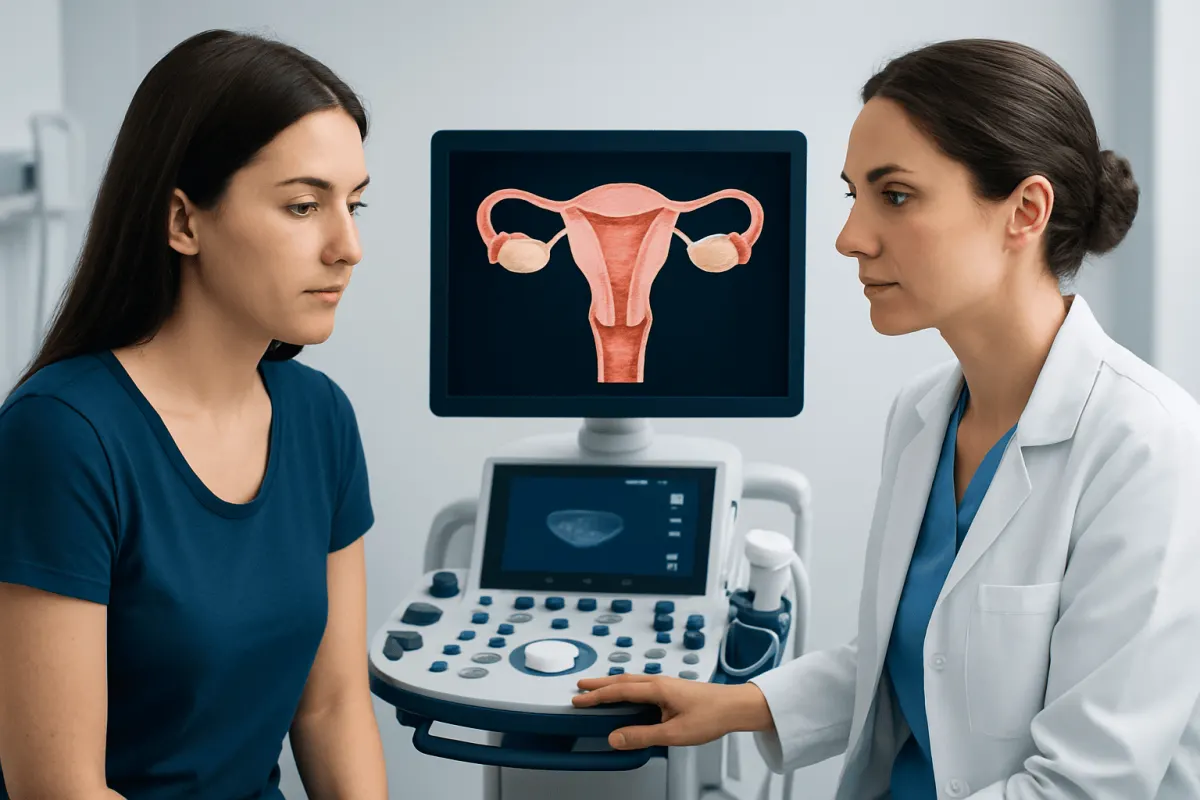
Pelvic ultrasound, often a transvaginal ultrasound, is one of the most common tests used to examine the uterine lining. It can show the thickness of the endometrium and may help detect polyps, fibroids, retained tissue, or other changes in the uterus. Depending on the findings, further imaging or direct visualization may be recommended, such as hysteroscopy, which allows the doctor to look inside the uterine cavity.
If there is concern about abnormal cells, unexplained bleeding, or postmenopausal bleeding, an endometrial biopsy may be advised. In this procedure, a small sample of the uterine lining is collected and examined under a microscope. This helps identify benign changes, hyperplasia, inflammation, or cancer. Blood tests may also be used to check pregnancy, anemia, thyroid function, or hormone-related causes of irregular bleeding.
For some people, especially those with fertility concerns, doctors may evaluate how the uterine lining responds during the cycle and whether the shape of the uterine cavity is suitable for implantation. This can be part of a broader reproductive assessment that may also include ovulation testing and imaging of the ovaries and fallopian tubes.
Treatment options and fertility considerations
Treatment depends on the cause, the person’s age and menopausal status, the severity of symptoms, and whether pregnancy is desired. When bleeding is mild and tests are reassuring, monitoring may be enough. In other cases, medication can help regulate cycles, reduce bleeding, or treat inflammation. Common approaches may include hormonal therapy, such as progesterone-based treatment or combined hormonal contraception, if appropriate.
If a structural problem is found, a procedure may be recommended. Polyps may be removed, and some fibroids affecting the uterine cavity may also need treatment. When the cavity itself needs direct evaluation or treatment, hysteroscopy can be used both to diagnose and to remove certain abnormalities. If significant fibroids are contributing to symptoms, options such as myomectomy may be discussed for selected patients.
When fertility is a concern, treatment aims not only to control symptoms but also to support a healthy uterine environment. The uterine lining needs to be receptive for implantation, so doctors may address ovulation problems, remove cavity-distorting lesions, or treat inflammation when present. For those pursuing assisted reproduction, broader care may include IVF if there are additional fertility factors beyond the uterine lining itself.
If biopsy shows endometrial hyperplasia, treatment is guided by the specific type and by whether future pregnancy is desired. Some forms can be treated with close follow-up and hormone therapy, while others may require more definitive management. If cancer is suspected or confirmed, referral to a gynecologic oncology team is important. Some patients travelling from abroad choose centers such as Acıbadem Health Point, where specialist teams in JCI-accredited hospitals evaluate and treat uterine conditions.
Prevention, self-care, and when to seek medical care
Not all uterine lining problems can be prevented, but general health measures can support hormonal balance and early detection. Keeping routine gynecologic appointments, tracking menstrual patterns, and discussing new bleeding changes promptly can be very helpful. Managing chronic conditions such as diabetes or thyroid disease and maintaining a healthy weight, when possible, may also reduce some risks linked to abnormal endometrial growth.
Self-care starts with noticing what is normal for the individual. It can help to record cycle length, bleeding amount, spotting, pain, and any symptoms related to medications or hormone therapy. This information often makes medical evaluation more precise. People who feel tired, short of breath, or dizzy during heavy bleeding should mention these symptoms, as they may suggest anemia.
Medical care should be sought if there is bleeding after menopause, very heavy bleeding, bleeding between periods that persists, severe pelvic pain, or symptoms that interfere with daily life. Care is also important if pregnancy is possible and bleeding occurs, or if there are fertility concerns after trying to conceive. Getting checked early does not mean something serious is going on. It simply gets you an answer, and the right treatment sooner.
Urgent evaluation may be needed for soaking through pads or tampons rapidly, fainting, severe weakness, fever with pelvic pain, or sudden intense pain. A qualified gynecologist can decide whether reassurance, monitoring, medication, or a procedure is the right next step.
Frequently asked questions
01Is the uterine lining the same as the endometrium?
Yes. The uterine lining is the common term for the endometrium, which is the tissue lining the inside of the uterus. It responds to hormones and changes throughout the menstrual cycle.
02What is a normal uterine lining thickness?
There is not one single normal measurement for everyone. The expected thickness depends on age, where a person is in the menstrual cycle, and whether they are postmenopausal. Doctors interpret thickness together with symptoms and other test results.
03Can a thickened uterine lining be normal?
Yes, it can be normal during certain parts of the menstrual cycle, especially after ovulation when the lining is preparing for possible implantation. However, if the lining is thicker than expected for age or menopausal status, or if there is abnormal bleeding, further evaluation may be needed.
04Does a thin uterine lining affect pregnancy?
In some cases, a very thin uterine lining can make implantation more difficult. That said, fertility is influenced by many factors, including ovulation, egg quality, sperm health, and the shape of the uterine cavity. A fertility specialist can assess the full picture.
05What causes bleeding after menopause?
Postmenopausal bleeding can happen for several reasons, including thinning of the vaginal or uterine tissues, polyps, hormone therapy effects, hyperplasia, or cancer. Many causes are treatable, but any bleeding after menopause should be checked by a doctor.
06How is a uterine lining biopsy performed?
An endometrial biopsy is usually done in a clinic or office setting. A small instrument is passed through the cervix to collect a sample of the lining for laboratory testing. It is typically brief, though some people experience cramping during or shortly after the procedure.
This article is for general information only and is not a substitute for professional medical advice. Please consult a qualified doctor about your individual situation.
Persistent digestive symptoms? Get evaluated in Turkey
JCI-accredited · board-certified surgeons · reply within 24h
Add us as a Preferred Source to see more of our trusted health content across Google Search, AI Overviews and Discover.