

Urethral Sounding Rods: Uses, Risks and Safety
- 8 min read
- Published November 29, 2026
Key Takeaways
- Sounding rods are medical tools used only in clinical settings by trained professionals.
- They may be used for diagnosis or treatment, depending on the urinary problem being assessed.
- Risks can include pain, bleeding, infection, and urethral injury, so proper technique matters.
- Patients should share urinary symptoms, prior surgeries, infections, or strictures before any procedure.
- Persistent pain, fever, difficulty urinating, or visible blood after a procedure should prompt medical review.
A sounding rod is a slender medical instrument used by trained clinicians to examine or gently widen the urethra in selected urology procedures. Understanding its purpose, risks, and aftercare can help patients feel more prepared and support safer decision-making.
Overview
A sounding rod is a thin, smooth medical instrument used in urology to assess or gently open the urethra, the tube that carries urine out of the body. In everyday language, people sometimes use the term loosely, but in medical practice it refers to a specific tool handled by trained clinicians in a controlled setting.
Its role is not the same as ordinary diagnostic imaging or a routine urine test. Depending on the situation, a clinician may use a sounding rod to evaluate narrowing in the urethra, confirm the size and passage of the urinary channel, or perform a form of urethral dilation when a blockage or stricture is suspected.
Because the urethra is delicate, the procedure requires careful technique and appropriate sterile conditions. For patients, especially those considering care abroad, it helps to know why the instrument is being used, what a normal experience feels like, and which symptoms after the procedure are expected versus worth reporting.
Symptoms and Situations That May Lead to Evaluation
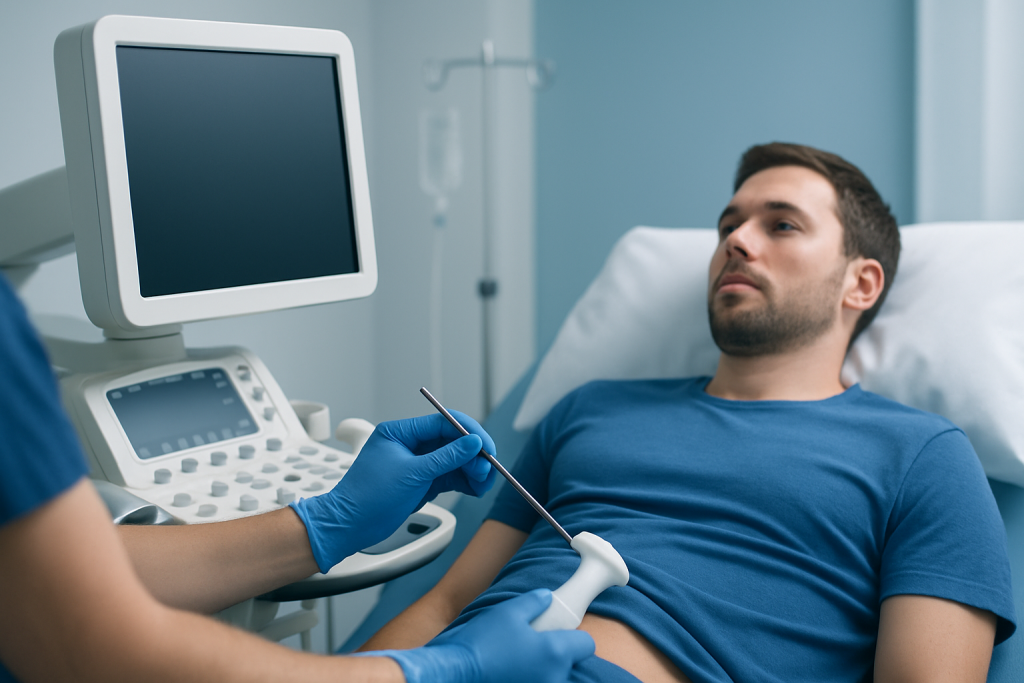
A sounding rod is not used simply because a patient has urinary discomfort. It is considered when symptoms suggest that the urine passage may be narrowed, irritated, or otherwise altered. People may notice a weaker stream, straining to urinate, pain during urination, recurrent urinary tract infections, or a sense that the bladder does not empty fully.
Some patients are referred after an injury, prior catheter use, pelvic surgery, or a history of urethral procedures. In other cases, the concern is a urethral stricture, which is a scar-related narrowing that can make urination difficult and may worsen gradually over time.
When a clinician recommends this type of evaluation, the goal is usually to understand the anatomy more precisely before choosing a treatment plan. That plan may range from observation to dilation, endoscopic treatment, or a different urologic procedure altogether.
Causes & Risk Factors

Several conditions can lead a clinician to consider urethral sounding or related evaluation. The most common underlying issue is urethral narrowing, which may develop after inflammation, infection, trauma, surgery, or long-term catheterization. Scarring can also occur without a single clear cause.
Risk factors vary, but they often include a history of pelvic injury, repeated urinary infections, prior instrumentation of the urinary tract, sexually transmitted infections that caused urethral inflammation, or earlier treatment for a stricture. Older age alone does not cause the problem, but many adults first notice symptoms later in life as scar tissue becomes more apparent.
It is also important to distinguish medical use from non-medical use. Outside a healthcare setting, inserting objects into the urethra can cause serious injury and infection. A sounding rod should only be used by qualified professionals for a legitimate medical purpose.
Diagnosis
Before any procedure, the urologist usually begins with a detailed history and physical examination. The discussion may cover urinary flow, pain, infections, prior operations, medicines, allergies, and any previous trauma to the area. This conversation matters because it helps the clinician choose the safest and most appropriate next step.
Depending on the case, the clinician may also order a urinalysis, urine culture, post-void residual measurement, imaging, or a cystoscopy. A sounding rod may be used during the assessment if the clinician needs to confirm whether a narrowing is present and how far it extends.
For international patients, good communication is especially helpful. Before traveling for care, it is wise to bring records from previous doctors, operative reports, imaging results, and a list of recent urinary symptoms. Clear documentation reduces repeat testing and helps the team plan treatment efficiently.
Treatment Options
If a sounding rod is being used therapeutically, it is usually part of urethral dilation. In this process, the clinician gently increases the width of the urethra with sterilized instruments to improve urine flow when a narrowing is present. The goal is symptom relief and better drainage, not forceful stretching.
Not every patient with a suspected stricture needs the same treatment. Some may benefit from dilation alone, while others may need endoscopic treatment or reconstructive surgery if the narrowing is severe, recurrent, or long. The best option depends on the location of the stricture, its length, the patient’s overall health, and prior treatment history.
Modern urology emphasizes matching the procedure to the problem rather than relying on a one-size-fits-all approach. For patients seeking care from another country, it is reasonable to ask how the diagnosis was confirmed, what alternatives were considered, and what follow-up will be needed after returning home.
If appropriate, Acibadem Health Point’s multidisciplinary specialists and JCI-accredited hospitals diagnose and treat urologic conditions for international patients using coordinated, patient-centered care.
Prevention & Self-care
There is no single way to prevent every urethral problem, but several habits support urinary tract health. Drinking adequate fluids, avoiding unnecessary urinary instrumentation, and seeking prompt treatment for infections can reduce irritation and complications over time. Patients with a history of stricture should follow their urologist’s plan for monitoring rather than waiting for symptoms to become severe.
After a procedure involving a sounding rod or dilation, rest and careful hygiene are usually important. Patients may be advised to drink fluids, avoid heavy exertion for a short period, and watch for changes in urine color, pain, or fever. Any aftercare instructions from the treating team should be followed closely, especially if the patient is recovering away from the hospital.
It also helps to plan follow-up before travel ends. Patients leaving the country after treatment should know who to contact if urinary symptoms worsen, which signs are urgent, and whether a local doctor should review recovery if concerns arise at home.
When to See a Doctor
Medical review is appropriate if urinary symptoms persist, become worse, or interfere with daily life. A weak stream, repeated infections, new difficulty passing urine, or ongoing pain with urination should not be ignored, because these symptoms can reflect a treatable structural issue.
After any urologic procedure, certain changes deserve prompt attention. These include fever, chills, significant bleeding, inability to urinate, severe pain, foul-smelling urine, or worsening swelling. While mild temporary discomfort can happen after instrumentation, symptoms that intensify or do not settle should be assessed.
Patients who are traveling for care should seek a clear follow-up plan before they leave the treating country. Knowing when to contact the urologist, when to go to urgent care, and how to share records with a local physician can make recovery safer and less stressful.
Frequently asked questions
01What is a sounding rod used for in medicine?
A sounding rod is used by trained clinicians to examine or widen the urethra in selected urology procedures. It may help assess a narrowing or support treatment when a stricture is affecting urine flow. It is not a home-use device and should only be used in a medical setting.
02Is urethral sounding painful?
It can cause discomfort, especially if the urethra is inflamed or narrowed. Clinicians usually use sterile technique and careful handling to reduce pain and injury. If significant pain occurs, the procedure should be reassessed by the medical team.
03What complications can happen after urethral instrumentation?
Possible complications include temporary soreness, light bleeding, infection, and, less commonly, urethral injury. The risk depends on the underlying condition and how the procedure is performed. Patients should report fever, heavy bleeding, or trouble urinating promptly.
04How is a urethral stricture diagnosed?
Diagnosis usually begins with symptoms, medical history, and examination. The urologist may also use urine tests, imaging, cystoscopy, or a sounding rod during evaluation to understand the narrowing more clearly. The choice depends on the individual case.
05Can a urethral narrowing come back after treatment?
Yes, some strictures can recur after dilation or other treatment. That is why follow-up is important, even when symptoms improve at first. The urologist may recommend monitoring or a different treatment if the narrowing returns.
06What should a patient do before traveling for urology treatment?
It is helpful to collect prior test results, surgical reports, and a complete medication list before traveling. The patient should also ask about the expected recovery time, warning signs, and how follow-up will work after returning home. This makes cross-border care smoother and safer.
This article is for general information only and is not a substitute for professional medical advice. Please consult a qualified doctor about your individual situation.
Explore treatments in Turkey — costs, top hospitals & a free quote
JCI-accredited · board-certified surgeons · reply within 24h
Add us as a Preferred Source to see more of our trusted health content across Google Search, AI Overviews and Discover.


How can we help you today?
Meet an Acibadem specialist by secure video, before you travel.
Book a video visit