Unprotected Sex: Pregnancy and STI Risk Reduction
Unprotected sex means sexual activity without a barrier method, such as an external or internal condom, or without another reliable method of pregnancy prevention when pregnancy is possible. It may increase the chance of sexually transmitted infections (STIs) and unintended pregnancy, but practical steps are available depending on what happened and when.
Overview: What Does Unprotected Sex Mean?
Unprotected sex usually refers to vaginal, anal, or oral sex without a barrier method such as an external condom, internal condom, or dental dam. The term may also be used when a condom breaks, slips off, is put on late, or is not used correctly. For people who can become pregnant, sex without an effective contraceptive method can also be considered unprotected in relation to pregnancy.
The possible health effects depend on the type of sexual contact, whether body fluids were exchanged, a person’s vaccination and testing history, the partner’s infection status, and the timing in the menstrual cycle. There is no need for panic after a single event, but it is sensible to act promptly and choose next steps based on the individual situation.
STIs can be passed through vaginal, anal, and oral sex, as well as through close skin-to-skin genital contact for some infections. Examples include chlamydia, gonorrhea, syphilis, herpes, human papillomavirus (HPV), hepatitis B, and HIV. Not every exposure results in an infection, but many infections have no early symptoms and can still be transmitted.
Possible Risks After Unprotected Sex
The two main concerns after unprotected sex are unintended pregnancy and STIs. Pregnancy is possible after vaginal sex when semen or pre-ejaculate containing sperm enters or reaches the vagina. The chance varies with timing, fertility, contraceptive use, and other factors. Withdrawal alone is less reliable than established contraceptive methods because it can be difficult to use perfectly every time.
STI risk differs by infection and type of contact. Anal and vaginal sex can transmit several infections, while oral sex can also transmit infections such as gonorrhea, chlamydia, syphilis, herpes, and HPV. Sharing needles or other equipment for injecting drugs can additionally increase the risk of blood-borne infections, including HIV and hepatitis B or C.
Symptoms do not reliably indicate whether an STI is present. Some people develop genital sores, discharge, burning during urination, rash, itching, pelvic pain, testicular pain, or sore throat. Others have no symptoms at all. Testing rather than symptoms alone is the most reliable way to clarify many possible infections.
Emotional concerns can also be significant. People may feel worried, embarrassed, or uncertain about discussing sexual health. Healthcare professionals are used to these conversations and can provide confidential, nonjudgmental care focused on the person’s health needs.
What to Do Soon After Unprotected Sex

It can help to note the date and type of sexual contact, whether a condom failed, any symptoms, the first day of the last menstrual period if relevant, and any known information about a partner’s STI status. This information helps a clinician recommend appropriate testing, prevention, or treatment. Avoid douching, washing inside the vagina, or using harsh products after sex; these steps do not prevent pregnancy or infection and may cause irritation.
If pregnancy is possible and it has been only a few days, emergency contraception may be an option. Emergency contraceptive pills and a copper intrauterine device have different time windows and suitability considerations. A pharmacist, sexual health clinic, gynecologist, or other qualified clinician can advise on the most appropriate option; acting as early as possible is important.
After a potential HIV exposure, urgent medical assessment is important because post-exposure prophylaxis (PEP) may reduce the likelihood of HIV infection when started promptly, generally within 72 hours. PEP is not appropriate for every exposure, so a clinician will assess the circumstances and may recommend testing and follow-up instead.
It is also reasonable to avoid further unprotected sex until concerns have been addressed. Using condoms or other barriers consistently, and discussing testing with sexual partners where possible, can help protect everyone involved.
Testing and Diagnosis: Timing Matters
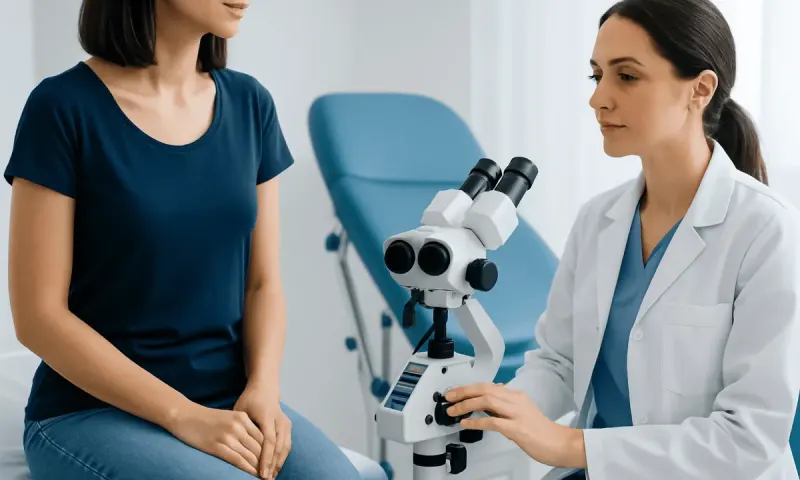
A sexual health clinician can recommend tests based on the type of exposure, symptoms, vaccination history, and timing. Testing may involve urine samples, vaginal, cervical, urethral, throat, or rectal swabs, blood tests, or a physical examination. The sites tested should reflect the sites of sexual contact; for example, a throat swab may be needed after oral sex.
Different tests become accurate at different times after exposure. Some infections can be detected relatively soon, while blood tests for infections such as HIV or syphilis may need to be repeated after an initial test because of a window period. A negative test obtained very soon after exposure may not rule out every infection, so following the clinician’s recommended testing schedule is important.
Pregnancy tests are most accurate after a missed period or at the time advised on the test instructions. If a test is negative but a period remains late, repeating the test or consulting a clinician is appropriate. New pregnancy-related symptoms, such as one-sided pelvic pain, fainting, or unusual bleeding, need prompt medical evaluation.
Testing can identify infections that are treatable and support steps to avoid transmission. If an STI is diagnosed, a clinician may recommend treatment, testing or treatment for partners, temporary abstinence or condom use, and follow-up testing. Early care can prevent complications for many infections.
Treatment Options and Partner Care
Treatment depends on the diagnosis. Several bacterial STIs, including chlamydia, gonorrhea, and syphilis, can be treated with prescribed antibiotics. Viral infections such as herpes, HIV, hepatitis B, and HPV are managed differently; some have medicines that control infection or symptoms, while vaccines can prevent certain infections. A qualified clinician should select treatment and explain follow-up care.
It is important not to take leftover antibiotics or medicines prescribed for another person. The wrong medicine may not treat the infection, can delay correct care, and may contribute to antibiotic resistance. Sexual partners may need notification, testing, and sometimes treatment, even if they do not have symptoms.
Until treatment is completed and a clinician confirms it is safe to resume sexual activity, abstaining from sex or using barriers as advised can reduce transmission. People diagnosed with an STI may also benefit from screening for other infections because more than one infection can occur at the same time.
Acıbadem Health Point’s multidisciplinary specialists and JCI-accredited hospitals can assess sexual health concerns, arrange appropriate testing, and provide coordinated care for Myomectomy Recovery for International Patients: The Usual Travel Timeline" class="ahp-ilk">international patients.
Prevention and Ongoing Sexual Health
Condoms and internal condoms, used correctly from start to finish during each act of vaginal or anal sex, reduce the risk of many STIs and unintended pregnancy. Barriers can also be used during oral sex. They do not eliminate every risk because some infections, such as HPV or herpes, may spread through skin contact in areas not covered by a barrier.
Using a condom together with another reliable contraceptive method can provide added pregnancy protection while maintaining STI protection. A clinician can help a person choose contraception based on medical history, future pregnancy plans, preferences, and any medications being used.
Vaccination is another important preventive tool. HPV vaccination helps protect against HPV types linked with genital warts and several cancers, and hepatitis B vaccination helps prevent hepatitis B infection. Eligibility and schedules vary by country, age, medical history, and previous vaccination, so a clinician can advise.
Regular STI screening may be appropriate for people with new or multiple partners, people whose partners have an STI, men who have sex with men, people living with HIV, and others with increased exposure risk. Open conversations about testing, condoms, contraception, and boundaries are part of preventive sexual healthcare.
When to Seek Medical Care
Medical advice should be sought promptly after possible HIV exposure, especially if it occurred within the past 72 hours, because time-sensitive preventive treatment may be considered. Urgent care is also appropriate after sexual assault. Specialist services can address immediate health needs, emergency contraception, STI prevention, forensic options where available, and emotional support; the person remains in control of which services they choose.
Contact a clinician soon for genital sores, unusual vaginal or penile discharge, pain or burning when urinating, pelvic or lower abdominal pain, testicular pain or swelling, rash, fever, rectal pain or discharge, or a sore throat after oral sex. These symptoms can have causes other than an STI, but assessment is important.
Emergency evaluation is needed for severe or worsening abdominal or pelvic pain, fainting, shoulder pain with possible pregnancy, heavy vaginal bleeding, high fever, or severe testicular pain. These symptoms may indicate conditions requiring urgent treatment.
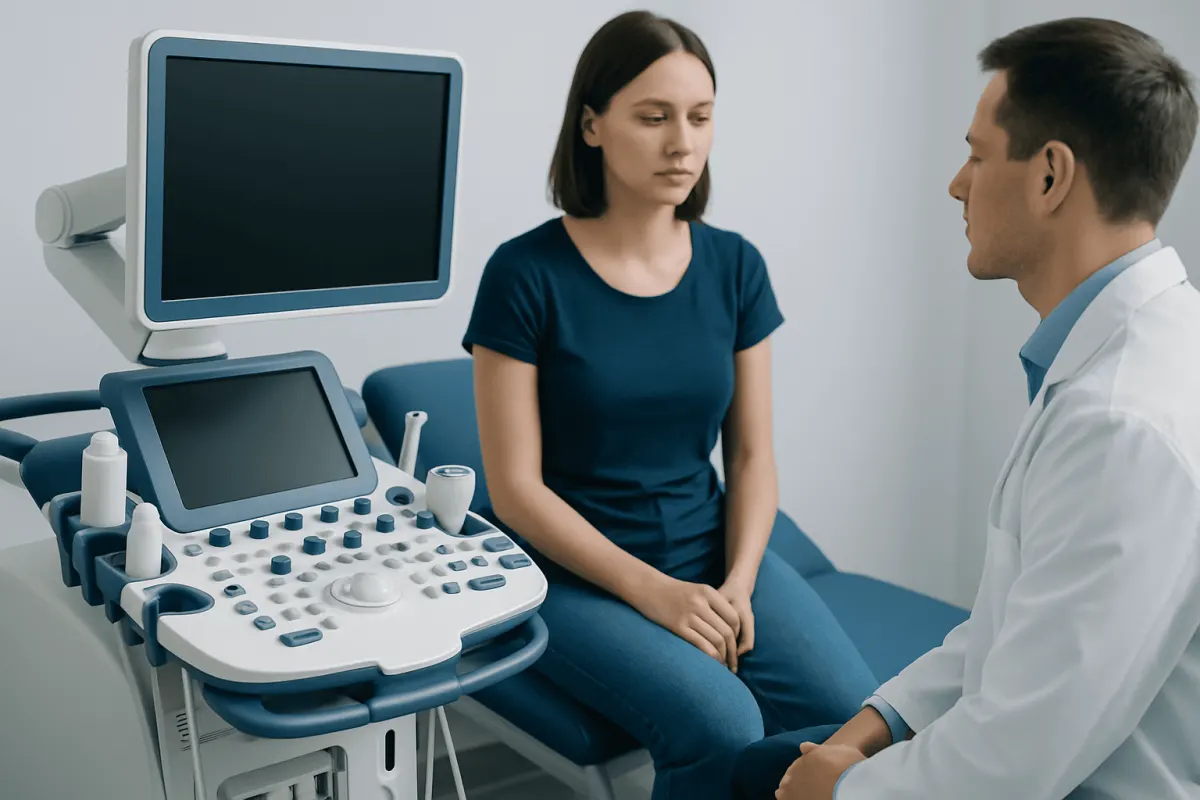
Even without symptoms, a person who has had unprotected sex and is concerned about pregnancy or an STI can arrange confidential care with a primary care clinician, gynecologist, urologist, or sexual health service. Timely advice can clarify options and provide reassurance.
Frequently asked questions
01Can someone get an STI from unprotected oral sex?
Yes. Oral sex can transmit some STIs, including gonorrhea, chlamydia, syphilis, herpes, and HPV. The chance depends on the infection and exposure, and throat infections may have no symptoms. A clinician can advise whether throat or other site-specific testing is appropriate.
02How soon should a person get tested after unprotected sex?
The right timing depends on the infection and test type. Some tests can be performed soon after exposure, while others may need repeating later because infections can take time to become detectable. A sexual health clinician can provide a testing plan tailored to the exposure.
03Can emergency contraception prevent STIs?
No. Emergency contraception is intended to reduce the likelihood of pregnancy after unprotected vaginal sex; it does not prevent STIs. STI prevention may include barrier methods, vaccination, testing, and, in specific situations, time-sensitive medical prevention.
04What if a condom broke during sex?
A broken or slipped condom can be treated as unprotected sex. If pregnancy is possible, emergency contraception may be considered as soon as possible. A clinician can also assess STI testing needs and whether urgent HIV prevention is relevant.
05Is it possible to have an STI without symptoms?
Yes. Many STIs cause no noticeable symptoms, particularly in the early stages. This is why testing can be important after a potential exposure, even when a person feels healthy.
06Should both partners be tested after unprotected sex?
Testing may be useful for both partners, especially if either person has symptoms, a new partner, an unknown STI status, or a known exposure. The recommended tests and timing may differ for each person. A clinician can explain what testing is appropriate and how to reduce transmission while awaiting results.
This article is for general information only and is not a substitute for professional medical advice. Please consult a qualified doctor about your individual situation.
IVF & fertility treatment in Turkey — success rates and costs
JCI-accredited · board-certified surgeons · reply within 24h
Add us as a Preferred Source to see more of our trusted health content across Google Search, AI Overviews and Discover.