Outer Hip Pain From Trochanteric Bursitis and How to Ease It

Does the outside of your hip hurt when you lie on that side at night, or when you get up from a chair? That pattern points to trochanteric bursitis — one of the most common reasons for pain on the outer hip. It usually starts when the fluid-filled bursa and the soft tissues over the greater trochanter get irritated. Overuse, pressure, muscle imbalance, or an underlying hip or spine problem can all set it off.
What trochanteric bursitis is
Trochanteric bursitis is a condition that causes pain on the outside of the hip, near the bony point called the greater trochanter. A bursa is a small fluid-filled sac that helps reduce friction between bones and soft tissues. When this area becomes irritated, the hip may feel sore, tender, or stiff, especially during certain movements or when pressure is placed on the side of the hip.
Although the name suggests inflammation of the bursa alone, outer hip pain is often more complex. In many people, the nearby gluteal tendons are also irritated or weakened. For this reason, clinicians increasingly use the broader term “greater trochanter pain syndrome.” Still, “trochanteric bursitis” remains widely used by patients and healthcare professionals because it describes the location and pattern of pain clearly.
This condition can affect adults of many ages, but it is especially common in middle age and older adulthood. It may happen on one side or both sides. The good news? Most people get better without surgery — with a plan that calms the irritation while building hip strength and better movement.
Symptoms and how it feels in daily life

The hallmark symptom of trochanteric bursitis is pain at the outer hip. Some people describe it as aching, burning, or sharp tenderness over the bony part of the hip. The discomfort may start gradually or appear after a change in activity, such as more walking, stair climbing, running, or standing for long periods.
Pain is often worse when lying on the affected side, getting up from a chair, climbing stairs, crossing the legs, or walking uphill. In some cases, the discomfort spreads down the outer thigh, which can make it seem similar to nerve pain from the lower back. However, trochanteric bursitis usually does not cause true numbness or tingling.
Daily activities can become uncomfortable because the irritated tissues are sensitive to pressure and repeated hip movement. Common features include:
- Tenderness when pressing on the outer hip
- Pain after longer walks or exercise
- Discomfort when standing on one leg
- Difficulty sleeping on the painful side
- A limp during flare-ups
When pain drags on, you may start moving differently to protect the hip without realizing it. That can strain your lower back, knee, or the opposite hip. It’s one reason paying attention to posture, gait, and muscle strength early on pays off.
Why it happens: causes and risk factors

Trochanteric bursitis usually develops because of repeated friction, pressure, or overload around the outer hip. The bursa and nearby tendons can become irritated when the muscles that stabilize the pelvis are not working efficiently, or when a person suddenly increases physical activity. It is not always caused by a single injury; in many cases, several factors contribute at the same time.
Risk factors include repetitive walking or running, prolonged standing, climbing many stairs, direct pressure from lying on one side, and biomechanical issues such as leg-length difference or altered gait. Weakness in the hip abductor muscles, especially the gluteus medius and gluteus minimus, is commonly involved. Conditions affecting movement patterns, including back pain or knee arthritis, may also increase stress at the outer hip.
Sometimes trochanteric bursitis occurs alongside other musculoskeletal problems. A person may have outer hip pain related to hip pain in general, osteoarthritis, tendon disorders, or referred pain from the lumbar spine. Less commonly, inflammatory conditions such as rheumatoid arthritis can predispose someone to bursitis. A careful evaluation helps separate these possibilities and identify the main driver of symptoms.
Being female, older age, and carrying excess body weight are also associated with a higher likelihood of this problem, likely because of differences in pelvic anatomy, tissue loading, and joint mechanics. However, the condition can also affect active younger adults, especially when training errors or muscle imbalance are present.
How doctors diagnose trochanteric bursitis
Diagnosis usually begins with a medical history and physical examination. A doctor will ask where the pain is located, how long it has been present, what movements make it worse, and whether there has been a recent injury or change in activity. Outer hip tenderness over the greater trochanter is a common finding, and certain movements or resistance tests may reproduce the pain.
Because several conditions can cause hip pain, the examination often includes the lower back, pelvis, and knee as well as the hip itself. The doctor may look for weakness in the gluteal muscles, tightness of surrounding tissues, limping, or pain when standing on one leg. Looking at the whole picture matters, because treatment works best when the mechanical causes behind the pain are dealt with too.
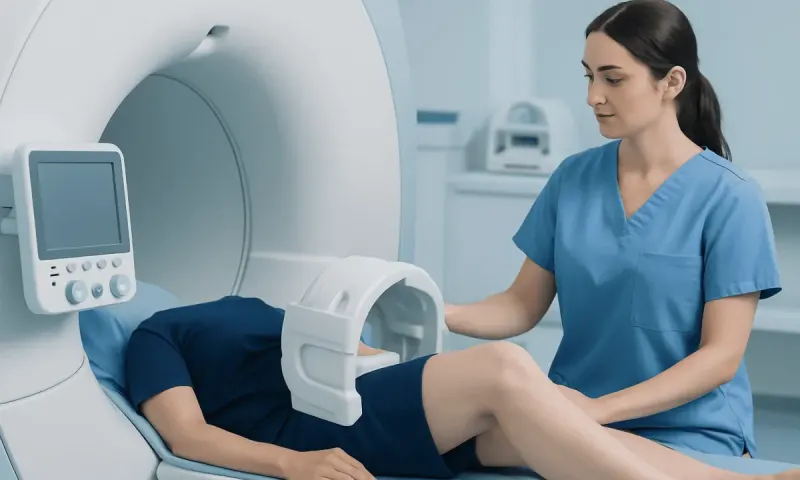
Imaging is not always necessary, especially when symptoms and examination findings are typical. However, X-rays may be used to check for arthritis, bone problems, or other causes of pain. Ultrasound or MRI can help assess the bursa and surrounding tendons if symptoms persist, if a tendon tear is suspected, or if the diagnosis is uncertain. In some situations, MRI scanning is useful to distinguish bursitis from tendon disease or other hip conditions.
Doctors also consider other diagnoses such as Joint Replacement Options" class="ahp-ilk">hip osteoarthritis, lumbar radiculopathy, stress fracture, tendon tears, and sciatica when symptoms do not fit the usual pattern. Getting the diagnosis right early spares you unnecessary treatments and lets your recovery plan target the real problem.
Treatment options and expected recovery
Most people with trochanteric bursitis improve without surgery. Early treatment usually focuses on reducing irritation and restoring normal hip mechanics. This often includes relative rest, avoiding pressure on the painful side, modifying exercise, and using cold packs after activity. Simple changes, such as placing a pillow between the knees while sleeping or avoiding standing with weight shifted onto one hip, may also help.
Exercise-based rehabilitation is a key part of recovery. A physical therapist may guide stretching where appropriate, but the main goal is usually to strengthen the hip abductors, improve pelvic control, and correct movement patterns that overload the outer hip. This can be especially important in recurrent or long-standing symptoms. Some patients also benefit from assessment by physical therapy and rehabilitation services to build a personalized program.
Doctors may recommend pain-relieving or anti-inflammatory medicines when appropriate, taking into account a person’s general health and other medications. In selected cases, a corticosteroid injection around the bursa can provide short-term relief, particularly when pain is limiting sleep or participation in therapy. Image-guided procedures such as ultrasound-guided assessment or injection may be used in some centers to improve precision.
Surgery is uncommon and is generally considered only when symptoms remain severe despite a sustained period of well-planned non-surgical treatment, or when there is significant tendon damage. If surgery is needed, the aim is usually to treat the underlying tendon or reduce friction in the area, rather than simply removing an inflamed bursa. Recovery time varies, but many people notice gradual improvement over weeks to months with consistent treatment.
Prevention and self-care strategies
Preventing trochanteric bursitis often centers on managing load at the hip. Building strength in the gluteal muscles, increasing activity gradually, and addressing changes in walking or posture can reduce strain on the outer hip. For runners or active individuals, training errors such as sudden mileage increases, poor footwear, or inadequate recovery may need attention.
What you do at home matters more than you might think. Don’t lie directly on the sore side, use cushions to take pressure off, warm up before exercise, and back off anything that sharply worsens the pain. If you sit for long stretches every day, get up and move regularly to keep stiffness and overload in check.
People who have repeated episodes may benefit from evaluation for contributing issues such as knee arthritis, lower back problems, or foot mechanics. Weight management, when relevant, can also reduce stress on the hips over time. And if the pain keeps coming back, see a professional instead of cycling through rest and restart on your own.
In specialist centers, a multidisciplinary approach may involve orthopedics, sports medicine, rehabilitation, and imaging teams. Near the end of the care journey, some international patients may choose assessment at Acıbadem Health Point, where multidisciplinary specialists in JCI-accredited hospitals evaluate and treat musculoskeletal conditions with individualized care plans.
When to seek medical care
Many cases of trochanteric bursitis are not emergencies, but medical review is appropriate when pain lasts more than a few weeks, keeps returning, or interferes with walking, sleep, work, or exercise. Persistent symptoms can mean there is ongoing tendon involvement, a biomechanical problem, or another diagnosis that needs attention.
Urgent assessment is important if hip pain follows a fall or injury, if a person cannot bear weight, or if the hip is red, hot, markedly swollen, or accompanied by fever. These features may suggest a fracture, infection, or another condition that needs prompt treatment. New weakness, significant numbness, or pain that seems to come mainly from the back should also be assessed.
Anyone with a history of inflammatory arthritis, osteoporosis, cancer, or long-term steroid use should speak to a doctor if new hip pain develops. It doesn’t automatically mean something serious is going on — but it does deserve a careful check. Being seen early means safer treatment choices and, usually, a quicker return to your normal routine.
Frequently asked questions
01Is trochanteric bursitis the same as hip bursitis?
Trochanteric bursitis is one type of hip bursitis, affecting the outer side of the hip near the greater trochanter. People often use the term “hip bursitis” broadly, but pain in this area may also involve the nearby gluteal tendons.
02How long does trochanteric bursitis take to heal?
Recovery time varies depending on how irritated the tissues are and whether tendon problems or movement issues are also present. Some people improve within a few weeks, while others need several months of structured rehabilitation and activity adjustment.
03Can walking make trochanteric bursitis worse?
Walking can aggravate symptoms if the hip is already irritated, especially on hills, long distances, or uneven ground. Gentle walking is often still possible, but it may need to be reduced temporarily and balanced with strengthening and rest.
04What sleeping position is best for trochanteric bursitis?
Avoiding direct pressure on the painful side is usually most comfortable. Many people sleep on the opposite side with a pillow between the knees, or on their back with support that keeps the hips in a neutral position.
05Do I need an MRI for trochanteric bursitis?
Not always. Many cases can be diagnosed from symptoms and physical examination alone, but MRI may be helpful when pain does not improve, the diagnosis is unclear, or a tendon tear or another condition is suspected.
06Can trochanteric bursitis come back?
Yes, it can recur if the underlying causes are not addressed. Strengthening the hip muscles, improving movement patterns, and avoiding repeated pressure or sudden increases in activity can lower the chance of future flare-ups.
This article is for general information only and is not a substitute for professional medical advice. Please consult a qualified doctor about your individual situation.
Joint and spine care in Turkey — expert assessment & treatment
JCI-accredited · board-certified surgeons · reply within 24h
Add us as a Preferred Source to see more of our trusted health content across Google Search, AI Overviews and Discover.