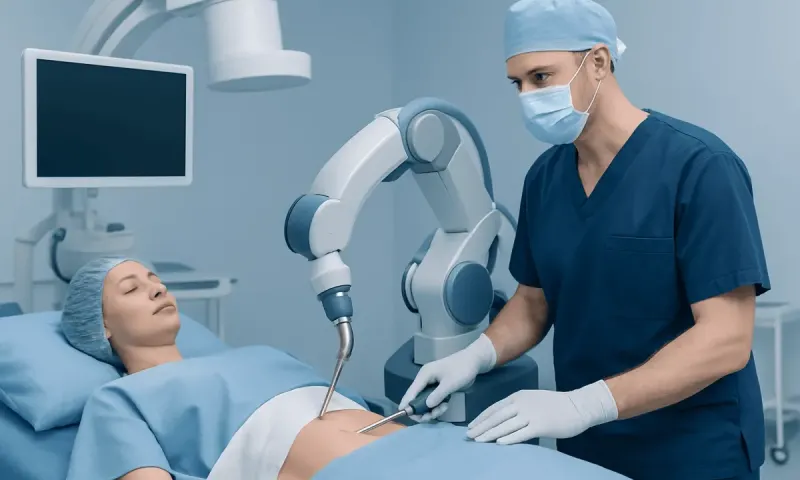
Iliopsoas Bursitis: Symptoms, Causes, and Treatment Options
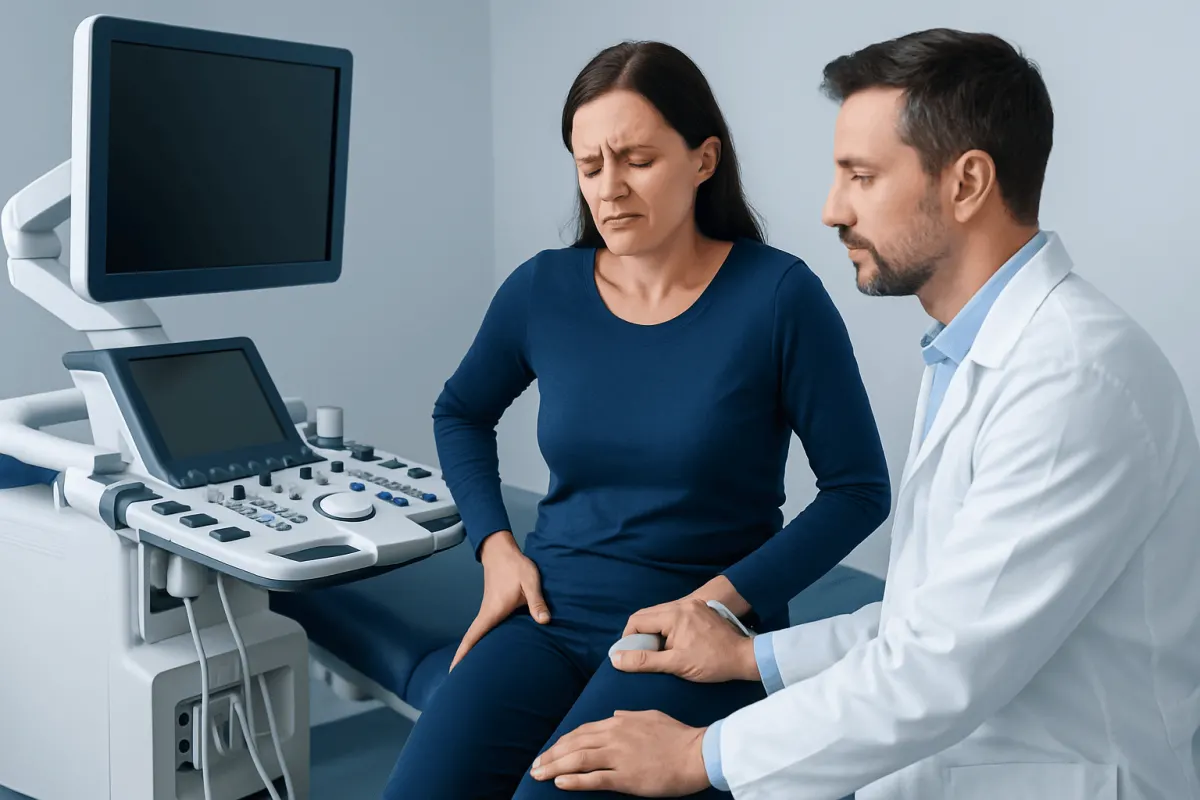
Does a deep ache sit in your groin every time you climb a flight of stairs, get out of the car, or lift your knee to put on a shoe? That pattern often points to the front of the hip.
Iliopsoas bursitis is inflammation of the iliopsoas bursa, a fluid-filled sac near the front of the hip that reduces friction between tissues. It may cause deep groin or front-of-hip pain, especially with walking, climbing stairs, or bending the hip. Treatment commonly begins with activity changes, rehabilitation, and pain management.
Overview: What Is Iliopsoas Bursitis?
Iliopsoas bursitis is inflammation or enlargement of the iliopsoas bursa. A bursa is a small sac containing fluid that cushions tissues and helps them glide smoothly. The iliopsoas bursa sits deep at the front of the hip, between the iliopsoas muscle-tendon unit and the hip joint area. When it becomes irritated, it can produce pain, tenderness, stiffness, or a feeling of tightness in the groin.
The iliopsoas muscle is an important hip flexor. It helps lift the knee, rise from a chair, climb stairs, and bring the trunk forward. Because this muscle and tendon move repeatedly across the front of the hip, irritation may occur after increased activity, altered movement patterns, or underlying hip disease. The bursa may occasionally become enlarged enough to cause a sense of fullness in the groin.
You will often hear iliopsoas bursitis mentioned in the same breath as iliopsoas tendinopathy or “hip flexor” pain. They can happen separately or together, but they are not the same thing: bursitis affects the cushioning sac, tendinopathy affects the tendon. A clinician can pin down the likely pain source and rule out other causes of groin pain.
How Iliopsoas Bursitis Feels
The most typical symptom is a deep ache, sharp pain, or catching sensation at the front of the hip or in the groin. Pain may develop gradually with repeated use or begin after a strain, fall, or change in exercise routine. Some people notice discomfort spreading toward the front of the thigh, although pain patterns vary.
Symptoms are often more noticeable when the hip is flexed or extended. For example, pain may occur while climbing stairs, walking uphill, running, getting into or out of a car, standing from a low chair, or lifting the knee to put on shoes. Prolonged sitting can also make the front of the hip feel tight or sore when standing up.
In some cases, there may be snapping or clicking at the front of the hip as the iliopsoas tendon moves. This is sometimes called internal snapping hip. Snapping alone is not always harmful, but pain, weakness, restricted motion, or persistent symptoms should be assessed. Because the bursa lies deep beneath muscles, visible swelling is uncommon, though a larger bursa may occasionally create a palpable groin fullness.
- Deep groin or anterior hip pain
- Pain with hip flexion, walking, stairs, or rising from sitting
- Hip stiffness or reduced stride length
- Discomfort when stretching the hip backward
- Occasional clicking, snapping, or a feeling of catching
Causes and Risk Factors
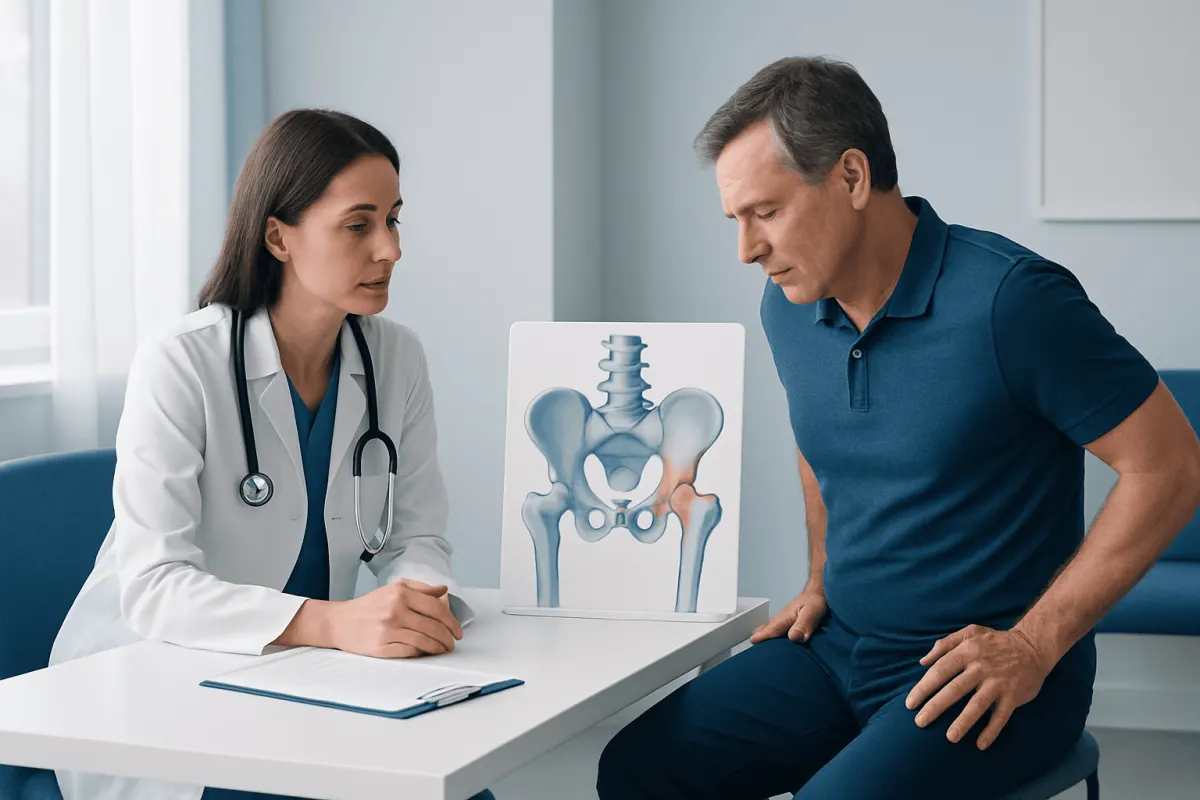
Iliopsoas bursitis commonly results from repeated friction or pressure around the front of the hip. A sudden increase in training volume, running hills, cycling, dancing, kicking activities, or repeated lifting can overload the hip flexor region. It may also develop in people whose work or daily activities involve frequent stair climbing, squatting, or prolonged hip flexion.
Hip joint conditions may contribute because the iliopsoas bursa can communicate with the hip joint in some people. Osteoarthritis, inflammatory arthritis, cartilage problems, and other sources of joint inflammation may increase fluid in the bursa or alter hip movement. Structural differences, muscle weakness, reduced flexibility, and changes in walking mechanics can also raise stress on the iliopsoas area.
Previous hip surgery, including hip replacement, can occasionally be associated with iliopsoas irritation. In this setting, symptoms require careful evaluation because the causes and treatment approach may differ. Less commonly, infection, bleeding into the bursa, or a mass can mimic bursitis; these possibilities are considered when symptoms are severe, unusual, or accompanied by systemic illness.
You do not have to be an athlete. Adults with reduced hip strength, limited mobility, arthritis, or a recent change in activity may also develop symptoms. Having a risk factor does not mean you will get iliopsoas bursitis, and many cases improve once the contributing factors are addressed.
How Doctors Diagnose the Condition
Diagnosis begins with a discussion of the location, timing, and triggers of pain, as well as prior injuries, exercise changes, medical conditions, and surgeries. During the physical examination, a clinician assesses walking, hip range of motion, muscle strength, and whether specific movements reproduce groin pain. Pain with resisted hip flexion or with stretching the hip may support an iliopsoas-related source.
Groin pain has several possible causes, including Joint Replacement Options" class="ahp-ilk">hip osteoarthritis, labral injuries, stress fractures, hernia, lumbar spine conditions, pelvic disorders, and referred pain from other areas. That is why you should not diagnose iliopsoas bursitis in yourself from symptoms alone. A careful assessment is especially important when pain is persistent, occurs at rest, or limits weight-bearing.
Imaging is not always needed for mild symptoms that improve with initial care. When the diagnosis is uncertain or symptoms continue, ultrasound can identify bursal fluid and guide an injection if appropriate. Magnetic resonance imaging may provide a detailed view of the bursa, iliopsoas tendon, muscles, hip joint, and nearby soft tissues. X-rays do not show a bursa directly but can help assess bone and joint changes such as arthritis.
Occasionally, a clinician may use a local anesthetic injection into the iliopsoas bursa as part of the diagnostic process. Meaningful temporary pain relief can help confirm that the iliopsoas region is contributing to symptoms, while still being interpreted alongside the full clinical assessment.
Treatment Options and Recovery
Treatment is tailored to the cause, severity, and daily impact of symptoms. For many people, the first step is relative rest rather than complete inactivity. This means temporarily reducing movements that clearly provoke pain, such as hill running, deep hip flexion, high-impact exercise, or repetitive stair climbing, while remaining active within comfortable limits. Gradual return to activity is generally preferable to pushing through worsening pain.
Cold or heat may provide short-term comfort depending on the person and stage of symptoms. Non-prescription pain relief or anti-inflammatory medicines may be suitable for some people, but they are not appropriate for everyone. A doctor or pharmacist can advise on safe options, particularly for people with kidney disease, stomach ulcers, heart disease, blood-thinning medication, pregnancy, or other health conditions.
Physiotherapy is often central to recovery. A rehabilitation plan may address hip and trunk strength, gluteal muscle control, mobility, posture, walking mechanics, and a gradual increase in activity. Exercises should be individualized; aggressive stretching or repeated hip flexor exercises can aggravate symptoms in some cases, particularly early on.
If symptoms do not settle with conservative care, an image-guided corticosteroid injection into the bursa may reduce inflammation and help rehabilitation progress. Injections have potential benefits and risks, so they should be considered after an appropriate assessment. Surgery is rarely necessary and is usually reserved for persistent, well-confirmed cases or when a specific underlying structural problem needs correction.
Prevention and Day-to-Day Self-Care
Not every case can be prevented, especially when arthritis or another hip condition is part of the picture. Still, sensible training and movement habits may reduce the chance of overuse irritation. Increases in exercise duration, intensity, hills, or resistance are best introduced progressively, giving the body time to adapt.
Before exercise, a gradual warm-up can prepare the hips and surrounding muscles for activity. A balanced program that develops hip, buttock, abdominal, and leg strength may improve control around the pelvis and hip. People returning after injury or a period of inactivity may benefit from professional guidance on pacing and technique.
During a flare, it can be helpful to identify and temporarily modify the most aggravating activities. Lower-impact choices such as gentle walking on level ground, swimming, or other activities that do not increase pain may be reasonable for some individuals. Comfortably maintaining movement can help avoid stiffness, but activities that produce sharp pain or worsening symptoms should be stopped.
Supportive footwear, attention to training surfaces, and adequate recovery between demanding sessions can also be useful. If pain repeatedly returns despite these measures, a clinician or physiotherapist can review movement patterns and look for an underlying hip or spine problem.
When to Seek Medical Care
Medical assessment is advisable for groin or front-of-hip pain that lasts more than a few weeks, keeps returning, limits walking or sleep, or does not improve with reducing aggravating activities. An evaluation is also appropriate before returning to high-impact sport when pain has affected strength, mobility, or performance.
Prompt medical care is important if hip pain follows a significant fall or injury, if a person cannot bear weight, or if the leg appears shortened or misshapen. Fever, chills, redness, warmth, rapidly increasing swelling, or feeling generally unwell together with hip pain may signal infection or another condition that needs urgent attention.
Unexplained weight loss, pain that is severe at night, new numbness or weakness, or a pulsating or enlarging groin lump also warrants timely assessment. These symptoms are not typical features of uncomplicated iliopsoas bursitis and should be checked rather than attributed to overuse.
At Acıbadem Health Point, our multidisciplinary specialists and JCI-accredited hospitals assess hip and groin pain and provide individualized care for international patients. A qualified clinician can tell you whether iliopsoas bursitis is present and recommend the right treatment plan for you.
Frequently asked questions
01Where is iliopsoas bursitis pain located?
Iliopsoas bursitis usually causes pain deep in the groin or at the front of the hip. Some people also feel discomfort in the upper front thigh. The pain is often different from greater trochanteric bursitis, which typically causes tenderness on the outside of the hip.
02Can iliopsoas bursitis go away on its own?
Mild cases may improve with temporary activity modification, avoiding movements that trigger symptoms, and a gradual return to exercise. However, persistent pain can reflect tendon, joint, spine, or other problems, so it is sensible to seek medical advice if symptoms do not improve. Targeted physiotherapy can support recovery and help reduce recurrence.
03How long does iliopsoas bursitis take to heal?
Recovery time varies according to the cause, symptom duration, activity demands, and whether another hip condition is present. Some people improve over several weeks with conservative treatment, while longer-standing or recurrent symptoms may take more time. Progress is usually best judged by improving daily function and reduced pain with movement rather than by a fixed timeline.
04Is walking good for iliopsoas bursitis?
Gentle walking may be acceptable if it does not noticeably increase pain during or after activity. Shorter walks on level surfaces may be better tolerated than hills, fast walking, or long distances during a flare. A clinician or physiotherapist can help set safe activity limits based on the individual’s symptoms.
05What is the difference between iliopsoas bursitis and hip flexor strain?
Iliopsoas bursitis involves irritation of the fluid-filled bursa near the hip flexor tendon. A hip flexor strain is an injury to muscle or tendon fibers and may occur suddenly during forceful activity. The symptoms can overlap, and both conditions can sometimes be present, which is why assessment is helpful.
06Can an injection treat iliopsoas bursitis?
An ultrasound- or other image-guided injection may be considered when symptoms persist despite appropriate conservative care or when confirmation of the pain source is needed. It may include a local anesthetic and sometimes a corticosteroid. An injection is usually combined with rehabilitation and activity modification rather than used as the only treatment.
This article is for general information only and is not a substitute for professional medical advice. Please consult a qualified doctor about your individual situation.
Joint and spine care in Turkey — expert assessment & treatment
JCI-accredited · board-certified surgeons · reply within 24h
Add us as a Preferred Source to see more of our trusted health content across Google Search, AI Overviews and Discover.