Understanding Superior Vena Cava Syndrome: A Complete Patient Guide
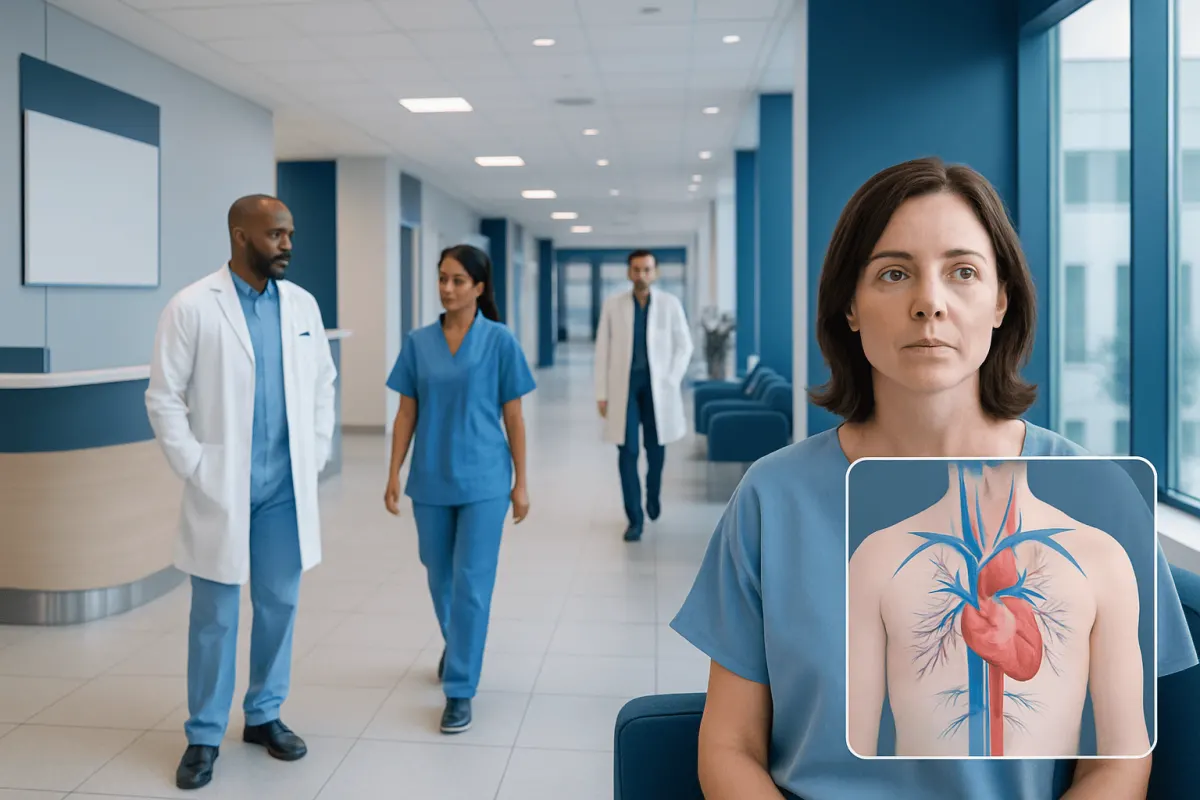
Superior vena cava syndrome happens when blood flow through the superior vena cava, a large vein returning blood from the head, neck, and upper body to the heart, becomes partially or completely blocked. It can cause facial or arm swelling, shortness of breath, and prominent veins in the neck or chest, and it should be evaluated promptly to identify the cause and guide treatment.
Overview: what superior vena cava syndrome means
Superior vena cava syndrome is a group of symptoms caused by reduced blood flow through the superior vena cava. This vein carries blood from the head, neck, chest, and arms back to the heart. When it is narrowed or blocked, blood has difficulty returning normally, so pressure builds up in the veins of the upper body.
As that pressure rises, a person may notice swelling of the face, neck, or arms, a feeling of fullness in the head, shortness of breath, or veins that look more visible across the neck or chest. Symptoms may appear gradually over days to weeks, but they can also develop more quickly depending on the cause.
Superior vena cava syndrome is not a disease by itself. It is a sign that another medical problem is affecting the vein. In adults, the most common causes are tumors in the chest, especially some lung cancers and lymphomas, although blood clots related to central venous catheters or pacemaker leads can also be responsible.
The condition can range from uncomfortable to serious. Many people remain stable while tests are arranged, but symptoms involving breathing, swallowing, or mental status need urgent assessment. Because the best treatment depends on the cause, care usually focuses both on easing symptoms and identifying what is blocking the vein.
How the blockage affects the body
A helpful way to understand superior vena cava syndrome is to think about circulation as a highway. The superior vena cava is one of the body’s main return routes to the heart. If that route narrows, traffic slows, and blood looks for smaller alternate pathways. Those backup veins can become stretched and more visible under the skin.
The speed at which the blockage develops matters. If the narrowing happens slowly, the body sometimes builds “detour” veins, called collateral veins, that partly compensate. In these cases, symptoms may be less dramatic at first. If the blockage appears quickly, there is less time for compensation, so swelling and breathing symptoms may be more noticeable.
Not everyone experiences the syndrome in the same way. Some people mainly notice puffiness around the eyes in the morning, while others have cough, hoarseness, headaches, or a heavy sensation when bending forward. Symptoms can also feel worse when lying flat because blood return from the upper body becomes even more difficult.
This pattern helps doctors distinguish superior vena cava syndrome from other causes of swelling or breathlessness. It also explains why imaging of the chest and nearby veins is central to diagnosis. In some patients, the underlying cause may be linked to lung cancer or another chest condition that requires coordinated care.
Symptoms and signs to watch for

The classic symptoms of superior vena cava syndrome involve swelling and congestion in the upper body. These changes happen because blood cannot flow normally through the vein. Symptoms may build gradually or appear over a shorter time, especially if a blood clot is involved.
Common symptoms and signs include:
- Swelling of the face, especially around the eyes
- Swelling of the neck, arms, or hands
- Shortness of breath or a feeling of chest tightness
- Cough
- Visible, enlarged veins in the neck or upper chest
- A sense of fullness in the head, headache, or dizziness
- Hoarseness
- Symptoms that worsen when bending over or lying flat
Some people also develop difficulty swallowing, bluish skin discoloration, or a feeling of pressure in the head. In severe cases, reduced blood drainage can contribute to confusion, fainting, or significant breathing difficulty. These symptoms do not always mean the condition is life-threatening, but they do mean medical evaluation should not be delayed.
Children with superior vena cava syndrome may become unwell more quickly because their airways are narrower and easier to compress. For both adults and children, new breathing problems, noisy breathing, or reduced alertness should be treated as urgent warning signs.
Causes and risk factors
In adults, most cases of superior vena cava syndrome are caused by cancer in the chest. A tumor may press on the vein from outside, grow into it, or lead to clot formation inside it. The conditions most often associated with this problem include lung cancer, especially tumors in the right upper lung, and lymphomas within the chest.
Not all causes are cancer-related. Blood clots in the superior vena cava are increasingly recognized because more people receive central venous catheters, implanted ports, dialysis lines, or pacemaker and defibrillator leads. These devices are often necessary and beneficial, but they can sometimes irritate the vein or create a setting where clots form.
Less common causes include certain infections, scar tissue in the chest, large aortic aneurysms, inflammatory conditions, or benign tumors. In rare situations, superior vena cava syndrome may follow previous radiation therapy or surgery in the chest.
Risk factors depend on the underlying cause, but they may include smoking history, known chest cancer, use of indwelling venous devices, blood clotting disorders, or prior episodes of thrombosis. When doctors suspect the syndrome, they also consider whether a person has a known diagnosis such as lymphoma or another condition that could affect the mediastinum, the central area of the chest.
How doctors diagnose superior vena cava syndrome
Diagnosis starts with a medical history and physical examination. Doctors ask when symptoms began, whether they are getting worse, and whether there is a history of cancer, catheter use, pacemaker placement, or clotting problems. On examination, they look for facial swelling, distended neck veins, chest wall veins, changes in breathing, and signs of low oxygen.
Imaging is usually the next step. A chest X-ray may show a mass or widening in the central chest, but a contrast-enhanced CT scan often provides the clearest overall picture. CT can show the site of narrowing, whether the blockage is partial or complete, and whether there is a surrounding tumor, enlarged lymph nodes, or a blood clot.
In some cases, doctors may also use ultrasound of the neck or arm veins, MRI, or venography. If a tumor is suspected and a diagnosis is not yet confirmed, a biopsy may be needed to identify the exact type of disease. This is important because treatment differs depending on whether the cause is, for example, small cell lung cancer, non-small cell lung cancer, or lymphoma.
Blood tests may help assess general health, clotting status, kidney function before contrast imaging, and readiness for treatment, but they do not diagnose the syndrome on their own. The overall goal is not only to confirm superior vena cava obstruction, but also to learn why it is happening so that treatment can be targeted effectively.
Treatment options and what care may involve
Treatment for superior vena cava syndrome depends on the cause, the severity of symptoms, and how quickly they developed. Doctors first assess whether there is an immediate threat to breathing or brain function. Supportive measures may include sitting upright, oxygen if needed, and careful monitoring while the team plans definitive treatment.
When a blood clot is the main problem, treatment may include anticoagulation and, in selected cases, catheter-based procedures to remove or dissolve the clot. If an implanted catheter or lead is contributing, the care team may decide whether it should stay in place, be replaced, or be removed. Some patients benefit from an endovascular stent, which can reopen the vein relatively quickly and improve symptoms.
If a tumor is causing the blockage, treatment usually focuses on that tumor. Depending on the diagnosis, options may include chemotherapy, radiation therapy, targeted systemic treatment, or less commonly surgery. In selected situations, interventional radiology procedures can help restore blood flow or obtain tissue samples with less invasive techniques.
Corticosteroids may be used in certain circumstances, such as some lymphomas or when airway swelling is a concern, but they are not appropriate for every patient. Because management varies by cause, many people are best cared for by a multidisciplinary team. Near the end of the care pathway, centers such as Acıbadem Health Point may coordinate diagnosis and treatment through multidisciplinary specialists in JCI-accredited hospitals for international patients.
Living with the condition: self-care, recovery, and outlook
Self-care does not replace medical treatment, but it can help reduce discomfort while evaluation and treatment are underway. Many people feel better when they keep the head elevated, avoid tight clothing around the neck or chest, and limit positions that worsen pressure in the face, such as bending far forward or lying completely flat.
It is also sensible to follow the care team’s instructions about activity, medicines, and device care if a catheter or port is present. People taking anticoagulants should use them exactly as prescribed and discuss any signs of bleeding with their doctor. New or worsening swelling, breathlessness, or chest discomfort should not be managed at home without medical advice.
The outlook depends largely on the underlying cause rather than on the vein blockage alone. Symptoms from the obstruction often improve once blood flow is restored or the tumor begins to respond to treatment. In some patients, relief is quite rapid after stenting; in others, improvement takes longer as cancer therapy or clot treatment works.
Follow-up is important because the blockage can sometimes recur, especially if the original cause remains active. Ongoing monitoring may include repeat imaging, review of symptoms, and management of the underlying disease, such as mediastinal tumor or another chest condition affecting nearby structures.
When to seek medical care
Any new combination of facial swelling, neck vein enlargement, and shortness of breath deserves prompt medical attention, especially in someone with known cancer or a central venous catheter. Even when symptoms seem mild, an evaluation is important because treatment depends on the cause and some causes need urgent care.
Urgent or emergency assessment is especially important if there is trouble breathing, noisy breathing, blue discoloration of the lips or face, confusion, fainting, severe headache, difficulty swallowing, or rapidly increasing swelling of the face or arms. These symptoms may suggest that the blockage is significantly affecting the airway, circulation, or pressure in the upper body.
People who are being treated for cancer, or who have an implanted venous device, should contact their care team promptly if symptoms appear between appointments. Early recognition can shorten the time to diagnosis and treatment. If symptoms are sudden or severe, emergency services may be the safest option.
Because superior vena cava syndrome can overlap with other serious chest conditions, self-diagnosis is not reliable. A qualified doctor can determine whether the symptoms are due to a venous blockage, infection, allergic swelling, heart or lung disease, or another cause that needs different treatment.
Frequently asked questions
01Is superior vena cava syndrome an emergency?
It can be urgent, but not every case is an immediate emergency. Symptoms such as trouble breathing, confusion, fainting, or rapid swelling need urgent medical assessment because they may indicate more severe obstruction.
02What is the most common cause of superior vena cava syndrome?
In adults, the most common cause is a tumor in the chest pressing on or invading the superior vena cava. Lung cancer and lymphoma are among the leading causes, though blood clots related to catheters or pacemaker leads are also important.
03Can superior vena cava syndrome happen without cancer?
Yes. A blood clot in the vein, especially around a central venous catheter, port, dialysis line, or pacemaker lead, can cause the syndrome. Less common non-cancer causes include scar tissue, inflammatory conditions, and certain benign growths.
04How is superior vena cava syndrome confirmed?
Doctors usually confirm it with a combination of physical examination and imaging. A contrast-enhanced CT scan is commonly used because it can show the site of blockage and the likely cause, such as a clot or a mass.
05Does treatment always require surgery?
No. Many patients are treated without surgery. Depending on the cause, treatment may involve anticoagulants, stenting, chemotherapy, radiation therapy, or management of an indwelling catheter or lead.
06Can symptoms improve quickly after treatment?
They can, especially if a stent is used to reopen the vein or if a clot is treated effectively. In cases caused by cancer, improvement may take longer and depends on how quickly the underlying tumor responds to therapy.
This article is for general information only and is not a substitute for professional medical advice. Please consult a qualified doctor about your individual situation.
Explore treatments in Turkey — costs, top hospitals & a free quote
JCI-accredited · board-certified surgeons · reply within 24h
Add us as a Preferred Source to see more of our trusted health content across Google Search, AI Overviews and Discover.
More from the Health Library

Central Venous Catheter Flush: An Evidence-Based Patient Guide
Pulmonary Embolism Treatment: Diagnosis, Outlook, and Modern Treatment Approaches