Lordosis Is a Normal Spinal Curve That Can Become Excessive

Look at yourself from the side in a mirror. Do you see an inward curve in your lower back? That curve is called lordosis — and in most cases, it’s completely normal. Your spine is supposed to curve inward at the lower back, and many people have mild lordosis without any problems at all.
Sometimes, though, the curve becomes exaggerated and needs a closer look. If you’re dealing with pain, stiffness, balance changes, or a visible shift in your posture, it may be a sign of a condition that’s worth getting checked by a doctor.
Overview: what lordosis means
Lordosis is the natural inward curve of the spine, most noticeably in the neck and lower back. In many people, this curve is normal and helps the body stay balanced, absorb shock, and move efficiently. The term is often used clinically when that inward curve becomes more pronounced than expected.
When the lower back curve is excessive, the abdomen and buttocks may appear to stick out more, and standing posture can look unusually arched. This is sometimes called swayback, although that informal term does not explain the underlying cause. Lordosis itself is not a disease; it is a spinal alignment pattern that may result from posture, body mechanics, growth, or another medical condition.
Some people with lordosis have no pain and learn about it only during a checkup. Others develop lower back discomfort, muscle fatigue, reduced flexibility, or trouble standing for long periods. The main question is not only whether the curve is visible, but whether it is causing symptoms, progressing, or linked to another spine problem.
Signs and symptoms

The most noticeable sign of lordosis is an exaggerated inward curve, usually in the lumbar spine. From the side, the lower back may appear more deeply arched than usual. Some people also notice that their head, chest, abdomen, or pelvis seem out of alignment when standing.
Symptoms vary a lot from person to person. If your lordosis is mild, you may feel nothing at all. A more pronounced curve, though, can strain the muscles and joints of your lower back — you might notice an ache, stiffness after sitting or standing, or a tight feeling in your hip flexors and lower back muscles.
If lordosis is related to another spinal condition, additional symptoms may appear. These can include muscle spasms, limited range of motion, imbalance, or nerve-related complaints such as tingling, numbness, or weakness in the legs. These don’t happen to everyone, but if you notice them, don’t ignore them — they need a careful medical evaluation.
- Visible arching of the lower back
- Back pain or muscle fatigue
- Stiffness or reduced flexibility
- Posture changes affecting the pelvis or abdomen
- Less commonly, leg numbness, tingling, or weakness
Causes and risk factors

Lordosis can develop for several reasons, and sometimes more than one factor is involved. In children, a temporary increase in the lower back curve may occur during growth and may improve naturally. In adults, common contributors include poor posture, weak abdominal or core muscles, tight hip flexors, obesity, and pregnancy, all of which can shift the body’s center of gravity and increase the lower back arch.
Structural spine conditions can also lead to lordosis. These include spondylolisthesis, in which one vertebra slips forward over another, degenerative changes in the spine, and changes that develop after spinal surgery or injury. In some cases, lordosis appears together with other spinal curves, such as scoliosis, which can affect overall balance and alignment.
Less commonly, lordosis is linked to neuromuscular disorders, congenital differences in spinal development, or conditions that affect the hips. Osteoporosis-related vertebral changes can alter posture in older adults, although those changes more often contribute to a forward curve pattern than isolated lumbar lordosis. A doctor considers age, symptoms, medical history, and physical findings to understand the most likely cause in each person.
How doctors diagnose lordosis
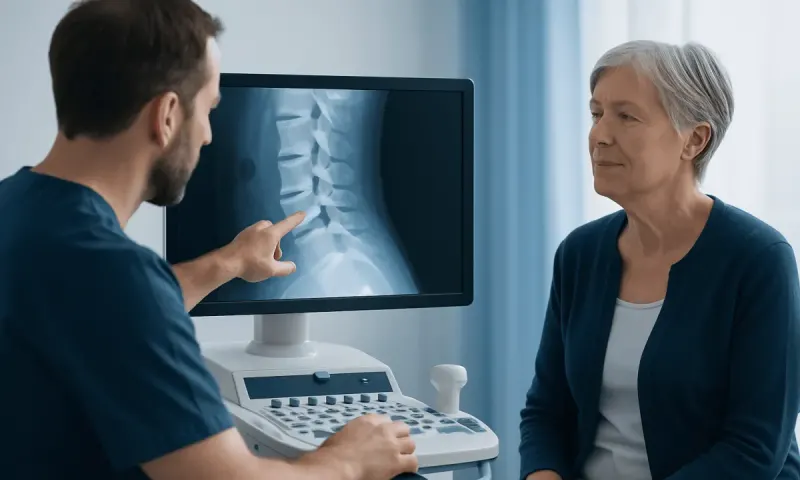
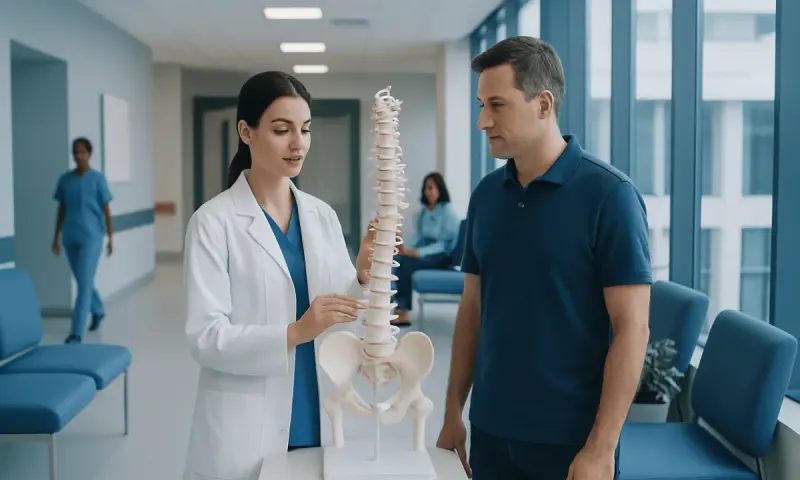
Diagnosis begins with a medical history and physical examination. A doctor usually asks about pain, posture changes, activity limits, previous injuries, and whether symptoms are getting worse. During the exam, the spine is observed from different angles, flexibility is assessed, and the doctor looks for signs of muscle imbalance, uneven posture, or nerve involvement.
If the curve appears significant or symptoms suggest an underlying problem, imaging may be recommended. X-rays are commonly used to assess spinal alignment and measure the degree of curvature. Depending on the situation, additional imaging such as MRI may help evaluate discs, nerves, or soft tissues, especially if there is leg pain, numbness, or concern about spinal cord or nerve compression.
Diagnosis is about more than confirming you have lordosis. Your doctor also wants to know: is the curve flexible or fixed? Mild or severe? Is it tied to another problem, such as vertebral slippage, degeneration, or a childhood growth issue? Answering these questions guides your treatment — and helps you avoid interventions you don’t need.
Treatment options and how care is tailored
Treatment for lordosis depends on the cause, severity of the curve, age, and whether symptoms are present. If the curve is mild and not causing problems, observation and periodic follow-up may be all that is needed. When symptoms affect daily life, treatment often starts with conservative measures designed to reduce pain, improve movement, and support better spinal mechanics.
Physical therapy is one of the most common treatments. A structured program may focus on stretching tight muscles, strengthening the core and hip muscles, improving posture, and teaching safer movement patterns. If your lordosis comes from muscle imbalance or the way you move, physical therapy and rehabilitation are often at the heart of easing symptoms and managing the condition yourself over the long term.
Doctors may also recommend weight management, activity modification, and short-term pain relief strategies when appropriate. In selected children or adolescents with progressive curvature, bracing may sometimes be considered. If lordosis is caused by a specific structural problem, treatment may target that condition directly, such as care for spondylolisthesis or evaluation by a spine surgery team when non-surgical treatment is not enough.
Surgery is not needed for most people with lordosis. It is generally reserved for severe deformity, ongoing pain that does not improve with other treatments, neurological symptoms, or significant functional limitation. Surgical planning depends on the exact spinal anatomy and the underlying diagnosis, and decisions are usually made by a multidisciplinary team.
Prevention and self-care
Not all lordosis can be prevented, especially when it is related to growth patterns, congenital differences, or structural spine disease. However, many people can reduce strain on the lower back and support healthier posture through daily habits. Regular exercise that strengthens the abdominal, back, and hip muscles helps improve spinal support and may lessen discomfort.
Stretching tight muscle groups, especially the hip flexors and hamstrings, may also help improve pelvic position and movement. Paying attention to posture while sitting, standing, lifting, and using screens can reduce unnecessary stress on the lower back. Supportive footwear and an ergonomic work setup may also be helpful for some individuals.
Maintaining a healthy weight can lower the mechanical load on the spine. During pregnancy, gentle exercise, posture awareness, and advice from a qualified clinician can help manage back strain. Self-care works best when a professional guides you — someone who can tell whether your curve is mainly postural, muscular, or structural.
- Stay physically active with core and hip strengthening
- Stretch regularly to improve flexibility
- Use good posture and safe lifting techniques
- Maintain a healthy weight when possible
- Seek professional guidance if pain persists or posture changes are increasing
When to seek medical care
See a doctor if the curve seems to be getting bigger, if your back pain keeps coming back, or if posture changes are affecting your comfort or confidence. This matters even more for children and adolescents — their spines are still growing, and some curvature patterns need monitoring over time.
Get medical attention quickly if lordosis comes with numbness, weakness, loss of balance, severe pain, bladder or bowel changes, fever, or symptoms after a significant injury. These can point to nerve compression or another condition that needs prompt investigation.
Because lordosis can overlap with other spinal disorders, specialist input may be useful when symptoms are persistent or the diagnosis is uncertain. Near the end of the care pathway, patients may benefit from multidisciplinary assessment by orthopedics, rehabilitation, and imaging specialists. Acıbadem Health Point’s multidisciplinary specialists and JCI-accredited hospitals diagnose and treat spine conditions for international patients, including those who may need orthopedic evaluation or advanced spine care.
Frequently asked questions
01Is lordosis always a problem?
No. A certain amount of inward spinal curve is normal and helps with balance and shock absorption. Lordosis becomes a concern mainly when the curve is excessive, causes symptoms, or is linked to another spinal or neuromuscular condition.
02Can lordosis cause back pain?
Yes, it can. An exaggerated curve may increase strain on the joints, ligaments, and muscles of the lower back, which can lead to aching, stiffness, or muscle fatigue. However, not everyone with lordosis has pain.
03Does lordosis go away with exercise?
Exercise can help many people, especially when lordosis is related to posture, weak core muscles, or muscle tightness. It may reduce symptoms and improve alignment, but it does not correct every type of lordosis. Structural or severe cases may need additional medical treatment.
04How is lordosis different from scoliosis?
Lordosis is an exaggerated inward curve seen from the side, usually in the lower back. Scoliosis is a sideways curvature of the spine seen from the front or back. A person can have one condition or both at the same time.
05Do children with lordosis need treatment?
Not always. Some children have mild curvature that causes no symptoms and simply needs monitoring as they grow. Treatment is considered if the curve is severe, progressing, painful, or related to another spinal or neuromuscular condition.
06When is surgery considered for lordosis?
Surgery is usually reserved for severe or complicated cases. Doctors may consider it when there is significant deformity, ongoing pain despite conservative treatment, nerve-related symptoms, or major limits in function and mobility.
This article is for general information only and is not a substitute for professional medical advice. Please consult a qualified doctor about your individual situation.
Joint and spine care in Turkey — expert assessment & treatment
JCI-accredited · board-certified surgeons · reply within 24h
Add us as a Preferred Source to see more of our trusted health content across Google Search, AI Overviews and Discover.