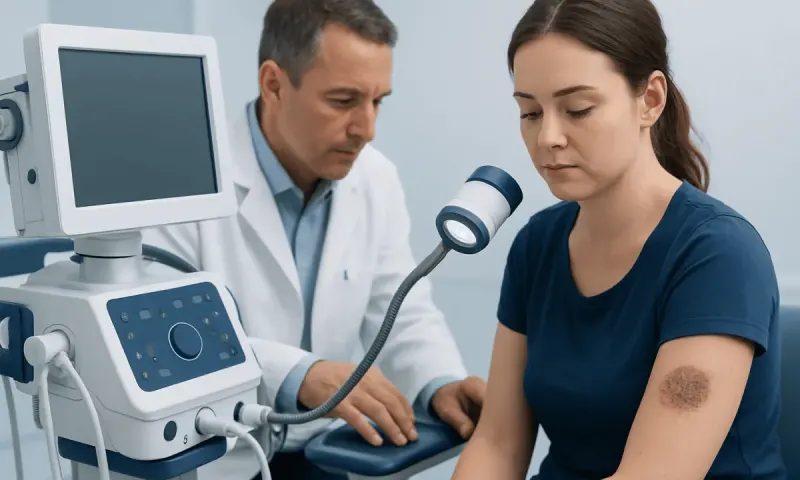
Lichenoid Dermatitis Is a Rash Pattern, Not One Disease

You notice a patch of small, flat-topped bumps on your wrist. They itch. They are purple, or brown, or just a shade darker than the skin around them — and weeks later, even after the itch fades, the mark is still there.
That pattern has a name: lichenoid dermatitis. But it is not one disease. It is a description doctors use when the skin looks and behaves in a particular way, and that way can be linked to conditions such as lichen planus, medication reactions, contact triggers, or other inflammatory skin problems.
Overview: what lichenoid dermatitis means
Lichenoid dermatitis is a term used to describe a specific pattern of inflammation in the skin. For patients, this usually means a rash made up of small, flat-topped, sometimes shiny bumps or patches that may itch and leave behind darker or lighter marks after they settle. The term can sound very specific, but it does not always point to one single illness.
Doctors say “lichenoid” to describe how the skin looks in the clinic and, in many cases, how the inflammation appears under the microscope. This pattern may be seen in conditions such as lichen planus, in reactions to certain medicines, and in some contact or immune-related skin disorders. So the goal is two-fold: calm the rash, and find out what set it off.
Lichenoid dermatitis is usually not dangerous, but it can be uncomfortable, persistent, and frustrating. Itching may disturb sleep, visible patches can affect confidence, and ongoing inflammation may cause changes in skin color that last for weeks or months. A careful evaluation by a dermatologist helps guide the right treatment and reduces the chance of unnecessary worry.
How it may look and feel
The appearance of lichenoid dermatitis can vary from person to person. Many people notice small raised spots or plaques that are purple, pink, red-brown, or skin-colored depending on skin tone. These areas may feel dry, rough, or slightly scaly, and they often develop on the wrists, ankles, lower legs, trunk, or forearms, although they can appear almost anywhere.
Itching is one of the most common symptoms, but not everyone has severe itch. Some patients describe burning, tenderness, or irritation instead. As the rash heals, it may leave post-inflammatory hyperpigmentation or lighter patches, especially in people with medium to darker skin tones. These color changes can last longer than the active rash itself.
In some cases, the lichenoid pattern affects places beyond the skin. The mouth may develop sore white patches or sensitive areas, and nails may become ridged, thin, or fragile. Plenty of other conditions produce a similar-looking rash, so appearance alone is not enough to name the cause.
- Itchy, flat-topped bumps or patches
- Red, violet, brown, or gray discoloration depending on skin tone
- Dryness, fine scale, or rough texture
- Persistent marks after the rash improves
- Occasional involvement of the mouth, nails, or genital skin
Causes and risk factors

Lichenoid dermatitis happens when inflammation targets the junction between the outer skin layer and the deeper layer beneath it. This can occur for several reasons. One well-known cause is lichen planus, an inflammatory condition linked to immune system activity. In other people, the rash is triggered by a medicine, producing what doctors may call a lichenoid drug eruption.
Medications that have been associated with lichenoid reactions include some blood pressure medicines, anti-inflammatory drugs, antimalarials, certain diabetes medicines, and a range of other prescription treatments. Please do not stop any of these on your own. If a drug reaction is suspected, the prescribing doctor and dermatologist usually review the timing, benefits, alternatives, and safest next steps together.
Other possible contributors include contact with metals, dyes, or chemicals; chronic irritation; and less commonly, underlying autoimmune or inflammatory disorders. Risk can be influenced by age, personal immune sensitivity, and exposure to triggering medicines or substances. Sometimes, even after a full assessment, no clear trigger is found.
Lichenoid dermatitis is not usually contagious. It is also not a sign of poor hygiene. That is worth hearing if you feel self-conscious about a visible rash, or you have been worrying about passing it to your family.
How doctors diagnose lichenoid dermatitis
Diagnosis begins with a detailed skin examination and a careful medical history. A dermatologist will usually ask when the rash started, whether it itches or burns, where it first appeared, and whether any new medicines, supplements, or skin products were started in the weeks or months before it developed. Photos showing how the rash changed over time can also be helpful.
Because lichenoid dermatitis is a pattern rather than a single disease, diagnosis often involves looking for clues to the underlying cause. The doctor may ask about mouth sores, nail changes, autoimmune conditions, metal exposure, and family history. In some cases, patch testing or blood tests may be considered if contact allergy or another associated condition is suspected.
A skin biopsy is often the most useful test when the diagnosis is unclear or the rash is persistent. This involves taking a very small sample of skin under local anesthetic so it can be examined under a microscope. A biopsy can help distinguish lichenoid dermatitis from eczema, psoriasis, drug eruptions, and other inflammatory rashes, and may help guide specialist dermatology care.
Treatment options and symptom relief
Treatment depends on the cause, the severity of symptoms, and which areas are affected. In many patients, the first step is reducing inflammation and relieving itch. Doctors commonly use topical corticosteroids for limited areas and non-steroid anti-inflammatory creams in suitable cases, especially for delicate skin or where longer-term control is needed.
If a medicine is suspected as the trigger, doctors review whether it can be changed or stopped safely. This decision should always be made with medical guidance, because the original medicine may be important for heart health, blood pressure, diabetes, or another ongoing condition. When the trigger is removed, the rash may improve gradually rather than immediately.
More widespread or stubborn disease may require additional treatment such as light-based therapy or oral medicines that calm immune activity. People with mouth or nail involvement may need more targeted care, and severe cases may benefit from input across dermatology and, when relevant, allergy and immunology specialists. If doctors believe the rash is closely related to eczema or Skin Barrier Care" class="ahp-ilk">atopic dermatitis or another overlapping skin condition, treatment is adjusted accordingly.
What you do at home matters too, alongside the prescription. Bland moisturizers, fragrance-free cleansers, loose clothing, and avoiding scratching can all reduce irritation. For some patients, managing discomfort and protecting the skin barrier are just as important as the anti-inflammatory medicine itself.
Self-care, prevention, and everyday management
There is not always a way to prevent lichenoid dermatitis completely, especially if it is related to an internal immune process. However, gentle skin care and awareness of triggers can reduce flares and improve comfort. Patients are usually advised to keep the skin moisturized, avoid harsh scrubs and fragranced products, and protect sensitive areas from friction.
If a trigger has been identified, prevention focuses on avoiding it where possible. This may mean changing a skin product, minimizing contact with a specific chemical or metal, or working with a doctor to replace a medicine that appears to be causing the reaction. It is helpful to keep a list of medicines and note when skin changes begin, as this can make future assessments easier.
Scratching tends to worsen inflammation and may increase the risk of thickening, broken skin, or longer-lasting discoloration. Short nails, cool compresses, and regular moisturizers may help control the urge to scratch. Sun protection is also useful, because inflamed skin can develop more noticeable color changes after sun exposure.
People living with a chronic rash sometimes feel frustrated or embarrassed, particularly when symptoms are visible or recurrent. Reassurance, consistent treatment, and follow-up with a qualified clinician can make a meaningful difference. Some patients whose pigment changes linger ask whether dermatology services can help with recovery planning and ongoing skin monitoring.
When to seek medical care
Medical assessment is a good idea if a new rash lasts more than a few weeks, spreads, becomes very itchy, or does not improve with simple skin care. A doctor should also review the rash if it appears soon after starting a new medication, because identifying a possible drug-related cause early can help guide safer treatment decisions.
More prompt attention is important if there are painful sores in the mouth, genital symptoms, nail changes, signs of skin infection, or significant discomfort that affects sleep and daily life. Lichenoid dermatitis is usually manageable, but other skin conditions can look just like it — so a rash that persists or looks unusual deserves a proper diagnosis, not just self-treatment.
People who already have complex skin disease may benefit from specialist review, especially if the diagnosis is uncertain or symptoms keep returning. Acıbadem Health Point’s multidisciplinary specialists and JCI-accredited hospitals diagnose and treat skin conditions for international patients, including cases needing coordinated dermatology assessment.
Frequently asked questions
01Is lichenoid dermatitis the same as lichen planus?
Not exactly. Lichenoid dermatitis describes a pattern of skin inflammation, while lichen planus is one specific condition that can produce that pattern. In other words, lichen planus may be a cause of lichenoid dermatitis, but not every lichenoid rash is lichen planus.
02Can medicines cause lichenoid dermatitis?
Yes, some medicines can trigger a lichenoid drug eruption. The rash may appear weeks or even months after starting a medication, which can make the connection less obvious. A doctor should review medicines carefully before any changes are made.
03Is lichenoid dermatitis contagious?
No, lichenoid dermatitis is usually not contagious. It does not spread from person to person through touch, shared clothing, or normal daily contact. This is true even when the rash looks very noticeable.
04Will lichenoid dermatitis go away on its own?
Some cases improve gradually, especially if a trigger is identified and removed. Others can persist or recur and may need prescription treatment to control inflammation and itching. Follow-up is important when symptoms are ongoing or affecting sensitive areas.
05Does lichenoid dermatitis leave marks on the skin?
It can. After the active inflammation settles, darker or lighter areas may remain for some time, particularly in people with darker skin tones. These changes often fade slowly, but they may last longer than the rash itself.
06How is lichenoid dermatitis confirmed?
Doctors often make an initial assessment based on the appearance of the rash and the medical history. When the diagnosis is uncertain, a skin biopsy can help confirm the lichenoid pattern and rule out other conditions. Additional tests may be used if a medicine reaction or related condition is suspected.
This article is for general information only and is not a substitute for professional medical advice. Please consult a qualified doctor about your individual situation.
Explore treatments in Turkey — costs, top hospitals & a free quote
JCI-accredited · board-certified surgeons · reply within 24h
Add us as a Preferred Source to see more of our trusted health content across Google Search, AI Overviews and Discover.