Unbearable Tooth Pain What to Do at Home: Causes, Relief and When to Worry

Key Takeaways
- Home care can ease pain briefly, but it does not treat the underlying dental problem.
- Rinsing with warm salt water, using a cold compress, and avoiding very hot, cold, or sugary foods may help.
- Severe tooth pain can come from decay, infection, a cracked tooth, gum disease, or impacted teeth.
- Swelling, fever, trouble swallowing, or facial spread of pain needs prompt professional care.
- A dentist can identify the cause and provide treatment that prevents the pain from returning.
Unbearable tooth pain is often a sign that the tooth, gum, or surrounding tissues need professional assessment, but a few safe home steps may help ease discomfort while arranging care. This article explains common causes, temporary relief measures, and the warning signs that should prompt urgent dental attention.
Overview
When someone searches for unbearable tooth pain what to do at home, the most useful answer is usually this: use gentle, safe measures to calm the pain for a short time, then arrange a dental assessment as soon as possible. Severe tooth pain is rarely something to ignore, because the source is often a problem that needs treatment rather than waiting.
Tooth pain can come on suddenly, worsen at night, or feel sharp, throbbing, or constant. It may be linked to a cavity, an irritated nerve, a cracked tooth, an infection, or gum inflammation. Even when the pain settles temporarily, the underlying cause may still be present.
Home care is mainly about comfort and protection. The goal is to avoid making the problem worse, reduce irritation, and get the person through the next hours safely until a dentist can evaluate the tooth and surrounding tissues.
Symptoms
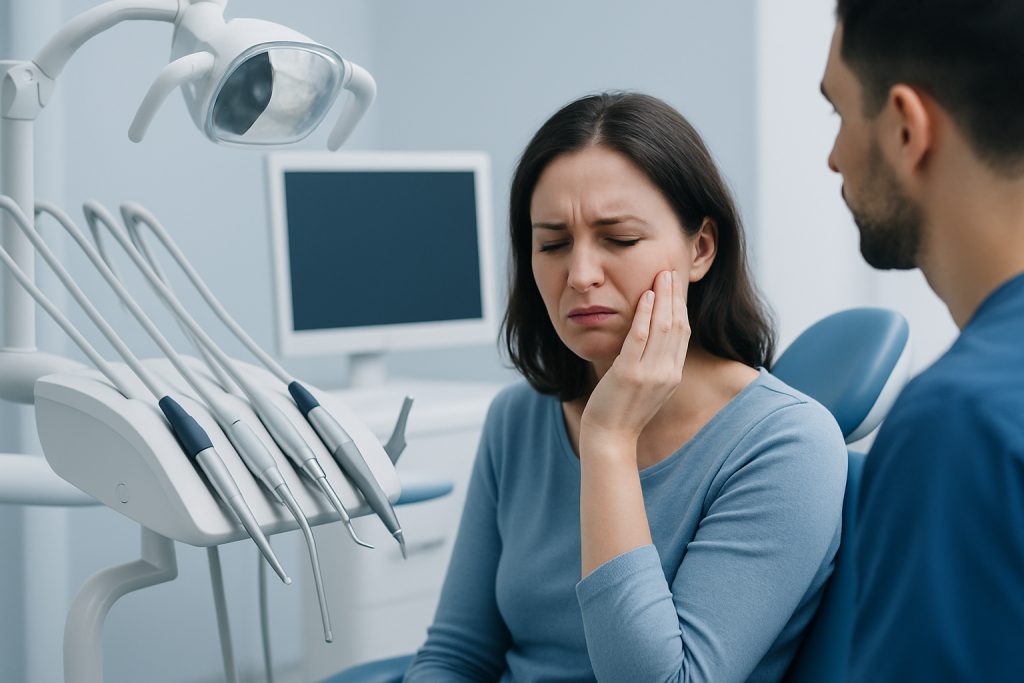
Severe tooth pain does not always feel the same from person to person. Some people notice a deep, throbbing ache, while others feel a sharp sting when they bite, drink something cold, or breathe in air. The pain may stay in one tooth, or it may seem to spread to the jaw, ear, temple, or cheek.
Other signs can help show whether the problem is becoming more urgent. These may include swelling of the gum or face, a bad taste in the mouth, bleeding gums, sensitivity that lingers after hot or cold food, or pain when chewing. If a tooth has been injured, it may look chipped, loose, or discolored.
Some symptoms suggest that the issue is moving beyond simple discomfort and needs prompt attention. Fever, facial swelling, difficulty opening the mouth, or trouble swallowing are not typical of mild tooth sensitivity and should be taken seriously.
Causes & Risk Factors

Unbearable tooth pain is often caused by a problem inside the tooth or in the tissues around it. Tooth decay is one of the most common reasons, especially when a cavity reaches the inner layer where the nerve sits. A cracked tooth, worn filling, or leaking crown can also expose sensitive areas and create severe pain.
Infection is another major possibility. An abscess or infected gum pocket may cause pressure, throbbing pain, swelling, and tenderness. Wisdom teeth that do not erupt normally can irritate nearby gums or push against other teeth, creating a painful flare-up.
Several factors can make dental pain more likely or more intense:
- Poor oral hygiene or missed dental checkups
- Frequent sugary snacks or drinks
- Teeth grinding or clenching
- Past dental work that has become damaged
- Smoking, which can affect gum health
- Dry mouth, which reduces natural protection against decay
For international patients planning care from abroad, it is helpful to know that a severe toothache often needs both a diagnosis and a procedure. That may mean a filling, root canal treatment, drainage of an infection, or removal of a problematic tooth, depending on the cause.
Diagnosis
A dentist usually begins by asking when the pain started, what makes it better or worse, and whether there has been any swelling, fever, trauma, or sensitivity. This history can point toward decay, nerve inflammation, infection, gum disease, or a crack that is difficult to see at first glance.
The dental examination often includes looking closely at the tooth and gums, tapping the tooth gently, checking the bite, and testing for sensitivity to temperature or pressure. X-rays are commonly used to identify decay between teeth, infection at the root, bone loss, or problems hidden below the surface.
Because several conditions can feel similar from the outside, a careful diagnosis matters. A tooth that hurts only when chewing may need a different approach from one that aches constantly or one that causes facial swelling. Correct identification helps avoid temporary fixes that do not address the real cause.
Treatment Options
Treatment depends on what is causing the pain. If the tooth has a cavity, the dentist may remove the decayed area and restore the tooth with a filling. If the nerve is inflamed or infected, root canal treatment may be needed to save the tooth and remove the source of pain.
When infection has spread into the surrounding tissue, the dentist may need to drain the area and treat the underlying cause. In some situations, especially when a tooth is badly damaged or cannot be saved, extraction may be the safest option. For gum-related pain, treatment may involve cleaning under the gum line and improving daily oral care.
At-home measures can support comfort while waiting for care, but they are not a substitute for treatment. Safe temporary steps may include:
- Rinsing gently with warm salt water
- Using a cold compress on the outside of the cheek
- Avoiding chewing on the painful side
- Choosing soft, lukewarm foods
- Keeping the mouth clean with gentle brushing and flossing
It is important not to place aspirin directly on the gum or tooth, since this can irritate or burn the tissue. If pain relief medicine is being considered, it should be used only according to the label and with a doctor’s or pharmacist’s guidance, especially for anyone who is pregnant, has stomach ulcers, kidney disease, blood-thinning treatment, or other medical conditions.
Prevention & Self-care
Once the immediate pain is addressed, prevention focuses on reducing the chance of another episode. Regular brushing with fluoride toothpaste, daily flossing, and routine dental visits remain the most reliable ways to lower the risk of decay and gum disease. A mouthguard may help if teeth grinding is part of the problem.
Self-care also means noticing small changes early. A tooth that becomes sensitive to cold, a filling that feels loose, or a gum area that bleeds repeatedly should be checked before it develops into a severe flare-up. Early treatment is usually simpler and more comfortable than waiting until pain becomes intense.
Practical habits can make a difference:
- Limit sugary drinks and frequent snacking
- Drink water regularly, especially if the mouth feels dry
- Replace a worn toothbrush on schedule
- Use dental floss or interdental brushes daily
- Keep up follow-up care after procedures such as fillings, crowns, or root canal treatment
For people traveling for treatment, planning follow-up matters. A dentist may want to review healing after a procedure, and it helps to arrange that before returning home so the recovery plan is clear.
When to See a Doctor
Severe tooth pain should be evaluated by a dentist as soon as possible, especially if it lasts more than a day or interferes with eating, sleeping, or concentrating. Pain that keeps coming back usually means the source has not been resolved.
Urgent care is especially important if there is facial swelling, fever, pus, a foul taste, trouble opening the mouth, or difficulty swallowing. These symptoms can indicate spreading infection and should not be managed only at home.
Anyone with a broken tooth, a knocked-out tooth, or pain after an injury should also seek prompt dental advice. A fast response can sometimes save the tooth or prevent complications. Acibadem Health Point’s multidisciplinary specialists and JCI-accredited hospitals diagnose and treat dental conditions for international patients, which can be helpful when coordinated care and follow-up are needed across borders.
In short, home remedies are for temporary relief, not for replacing diagnosis. If the pain is unbearable, persistent, or accompanied by swelling, the safest next step is professional dental care.
Living With and Recovering From Tooth Pain
Recovery depends on the cause and the treatment chosen. After a filling, root canal treatment, extraction, or gum procedure, the discomfort usually improves gradually as the area heals. The dentist will typically explain what to expect, what to eat, and how to keep the area clean without disturbing it.
During recovery, it helps to follow instructions carefully and return for any scheduled review. If pain becomes stronger instead of better, or if new swelling develops, that can mean the area needs reassessment. Good communication with the dental team is especially useful for patients returning to another country, because healing timelines and follow-up plans should be clear before travel.
Most importantly, repeated tooth pain should be treated as a signal rather than a nuisance. Once the source is found and addressed, daily eating, sleeping, and speaking become much easier again.
Related Questions People Ask
People often want to know whether a severe toothache can simply go away on its own. Sometimes the pain seems to improve for a short time, but that does not necessarily mean the problem has resolved; in some cases, the nerve may be worsening or infection may be progressing quietly.
Others ask whether cold or warm compresses are better. A cold compress is usually preferred for facial swelling or throbbing pain, while heat can sometimes make inflammation feel worse. Gentle salt-water rinses can also be soothing, but they should be used carefully and not aggressively swished if the mouth is very tender.
If the pain is coming from a wisdom tooth or a cracked tooth, only a dentist can determine whether the tooth can be saved, needs treatment, or should be removed. That is why an examination is more valuable than trying multiple home remedies for several days.
Frequently asked questions
01What should someone do first for unbearable tooth pain at home?
The first step is to rinse gently with warm salt water, avoid chewing on the painful side, and use a cold compress on the cheek if there is swelling. Keeping the area clean and choosing soft, lukewarm foods may help the person stay comfortable until dental care is arranged. Home measures should be temporary, because severe tooth pain usually has an underlying cause that needs treatment.
02Is it safe to put aspirin on a sore tooth?
No, aspirin should not be placed directly on the tooth or gums. It can irritate or burn the soft tissues in the mouth. If pain relief medicine is being considered, the person should follow the label and speak with a doctor or pharmacist if they have health conditions or take regular medicines.
03When is tooth pain an emergency?
Tooth pain becomes more urgent when it is paired with facial swelling, fever, pus, difficulty swallowing, or trouble opening the mouth. Pain after an injury, a knocked-out tooth, or rapidly worsening symptoms also needs prompt assessment. These signs may point to infection or trauma that should not wait.
04Can home care replace a root canal or extraction?
No, home care cannot replace dental treatment when a tooth is badly infected or structurally damaged. It may only help with short-term comfort while the person arranges care. A dentist will decide whether the tooth can be saved with root canal treatment or whether removal is the better option.
This article is for general information only and is not a substitute for professional medical advice. Please consult a qualified doctor about your individual situation.
Explore treatments in Turkey — costs, top hospitals & a free quote
JCI-accredited · board-certified surgeons · reply within 24h
Add us as a Preferred Source to see more of our trusted health content across Google Search, AI Overviews and Discover.