Pain on Left Side of Back by Ribs: Causes, Relief and When to Worry

Key Takeaways
- Pain on the left side of the back by ribs is often musculoskeletal, but internal organs can also be involved.
- Pain that comes with fever, nausea, breathing problems, urinary changes, or chest discomfort deserves medical attention.
- A careful history and exam are usually the first steps; some people may need urine tests, blood tests, or imaging.
- Simple measures such as rest, posture changes, heat, and gentle movement may help mild strain-related pain.
- Severe, persistent, or unexplained pain should not be ignored, especially after injury or with new digestive symptoms.
Pain on the left side of the back by the ribs can have many causes, from muscle strain and rib irritation to digestive, kidney, or lung conditions. The pattern of pain, any related symptoms, and how it started usually help guide what is most likely and whether medical evaluation is needed.
Overview
Pain on the left side of the back by the ribs is a symptom, not a diagnosis. It can begin suddenly after lifting, twisting, coughing, or exercise, or it can appear more gradually and feel deep, sharp, dull, or achy. In many people, the source is a strained muscle or irritated rib joint; in others, the pain reflects a problem involving the stomach, colon, kidney, spleen, or even the lungs.
The location matters because the left lower ribs sit close to several structures. Pain that stays near the surface and changes with movement is often different from pain that feels internal, constant, or linked to meals, urination, fever, or breathing. Understanding these patterns is especially useful for international patients deciding whether to seek care while travelling or after returning home, because the timing of evaluation can influence both comfort and safety.
Although the symptom is common, it should be taken seriously when it is severe, recurrent, or paired with other changes. A calm, structured assessment usually reveals the likely cause and helps determine whether self-care is enough or medical review is the better next step.
Symptoms
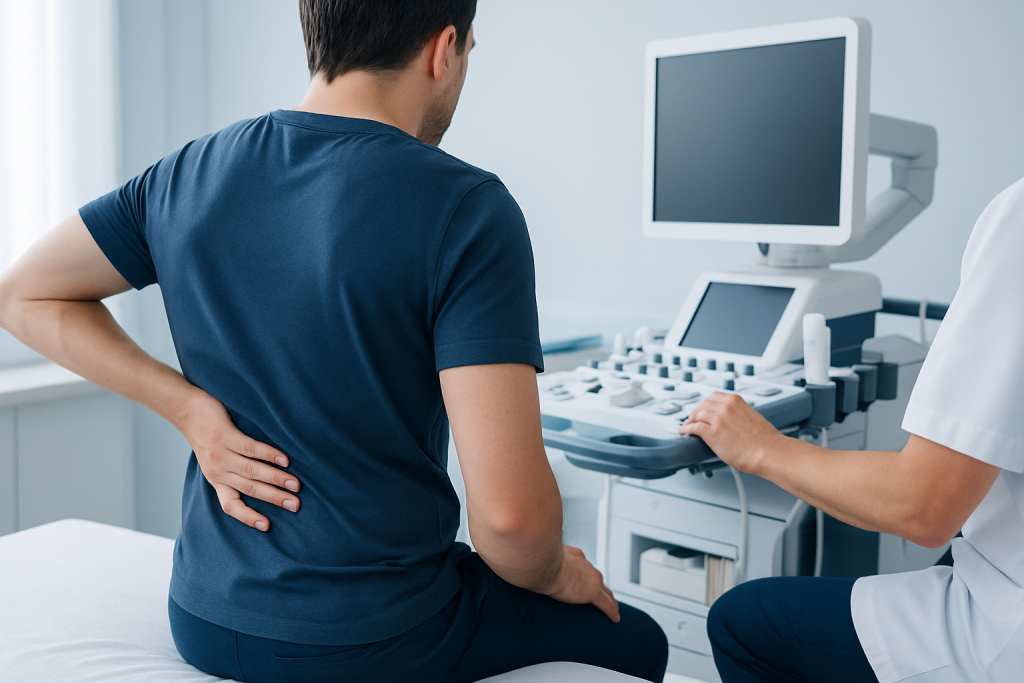
The feeling itself can vary widely. Some people describe a pinpoint pain along the rib line, while others notice a broader ache under or behind the left ribs. The discomfort may worsen with bending, turning, coughing, deep breaths, pressing on the area, or getting in and out of bed.
Clues from nearby symptoms often help narrow the possibilities. Digestive causes may bring bloating, nausea, vomiting, indigestion, constipation, or pain related to eating. Kidney-related pain may be felt in the flank and may come with urinary burning, frequency, blood in the urine, or fever. Pain linked to the lungs may be sharper with breathing and may occur with cough, shortness of breath, or chest tightness.
- Muscle or rib pain: tenderness to touch, movement-related pain, recent overuse or injury
- Digestive pain: bloating, reflux, nausea, bowel changes, pain after meals
- Kidney pain: flank discomfort, urinary symptoms, fever, nausea
- Lung or pleural pain: pain with breathing, cough, fever, breathlessness
It is also important to notice what is not present. Pain without swelling, rash, fever, urinary changes, or breathing symptoms is more likely to be mechanical, but persistent pain still deserves attention if it does not improve.
Causes & Risk Factors

Muscle strain is one of the most frequent reasons for left-sided back pain near the ribs. It can follow heavy lifting, poor posture, repetitive movements, prolonged sitting, or an awkward sleep position. Intercostal muscle strain, which affects the muscles between the ribs, often hurts more when breathing deeply, coughing, or twisting.
Rib and spine issues can also contribute. A bruised rib, minor rib joint irritation, thoracic spine stiffness, or inflammation around the cartilage can create pain that feels localized and movement-related. In some people, shingles begins as burning or tingling pain before a rash appears, which can make the early phase confusing.
Not all causes are external or musculoskeletal. Digestive conditions such as gas trapping, constipation, gastritis, reflux, pancreatitis, or inflammation of the colon can produce discomfort that is felt under the left ribs or in the back. Kidney stones or kidney infection may cause one-sided flank pain, sometimes with urinary symptoms. Less commonly, problems affecting the spleen, lungs, or heart can also be felt in this region and should not be overlooked.
Risk factors depend on the cause, but they often include recent physical strain, dehydration, urinary infection, smoking, chronic cough, known digestive disease, prior injury, or a history of shingles. The context matters: travel, long flights, changes in routine, and delayed access to care can sometimes make symptoms feel more difficult to interpret.
Diagnosis
Diagnosis begins with a detailed conversation about how the pain started, where it is felt, what makes it better or worse, and whether other symptoms are present. A clinician may ask about movement, meals, bowel habits, urinary changes, fever, cough, injury, and any past digestive, kidney, or lung conditions. This history often provides the strongest clues.
A physical examination helps determine whether the pain is reproducible with pressure or movement, whether there is tenderness over the ribs or spine, and whether there are signs that point to internal causes. Depending on the findings, the clinician may recommend urine testing, blood tests, chest imaging, abdominal imaging, or other studies to look for inflammation, infection, stones, or other underlying problems.
In some situations, symptoms can overlap. For example, upper abdominal discomfort may be felt in the back, and kidney pain may seem close to rib pain. Because of that overlap, the goal is not to guess from location alone, but to match the pain pattern with the rest of the clinical picture.
Treatment Options
Treatment depends on the cause rather than the location alone. When the pain is due to muscle strain or minor rib irritation, rest from the triggering activity, gentle movement, posture changes, and local heat may be useful. Some people also find that avoiding prolonged twisting or heavy lifting for a short time helps the area settle.
If the pain is related to a digestive problem, treatment may focus on the specific issue, such as easing constipation, reducing reflux triggers, treating inflammation, or addressing gallbladder or pancreatic disease when present. Kidney infections, kidney stones, or lung-related causes require targeted medical care, and some conditions may need prescription medicine, fluids, or procedures. It is important not to assume that over-the-counter pain relief alone is enough when the cause is uncertain.
For persistent pain, clinicians may combine several approaches: pain control, activity modification, physical therapy, and follow-up if symptoms do not improve as expected. People traveling for care sometimes benefit from a coordinated plan that includes diagnosis, treatment, and a clear follow-up strategy before returning home. Acibadem Health Point’s multidisciplinary specialists and JCI-accredited hospitals diagnose and treat this condition for international patients, which can help support continuity of care across visits.
Prevention & Self-care
When the cause is likely muscular, prevention focuses on reducing strain and protecting the rib and back area. Good lifting technique, regular movement breaks during long sitting periods, and attention to posture can reduce recurring irritation. Gentle stretching and gradual return to activity are often better than complete inactivity once serious causes have been ruled out.
Digestive health habits may also make a difference when the pain is related to the gastrointestinal tract. Regular hydration, balanced meals, and avoiding foods that reliably trigger bloating or reflux can help some people. Constipation should be addressed early, because abdominal pressure and bowel discomfort can be felt in the left upper abdomen and back.
- Keep track of when the pain appears and what worsens it
- Use heat for short periods if the area feels tight or muscular
- Avoid heavy lifting until the pain improves
- Stay hydrated, especially if urinary or digestive symptoms are present
- Seek evaluation if the pain keeps returning or changes pattern
Self-care is most appropriate when symptoms are mild, clearly linked to movement, and improving. If the pain is unexplained or not getting better, a medical review is the safer choice than extending home treatment indefinitely.
When to See a Doctor
Medical evaluation is recommended if the pain is severe, lasts more than a few days without improvement, or keeps coming back. It is also wise to seek care sooner if the pain followed an injury, a fall, or forceful coughing, because rib injury or deeper trauma may need assessment.
Urgent review is appropriate when left back rib pain occurs with shortness of breath, chest pressure, fainting, high fever, vomiting that prevents fluids, blood in the urine, black or bloody stools, a new rash, or significant abdominal swelling. Pain that feels very different from a usual muscle ache should not be brushed aside, even if it seems to move around.
People with diabetes, immune suppression, pregnancy, known kidney disease, prior gallbladder or pancreatic problems, or a history of significant lung or heart disease should be assessed earlier if symptoms are new or unclear. When in doubt, a clinician can help decide whether the pain is likely minor or whether testing is needed to rule out more important causes.
Living With and Monitoring the Pain
For many people, the most useful step is careful observation. Keeping notes about the exact location, pain quality, duration, and triggers can make the medical visit more productive, especially if symptoms come and go. This is particularly helpful for international patients who may need to explain a brief but important symptom history across different healthcare systems.
If the pain improves with rest and returns only with specific movements, a mechanical cause becomes more likely. If it begins to involve meals, urination, fever, breathing, or bowel changes, the picture shifts and should be reassessed. A symptom that starts as minor can still be worth reviewing if it changes in character.
The aim is not to become overly cautious about every ache, but to respond appropriately to patterns that do not fit a simple strain. Clear follow-up is often the safest way to prevent a small issue from becoming a larger one.
Why the Left Side Can Feel So Confusing
The left side of the back by the ribs is an overlap zone. Muscles, ribs, spine joints, the lower lung, stomach, colon, kidney, and spleen can all send pain to a nearby area, which is why two very different conditions may feel similar at first. That overlap is one reason clinicians place so much value on the story around the pain rather than the site alone.
For patients, this can feel frustrating because the symptom does not always point clearly to one cause. The reassuring part is that a structured exam usually sorts out the most likely source and identifies who needs simple care and who needs more testing. With the right evaluation, most people can move from uncertainty to a practical plan.
When symptoms are lingering, unexplained, or interfering with travel, sleep, or normal activity, it is reasonable to ask for a proper assessment rather than waiting for the pain to “announce itself.” That approach is both careful and efficient.
Frequently Overlooked Causes
Some less obvious conditions can begin with left-sided rib or back pain. Early shingles may cause burning pain before the skin changes appear. A lower lung infection or irritation of the lining around the lung can also create pain that is worse with breathing and may not initially seem like a respiratory problem.
Inflammation in the upper digestive tract, pancreatitis, or problems in the splenic flexure of the colon may also be felt in the back near the ribs. These conditions often bring additional clues such as nausea, fever, bowel changes, or pain after meals, but the overlap can still be subtle.
Because several conditions can look alike in the beginning, persistent pain deserves a thoughtful review if it is not behaving like a simple strain. The goal is to identify the source early enough to treat it properly, while avoiding unnecessary alarm.
Frequently asked questions
01Is pain on the left side of the back by the ribs usually serious?
Not always. It is often caused by a muscle strain or rib irritation, especially if it worsens with movement or pressing on the area. It becomes more concerning when it is severe, persistent, or comes with fever, breathing problems, urinary symptoms, or digestive changes.
02How can someone tell if the pain is muscular or internal?
Muscular pain is more likely to change with twisting, lifting, coughing, or touch. Internal causes are more likely when the pain is linked to meals, urination, fever, nausea, bowel changes, or shortness of breath.
03Can gas or constipation cause pain under the left ribs in the back?
Yes, digestive discomfort can sometimes be felt in the left upper abdomen and back. Bloating, constipation, or trapped gas may create an aching or pressure-like pain, although persistent symptoms should still be assessed if they do not improve.
04Could kidney stones cause pain on the left side of the back by the ribs?
Yes. Kidney stones and kidney infections can cause flank pain that may be felt near the ribs, often along with urinary symptoms, nausea, or fever. These symptoms usually need medical evaluation.
05What self-care can help if the pain seems mild and muscular?
Rest from the trigger, gentle movement, posture correction, and short periods of heat may help. If the pain is not improving, or if new symptoms appear, it is better to get checked rather than continue self-treating.
06When should someone seek urgent care?
Urgent care is appropriate for shortness of breath, chest pressure, fainting, high fever, vomiting, blood in the urine or stool, or pain after a significant injury. These signs may point to a condition that needs prompt attention.
This article is for general information only and is not a substitute for professional medical advice. Please consult a qualified doctor about your individual situation.
Persistent digestive symptoms? Get evaluated in Turkey
JCI-accredited · board-certified surgeons · reply within 24h
Add us as a Preferred Source to see more of our trusted health content across Google Search, AI Overviews and Discover.