Twitchy Head Movements: Causes and When to Seek Care
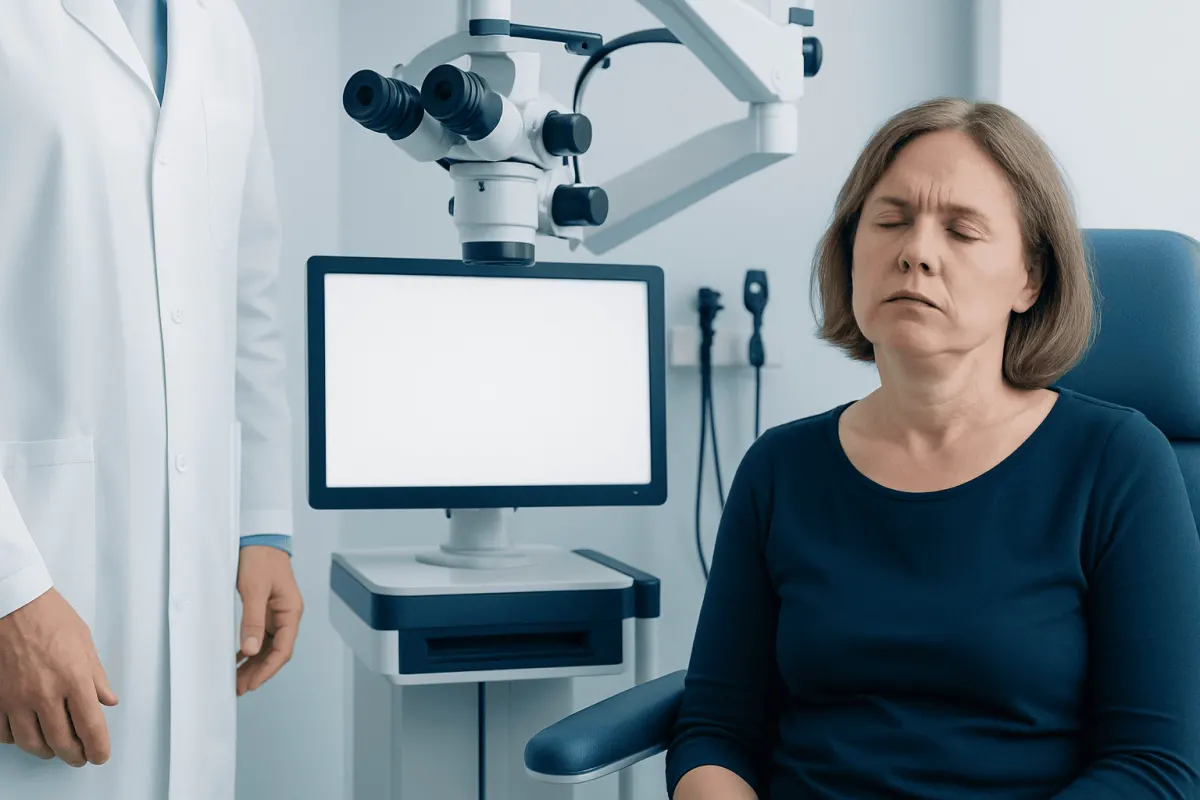
A twitchy head describes involuntary, repeated head or neck movements that may feel like jerking, shaking, pulling, or brief muscle contractions. It is often not an emergency, but persistent, worsening, painful, or new movements should be assessed to identify the cause and guide treatment.
What Does a Twitchy Head Mean?
A twitchy head is a nonmedical phrase for involuntary movement involving the head, neck, or nearby muscles. A person may notice brief jerks, repetitive nodding, side-to-side shaking, a pulling sensation in the neck, or a head position that is difficult to control. The movement may happen occasionally or frequently, and it can be mild or disruptive.
Common explanations include temporary muscle twitching related to fatigue or stress, a tremor, a tic, or an involuntary neck-muscle contraction. Less commonly, a twitchy head may be related to a neurological condition. The movement itself is a symptom rather than a diagnosis, so its timing, pattern, triggers, and accompanying symptoms are important.
Many causes can be managed effectively once identified. A qualified clinician can help distinguish harmless short-lived twitching from conditions that benefit from targeted treatment, particularly when movements persist, cause pain, or affect daily activities.
How Head and Neck Twitching Can Feel or Look
Head and neck movements do not all look the same. Some people experience tiny, rapid muscle flickers under the skin, while others have more visible movements of the head. A tremor is usually rhythmic shaking, whereas a tic is often a sudden, repeated movement that may be preceded by an urge and briefly suppressed. Dystonia tends to cause sustained or intermittent twisting, pulling, or abnormal postures.
A person may also have neck tightness, aching, headache, shoulder discomfort, fatigue, or embarrassment in social situations. In cervical dystonia, the head may turn, tilt, pull backward, or pull forward because certain neck muscles contract involuntarily. Some people find that lightly touching the face or head temporarily reduces the abnormal posture; this is sometimes called a sensory trick.
The movements may be more noticeable during stress, tiredness, caffeine use, focused tasks, or certain positions. They may improve during sleep, although this varies by cause. Recording a brief video of an episode, when safe to do so, can help a clinician observe the movement pattern.
- Brief, isolated twitching may be linked to fatigue, stress, or muscle strain.
- Rhythmic shaking may suggest a head tremor.
- Repeated sudden movements or sounds may occur with tics.
- Pulling, twisting, or painful neck postures can occur with cervical dystonia.
Possible Causes and Risk Factors

Temporary muscle twitching can occur after poor sleep, emotional stress, strenuous activity, dehydration, or prolonged awkward posture. Stimulants such as caffeine and nicotine may make twitching or tremor more noticeable in some people. Anxiety can also heighten awareness of normal muscle sensations and may aggravate existing tremor or tics.
Essential tremor is a common neurological movement disorder that can affect the head as well as the hands or voice. Head tremor may appear as a “yes-yes” nodding or “no-no” side-to-side movement. It may be more obvious when holding the head in a particular position or during stress. Tremor has several possible causes, so it should not be self-diagnosed.
Cervical dystonia, also known as spasmodic torticollis, is a movement disorder in which neck muscles contract involuntarily. It can develop without a clear cause and may be associated with pain or a limited range of neck movement. Learn more about cervical dystonia and how it can affect posture and comfort.
Other contributors can include medication side effects, alcohol or drug withdrawal, thyroid disorders, and less commonly disorders affecting the brain or nerves. Some medicines used for nausea, mood symptoms, or other conditions can cause abnormal movements in susceptible individuals. A person should not stop prescribed medication suddenly; a prescriber can review possible side effects and safer alternatives when needed.
How Clinicians Diagnose the Cause
Diagnosis begins with a detailed description of the movement. A clinician may ask when it started, whether it is rhythmic or irregular, how long episodes last, what makes it better or worse, and whether there is pain, weakness, numbness, balance difficulty, or changes in speech. Medical history, family history of tremor or movement disorders, caffeine and alcohol use, and all medicines and supplements are also relevant.
A neurological and physical examination can assess muscle tone, strength, reflexes, coordination, gait, eye movements, head position, and the pattern of the involuntary movement. Watching a video recorded during a typical episode may be useful if the movement is not present during the appointment.
Testing is not always necessary. Depending on the findings, a clinician may request blood tests to look for metabolic or thyroid-related contributors, or imaging if there are concerning neurological signs or an unusual presentation. Referral to a neurologist, especially a movement-disorder specialist, may be appropriate for persistent tremor, suspected dystonia, complex tics, or unexplained involuntary movements.
Treatment Options for a Twitchy Head
Treatment is based on the underlying cause, the severity of symptoms, and their effect on comfort and function. Occasional twitching associated with tiredness, stress, or excess caffeine may improve with sleep, hydration, regular meals, and reducing triggers. If a medicine may be contributing, a clinician can assess whether adjustment or substitution is appropriate.
For a diagnosed tremor, treatment may include lifestyle changes, medication, and treatment of contributing conditions. Not everyone with a mild tremor needs medication. The decision is usually based on whether symptoms interfere with work, driving, eating, communication, or quality of life.
Cervical dystonia can often be treated with targeted botulinum toxin injections into selected neck muscles. These injections help relax overactive muscles and are repeated periodically when beneficial. Physiotherapy may support posture, range of motion, pain management, and everyday movement; specialists may recommend botulinum toxin treatment when clinically suitable.
Tics may respond to education, behavioral therapy, treatment of coexisting anxiety or attention concerns, and sometimes medication. For persistent or complex symptoms, individualized care with a neurologist can clarify the diagnosis and create a realistic treatment plan.
Practical Self-Care While Awaiting Assessment
Self-care cannot replace an evaluation for persistent or concerning movements, but it can reduce common aggravating factors. Keeping a simple symptom diary may help identify links with sleep, stress, exercise, caffeine, alcohol, meals, medicines, or neck position. Note the time of day, duration, movement type, and any accompanying pain or neurological symptoms.
Gentle neck mobility exercises and attention to desk, phone, and sleep posture may be useful when muscle tension is a factor. Exercises should not force the neck into painful positions or be used to push through severe spasms. A physiotherapist can recommend an individualized program when neck pain, restricted movement, or suspected dystonia is present.
Regular sleep, gradual stress-management strategies, adequate fluid intake, and limiting excess caffeine may help some people. It is best to avoid using alcohol or nonprescribed substances to control shaking or tension, as these may worsen symptoms, interact with medicines, or mask an evolving problem.
- Record episodes and potential triggers.
- Review all medicines and supplements with a clinician or pharmacist.
- Use heat or gentle stretching only if it feels comfortable and does not worsen symptoms.
- Seek professional guidance before starting supplements or changing prescribed treatment.
When to Seek Medical Care
Medical assessment is advisable when head twitching lasts more than a few days to weeks, returns repeatedly, gets worse, causes neck pain, affects sleep, or interferes with work, driving, balance, or daily life. It is also sensible to arrange a review when the movement begins after starting or changing a medication, or when there is a family history of tremor or other movement disorders.
Urgent medical care is needed if a new involuntary movement occurs with facial drooping, one-sided weakness or numbness, difficulty speaking or understanding speech, sudden severe headache, fainting, seizure-like activity, confusion, new severe imbalance, or vision loss. These symptoms may indicate a condition requiring immediate evaluation.
For international patients, Acıbadem Health Point’s multidisciplinary specialists and JCI-accredited hospitals can assess involuntary movement symptoms and coordinate appropriate neurological care. A timely evaluation can provide reassurance when the cause is benign and help ensure treatable conditions are addressed appropriately.
Frequently asked questions
01Is a twitchy head serious?
A twitchy head is often related to a temporary trigger such as fatigue, stress, muscle tension, or stimulant use. However, it can also be caused by tremor, tics, medication effects, or a movement disorder. Persistent, painful, worsening, or function-limiting movements should be evaluated by a healthcare professional.
02Can anxiety cause head twitching?
Anxiety and stress can increase muscle tension and make twitching, tremor, or tics more noticeable. They may also worsen symptoms from an underlying movement condition. Anxiety should not be assumed to be the only cause when symptoms are new, persistent, or accompanied by other neurological changes.
03What is the difference between head tremor and cervical dystonia?
Head tremor usually causes rhythmic shaking, such as repeated nodding or side-to-side movement. Cervical dystonia involves involuntary contractions of neck muscles that can pull or twist the head into an abnormal posture and may cause pain. Some people with cervical dystonia also have tremor.
04Can caffeine make a twitchy head worse?
Caffeine can make muscle twitching and tremor more noticeable in some people, particularly when consumed in large amounts or alongside poor sleep and stress. Reducing caffeine gradually may help determine whether it is a trigger. A clinician can advise on other possible causes if symptoms continue.
05Should someone stop medication if head twitching starts?
A person should not stop a prescribed medicine without medical advice, as sudden discontinuation can be unsafe for some treatments. They should contact the prescribing clinician or pharmacist promptly to review the timing of symptoms and possible medication-related effects. An alternative plan may be available if a medicine is contributing.
06What doctor should evaluate head twitching?
A primary care doctor can perform an initial assessment and review medicines, general health factors, and warning signs. Persistent or unexplained movements may require referral to a neurologist, particularly a specialist in movement disorders. Urgent symptoms such as weakness, speech problems, or loss of consciousness require emergency assessment.
This article is for general information only and is not a substitute for professional medical advice. Please consult a qualified doctor about your individual situation.
Joint and spine care in Turkey — expert assessment & treatment
JCI-accredited · board-certified surgeons · reply within 24h
Add us as a Preferred Source to see more of our trusted health content across Google Search, AI Overviews and Discover.