Best Treatment for Sciatica: Relief That Fits the Cause
The best treatment for sciatic pain depends on what is irritating the sciatic nerve, how severe symptoms are, and whether there is weakness or loss of function. Most people improve with time, gentle movement, tailored exercise and appropriate pain management, while procedures or surgery are considered when symptoms persist or a nerve is significantly compressed.
Best Treatment for Sciatica Starts With the Cause
The best treatment for sciatic pain is usually not one single treatment. For most people, the first approach combines continued gentle activity, a structured physical therapy or exercise plan, and short-term symptom relief when needed. Treatment is then adjusted according to the underlying cause, such as a herniated disc, spinal narrowing, arthritis-related changes, or less commonly another condition affecting the nerve.
Sciatica describes pain that travels from the lower back or buttock into one leg, often below the knee. It may feel sharp, burning, electric, aching, or accompanied by tingling and numbness. Symptoms often improve over several weeks, but a clinician should assess persistent, severe, or progressive symptoms to ensure that treatment addresses the right problem.
A personalized plan is particularly important because back pain that stays in the lower back is not necessarily sciatica, and not every pain down the leg comes from the spine. Careful assessment helps avoid unnecessary tests and helps identify people who may benefit from more targeted treatment.
How Sciatica Is Diagnosed and What the Outlook Is
Diagnosis usually begins with a discussion of symptoms and a physical examination. A clinician may check posture, walking, leg strength, reflexes, sensation, and movements that reproduce the leg pain. They will also ask about the onset of symptoms, previous injuries, medical conditions, and changes in bladder or bowel control.
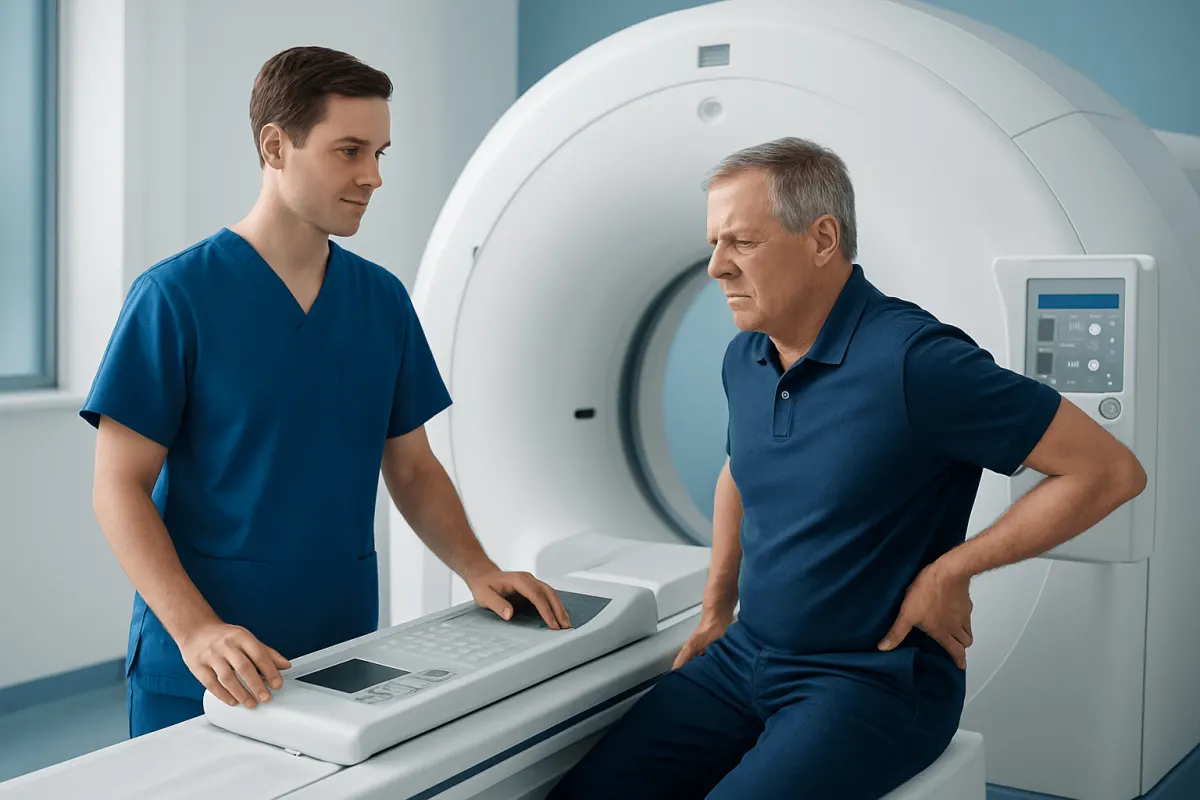
Many people do not need an MRI or other scan immediately. Imaging is more likely to be useful when pain is not improving after a period of conservative care, when surgery or an injection is being considered, or when there are signs of significant nerve involvement. MRI can show disc herniation, spinal stenosis, and other structures that may be pressing on a nerve root.
The outlook is often favorable. A disc-related episode may settle gradually as inflammation reduces and the body adapts or reabsorbs disc material. Recovery can take time, however, and pain may fluctuate. Ongoing weakness, severe symptoms that limit daily life, or recurrent episodes should be reviewed so that the management plan can be updated.
What Is the Most Successful Treatment for Sciatica?
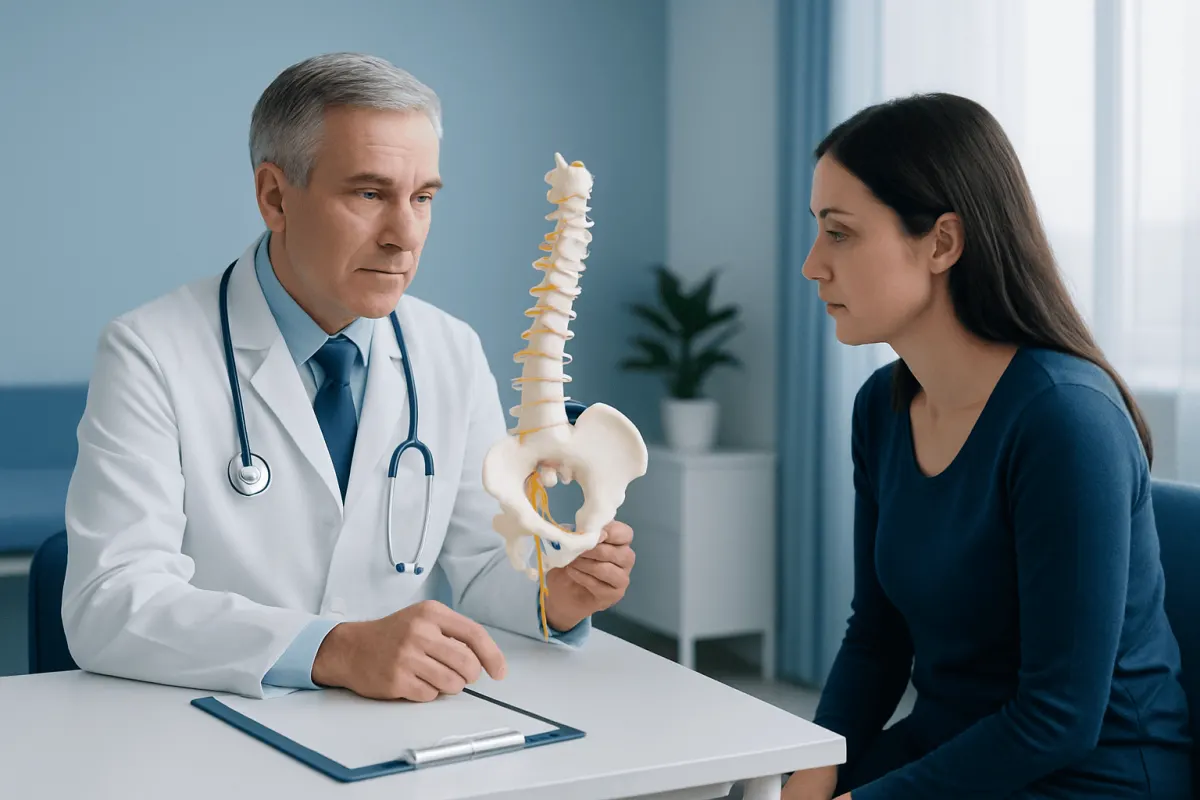
For most uncomplicated cases, the most successful treatment for sciatica is an active, individualized conservative program rather than prolonged rest. This commonly includes education about the condition, gradual return to normal activities, targeted exercises, and physical therapy when appropriate. The goal is to maintain movement, improve strength and flexibility, and reduce fear of activity while avoiding movements that clearly worsen symptoms.
Short periods of relative rest may be reasonable during severe pain, but staying in bed for days can increase stiffness, reduce conditioning, and make recovery harder. A clinician may recommend non-prescription or prescription medicines for short-term symptom control when suitable for the individual’s health history. Medication choices should be discussed with a qualified professional, particularly for people with kidney disease, stomach ulcers, heart disease, pregnancy, or those taking blood-thinning medicines.
If symptoms remain severe despite conservative treatment, an image-guided epidural steroid injection may reduce inflammation around an irritated nerve root and provide temporary pain relief. It does not correct every cause of sciatica, but it can create an opportunity to participate more comfortably in rehabilitation. For a confirmed disc herniation with persistent disabling leg pain or progressive neurological deficit, spine surgery may be considered after specialist evaluation.
The most effective plan is the one matched to the person’s diagnosis and goals. A treatment that helps a disc-related nerve compression may not be the best option for spinal stenosis, hip disease, peripheral nerve problems, or another cause of leg pain.
What's the Worst Thing You Can Do for Sciatica?
One of the least helpful approaches is prolonged bed rest and complete avoidance of movement. While severe pain can make activity difficult, extended inactivity may weaken supporting muscles, increase stiffness, and delay a return to normal function. Instead, people are usually advised to continue light daily movement within tolerable limits and build activity gradually.
It is also unhelpful to repeatedly push through movements that cause sharp, spreading leg pain or increasing numbness. Heavy lifting, twisting under load, or sudden high-impact exercise may aggravate symptoms during an acute flare. A physical therapist or clinician can help identify safer ways to bend, lift, sit, sleep, and return to work or exercise.
Another risk is relying on unproven treatments while delaying assessment of worsening weakness or changes in bladder or bowel function. Sciatica is common and often improves, but new neurological symptoms deserve timely medical attention. Self-treatment should support, not replace, appropriate assessment when warning signs are present.
What Is the Newest Treatment for Sciatica?
There is no single newest treatment that is proven to work best for every person with sciatica. Current care increasingly emphasizes precise diagnosis, individualized rehabilitation, and selecting procedures only when the findings, symptoms, and patient goals align. This approach can be more useful than pursuing a newly marketed treatment without knowing the source of nerve irritation.
For selected patients with a herniated disc or spinal narrowing, less invasive surgical techniques may be options. Depending on the anatomy and the specialist’s recommendation, these may include minimally invasive decompression procedures designed to relieve pressure on a nerve while limiting disruption to nearby tissues. Not everyone is a candidate, and the expected benefits should be weighed against possible risks.
Image-guided injections and advanced pain-management approaches are also evolving. Some people with chronic nerve pain may be assessed for neuromodulation treatments, such as spinal cord stimulation, particularly when standard treatments and appropriate surgery have not provided adequate relief. These treatments are specialist decisions and are not typically first-line care for a new episode of sciatica.
Regenerative injections, including platelet-rich plasma or stem-cell-based products, are sometimes promoted for back and nerve pain. Evidence remains limited for routine use in sciatica, and patients should discuss claims, safety, costs, and alternatives carefully with an appropriately qualified clinician.
What Is the #1 Vitamin for Sciatic Nerve Pain?
There is no #1 vitamin proven to treat sciatica caused by nerve compression. Vitamins cannot remove pressure from a disc, spinal narrowing, or another structural cause. A balanced diet that supports overall health is sensible, but supplements should not replace assessment, movement-based rehabilitation, or recommended medical treatment.
Vitamin B12 is important for normal nerve function, and deficiency can cause numbness, tingling, balance problems, and other neurological symptoms. If a clinician suspects deficiency based on symptoms, diet, medical history, or blood tests, treating the deficiency may be important. However, taking high-dose B vitamins without a documented need does not reliably relieve sciatica and some supplements can be harmful in excess.
Vitamin D may be checked in selected people, especially where there are risk factors for deficiency or broader concerns about bone and muscle health. It is not a specific treatment for sciatic nerve pain. A clinician can advise whether testing or supplementation is appropriate and can help distinguish sciatica from other causes of nerve symptoms, including peripheral neuropathy.
When to Seek Medical Care
Medical assessment is appropriate when leg pain is severe, lasts longer than expected, repeatedly returns, interferes substantially with sleep or daily activities, or is associated with numbness or weakness. A clinician can confirm whether symptoms are consistent with sciatica and recommend an appropriate plan. Early review is also useful for people with a history of cancer, significant trauma, infection risk, or unexplained weight loss.
Urgent medical care is needed for new difficulty controlling the bladder or bowel, inability to urinate, numbness in the genital or saddle area, or rapidly worsening leg weakness. These symptoms can indicate serious nerve compression that needs prompt evaluation. Sudden severe pain after major injury, or back pain with fever and feeling unwell, also requires urgent assessment.
Acıbadem Health Point’s multidisciplinary specialists at JCI-accredited hospitals assess spinal and nerve-related symptoms for international patients, coordinating imaging, rehabilitation, pain management, and surgical consultation when needed. The appropriate pathway depends on the person’s examination findings, scan results where relevant, and overall health.
Frequently asked questions
01Can sciatica go away on its own?
Yes. Many episodes of sciatica improve gradually over several weeks with time, gentle activity, and supportive care. A clinician should assess symptoms that are severe, persistent, worsening, or associated with weakness or numbness.
02Should a person walk with sciatica?
Gentle walking is often helpful if it does not significantly increase leg pain or neurological symptoms. Short, frequent walks may be easier during a flare, with distance increased gradually. A clinician or physical therapist can advise on activity when symptoms are severe.
03Is surgery always needed for sciatica?
No. Most people do not need surgery. Surgery is generally considered when scans show a treatable cause of nerve compression and symptoms remain disabling despite non-surgical care, or when there is progressive weakness or another urgent neurological concern.
04How long does it take to recover from sciatica?
Recovery varies according to the cause, severity, and individual health factors. Many people improve within weeks, although some symptoms can last longer or recur. A care plan may need adjustment if progress stalls or function is declining.
05Can stretching make sciatica worse?
It can if the stretch strongly reproduces sharp, radiating pain, tingling, or numbness. Gentle, tailored movement is generally preferable to forceful stretching during an acute flare. A physical therapist can select exercises suited to the underlying pattern of symptoms.
06Are heat and ice useful for sciatic pain?
Heat or ice may provide short-term comfort for some people, although neither treats the underlying cause. A person can use whichever feels better, protecting the skin and avoiding prolonged direct contact. These measures work best as part of a broader plan that includes appropriate movement and medical advice.
This article is for general information only and is not a substitute for professional medical advice. Please consult a qualified doctor about your individual situation.
Persistent digestive symptoms? Get evaluated in Turkey
JCI-accredited · board-certified surgeons · reply within 24h
Add us as a Preferred Source to see more of our trusted health content across Google Search, AI Overviews and Discover.