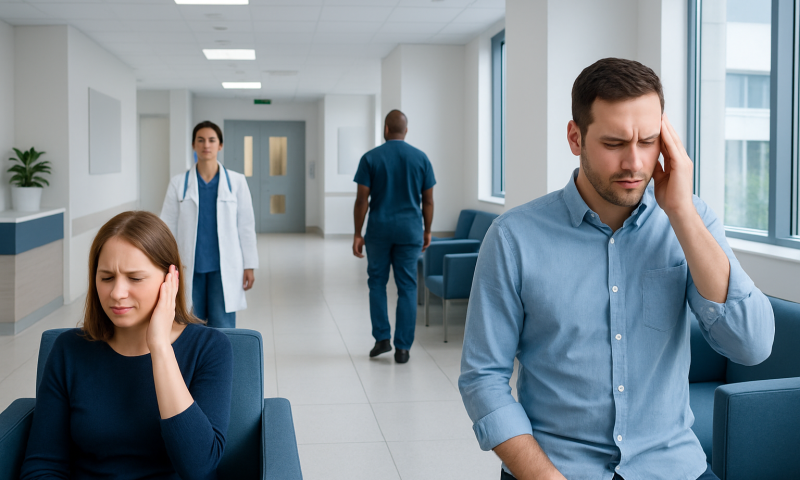
Twitching of the Lips: What You Need to Know

Key Takeaways
- Twitching of the lips is often temporary and related to common triggers like stress, poor sleep, or stimulants.
- Persistent, one-sided, or worsening lip twitching should be medically evaluated.
- Simple changes such as better rest, hydration, and reducing caffeine may help when symptoms are mild.
- A doctor may look for nerve irritation, vitamin or mineral imbalance, medication effects, or other underlying causes.
- Urgent care is important if lip twitching occurs with facial weakness, trouble speaking, numbness, or other new neurological symptoms.
Twitching of the lips is usually a brief, involuntary muscle movement that often has a harmless explanation such as stress, fatigue, caffeine, or mild irritation. In some cases, it can signal a nerve, electrolyte, or neurological issue that deserves medical attention.
Overview
Twitching of the lips is the sudden, involuntary contraction of the small muscles around the mouth. For many people, it feels like a tiny flutter, quiver, or repeated pulse in the upper lip, lower lip, or corner of the mouth. It is often short-lived and does not point to a serious illness, especially when it appears after stress, too little sleep, dehydration, or excess caffeine.
Even when the symptom is mild, it can be unsettling because the mouth is such a visible part of the face. Understanding what lip twitching is, what commonly triggers it, and which patterns deserve attention can make it easier to decide whether home care is enough or whether a medical evaluation is wiser.
In an international-patient setting, the practical question is usually not just “What is happening?” but also “Do I need to travel for testing, or can I start with a local doctor?” The answer depends on the pattern of symptoms, how long they have lasted, and whether there are other changes such as facial weakness or numbness.
Symptoms
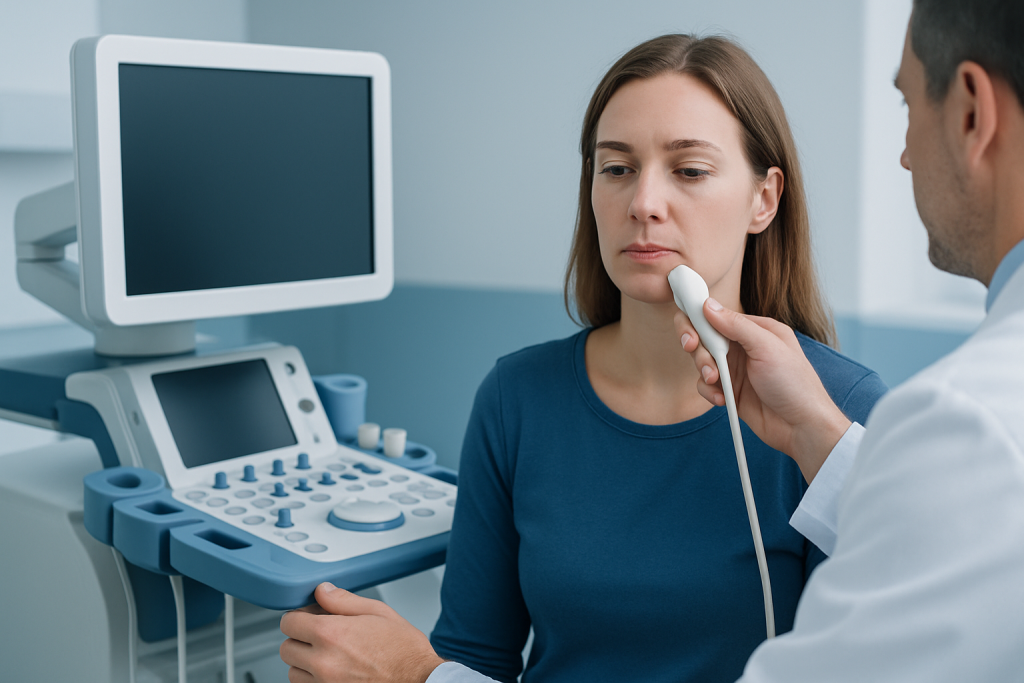
People describe twitching of the lips in different ways. Some notice a tiny movement in one spot, while others feel a repeated pulsing or trembling that comes and goes throughout the day. The twitch may affect the upper lip, lower lip, or one corner of the mouth, and it can be barely visible or obvious to others.
On its own, lip twitching is usually a symptom rather than a diagnosis. It may occur with other sensations, such as tension in the jaw, an eyelid twitch, a feeling of restlessness, or general muscle fatigue. These added clues can help a doctor narrow down likely triggers.
It is more important to pay attention when twitching is accompanied by other neurological or systemic signs. These may include facial drooping, slurred speech, numbness, weakness, trouble swallowing, severe headache, or twitching that spreads to other parts of the face or body.
Causes & Risk Factors

Most cases of twitching of the lips are linked to everyday triggers rather than a dangerous problem. Stress and anxiety can make muscles more reactive, and sleep deprivation can lower the threshold for involuntary movements. Caffeine, nicotine, energy drinks, and some stimulant medicines may also contribute.
Another common group of causes involves body chemistry. Dehydration and low levels of certain minerals, such as magnesium, potassium, or calcium, may affect muscle and nerve function. Overexertion, heavy exercise without enough recovery, and poor nutrition can play a role as well.
Less commonly, lip twitching may be related to nerve irritation or a neurological condition. Examples include hemifacial spasm, facial nerve irritation after an infection or injury, dystonia, multiple sclerosis, or, in rare cases, disorders affecting the nerves that control movement. Some medicines can also cause muscle twitching as a side effect.
Risk is higher when several factors overlap. A person who is sleep-deprived, under stress, and consuming extra caffeine is more likely to notice twitching. People with recurrent muscle spasms elsewhere in the body, a recent illness, a change in medication, or ongoing nutritional issues may also be more likely to develop symptoms.
Diagnosis
Diagnosis usually begins with a careful conversation about the symptom pattern. A doctor will want to know when the twitching started, how often it happens, whether it is on one side or both, and whether anything seems to trigger or relieve it. A review of medications, supplements, caffeine intake, sleep, and recent stressors is often helpful.
A physical and neurological examination may follow. The clinician may check facial symmetry, eye movements, speech, reflexes, sensation, and strength. In many cases, this is enough to suggest a benign cause, especially when the twitching is isolated and the rest of the examination is normal.
If the cause is unclear or symptoms suggest something more than a temporary muscle spasm, additional testing may be ordered. Blood tests can look for electrolyte or vitamin abnormalities, thyroid issues, or other metabolic changes. In some situations, imaging or referral to a neurologist may be appropriate, especially if twitching is persistent, one-sided, or accompanied by other neurological signs.
Treatment Options
Treatment depends on the underlying cause. When lip twitching is related to stress, fatigue, caffeine, or dehydration, the first step is usually simple correction of those triggers. Improving sleep, drinking enough fluids, reducing stimulant intake, and building in quiet breaks can be enough for many people.
If a deficiency or medical condition is identified, treatment targets that cause. A clinician may recommend correcting low mineral levels, adjusting a medicine that is contributing to the symptom, or treating an underlying condition such as a nerve disorder. It is best not to start supplements on the assumption that a deficiency is present without medical guidance, because the right approach depends on test results and the overall clinical picture.
When twitching is caused by a neurological condition, treatment may be more specialized. Depending on the diagnosis, options can include medication, targeted injections, or other therapies aimed at calming overactive muscles or reducing nerve irritation. People being evaluated from abroad should ask for a clear written plan, including what has already been ruled out, what follow-up is needed, and which symptoms should prompt a return visit.
Prevention & Self-care
Not every episode can be prevented, but several habits can make twitching less likely. Regular sleep, steady hydration, and balanced meals support normal muscle and nerve function. Limiting caffeine and other stimulants may be especially helpful when twitching appears after busy workdays or travel.
Stress management is also practical medical care, not a luxury. Gentle exercise, breathing exercises, mindfulness, and scheduled downtime can lower overall muscle tension. If the twitching tends to appear during demanding periods, noticing the pattern early can help a person intervene before symptoms become more frequent.
For people recovering after travel or medical appointments abroad, consistency matters. Keeping follow-up records, taking medicines exactly as prescribed, and communicating any new symptoms promptly can help a clinician decide whether the twitching is simply reactive or part of a broader issue. A symptom diary noting timing, triggers, and associated signs can be surprisingly useful.
When to See a Doctor
A medical review is a good idea if lip twitching lasts more than a short period, keeps returning, becomes more noticeable, or affects only one side of the face. It is also reasonable to seek care if the symptom starts after a new medication, a recent illness, or a change in diet or hydration habits.
Urgent evaluation is important if twitching is paired with facial weakness, drooping, numbness, slurred speech, trouble swallowing, vision changes, severe headache, or confusion. Those symptoms may point to a neurological problem that should not be watched at home.
People who live abroad or are planning treatment travel should not wait until the trip is over if the symptom is worsening. A local doctor can often start the evaluation, and a specialist can help interpret whether more advanced testing is needed. Acibadem Health Point’s multidisciplinary specialists and JCI-accredited hospitals diagnose and treat conditions like this for international patients when a more structured workup or specialist opinion is appropriate.
Living With Lip Twitching: What Patients Usually Ask Next
Many people want to know whether lip twitching will go away on its own. If the cause is a temporary trigger such as stress, fatigue, or caffeine, it often improves once the trigger is addressed. If it persists, the question changes from “Will it stop?” to “What is keeping the muscles irritated?”
Another common concern is whether twitching means a stroke or another serious brain problem. Isolated lip twitching by itself is rarely the only sign of a major neurological event. The concern rises when twitching comes with sudden weakness, speech changes, numbness, or a drooping face, which is why those accompanying symptoms matter so much.
For ongoing symptoms, the most useful next step is not guessing but documenting. A brief record of when the twitching occurs, how long it lasts, and what was happening beforehand can help a doctor identify patterns that are easy to miss during a short visit.
Frequently asked questions
01Is twitching of the lips usually serious?
Most of the time, no. Lip twitching is commonly linked to stress, fatigue, caffeine, dehydration, or minor muscle irritation. It becomes more important to evaluate when it persists, keeps returning, or appears with other neurological symptoms.
02Can anxiety cause lip twitching?
Yes, anxiety and stress can trigger muscle tension and make small involuntary movements more noticeable. This does not mean the symptom is “all in the head”; the muscles are still reacting physically to the stress response. Improving rest and stress control may help reduce episodes.
03Does dehydration cause lip twitching?
Dehydration can contribute to muscle irritability and twitching in some people. Drinking enough fluids and maintaining balanced nutrition may help, especially if the symptom appears during illness, hot weather, or heavy exercise. If dehydration is frequent, a doctor should help identify the reason.
04What tests might a doctor order for lip twitching?
That depends on the pattern and any other symptoms. A clinician may begin with a history and exam, then order blood tests to check electrolytes, minerals, thyroid function, or vitamin levels. Imaging or a neurology referral may be considered if the cause is not clear or if neurological signs are present.
05Can caffeine make the lips twitch?
Yes, caffeine is a common trigger for muscle twitching in sensitive people. Energy drinks and other stimulants can have a similar effect. Reducing intake for a short period can help show whether caffeine is part of the problem.
06When should someone seek urgent care for lip twitching?
Urgent care is appropriate if the twitching occurs with facial drooping, weakness, trouble speaking, numbness, trouble swallowing, sudden severe headache, or confusion. Those symptoms can suggest a neurological problem that needs prompt assessment. If the twitching is isolated and mild, a non-urgent medical review is usually sufficient.
This article is for general information only and is not a substitute for professional medical advice. Please consult a qualified doctor about your individual situation.
Explore treatments in Turkey — costs, top hospitals & a free quote
JCI-accredited · board-certified surgeons · reply within 24h
Add us as a Preferred Source to see more of our trusted health content across Google Search, AI Overviews and Discover.