How to Get Rid of a Migraine Quickly?

Key Takeaways
- Migraine relief is often most effective when treatment starts at the first warning signs.
- A dark, quiet room, hydration, and cold compresses may ease symptoms while medication takes effect.
- People with frequent or severe migraines may need prescription treatments, not just over-the-counter pain relievers.
- Certain symptoms such as weakness, confusion, or a sudden worst-ever headache need urgent medical attention.
- Tracking triggers and patterns can help reduce future attacks and improve long-term control.
The fastest way to get rid of a migraine quickly is usually to act early: rest in a dark, quiet place, use a doctor-advised pain-relief plan, hydrate, and avoid known triggers. Because migraine is a neurological condition and not just a simple headache, repeated attacks deserve proper medical evaluation and a personalized treatment plan.
Overview
When someone asks how to get rid of a migraine quickly, the most practical answer is usually: treat it early, reduce stimulation, and use the right medication plan for that person. Migraine is a neurological condition that can cause throbbing head pain, nausea, light sensitivity, sound sensitivity, and in some cases visual or sensory warning signs before the pain starts.
Because migraines often build over time, the first hour can matter. Resting in a dark, quiet space, drinking water, and taking a clinician-recommended medicine at the first sign of symptoms may shorten the attack or keep it from becoming more intense. For some people, relief comes from a combination of simple measures and prescribed treatment rather than from one step alone.
It also helps to remember that migraine patterns vary. What works for one person may not help another, especially if attacks are frequent, prolonged, or associated with vomiting, aura, or other neurological symptoms. A personalized plan from a doctor is often the safest and most effective path.
Symptoms
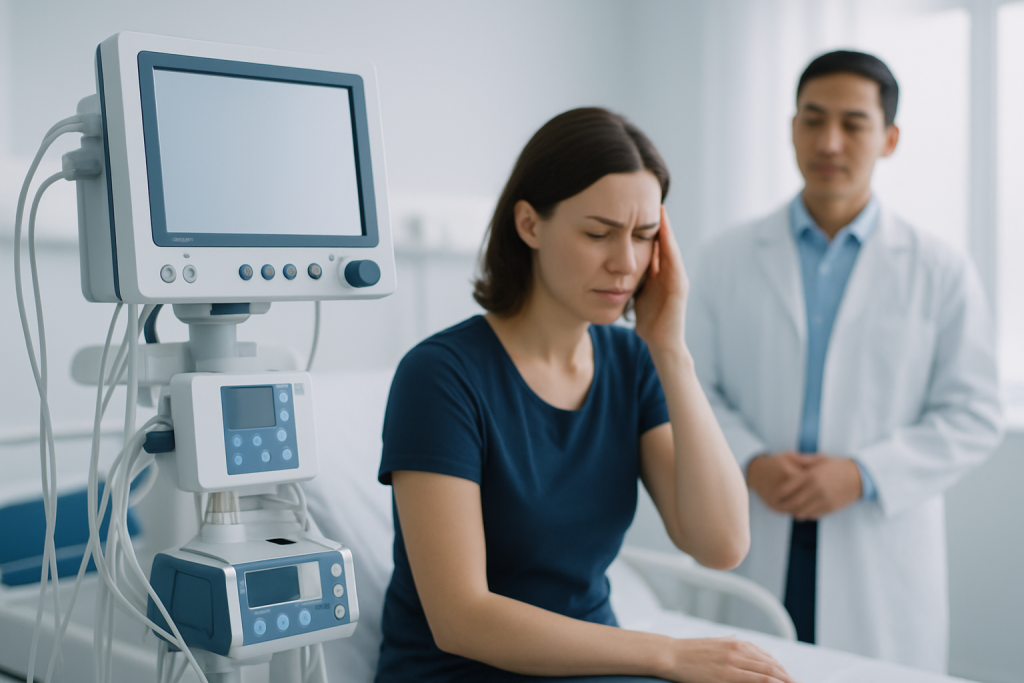
Migraine is more than a typical headache. The pain is often one-sided but can affect both sides, and it may feel throbbing or pulsating. Many people also notice that movement, bright light, loud noise, smells, or even routine activity makes symptoms worse.
Common migraine symptoms may include:
- Nausea or vomiting
- Light or sound sensitivity
- Blurred vision or flashing lights
- Neck stiffness
- Fatigue or difficulty concentrating
- Worsening pain with physical activity
Some people experience migraine aura before the headache phase. Aura can involve visual changes such as zigzag lines, blind spots, or shimmering lights, and sometimes numbness or speech difficulty. These symptoms can be alarming, but they can be part of migraine; they still deserve medical review if they are new, changing, or unusual for that person.
Causes & Risk Factors

There is no single migraine cause, and many people have more than one trigger. Migraine tends to involve a mix of brain sensitivity, genetic tendency, hormone changes, and environmental or lifestyle factors. This is why one attack may seem to come “out of nowhere” even when there is a pattern in hindsight.
Common triggers and contributors include:
- Stress or the let-down after stress
- Irregular sleep or oversleeping
- Skipped meals or dehydration
- Hormonal changes, including menstrual cycles
- Strong smells, bright lights, or noise
- Alcohol, certain foods, or caffeine changes
- Weather shifts or travel disruptions
Risk is higher in people with a family history of migraine, those who live with anxiety or sleep problems, and individuals whose daily schedule is inconsistent. Frequent use of headache medicines can also lead to medication-overuse headache, which can make relief harder over time. That is one reason a careful treatment plan is preferable to repeated trial-and-error.
Diagnosis
Migraine is usually diagnosed by a doctor through a detailed history and neurological examination. There is no single blood test that confirms migraine. Instead, the clinician asks about the timing of attacks, where the pain occurs, associated symptoms, possible triggers, and whether there are warning signs that suggest another condition.
In many cases, the diagnosis is made based on a clear pattern of recurring attacks. However, imaging or additional tests may be recommended if headaches are new, changing, unusually severe, or accompanied by neurological symptoms such as weakness, confusion, fever, or fainting. This is especially important when the headache story does not fit the person’s usual migraine pattern.
For international patients, bringing a headache diary, medication list, and any prior scans or clinic notes can make evaluation more efficient. A short record of when attacks begin, what was eaten, sleep quality, stress levels, and what helped can be extremely useful during the consultation.
Treatment Options
The fastest migraine relief often depends on treating the attack early and matching the medicine to the severity of symptoms. For mild to moderate attacks, a doctor may suggest over-the-counter pain relievers or anti-inflammatory medicines if they are appropriate for the person’s health history. When nausea is present, an anti-nausea medicine may also be part of the plan.
For more intense or recurrent migraines, prescription treatments may be needed. These can include migraine-specific medicines such as triptans or other options chosen by a clinician based on age, heart health, other medications, and attack pattern. Some people also benefit from newer preventive or rescue approaches when standard medicines are not enough.
Non-medicine measures can support treatment, especially while the attack is beginning:
- Rest in a dark, quiet room
- Use a cold pack on the forehead or neck
- Drink small sips of water if tolerated
- Avoid strong smells, screens, and loud noise
- Try slow breathing or relaxation to reduce muscle tension
If migraines are frequent, a doctor may recommend preventive treatment to reduce how often attacks happen and how severe they become. Preventive care can be especially important when migraine interferes with work, travel, family life, or sleep. For some patients traveling from abroad, coordinated neurology care and follow-up planning can make ongoing treatment easier to manage after returning home.
Prevention & Self-care
People often want a quick fix, but long-term migraine control usually comes from understanding the pattern behind the attacks. A headache diary can reveal whether a specific sleep schedule, food, stress spike, or hormonal shift is connected to symptoms. That information helps the doctor fine-tune treatment instead of relying only on broad advice.
Practical self-care steps include keeping regular meals, staying hydrated, protecting sleep, and avoiding long gaps without food. Limiting trigger exposure when possible may also help. This does not mean living rigidly; it means spotting the few changes that make the biggest difference for that individual.
Other helpful habits may include:
- Keeping caffeine intake steady rather than fluctuating sharply
- Using screen breaks and good lighting to reduce eye strain
- Managing stress through movement, breathing, or mindfulness
- Reviewing medications with a doctor to avoid overuse
- Preparing a travel migraine kit with approved medicines, water, and earplugs
Self-care is most effective when it is realistic. Small, repeatable routines are more useful than dramatic changes that cannot be maintained.
When to See a Doctor
Medical evaluation is recommended if migraines are happening more often, lasting longer, or not improving with usual measures. A doctor should also be consulted if head pain is new after age 50, follows a head injury, or changes in character compared with previous attacks. These changes can signal that the headache needs a more careful look.
Urgent medical attention is important if a headache comes on suddenly and severely, or if it is accompanied by weakness, trouble speaking, fainting, confusion, vision loss, fever, stiff neck, or seizure. While most migraines are not dangerous, these warning signs should never be dismissed as “just a migraine.”
People who need repeated pain medicine to function, who vomit during attacks, or who cannot work or travel because of headaches may benefit from a neurology consultation. Acibadem Health Point’s multidisciplinary specialists and JCI-accredited hospitals diagnose and treat migraine for international patients with coordinated care and follow-up planning. That kind of structured approach can be especially helpful when the goal is both quick relief and better long-term control.
Living with Migraine While Traveling or Working Abroad
Migraine can be especially disruptive when someone is away from home, adjusting to time zones, new foods, or unfamiliar schedules. A practical plan before travel can reduce stress during an attack: keep medicines in original packaging, carry a short doctor summary if available, and store a hydration-friendly snack in hand luggage. For frequent travelers, consistency with sleep and meals may matter as much as any single trigger.
During a trip, it helps to know where the nearest urgent care or neurology service is located in case symptoms change. If a migraine pattern becomes harder to manage in a new setting, the safest step is to seek medical advice rather than repeatedly self-treating. That is especially true if nausea prevents medication from staying down or if the headache is unlike previous attacks.
Long-distance follow-up is also worth planning. A doctor can help decide which treatment can continue at home, what symptoms should trigger reassessment, and how to adapt prevention strategies across different time zones and routines.
Frequently asked questions
01What is the fastest way to ease a migraine at home?
The quickest home steps are usually to rest in a dark, quiet room, drink water, and take a doctor-approved medicine as early as possible. A cold pack and reduced screen exposure may also help. If the migraine is severe or different from usual, medical evaluation is important.
02Does sleeping help stop a migraine?
Sleep can help some people, especially if the migraine is caught early. However, sleep is not a guaranteed fix, and oversleeping may trigger headaches in some individuals. A regular sleep schedule is usually more helpful than trying to “sleep off” every attack.
03Can caffeine help migraine?
Caffeine may help some people when used in a small, consistent amount, especially in combination with certain pain medicines. Too much caffeine, or changes in usual caffeine intake, can also trigger headaches. A doctor can help decide whether caffeine is appropriate for that person.
04When should a migraine be treated as an emergency?
A sudden, severe headache, especially one with weakness, confusion, fainting, seizure, fever, or trouble speaking, needs urgent medical care. New neurological symptoms should not be assumed to be a typical migraine. It is safer to have concerning symptoms checked promptly.
05Can migraines be cured permanently?
There is no universal permanent cure, but many people can reduce attacks significantly with the right treatment plan. Prevention, trigger management, and appropriate medicines can make a major difference. A neurologist can help tailor care to the individual pattern.
06Why do some migraines come back after temporary relief?
A migraine may return if the medicine was taken late, the trigger is still present, or the treatment plan is not strong enough for the attack pattern. Frequent recurrence can also suggest the need for preventive therapy or a different rescue medicine. A clinician can adjust the plan based on how often this happens.
This article is for general information only and is not a substitute for professional medical advice. Please consult a qualified doctor about your individual situation.
Persistent digestive symptoms? Get evaluated in Turkey
JCI-accredited · board-certified surgeons · reply within 24h
Add us as a Preferred Source to see more of our trusted health content across Google Search, AI Overviews and Discover.