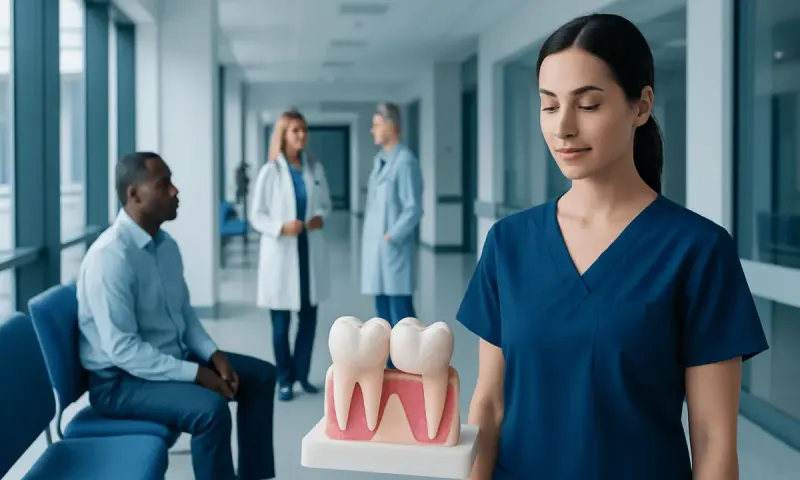
Dental Treatment in Turkey: Choosing Safe Care

Turkey dental treatment can be a suitable option for people who need planned restorative or cosmetic care, provided the clinic performs a full assessment, explains alternatives and arranges appropriate follow-up. The procedure, recovery and final result depend on the individual oral-health problem and the treatment chosen, such as crowns, veneers, implants or root canal treatment.
Turkey dental treatment: what it involves
Turkey dental care refers to dental treatment received in Turkey by local or international patients. It may include preventive examinations, fillings, professional cleaning, root canal treatment, crowns, veneers, bridges, dental implants and treatment for gum disease. There is no single “Turkey dental procedure”: the right approach depends on whether a tooth is decayed, infected, worn, missing, discoloured or structurally weak.
A responsible dental plan begins with a clinical examination and, when appropriate, X-rays, photographs, digital scans and periodontal assessment. The dentist should identify active decay, infection, gum inflammation, bite problems and tooth grinding before recommending cosmetic changes. Healthy teeth should be preserved whenever possible, and treatment should be based on function as well as appearance.
For international patients, the practical process usually includes an initial review, diagnostic assessment, treatment planning, preparation and fitting appointments, and post-treatment checks. Some treatments can be completed during one visit, while implants, complex gum care and certain restorative cases require stages over months. A travel itinerary should never determine clinical decisions.
Is it a good idea to get teeth done in Turkey?
Getting dental treatment in Turkey can be a good idea for a well-informed patient when the care is clinically appropriate, delivered by qualified professionals and supported by transparent communication and follow-up. The country has many dental providers, but standards and services vary between clinics. A person should choose a provider based on credentials, diagnostic quality, infection-control practices, treatment planning and the ability to address complications—not on a package description alone.
Before deciding, patients should ask who will perform each part of treatment, what records and imaging will be used, which materials and laboratories are involved, how much natural tooth structure may need to be removed, and what happens if adjustments or repair are needed after travel. They should receive a written plan that distinguishes essential disease treatment from elective cosmetic work.
People with uncontrolled medical conditions, active gum disease, complex bite problems or a history of extensive dental work may need a slower, staged approach. It can also be helpful to ask a dentist at home to review the plan before travel. A “turkey dental resort” experience should not distract from the need for careful clinical assessment and adequate recovery time.
Common procedures and how treatment is planned

Crowns cover and protect a damaged or heavily restored tooth. They may be recommended after significant decay, fracture, large fillings or root canal treatment. Veneers are thin restorations placed mainly on the front surface of selected teeth to improve colour, shape or minor alignment concerns; they are not a universal solution for every smile concern.
A turkey dental root canal may be needed when the pulp inside a tooth is inflamed or infected, often because of deep decay, a crack, trauma or repeated procedures. During root canal treatment, the dentist removes infected or damaged pulp tissue, cleans and seals the root canals, and then restores the tooth. A crown may be advised afterward for a back tooth or a tooth that has lost substantial structure.
Dental implants replace missing tooth roots and are placed surgically in the jawbone. They require a thorough review of bone, gum health, general health, smoking status and bite forces. Implant treatment commonly involves healing time before a final crown is fitted. For people considering more than one procedure, sequencing matters: gum disease and infection are usually managed before definitive cosmetic or restorative work.
- Ask whether the proposed treatment is reversible, minimally invasive or requires permanent tooth preparation.
- Discuss alternatives, including monitoring, fillings, whitening, orthodontic treatment or preserving existing restorations.
- Request copies of X-rays, scans, treatment notes and laboratory details for future dental care.
Can you show me pictures of teeth before and after dental treatments in Turkey?
Before-and-after images can help a patient understand the general appearance that a treatment may achieve, but they cannot predict an individual result. Lighting, camera angle, lip position, tooth shade, image editing and the condition of the teeth before treatment can all change how photographs appear. Images should be viewed as educational examples rather than a promise.
Useful clinical photographs should show more than a close-up final smile. When appropriate and shared with the patient’s consent, they may include the starting condition, the teeth and gums, the bite, and the final outcome after healing. A dentist should also explain what was done in the case, such as whitening, orthodontics, veneers, crowns, gum treatment or implant restoration.
Patients should be cautious if photographs are used to imply that every person needs the same extensive treatment. A more meaningful consultation includes a discussion of the patient’s own enamel, gum line, bite, facial proportions and oral-health needs. Digital smile previews can support discussion, but they are design tools rather than guarantees of the final result.
Is it painful to get your teeth done in Turkey?
Dental treatment should be planned to keep patients comfortable. Local anaesthetic is commonly used for procedures such as fillings, crown preparation, root canal treatment, tooth extraction and implant placement. A patient may notice pressure, vibration or pulling, but should tell the dental team if sharp pain is felt during treatment so comfort can be reassessed.
After treatment, short-term tenderness, sensitivity to hot or cold, minor gum soreness or jaw fatigue may occur. The experience varies according to the procedure, the degree of pre-existing inflammation or infection, and the person’s individual sensitivity. The dentist may recommend appropriate pain relief, a softer diet for a short period, and specific cleaning instructions.
Severe or worsening pain, facial swelling, fever, difficulty swallowing, a spreading bad taste, or a bite that feels markedly uneven should not be ignored. These symptoms may need prompt dental review. Patients travelling internationally should know how to contact the treating clinic and where to obtain urgent care after returning home.
How long do Turkey crowns last for teeth?
There is no fixed lifespan for crowns made in Turkey or anywhere else. A well-designed crown can serve for many years, but its durability depends on the crown material, quality of fit, health of the supporting tooth and gums, bite forces, oral hygiene and regular dental review. Crowns may eventually need repair or replacement because of wear, fracture, decay at the margin or changes in the gum line.
Porcelain, ceramic, metal-ceramic and zirconia-based crowns have different strengths and aesthetic properties. The best option depends on the tooth location, amount of remaining tooth structure, bite pattern, appearance goals and whether the patient grinds or clenches their teeth. The dentist should explain why a particular material is being recommended.
To help a crown last, patients should brush twice daily with fluoride toothpaste, clean between teeth every day, attend routine dental examinations and avoid using teeth to open packages or bite hard objects. A night guard may be recommended for people who grind or clench. New sensitivity, looseness, chipping, bleeding gums or pain around a crowned tooth should be assessed promptly.
Recovery, aftercare and travel planning
Recovery after simple restorations is often brief, although numbness can last for several hours and the bite may need a minor adjustment. Following crown or veneer fitting, some temporary sensitivity is possible. After surgical procedures such as extraction, bone grafting or implant placement, healing takes longer and patients may need to follow instructions on diet, oral hygiene, activity and medication carefully.
Patients should allow enough time for final checks before flying home, especially after multiple crowns, implants or complex bite changes. A restoration that feels high or uncomfortable should be adjusted before departure whenever possible. It is sensible to avoid planning demanding sightseeing, important events or long-distance travel immediately after a surgical appointment.
Aftercare should include written instructions, details of the materials used, copies of relevant imaging and an explanation of recommended review intervals. Patients should also arrange ongoing preventive care with a dentist where they live. Acıbadem Health Point’s multidisciplinary specialists and JCI-accredited hospitals diagnose and treat dental conditions for international patients, with care plans tailored to individual clinical needs.
When to seek medical care
A dentist should assess toothache that lasts more than a day or two, sensitivity that is worsening, bleeding or swollen gums, a loose tooth, a broken restoration, persistent bad breath or a visible swelling. Early assessment may allow simpler treatment and can help protect the tooth and surrounding tissues.
Urgent dental or medical care is important for facial swelling that is spreading, fever with dental pain, difficulty breathing or swallowing, inability to open the mouth normally, uncontrolled bleeding, or injury to the face or teeth. These symptoms can require timely evaluation, particularly when infection or trauma is suspected.
After any dental procedure, patients should contact the treating team if pain becomes worse rather than better, if swelling increases after the expected early recovery period, or if a crown, veneer, bridge or temporary restoration becomes loose. They should not attempt to glue a restoration back into place themselves.
Frequently asked questions
01What should a patient check before booking turkey dental treatment?
A patient should verify the dentist’s qualifications, request a clear diagnosis and ask for a written treatment plan with alternatives. It is also important to discuss materials, expected number of visits, aftercare arrangements and how records will be provided for a home dentist.
02Can crowns and veneers be done on healthy teeth?
They can be used in selected cases, but they are not automatically appropriate for healthy teeth. A dentist should consider less invasive options first and explain whether enamel reduction or other permanent changes are needed.
03What is the difference between a crown and a veneer?
A crown covers the entire visible part of a tooth and is often used to strengthen a tooth that is damaged or heavily restored. A veneer covers mainly the front surface of a tooth and is generally used for selected cosmetic concerns.
04Is a turkey dental root canal painful?
Root canal treatment is usually performed with local anaesthetic, so the aim is for the procedure itself to be comfortable. Some tenderness can occur afterward, particularly if the tooth was infected or very inflamed before treatment.
05What determines turkey dental root canal cost?
The total cost of root canal treatment can vary with the tooth involved, the number and shape of its roots, the severity of infection, imaging needs and the restoration required afterward. A back tooth may also need a crown if significant tooth structure has been lost.
06Can dental work be adjusted after returning home?
Many minor concerns, such as a bite adjustment or polishing, can be assessed by a local dentist. However, more extensive repair or replacement may require the original clinic’s records and a new examination, which is why written aftercare planning is important.
This article is for general information only and is not a substitute for professional medical advice. Please consult a qualified doctor about your individual situation.
Explore treatments in Turkey — costs, top hospitals & a free quote
JCI-accredited · board-certified surgeons · reply within 24h
Add us as a Preferred Source to see more of our trusted health content across Google Search, AI Overviews and Discover.