Tumor Headache Pain: Symptoms, Diagnosis, and Treatment
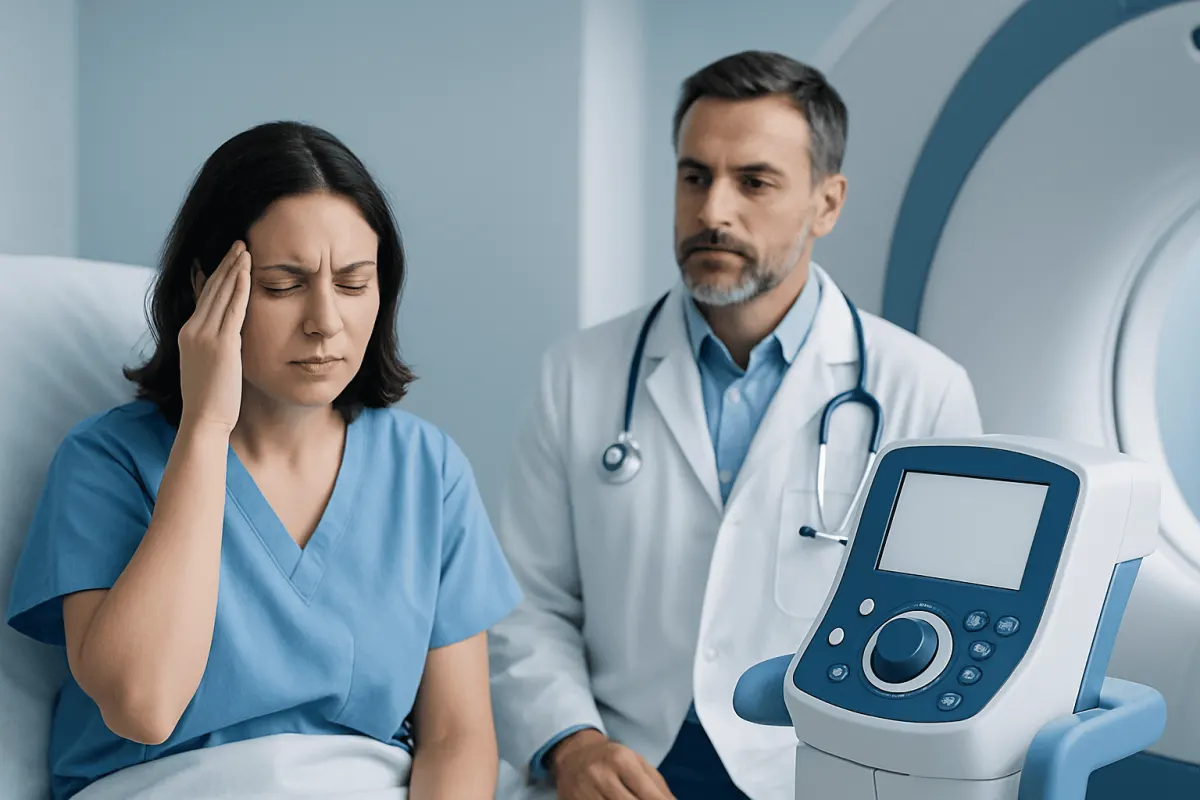
Tumor headache pain may develop when a brain tumor causes swelling, blocks normal fluid flow, or presses on pain-sensitive structures. However, headaches are very common and are rarely due to a brain tumor; new or changing headaches with neurological symptoms should be medically assessed.
What tumor headache pain can feel like
Tumor headache pain refers to headache symptoms that are caused or influenced by a tumor in or around the brain. A tumor can contribute to pain by increasing pressure inside the skull, causing inflammation or swelling, affecting fluid circulation, or pressing on nearby structures. The headache itself does not reliably identify the cause, so a clinical assessment is important when symptoms are new, persistent, or changing.
Most headaches do not signal a brain tumor. Migraine, tension-type headache, medication overuse, dehydration, infections, sleep problems, eye strain, and sinus conditions are much more common explanations. Even so, a headache that becomes progressively more frequent or severe, especially alongside other neurological symptoms, deserves timely medical attention.
Brain tumors may be benign or malignant. A benign tumor is not cancer, but it can still require treatment if its size or location affects important brain functions. Examples include meningioma, while aggressive malignant tumors include glioblastoma.
Symptoms that may occur with a brain tumor headache
A headache related to a brain tumor may be new for a person, gradually worsen over days to weeks, or change from an established headache pattern. It can be more noticeable in the morning or when lying down, coughing, straining, or bending over, although these features alone do not prove that a tumor is present.
Doctors pay particular attention to symptoms that suggest the brain may be under pressure or that a specific area may be affected. These can include nausea or vomiting, a new seizure, changes in vision, balance difficulties, weakness or numbness on one side of the body, speech changes, confusion, unusual sleepiness, or changes in memory, personality, or behavior.
- A persistent headache with a clear change in pattern
- Headache with repeated vomiting, especially without another clear explanation
- New seizures or fainting episodes
- New weakness, facial drooping, difficulty speaking, or loss of coordination
- Double vision, loss of vision, or increasing confusion
These symptoms can also occur in other conditions, including stroke, infection, migraine, medication effects, and metabolic illness. Prompt assessment helps identify the cause and guide appropriate care.
How doctors diagnose the cause of concerning headaches

Diagnosis begins with a careful history of the headache: when it started, how it has changed, where it is felt, what makes it better or worse, and whether other symptoms are present. A clinician will also ask about previous headaches, medicines, cancer history, immune status, recent injury, and family history where relevant.
A neurological examination may assess vision, eye movements, muscle strength, reflexes, sensation, coordination, balance, speech, and mental function. If warning signs are present, brain imaging may be needed. Magnetic resonance imaging (MRI) often provides the most detailed information about brain tissue, while computed tomography (CT) can be particularly useful in urgent situations or when MRI is not suitable.
If imaging finds a mass, further tests help establish its type and guide treatment. These may include imaging of other body areas, blood tests, and a tissue sample obtained through surgery or biopsy. The final diagnosis considers the tumor’s location, appearance, pathology, molecular features, and how it behaves over time.
What are the treatment options for brain tumor headaches?
Treatment for brain tumor headaches addresses both the cause of the pain and the underlying tumor. The plan is individualized and may involve neurosurgeons, neurologists, oncologists, radiation oncologists, neuroradiologists, rehabilitation specialists, and supportive-care teams. The best approach depends on the tumor type, size, location, growth pattern, symptoms, and the person’s general health.
Short-term medicines may reduce brain swelling and pressure when clinically appropriate. Anti-seizure medicine may be used for people who have had seizures, and pain-relief options can be considered safely within an individual treatment plan. Doctors aim to avoid masking worsening symptoms and will review headache changes carefully.
When a tumor can be safely removed or reduced, brain tumor surgery may relieve pressure and provide tissue for diagnosis. Other options may include focused or conventional radiotherapy, chemotherapy, targeted medicines, tumor-treating fields in selected cases, or active monitoring for slow-growing tumors that are not currently causing significant problems.
Supportive care is also important. Physical therapy, occupational therapy, speech and language therapy, psychological support, nutritional care, and symptom management can help people maintain function and quality of life during and after treatment.
What is the average life expectancy after brain tumor surgery?
There is no single average life expectancy after brain tumor surgery because surgery is only one part of a person’s overall diagnosis and treatment. Prognosis depends mainly on the exact tumor type, whether it is benign or malignant, grade, molecular features, location, how much tumor can be safely removed, age, neurological function, and response to additional treatment.
For some benign tumors, surgery may be curative or followed by many years of stable health. For tumors that cannot be fully removed, periodic scans and further treatment may be needed. For malignant brain tumors, surgery can reduce tumor burden, confirm the diagnosis, and ease symptoms, but additional treatments are commonly recommended.
A treating specialist is best placed to discuss prognosis after reviewing pathology and imaging results. Patients may find it helpful to ask what the diagnosis means in their individual situation, what treatments are recommended next, what follow-up is planned, and which symptoms should be reported between appointments.
How long does it take to recover from meningioma surgery?
Recovery after meningioma surgery varies according to the tumor’s size and location, the type of operation, whether neurological symptoms were present beforehand, and whether complications occur. Many people remain in hospital for several days after a craniotomy, followed by a period of rest and gradual activity increases at home. Returning to everyday routines may take several weeks, while fuller recovery can take a few months or longer.
Fatigue, headaches around the surgical site, temporary swelling, sleep changes, and reduced stamina are common during early recovery. Some people need rehabilitation for balance, strength, speech, vision, or thinking changes. Follow-up imaging is important because some meningiomas require ongoing observation or further treatment, particularly when complete removal is not possible.
People should follow their surgical team’s instructions about wound care, driving, exercise, work, medicines, and seizure precautions. New or worsening weakness, confusion, seizures, severe headache, fever, drainage from the wound, or repeated vomiting should be reported urgently.
How long does it take to recover from glioblastoma surgery?
Recovery from glioblastoma surgery has an early physical recovery phase and a longer treatment phase. After surgery, hospital recovery often lasts several days, but the time needed to regain strength and resume daily activities varies greatly. Some people recover sufficiently for the next stage of treatment within a few weeks, while others need longer rehabilitation and support.
Glioblastoma surgery is usually followed by a carefully coordinated treatment plan that may include radiation therapy and chemotherapy. The goal of surgery is generally to remove as much tumor as can be done safely, reduce pressure, improve or stabilize symptoms, and obtain tissue for precise diagnosis. Because glioblastoma can affect areas responsible for movement, language, memory, or vision, recovery may include targeted neurological rehabilitation.
Follow-up appointments and MRI scans are essential after surgery. Family members and caregivers can help by noting changes in symptoms, supporting medication routines, and sharing concerns with the care team. Emotional support and palliative-care input can be helpful at any stage and can be provided alongside active tumor treatment.
When to seek medical care
Medical advice is appropriate for a new headache that persists, a known headache that is changing substantially, or pain that occurs with neurological symptoms. A doctor can determine whether imaging or specialist assessment is needed and can also help manage common non-tumor causes of headache.
Emergency evaluation is needed for a sudden, severe headache that reaches maximum intensity quickly, a first seizure, loss of consciousness, new confusion, new weakness or numbness, difficulty speaking, significant vision loss, or severe headache after a head injury. These symptoms may indicate several urgent conditions and should not be managed by waiting at home.
For people diagnosed with a brain tumor, changes in headache pattern should be discussed with the treating team, particularly when accompanied by vomiting, seizure activity, worsening balance, or altered alertness. Acıbadem Health Point’s multidisciplinary specialists and JCI-accredited hospitals provide assessment and treatment for international patients with brain tumors and related neurological symptoms.
Frequently asked questions
01Can a brain tumor cause headache pain every day?
A brain tumor can cause persistent or progressively worsening headaches, but daily headache is much more often related to common conditions such as migraine, tension-type headache, medication overuse, or sleep problems. A doctor should assess a new daily headache or a clear change in an existing headache pattern, especially when neurological symptoms occur.
02Where is tumor headache pain usually felt?
Tumor-related headache pain does not have one reliable location. It may be felt across the head, at the back of the head, or in another area, and the location does not consistently match the tumor’s location. Associated symptoms and examination findings are generally more useful than pain location alone.
03Does a normal eye examination rule out a brain tumor?
No. An eye examination can sometimes identify signs of increased pressure inside the skull or changes affecting vision, but it cannot rule out every brain tumor. When symptoms or examination findings raise concern, MRI or CT imaging may be needed.
04Can pain medicine treat a brain tumor headache?
Pain medicine may help relieve discomfort, but it does not treat the underlying tumor or pressure-related cause. Depending on the diagnosis, doctors may use medicines for swelling or seizures and may recommend surgery, radiation therapy, drug treatment, or monitoring.
05Can a benign brain tumor still cause serious symptoms?
Yes. A benign tumor does not spread like cancer, but it can cause important symptoms if it grows in a confined area of the skull or affects brain structures involved in movement, vision, speech, hormone control, or fluid flow. Its location and size are often as important as whether it is cancerous.
06Will headaches go away after brain tumor surgery?
Headaches may improve after surgery if pressure, swelling, or obstruction caused by the tumor was contributing to the pain. Some people experience temporary headaches during surgical recovery, and others may have headaches from another cause. Ongoing or worsening pain should be reviewed by the treating team.
This article is for general information only and is not a substitute for professional medical advice. Please consult a qualified doctor about your individual situation.
Persistent digestive symptoms? Get evaluated in Turkey
JCI-accredited · board-certified surgeons · reply within 24h
Add us as a Preferred Source to see more of our trusted health content across Google Search, AI Overviews and Discover.