Tummy Tuck Swelling Pictures: What Changes Over Time
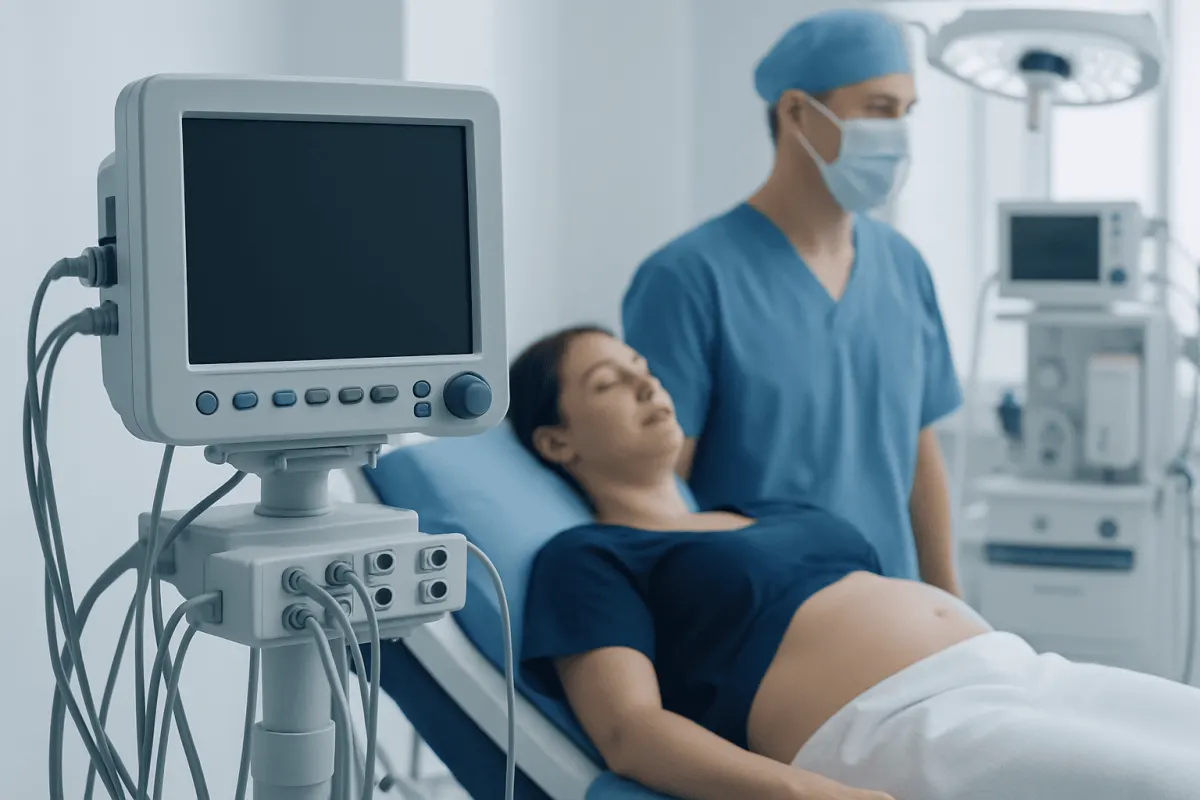
Pictures of swelling after a tummy tuck can help patients understand that early fullness, tightness, bruising, and uneven swelling are usually part of normal recovery. Swelling often peaks during the first one to two weeks, improves noticeably over the following weeks, and may take several months to fully settle.
Overview: what swelling pictures can and cannot show
When people search for pictures swelling after tummy tuck, they are often looking for reassurance about whether their own abdomen appears normal. Images can show common patterns, including puffiness above or below the incision, bruising, a firm lower abdomen, and temporary unevenness. However, a photograph cannot confirm whether a specific recovery is uncomplicated, because skin tone, lighting, surgical technique, body shape, and the amount of tissue treated all affect appearance.
A tummy tuck, also called abdominoplasty, removes excess lower-abdominal skin and fat and may tighten separated abdominal muscles. Swelling is the body’s normal inflammatory response to surgery. It is often most visible in the lower abdomen and pubic area, and it can make the abdomen look fuller than expected early in healing.
The most reliable way to interpret recovery pictures is to compare them with the individual’s own earlier photographs, not with another person’s results online. A surgeon or postoperative care team should assess any concern about new, worsening, or unusual swelling.
How a tummy tuck works: candidacy, steps, benefits and risks
Abdominoplasty may be considered by adults who have loose abdominal skin, persistent lower-abdominal fullness, or abdominal muscle separation after pregnancy or substantial weight changes. Suitable candidates are generally in good overall health, have a stable weight, do not smoke or are able to stop before and after surgery as advised, and have realistic expectations about scars and recovery. It is not a substitute for weight-loss treatment.
During the procedure, the surgeon typically makes a low horizontal incision that can often be placed beneath underwear or swimwear. The skin and fatty layer are lifted, abdominal muscles may be repaired when needed, excess skin is removed, and the remaining skin is redraped. Liposuction may be performed at the same time in selected areas to improve contour. More detailed information about tummy tuck (abdominoplasty) can help patients discuss the procedure with a qualified plastic surgeon.
Potential benefits include a smoother abdominal contour, removal of excess skin, and improvement of muscle separation in appropriate patients. Risks include bleeding, infection, fluid collection called seroma, delayed wound healing, changes in sensation, scarring, blood clots, asymmetry, and the possibility of revision surgery. The surgeon explains individual risks based on medical history, nicotine use, previous surgery, and the planned operation.
What is the typical timeline for swelling after a tummy tuck?
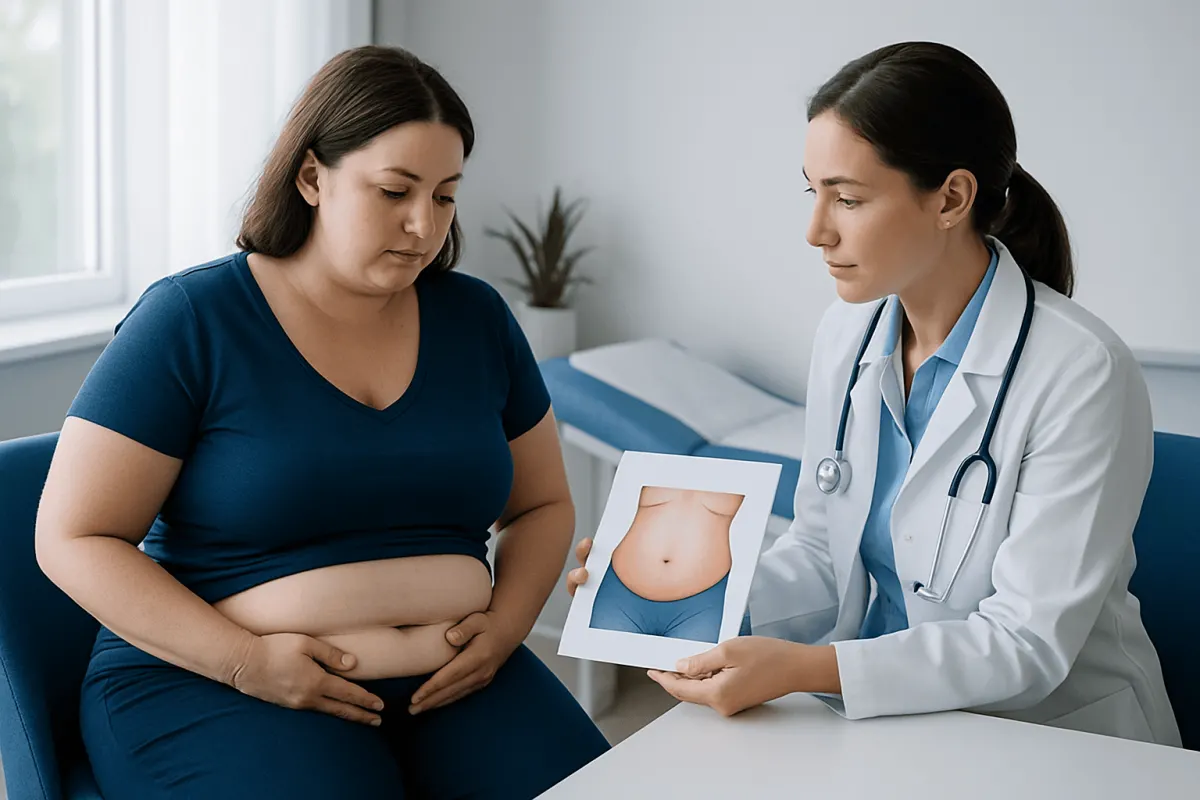
The swelling timeline after tummy tuck differs between individuals, but the first several days usually involve increasing tightness and swelling as the initial effects of surgery develop. Swelling commonly reaches its most noticeable level during the first one to two weeks. Bruising, if present, often becomes more visible before it starts to fade.
Between weeks two and six, many patients notice steady improvement, especially once they are moving more comfortably and following their postoperative plan. Pictures of tummy tuck 4 weeks post op may still show lower-abdominal fullness, a slightly rounded appearance, firm areas, and swelling near the incision. These findings can be common at this stage, even when the final contour is beginning to emerge.
From about six weeks onward, swelling generally continues to decrease. Small changes may remain for several months, particularly in the lower abdomen or after combined liposuction. Scars also continue to mature: they may initially look pink, red, raised, or firm before gradually fading and flattening over many months. The surgeon’s scheduled follow-up examinations are the best setting for reviewing healing progress.
When is swelling the worst after tummy tuck and liposuction?
After a tummy tuck combined with liposuction, swelling is commonly at its worst in the first one to two weeks. The treated areas may feel swollen, firm, numb, tender, or uneven. Liposuction can add swelling in the abdomen, waist, flanks, or other treated locations, and fluid shifts can make the contour appear temporarily less defined than expected.
Some people notice that swelling varies during the day. It may be more noticeable in the evening, after prolonged standing, after increased activity, or during periods of heat. This pattern can occur during recovery, but activity should increase only according to the surgeon’s instructions.
Compression garments are often recommended to support the healing tissues and manage swelling, but their type, fit, and wearing schedule should be individualized. A garment that is painfully tight, leaves deep marks, causes numbness, or interferes with breathing should be reported to the surgical team. Patients should not add massage, lymphatic treatments, supplements, or devices without first checking that they are appropriate for their stage of healing.
How can I see the progress of my tummy tuck recovery pictures week by week?
A personal photo record can be more informative than looking at unrelated online images. Photographs can be taken before surgery and then at intervals recommended by the surgeon, such as weekly during early recovery and monthly later on. The aim is to observe overall change, not to judge the result day by day.
For useful tummy tuck recovery pictures week by week, use the same room, lighting, camera distance, body position, and clothing each time. Front, side, and three-quarter views are often helpful. Stand naturally without pulling in the abdomen, and take photos at a similar time of day because swelling can fluctuate.
Pictures and stages of wound healing after a tummy tuck should be documented carefully but not used as a replacement for medical review. In uncomplicated healing, the incision may look red or pink at first and can feel firm or itchy as it closes. Increasing redness that spreads, a widening opening, pus-like drainage, bad odor, or worsening pain should be reported rather than monitored through photographs alone.
- Record the date and note changes in pain, drainage, temperature, and activity.
- Do not repeatedly press, stretch, or manipulate the incision to check it.
- Bring photos to follow-up appointments if an in-person assessment is not immediately available.
Can I sleep on my side 2 weeks after a tummy tuck?
Whether a person can sleep on their side two weeks after a tummy tuck depends on the procedure performed, the amount of tissue tension, whether muscle repair was done, and the surgeon’s instructions. Many patients are initially advised to sleep on their back with the upper body and knees slightly elevated, which reduces tension across the abdomen and may improve comfort.
Some surgeons allow a supported side position after the early recovery period, while others prefer patients to wait longer. If side sleeping is approved, pillows can support the back, knees, and abdomen so the body does not twist or pull at the incision. Stomach sleeping is often restricted for longer because it can place direct pressure on the healing abdomen.
It is important not to force a new sleeping position because of discomfort or poor sleep. The safest plan is to ask the operating surgeon at a follow-up visit, particularly after muscle repair, a drain placement, liposuction, or a more extensive abdominal procedure.
Recovery care and when to seek medical care
Recovery usually includes wearing prescribed compression, taking medications exactly as directed, keeping the incision clean and dry according to the care plan, and attending follow-up appointments. Short, frequent walks can support circulation and help prevent stiffness, but heavy lifting, strenuous exercise, and abdominal strain should be avoided until the surgeon confirms it is safe. Adequate fluids, balanced meals with protein, and avoiding nicotine products can also support wound healing.
Patients should contact their surgeon promptly if swelling suddenly increases, becomes clearly one-sided, or is associated with escalating pain or a feeling of fluid moving under the skin. Medical advice is also needed for fever, spreading redness, unusual warmth, wound opening, persistent bleeding, cloudy or foul-smelling drainage, calf pain or swelling, chest pain, dizziness, or shortness of breath. Emergency symptoms such as breathing difficulty or chest pain require urgent care.
Acıbadem Health Point’s multidisciplinary specialists and JCI-accredited hospitals provide assessment and treatment for international patients considering or recovering from abdominoplasty. Individual postoperative guidance should always come from the surgeon responsible for the procedure.
Frequently asked questions
01Is it normal to look bigger after a tummy tuck?
Yes. Early swelling, fluid retention, bruising, and tightness can make the abdomen look fuller than expected soon after surgery. The appearance usually improves gradually over weeks and months, but the surgeon should assess any sudden or worsening enlargement.
02Why is my lower abdomen still swollen after a tummy tuck?
Lower-abdominal swelling can last longer because fluid tends to settle in dependent areas and because the tissues near the incision are healing. Mild puffiness and firmness may still be present at several weeks. New asymmetrical swelling, significant pain, or a fluid-like bulge should be discussed with the surgical team.
03How long does it take for a tummy tuck scar to heal?
The skin incision generally closes in the early weeks, but scar maturation is much slower. A scar may remain red, pink, firm, or itchy for months before it gradually softens and fades. Sun protection and scar care should follow the surgeon’s specific advice.
04Can walking reduce swelling after a tummy tuck?
Gentle walking is commonly encouraged because it supports circulation, reduces stiffness, and can aid general recovery. It should be brief and increased gradually, without straining or standing for long periods too soon. It does not replace compression or other instructions from the surgeon.
05When can I exercise after a tummy tuck?
The timing depends on the extent of surgery and whether abdominal muscles were repaired. Gentle walking is often started early, while strenuous exercise, core training, and heavy lifting usually need to wait until the surgeon approves them. Returning too quickly can increase discomfort, swelling, or wound complications.
06Do all tummy tuck patients need drains?
No. Drain use varies by surgical technique, the amount of tissue separation, and the surgeon’s preference. If drains are used, the care team explains how to measure output, keep the area clean, and recognize problems. Drains should never be removed without medical instruction.
This article is for general information only and is not a substitute for professional medical advice. Please consult a qualified doctor about your individual situation.
Explore treatments in Turkey — costs, top hospitals & a free quote
JCI-accredited · board-certified surgeons · reply within 24h
Add us as a Preferred Source to see more of our trusted health content across Google Search, AI Overviews and Discover.