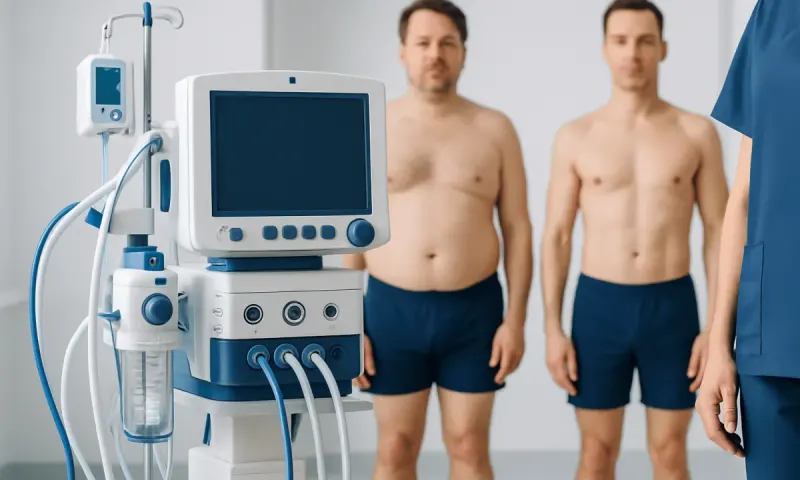
Tummy Tuck Before and After for Men: Recovery and Results

Tummy tuck before and after results for men may show a flatter, firmer-looking abdomen when loose skin, stretched tissues, or stubborn lower-abdominal fullness remain after weight loss or lifestyle changes. A tummy tuck is a surgical procedure, and the final contour develops gradually as swelling settles and scars mature.
How a tummy tuck changes the male abdomen
Tummy tuck before and after men comparisons can show a smoother abdominal outline when excess skin and lax abdominal tissues remain despite exercise, nutrition changes, or significant weight loss. Also called abdominoplasty, a tummy tuck is not a weight-loss operation. Its main purpose is to reshape the abdominal area by removing loose skin and, when appropriate, repairing or tightening the supportive tissues beneath it.
Men often seek this surgery after major weight loss, ageing-related skin laxity, or body changes that leave a lower-abdominal overhang. Some men also have stubborn fat deposits around the abdomen. In selected cases, liposuction may be combined with abdominoplasty to improve contour, but liposuction and a tummy tuck address different concerns.
Results are individual. Skin quality, the amount of loose tissue, muscle or fascial laxity, body weight stability, smoking status, and the surgical technique all affect the outcome. A qualified surgeon can explain whether a full, mini, or extended procedure is suitable and discuss abdominoplasty options in relation to a person’s anatomy and goals.
Who may be a candidate for a male tummy tuck?
Good candidates are generally men who are in good overall health, have a stable weight, and have loose abdominal skin or tissue laxity that is unlikely to improve with non-surgical measures. The procedure can be particularly helpful after large weight changes, although it is usually advisable to reach and maintain a stable weight before surgery.
A consultation includes discussion of medical history, prior abdominal operations, medications and supplements, smoking or nicotine use, and plans for future weight loss. Conditions that affect wound healing, blood clotting, heart or lung health, or diabetes control may require careful assessment before surgery. Nicotine can significantly interfere with healing, so surgeons commonly ask patients to stop smoking and avoid nicotine products well before and after the operation.
Realistic expectations are essential. A tummy tuck can improve contour and remove some loose skin, but it creates a permanent scar, does not guarantee a perfectly defined abdomen, and cannot replace regular activity, balanced nutrition, or long-term weight management. Men with a hernia or a new abdominal bulge may need assessment for a hernia rather than assuming cosmetic surgery is the right solution.
Male tummy tuck procedure steps: how it works

Abdominoplasty is usually performed under general anaesthesia. Before surgery, the surgeon marks the planned incision areas while the patient is standing. The exact scar placement depends on the type of tummy tuck, the amount and location of excess skin, and whether other contouring procedures are planned.
During a full tummy tuck, the surgeon makes a low horizontal incision, typically positioned so it can often be covered by underwear or swimwear. The abdominal skin is carefully lifted, and the underlying connective tissue may be tightened if it is stretched or separated. Excess skin is removed, the remaining skin is redraped, and the navel may be repositioned through a new opening.
Some patients are suitable for a mini tummy tuck, which focuses mainly on skin below the navel and usually involves a shorter incision. In other cases, particularly after substantial weight loss, a longer incision may be needed to address loose skin extending toward the hips or flanks. Temporary drains may be placed to reduce fluid collection, although drain use varies by surgical approach and individual needs.
After surgery, dressings and a supportive compression garment may be used. The care team provides individual instructions about walking, showering, wound care, drain management if applicable, activity limits, and follow-up appointments. Following these instructions closely supports safe healing.
What is the typical recovery timeline for a tummy tuck?
Recovery is gradual, and the exact timeline differs from person to person. Most men go home the same day or after an overnight stay, depending on the operation, health status, and support available at home. During the first week, walking short distances several times a day is encouraged to support circulation, but bending, lifting, and standing fully upright may be uncomfortable because the abdomen feels tight.
In weeks two to three, bruising and swelling often begin to improve, and many people are more mobile. Some men return to desk-based work around this stage if they feel comfortable and their surgeon agrees. Work requiring lifting, prolonged standing, physical labor, or strenuous movement usually requires more recovery time.
By about four to six weeks, many patients can gradually resume more usual routines, including approved exercise. However, abdominal workouts, heavy lifting, and higher-intensity training should only restart when cleared by the surgeon. Swelling can persist for months, and scars usually look red or firm at first before fading and flattening over time. Final contour is commonly judged only after the body has had several months to heal.
Maintaining a stable weight after surgery helps preserve the result. Significant weight fluctuations can stretch the skin again and change abdominal contour. Regular follow-up allows the surgical team to monitor healing and address concerns early.
How long does it take a man to heal from a tummy tuck?
Most men feel substantially more recovered within four to six weeks, but complete healing is not immediate. The skin incision may close within a few weeks, while internal tissues, swelling, sensation changes, and scar maturation continue to improve over several months. It is common for the abdomen to feel firm, numb, tight, or uneven during early healing.
Return to work depends on the nature of the job and the extent of surgery. A person with a sedentary role may return sooner than someone whose work involves lifting, driving long distances, climbing, or repetitive bending. The surgeon’s activity restrictions should take priority over a general timeline.
Healing may take longer in people who have had extensive tissue removal, combined procedures, prior abdominal surgery, medical conditions affecting circulation or wound repair, or unexpected complications. Avoiding nicotine, eating adequately, staying hydrated, walking as advised, and attending follow-up visits can all support recovery.
What are the worst days of tummy tuck recovery?
For many patients, the first three to five days are the most demanding. Anaesthesia effects, swelling, soreness, tightness across the abdomen, and difficulty moving from sitting to standing can make this period challenging. Pain control prescribed by the surgical team, help at home, and short, gentle walks can make early recovery more manageable.
The first one to two weeks may also feel restrictive because sleeping position, compression garments, dressings, and drains can affect comfort. Patients should not try to “push through” recovery by resuming strenuous activity early. Doing too much too soon can increase swelling, discomfort, and the risk of problems with the incision.
Emotional ups and downs can occur as swelling fluctuates and the early appearance does not yet reflect the final result. It is helpful to remember that early asymmetry, bruising, and swelling are often temporary. The surgeon should be contacted if discomfort is worsening rather than gradually improving, or if there are concerns about the incision.
Benefits, risks, and when to seek medical care
Potential benefits of a tummy tuck for men include removal of hanging or loose skin, improved clothing fit, a smoother abdominal profile, and better comfort during movement for some people. When abdominal wall laxity is repaired, the procedure may also improve the appearance of abdominal bulging. Results are best maintained through stable weight and healthy lifestyle habits.
Like all surgery, abdominoplasty has risks. These can include bleeding, infection, fluid accumulation, delayed wound healing, unfavorable scarring, changes in skin sensation, contour irregularities, blood clots, anaesthesia-related complications, and the possible need for further treatment. A plastic surgeon can discuss the likelihood and relevance of these risks based on the individual’s health and planned procedure.
When to seek medical care: Patients should contact their surgical team promptly for fever, chills, worsening redness or warmth around the incision, pus-like drainage, increasing swelling, uncontrolled pain, a wound opening, or persistent vomiting. Emergency care is needed for chest pain, sudden shortness of breath, fainting, or new pain and swelling in one leg, as these symptoms can indicate a serious complication.
Acıbadem Health Point’s multidisciplinary specialists and JCI-accredited hospitals assess and treat international patients considering abdominal contouring surgery. A consultation can help determine whether tummy tuck surgery, weight management, or another approach is appropriate for the individual’s concerns.
Can you show me pictures of a male tummy tuck before and after?
Before-and-after photographs can be useful during a surgical consultation, but they should be interpreted carefully. A surgeon may show properly consented clinical images of patients with a broadly similar body shape, degree of skin laxity, weight-loss history, and procedure. Photographs should be taken with consistent lighting, posture, distance, and timing after surgery.
Online images may not show the full picture. They may be edited, taken at different stages of healing, or represent unusually favorable outcomes. They also cannot predict how a particular person will heal, where scars will sit, or how much swelling will remain during recovery.
During a consultation, patients can ask to see examples of the surgeon’s work, including healed results where available. It is reasonable to ask what procedure was performed, whether liposuction was combined, how long after surgery the photographs were taken, and how scars typically evolve. Privacy and informed consent should always be respected when reviewing clinical images.
Frequently asked questions
01Is a tummy tuck different for men and women?
The core surgical principles are similar, but planning is individualized. In men, surgeons often consider a more square or athletic abdominal contour, the pattern of fat distribution, skin quality, and scar placement in relation to underwear or swimwear. The appropriate technique depends on anatomy and goals rather than sex alone.
02Can a tummy tuck give men visible abdominal muscles?
A tummy tuck can remove loose skin and improve the abdominal outline, which may make underlying muscle definition more visible. It does not build muscle or create a six-pack on its own. Muscle development, body-fat level, skin quality, and the individual surgical plan all influence definition.
03Will a male tummy tuck scar fade?
A tummy tuck leaves a permanent scar, usually low on the abdomen. It is often red, raised, or firm in the early months and commonly becomes flatter and lighter over time. Scar appearance varies between individuals and depends on healing, skin type, genetics, and aftercare.
04Can men combine liposuction with a tummy tuck?
In selected patients, liposuction may be combined with a tummy tuck to address localized fat around the abdomen, waist, or flanks. This is not suitable for everyone, as the surgeon must consider safety, blood supply to the skin, and the extent of tissue removal. A consultation is needed to determine whether combining procedures is appropriate.
05How should someone sleep after a tummy tuck?
Many surgeons advise sleeping on the back with the upper body and knees slightly elevated in the early recovery period. This position can reduce tension on the abdominal incision and may be more comfortable. The exact recommendation should follow the operating surgeon’s instructions.
06When can a man exercise after a tummy tuck?
Gentle walking is commonly encouraged soon after surgery, but strenuous exercise and heavy lifting are restricted initially. Many people begin a gradual return to exercise around four to six weeks, only after surgical clearance. Abdominal training and high-impact exercise may require a longer wait depending on healing and the procedure performed.
This article is for general information only and is not a substitute for professional medical advice. Please consult a qualified doctor about your individual situation.
Medical weight-loss options in Turkey — costs & eligibility
JCI-accredited · board-certified surgeons · reply within 24h
Add us as a Preferred Source to see more of our trusted health content across Google Search, AI Overviews and Discover.